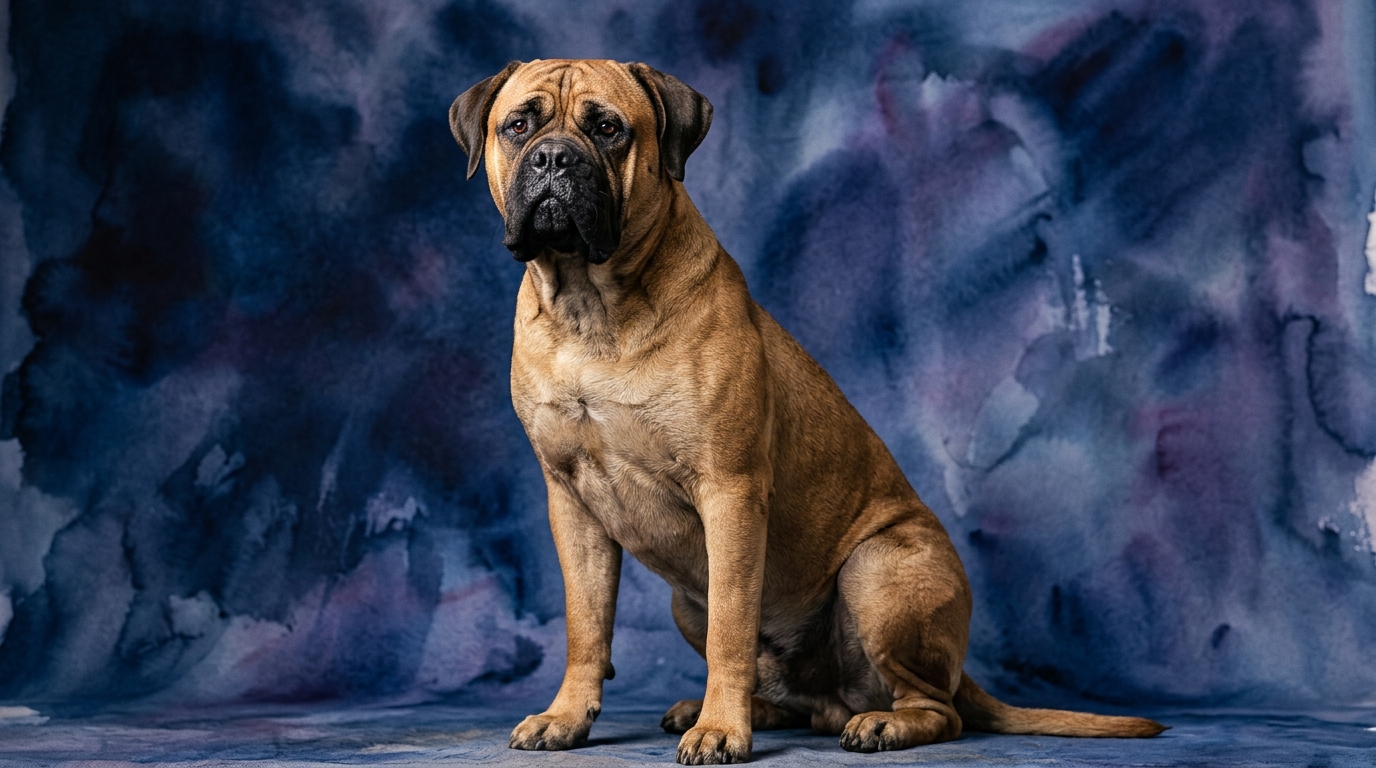
Side-by-Side IQ Profile: Bullmastiff
**Problem Solving (3/5):** This score shows a moderate capacity for independent thought. Bullmastiffs can learn to navigate new situations or overcome obstacles, often finding efficient paths to their goals, particularly for guarding or comfort.
**Training Speed (3/5):** A 3/5 indicates they are steady learners, not exceptionally quick. They require patience, consistency, and positive reinforcement to grasp commands, with their strong will needing a confident handler.
**Social Intelligence (3/5):** This breed has a balanced understanding of social cues. They interpret body language and tone, engaging appropriately with family and discerning potential threats, guided by protective instincts.
**Instinctive Drive (3/5):** Their moderate instinctive drive focuses on guarding and companionship. Historically gamekeepers' protectors, they possess a natural inclination to observe and intervene, but this drive is manageable.
**Memory (3/5):** A moderate memory means Bullmastiffs generally retain learned commands and experiences. They remember routines, people, and places, contributing to their reliability as companions and protectors over time.
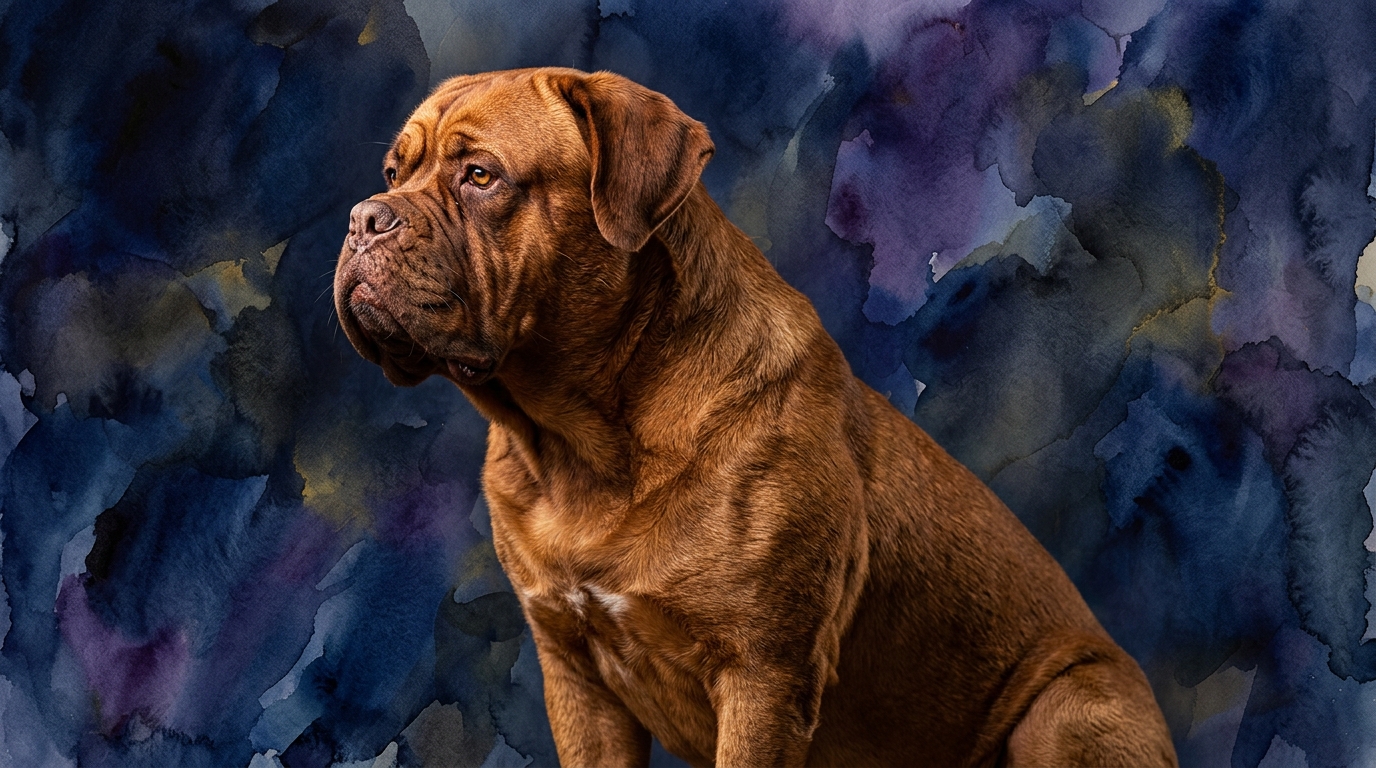
Side-by-Side IQ Profile: Dogue de Bordeaux
**Problem Solving (3/5):** Also 3/5, their practical intelligence allows them to figure out comforts, like finding optimal resting spots. They adapt to environmental changes, often seeking access to their human companions.
**Training Speed (3/5):** Like the Bullmastiff, they are steady learners. Training demands a firm but gentle approach, using positive reinforcement and short sessions. Early, consistent expectations are vital due to their powerful build.
**Social Intelligence (3/5):** Scoring 3/5, this breed reads situations well, reacting appropriately, especially with family. They form deep bonds, attuned to family moods, expressing protection through calm, watchful presence.
**Instinctive Drive (3/5):** Their moderate instinctive drive centers on guarding and strong attachments. As historical protectors, they are naturally watchful and imposing, expressing profound loyalty and deterring threats.
**Memory (3/5):** A 3/5 suggests they remember significant events, training cues, and important people. They thrive on routine, recalling past interactions to build consistent behavior and strengthen bonds.
Where the Bullmastiff Wins Cognitively
The Bullmastiff, despite identical IQ metrics, holds a Coren rank of #69 ("Average Working/Obedience Intelligence"), indicating a subtle cognitive advantage in structured obedience. This ranking suggests a more consistent and predictable response to formal training cues, potentially requiring fewer repetitions to solidify commands for reliable execution. While both have a "Training Speed 3/5," the Bullmastiff's Coren placement implies a marginally smoother integration of complex household rules or multi-step commands into their routine. Their problem-solving, also 3/5, might lean towards efficiency in tasks directly related to their historical guarding role, such as understanding complex patrol routes with greater consistency after training.
Where the Dogue de Bordeaux Wins Cognitively
Despite identical scores, the Dogue de Bordeaux's cognitive strengths often lie in its profound social attunement and deeply ingrained protective instinct. While both breeds score 3/5 in social intelligence, the Dogue de Bordeaux frequently exhibits a particularly sensitive understanding of their family's emotional states, offering comfort or adjusting behavior based on subtle mood shifts. Their instinctive drive, also 3/5, translates into an unwavering, formidable presence as a guardian. Problem-solving, rated similarly, might be more geared towards subtle environmental assessment—identifying changes warranting attention or optimizing their position for observation and protection. This results in a discerning guardian with a watchful, almost sentient, awareness of their surroundings.
Which is Easier to Train and Why
Based on Coren's ranking, the Bullmastiff (#69) is generally considered marginally easier to train in formal obedience than the Dogue de Bordeaux (Not Coren-ranked), despite both sharing a "Training Speed 3/5." This suggests the Bullmastiff possesses a slightly stronger inclination for cooperation in structured learning, potentially showing more willingness for repetitive drills or responding to commands in distracting environments with less handler effort. The Dogue de Bordeaux, equally capable, often brings a more pronounced independent streak. Their substantial presence means overcoming stubbornness requires significant consistency and motivation. Training them often demands creative engagement, making learning a collaborative game rather than a simple command-response, as they are less inclined to obey simply "because you said so." Both need patience, but the Dogue de Bordeaux might test it more frequently with its determined will.
Which Suits Active Owners vs. Relaxed Owners
Neither breed suits highly active owners seeking a running or agility partner; both require moderate, thoughtful activity. For relaxed but consistent owners, both can thrive. The Bullmastiff, with its guarding history, benefits from owners who are calm but provide strong structure, clear boundaries, and regular, moderate exercise. They appreciate a quiet home but need mental engagement to prevent boredom, channeling their problem-solving (3/5) and instinctive drive (3/5) through predictable routines. They are ideal for owners preferring structured walks and quiet evenings. The Dogue de Bordeaux also suits relaxed owners prioritizing deep companionship and a consistent bond. Their social intelligence (3/5) and memory (3/5) mean they flourish with present, engaged owners investing in a profound relationship. They are less task-oriented, more a steadfast, watchful companion who enjoys close proximity. Both demand owners committed to consistent training, socialization, and a stable, loving environment.
The Verdict
When contemplating a Bullmastiff, consider an owner who values a steadfast guardian with a slightly more predictable approach to formal obedience and a historical inclination towards structured tasking, appreciating their reliable, if not lightning-fast, comprehension.
Choose a Dogue de Bordeaux if you are an owner who seeks a profoundly loyal and deeply empathetic companion whose formidable presence is matched by a sensitive social intelligence and a desire for close, consistent companionship, understanding that their training requires patience and creative engagement.
🧠 Find Your Pet's IQ Score
Our Pet IQ Lab assessment covers 25+ tests across 5 cognitive dimensions — personalized to your breed.
Take the Full IQ Test →Frequently Asked Questions
Do Bullmastiffs and Dogue de Bordeaux learn at the same pace?
While both breeds score 3/5 in training speed, suggesting a moderate learning curve, the Bullmastiff (Coren rank #69) is generally perceived as slightly more amenable to formal obedience training, potentially requiring fewer repetitions in a structured setting. The Dogue de Bordeaux, though equally capable, may require more creative and consistent engagement to overcome its independent streak during training.
Which breed is better at problem-solving?
Both the Bullmastiff and Dogue de Bordeaux score 3/5 in problem-solving. Their problem-solving abilities tend to manifest differently; the Bullmastiff might apply it to territorial patrol or discerning threats, while the Dogue de Bordeaux might use it for personal comfort or assessing subtle changes in their environment.
How do their social intelligences compare, given they both score 3/5?
Both breeds possess a 3/5 social intelligence, indicating a good grasp of social cues. The Bullmastiff often applies this to discerning friend from foe and understanding household hierarchy, while the Dogue de Bordeaux frequently exhibits it through a deep empathy for its family's emotional states and a strong desire for close companionship.