Side-by-Side IQ Profile: Unpacking Identical Scores
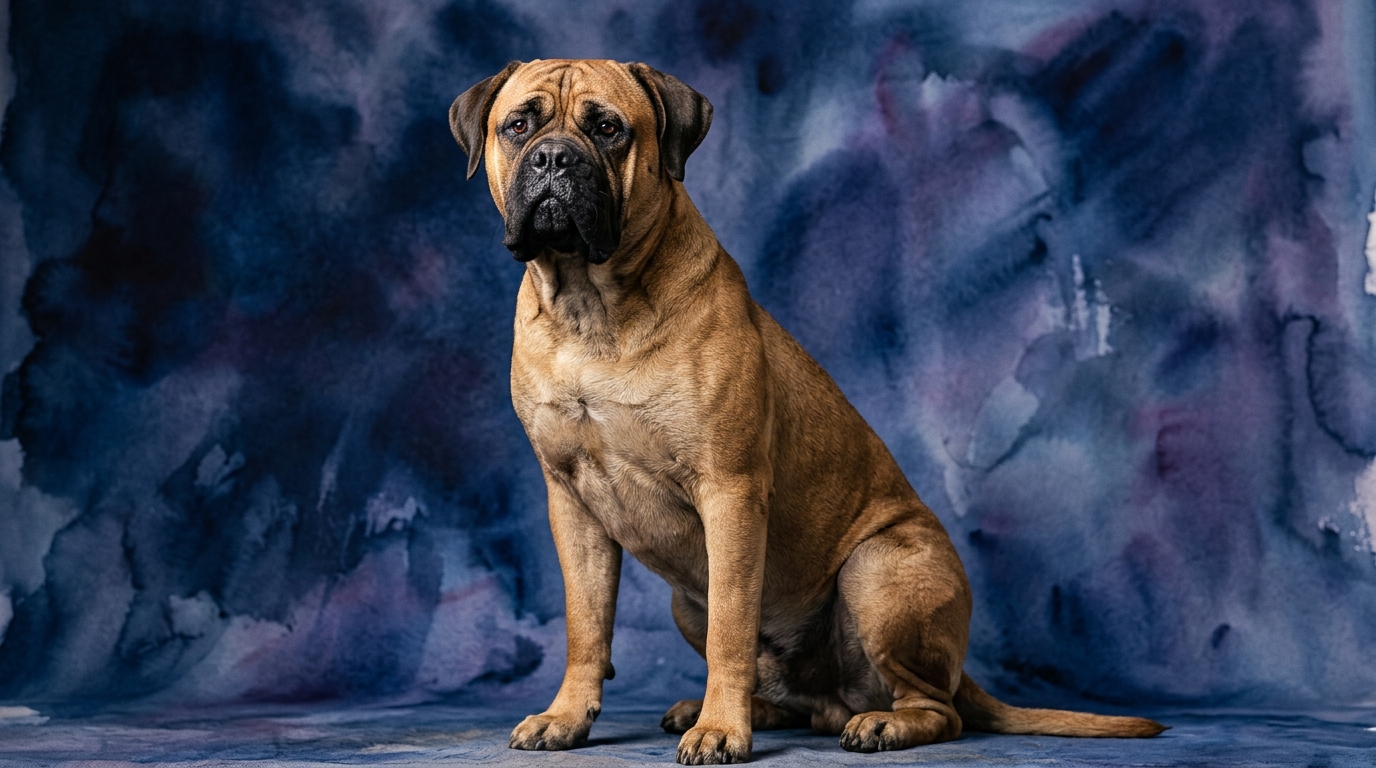
At first glance, the IQ profiles for both the Bullmastiff and the Italian Greyhound from The Cosmic Pet Pet IQ Lab present an interesting uniformity, with each breed scoring 3 out of 5 across all five cognitive dimensions: problem-solving, training speed, social intelligence, instinctive drive, and memory. This identical scoring doesn't suggest a lack of distinction but rather invites a deeper exploration into how these capacities manifest within their unique breed contexts. The Bullmastiff, a member of the Working group and ranked #69 by Coren for obedience and working intelligence, embodies a robust and resolute cognitive style. Its problem-solving at 3/5 reflects an ability to assess situations and make decisions, often relating to its protective instincts or navigating complex physical environments. A training speed of 3/5 indicates a steady learning pace, requiring consistent methods, while its 3/5 social intelligence points to an aptitude for discerning friend from foe and understanding pack dynamics within its human family. The instinctive drive at 3/5 is deeply rooted in its heritage as a gamekeeper's dog, manifesting as vigilance and a protective nature, and its 3/5 memory supports consistent recall of boundaries and routines.
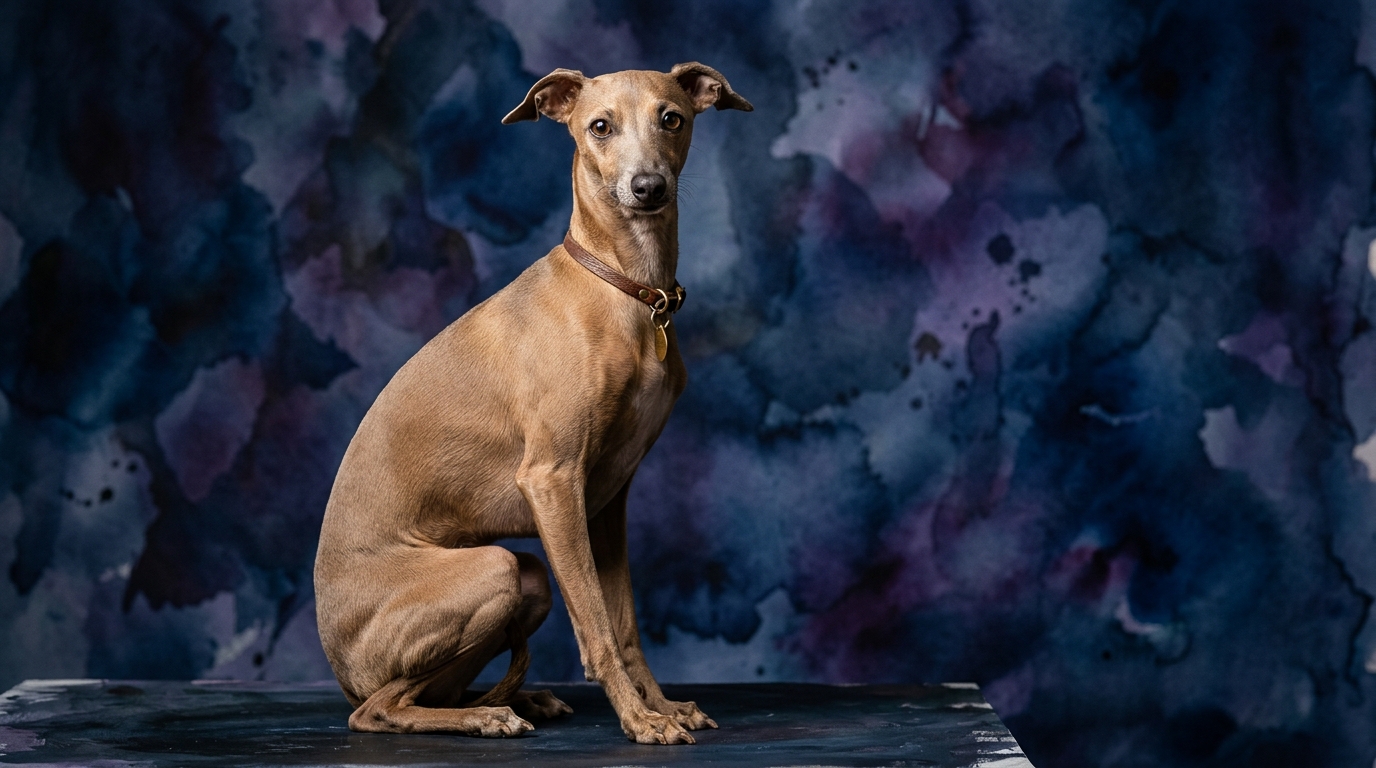
Conversely, the Italian Greyhound, a graceful member of the Toy group and not specifically ranked by Coren, demonstrates these same cognitive scores through a lens of companionship and agility. Its 3/5 problem-solving often involves navigating intricate social situations within a household, finding comfort, or outsmarting a perceived barrier to affection. A training speed of 3/5 suggests they learn at a moderate pace, often excelling with positive reinforcement and gentle guidance, reflecting their sensitive nature. Their social intelligence, also 3/5, is acutely tuned to human emotions and interactions, enabling deep bonds and nuanced communication with their owners. The 3/5 instinctive drive, while not for guarding, often translates into a keen sighthound's urge to chase small, fast-moving objects or an intense desire for human closeness, reflecting their historical role as companion animals. Finally, their 3/5 memory helps them recall preferred napping spots, feeding times, and the habits of their human family members. Thus, while the numerical scores are the same, the practical application and behavioral expressions of these cognitive traits are distinctively shaped by each breed's heritage and purpose.
Where the Bullmastiff Excels Cognitively
The Bullmastiff's cognitive strengths, while numerically mirroring the Italian Greyhound, truly shine in scenarios demanding a more formidable and discerning presence. Its 3/5 problem-solving capability is particularly effective when applied to tasks requiring assessment of environmental changes or potential threats. For instance, a Bullmastiff might methodically figure out how to navigate a new obstacle in its territory or discern the difference between a friendly visitor and an unwelcome intruder, using its physical presence and cognitive evaluation in tandem. This isn't about complex puzzles but about practical, situational awareness that leverages its protective instincts. Its 3/5 social intelligence, combined with its imposing stature, allows it to effectively manage perceived social boundaries, understanding the hierarchy within its family unit and responding to cues that indicate a need for vigilance. This capacity for social discernment, when properly guided, makes them adept at understanding who belongs and who might not, a trait invaluable for a guard breed. Furthermore, the Bullmastiff's 3/5 instinctive drive is channeled into a profound sense of loyalty and a natural inclination to protect its home and family, making it a steadfast guardian whose cognitive processes are geared towards security and stability. This manifests as a consistent watchfulness and a deep-seated commitment to its role, requiring an owner who appreciates and can appropriately direct these inherent cognitive tendencies.
Where the Italian Greyhound Excels Cognitively
The Italian Greyhound, despite identical scores, demonstrates cognitive wins in areas that prioritize finesse, emotional sensitivity, and adaptability within a domestic setting. Its 3/5 problem-solving often manifests in navigating the intricacies of human companionship, such as subtly communicating needs or finding the most comfortable, often elevated, spot in a room to observe its surroundings. This is a problem-solving geared towards comfort, social engagement, and personal well-being rather than overt guardianship. The Italian Greyhound’s 3/5 social intelligence is particularly acute in its ability to read human emotions and moods, making them remarkably empathetic companions. They can often anticipate their owner's needs or retreat gracefully if sensing tension, showcasing a sophisticated understanding of subtle social cues that fosters deep emotional bonds. This sensitivity allows them to integrate seamlessly into family life, adapting their behavior to the household's rhythm. Their 3/5 instinctive drive, while manifesting as a sighthound's chase reflex, also encompasses an intense desire for close physical contact and warmth, a cognitive drive that translates into unparalleled affection and devotion. This instinct for companionship means they are often 'velcro dogs,' whose cognitive energy is largely directed towards maintaining proximity and connection with their human family. Their memory, also 3/5, is particularly good for recalling routines related to comfort, feeding, and the location of their favorite blankets or people, making them predictable and cherished members of a home.
Training Dynamics: Bullmastiff vs. Italian Greyhound
Both breeds score 3/5 in training speed, indicating a moderate learning curve, but the 'why' and 'how' of their training diverge significantly due to their inherent behavioral differences. The Bullmastiff, with its working background, responds well to consistent, firm, and fair training that establishes clear boundaries and leadership. Their protective instincts mean that early socialization and obedience training are not just beneficial but essential to channel their innate drives constructively. They are not typically eager to please in the same effusive way some breeds are; instead, their cooperation often stems from respect and understanding of their role within the family structure. Training a Bullmastiff involves harnessing their physical presence and mental resolve, teaching them to use their strength and discernment appropriately. For example, their tendency to be watchful requires specific training to differentiate between harmless passersby and actual threats, preventing overreaction.
The Italian Greyhound, on the other hand, while equally scoring 3/5 for training speed, requires a much more gentle and positive reinforcement-based approach. Their sensitivity means harsh corrections can be counterproductive, potentially leading to fear or withdrawal. They thrive on praise, treats, and play, learning best when training is framed as a fun, engaging interaction. House-training can be a particular challenge for Italian Greyhounds due to their delicate bladder and preference for warmth, requiring consistent outdoor access and patience rather than punishment. Their sighthound instincts mean they can be easily distracted by moving objects outdoors, necessitating strong recall training and secure leash work. While both breeds learn at a similar pace, the Bullmastiff demands a confident, authoritative trainer who can manage a powerful presence, whereas the Italian Greyhound flourishes under a patient, empathetic trainer who understands their need for comfort, security, and positive motivation, often responding better to a gentle whisper than a stern command.
Lifestyle Suitability: Active vs. Relaxed Owners
The choice between a Bullmastiff and an Italian Greyhound also hinges significantly on an owner's lifestyle, particularly regarding their definition of 'active' and 'relaxed.' For the Bullmastiff, an 'active owner' doesn't necessarily mean a marathon runner, but rather someone actively engaged in providing consistent structure, mental stimulation, and appropriate physical exercise. Bullmastiffs are not high-endurance dogs; they require regular, moderate walks and playtime, but their cognitive needs demand more than just physical activity. They thrive with owners who are active in their training, socialization, and ensuring they have a 'job,' even if that job is simply being a well-behaved family guardian. A truly 'relaxed owner' who offers minimal guidance or mental engagement might find a Bullmastiff challenging, as their intelligence and protective instincts need direction to prevent boredom or undesirable behaviors. They need an owner who is mentally active in managing their powerful presence.
Conversely, the Italian Greyhound often suits a more 'relaxed' owner, if 'relaxed' implies a calm, predictable home environment and a preference for quieter companionship. While they enjoy short bursts of intense running (their sighthound heritage), they are equally content to spend hours curled up on a sofa, ideally with their human. An 'active owner' for an Italian Greyhound might be someone who enjoys brief, playful interactions, short walks, and then settles down for extended periods of cuddling. Their delicate physical nature and sensitivity mean they are not suited for rough-and-tumble play or environments that are too boisterous or unpredictable. They flourish with owners who are active in providing warmth, comfort, and consistent, gentle affection. Their ideal owner is one who can appreciate their quiet elegance and provide a secure, low-stress environment where their social intelligence and affectionate nature can truly blossom, rather than constantly seeking high-intensity physical adventures.
The Verdict
Choose a Bullmastiff if you seek a formidable, loyal companion who thrives with clear leadership, consistent training, and values a robust, protective presence in your life, appreciating their discerning and steadfast nature.
Opt for an Italian Greyhound if you desire an elegant, sensitive, and profoundly affectionate companion who appreciates a gentle approach, thrives in a calm home, and offers a deep emotional connection and graceful presence.
🧠 Find Your Pet's IQ Score
Our Pet IQ Lab assessment covers 25+ tests across 5 cognitive dimensions — personalized to your breed.
Take the Full IQ Test →Frequently Asked Questions
Do Bullmastiffs and Italian Greyhounds have similar cognitive strengths despite their size difference?
Yes, The Cosmic Pet Pet IQ Lab data indicates identical scores across five cognitive dimensions, suggesting that problem-solving, training speed, social intelligence, instinctive drive, and memory are present at a comparable baseline level, though manifesting differently due to breed-specific contexts and historical roles.
Is one breed definitively 'smarter' than the other based on the IQ Lab data?
The data does not suggest one breed is definitively 'smarter' in an overall sense, as both score 3/5 in all categories. Instead, their cognitive strengths are specialized to their historical roles and breed purposes, requiring a nuanced understanding of their individual expressions of intelligence rather than a simple ranking.
How does the 'Not Coren-ranked' status for the Italian Greyhound impact its perceived intelligence?
The lack of a Coren rank for the Italian Greyhound simply means it wasn't included in Coren's specific obedience-focused study. This doesn't diminish its cognitive abilities, but rather highlights that its intelligence excels in areas like social bonding and environmental awareness, which are highly valued in companion breeds, beyond obedience trial performance.