Side-by-Side IQ Profile: Unpacking the 3/5 Score
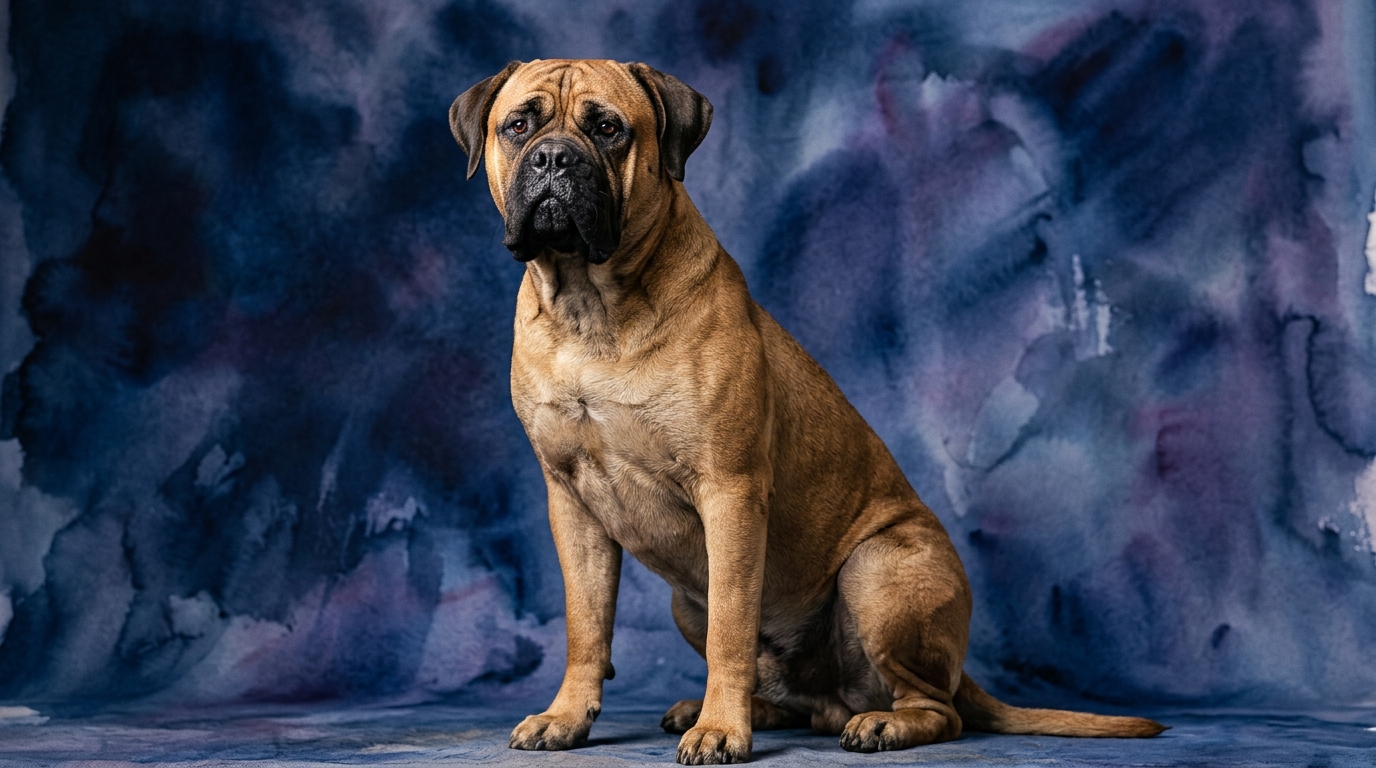
When we delve into the IQ profiles of the Bullmastiff and the Löwchen, the most striking observation is the consistent 3/5 score across all five cognitive dimensions for both breeds. This doesn't suggest a lack of intelligence, but rather a moderate, practical application of their cognitive abilities, shaped profoundly by their historical roles and breed-specific temperaments. For the Bullmastiff, a Working Group dog ranked #69 by Coren, a 3/5 in Problem Solving typically translates to a deliberate, methodical approach. They are capable of understanding complex situations, particularly those involving territory or family security, and will often assess before acting, rather than impulsively reacting. Their Training Speed at 3/5 means they are certainly trainable, but they require consistent, clear instruction and strong motivation, often rooted in their desire to please a trusted handler or fulfill a 'job.' Social Intelligence at 3/5 for a Bullmastiff indicates a keen awareness of their immediate human family's moods and intentions, coupled with a discerning nature towards strangers, evaluating them for potential threat or acceptance. Their Instinctive Drive, also 3/5, is heavily weighted towards protection and guardianship, manifesting as a watchful vigilance rather than a high prey drive. Finally, their Memory at 3/5 ensures they retain learned commands, routines, and experiences over time, forming lasting associations with people and places.
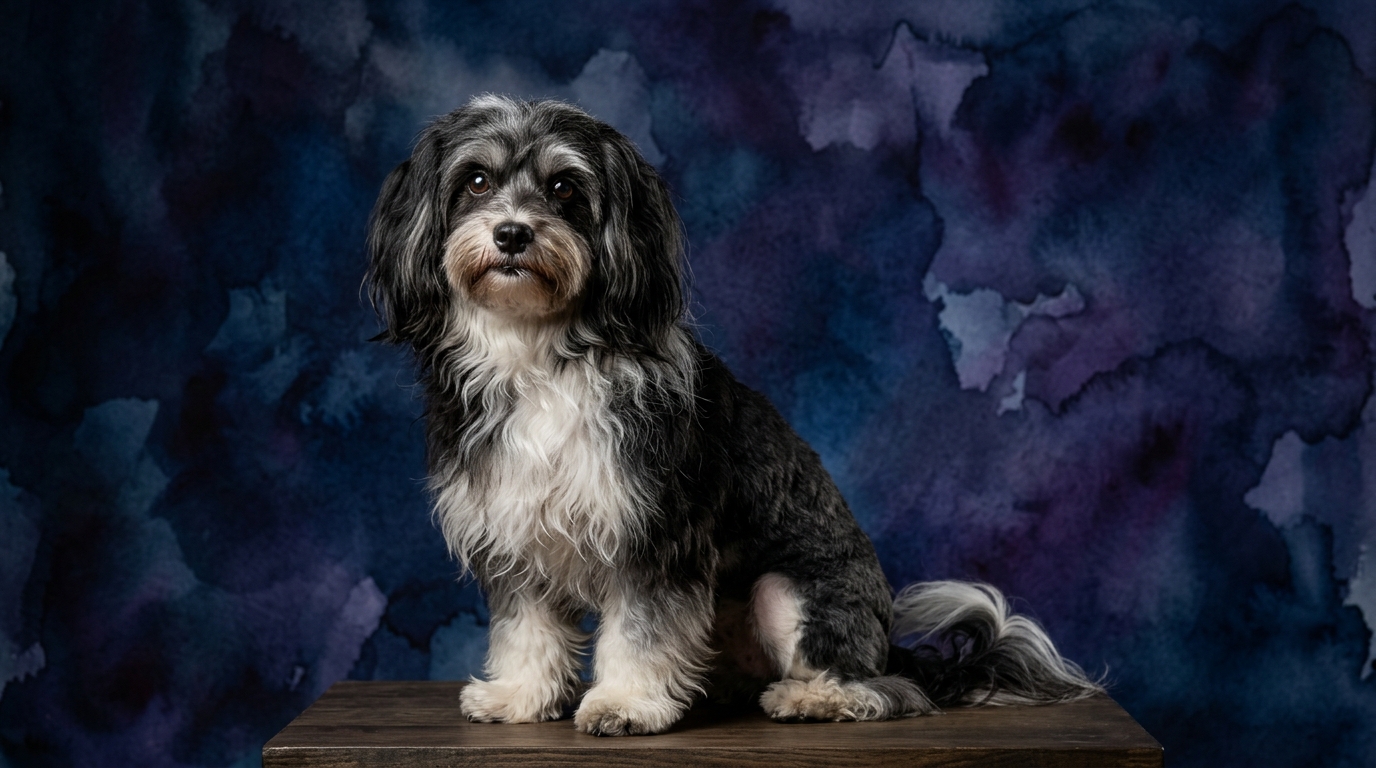
The Löwchen, a vibrant member of the Non-Sporting Group and not Coren-ranked, also exhibits a 3/5 across the board, but its expression is distinctly different, colored by its role as a companion dog. Their Problem Solving at 3/5 often appears as cleverness in navigating household dynamics to gain attention or access, or figuring out how to initiate play. They can solve puzzles, but their focus is less on guarding and more on engagement. A 3/5 in Training Speed for a Löwchen means they are responsive and enjoy the learning process, often eager to participate in short, fun training sessions, though they may require variety to maintain interest. Their Social Intelligence at 3/5 is exceptionally attuned to human emotions and social cues, allowing them to adapt seamlessly to various family environments and form strong, affectionate bonds. The Löwchen's Instinctive Drive, also 3/5, is primarily geared towards companionship and play, with a moderate energy level that enjoys interactive games and walks. Their Memory at 3/5 ensures they quickly recall tricks, routines, and the individuals they interact with, contributing to their adaptability and ease of integration into family life. Thus, while the numerical scores are identical, the practical manifestation of these cognitive strengths is deeply divergent, reflecting their unique evolutionary paths.
Where the Bullmastiff Excels Cognitively
In the realm of cognitive application, the Bullmastiff's strengths are undeniably rooted in its history as a protector and guardian. While both breeds score 3/5 in Problem Solving, the Bullmastiff's manifestation of this ability often involves a more strategic and deliberate assessment of its environment. Their problem-solving isn't about playful mischief but rather about evaluating potential threats or discerning situations that require a calm, authoritative presence. For instance, a Bullmastiff might demonstrate superior judgment in deciding when to intervene in a perceived household disturbance versus when to merely observe, a complex decision-making process that requires weighing numerous sensory inputs. This depth of discernment, particularly concerning the safety of their family and territory, is where their cognitive abilities shine. Their social intelligence, while rated 3/5, is often characterized by a profound loyalty and an almost intuitive understanding of their primary handler's needs for security and companionship. They excel at reading subtle cues from their trusted family members, often anticipating intentions related to home defense or a need for a comforting presence. This specific application of their social intelligence, focused on protective vigilance and unwavering devotion, gives them a cognitive edge in contexts requiring steadfastness and a powerful, silent understanding of duty.
Where the Löwchen Excels Cognitively
Conversely, the Löwchen's cognitive prowess, despite the identical 3/5 scores, manifests brilliantly in its capacity for social engagement and adaptable charm. Where the Bullmastiff's problem-solving might be about protection, the Löwchen's 3/5 problem-solving often involves creative strategies for interaction and amusement. They might cleverly figure out how to 'ask' for a game, or how to subtly manipulate a situation to get preferred attention, demonstrating a nuanced understanding of human behavior tailored for companionship. This isn't about guarding; it's about connecting. Their social intelligence, also rated 3/5, is remarkably fluid and expressive, allowing them to integrate effortlessly into diverse social settings. They possess an innate ability to 'read the room,' adapting their energy and interaction style to suit different people and environments. This means they are often adept at making new friends quickly, being comfortable with children, and generally exuding a friendly demeanor that disarms strangers. Their memory, while also 3/5, is particularly strong for recalling social interactions and the preferences of their human companions, enabling them to form deep, personalized bonds. This ability to be a highly responsive, emotionally intelligent companion, capable of brightening any room with their playful and engaging nature, represents a distinct cognitive win for the Löwchen, showcasing intelligence geared towards harmonious social living and joyful interaction.
Training Dynamics: Bullmastiff vs. Löwchen
Given their identical 3/5 Training Speed scores, it's crucial to understand that ease of training isn't solely about how quickly a command is learned, but also about the underlying motivations and potential challenges specific to each breed. Training a Bullmastiff, while rewarding, often requires a dedicated, patient, and consistent approach. Their 3/5 training speed means they are capable of learning, but their independent nature and sheer physical presence necessitate early and ongoing socialization and obedience training. They can be prone to stubbornness, and their motivation often stems from a deep bond with their handler and a desire to fulfill a perceived 'job,' rather than an inherent eagerness to perform tricks. Effective training for a Bullmastiff involves establishing clear boundaries, using positive reinforcement consistently, and understanding that their learning might be slower and more deliberate, but once a command is truly ingrained, it is often reliable due to their strong memory and purposeful nature. Their size makes early leash training and impulse control absolutely critical, as an untrained adult Bullmastiff can be unmanageable.
The Löwchen, despite the same 3/5 Training Speed, generally presents a different training experience. They are often more eager to please and enjoy the interactive aspect of training, making them responsive to positive reinforcement, treats, and praise. Their smaller size makes them easier to manage physically during training sessions, and their playful spirit can be harnessed to make learning fun and engaging. However, their moderate attention span means that training sessions should be kept short, varied, and exciting to prevent boredom. While they learn commands readily, they might not be as inherently 'serious' about their 'work' as a Bullmastiff, sometimes preferring play over strict obedience. They can be prone to selective hearing if something more interesting catches their attention. Therefore, while both breeds possess a 3/5 training speed, the Löwchen's training often feels more agile and playful, requiring creativity to maintain engagement, whereas the Bullmastiff's training demands unwavering consistency and a deep understanding of their deliberate, protective temperament. Neither is 'easier' in an absolute sense; rather, they require different approaches to achieve optimal results.
Matching Breeds to Lifestyles: Active vs. Relaxed Owners
When considering which breed aligns with an active versus a relaxed owner, it's essential to look beyond raw energy levels and consider the type of activity and engagement each breed thrives on, informed by their cognitive profiles. The Bullmastiff, despite its imposing size, is not a high-energy dog in the traditional sense. Their 3/5 instinctive drive is channeled more towards watchful vigilance than sustained physical exertion. They are well-suited for owners who appreciate a calm, steadfast companion and are prepared for consistent mental stimulation and structured routines rather than intense physical activity like long-distance running. A 'relaxed' owner for a Bullmastiff is someone who enjoys quiet companionship, is content with moderate daily walks, and can provide ample mental engagement through puzzle toys, scent work, or 'job' tasks that appeal to their protective instincts, such as 'watching the house' from a designated spot. They thrive with owners who are calm, confident leaders, providing clear guidance and structure, and who understand that mental exercise is as crucial as physical exercise for a dog of their intellectual caliber.
The Löwchen, on the other hand, with its 3/5 instinctive drive, is a lively and playful companion. While not requiring extreme athleticism, they thrive with owners who are genuinely 'active' in terms of consistent interaction and engagement. They enjoy regular walks, interactive play sessions, and learning new tricks, benefiting immensely from being included in family activities. Their 3/5 social intelligence makes them highly adaptable to various social outings, from trips to the park to visits with friends. An owner who enjoys teaching new commands, engaging in agility or rally obedience, or simply spending quality time playing and interacting will find the Löwchen to be an enthusiastic partner. They are more suited to owners who can provide consistent mental and social stimulation, enjoying the give-and-take of a playful, affectionate relationship. Therefore, a Bullmastiff fits an owner who values a calm, structured presence with deliberate mental engagement, while a Löwchen thrives with an owner who enjoys more frequent, interactive, and playful engagement, integrating them into a bustling social life.
The Verdict
Choose a Bullmastiff if you seek a steadfast, protective companion who thrives on clear structure, consistent guidance, and a calm, watchful presence, appreciating their deliberate decision-making and unwavering loyalty.
Opt for a Löwchen if you desire an outgoing, adaptable, and affectionate companion who thrives on social interaction, enjoys playful engagement, and integrates seamlessly into varied family dynamics with their charming and responsive nature.
🧠 Find Your Pet's IQ Score
Our Pet IQ Lab assessment covers 25+ tests across 5 cognitive dimensions — personalized to your breed.
Take the Full IQ Test →Frequently Asked Questions
Are Bullmastiffs good family dogs?
Yes, Bullmastiffs are generally gentle and devoted to their families, including children. However, due to their large size and protective instincts, early socialization and consistent training are crucial, and supervision around very young children is always recommended.
Do Löwchens require a lot of grooming?
Löwchens have a beautiful, flowing coat that requires regular grooming, typically brushing several times a week to prevent mats and tangles. Professional grooming every few weeks for trimming can also help maintain their distinctive 'lion cut' and overall coat health.
What kind of mental stimulation do Bullmastiffs need?
Bullmastiffs benefit from mental challenges that engage their problem-solving and protective instincts, such as puzzle feeders, scent work, obedience training that reinforces their role, and opportunities to 'supervise' their environment from a designated spot, which taps into their natural vigilance.