Side-by-Side IQ Profile: Cairn Terrier vs. Harrier
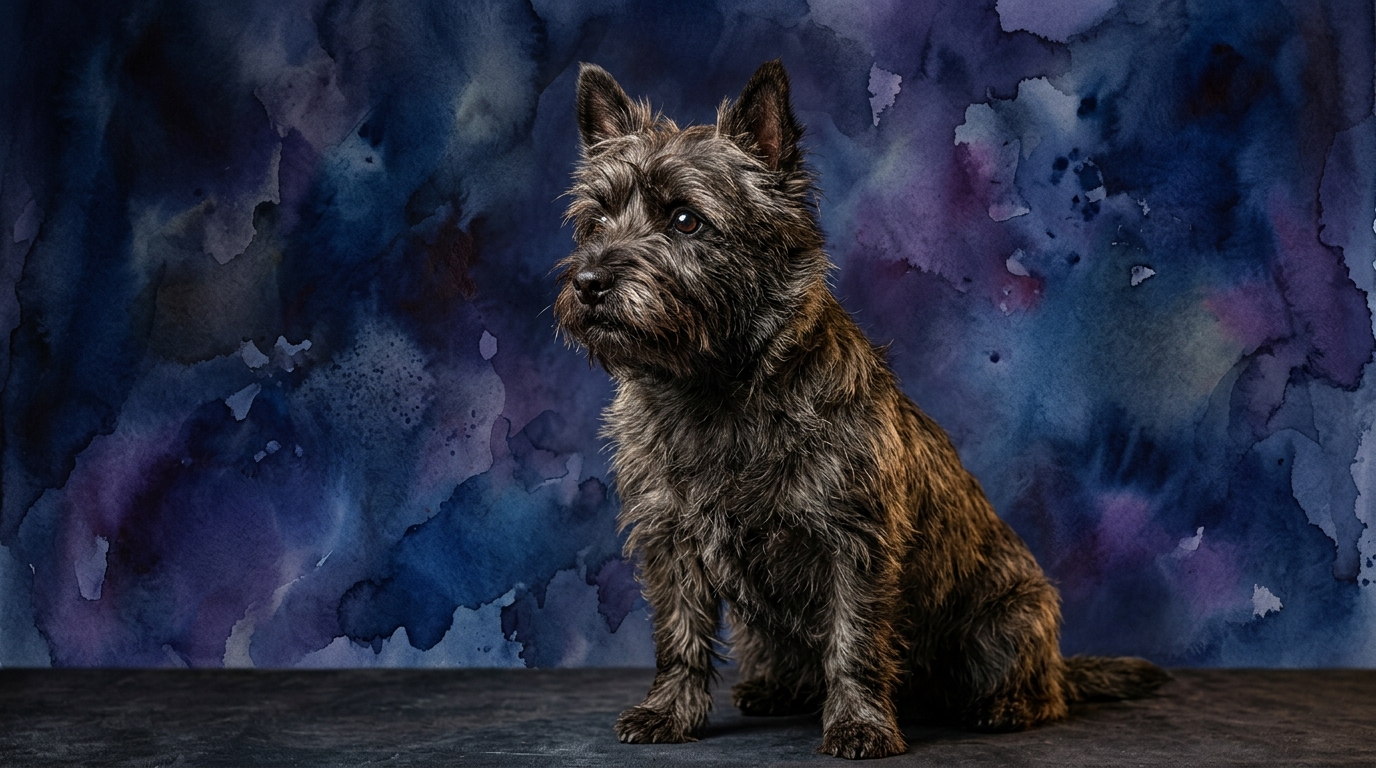
The Cairn Terrier, recognized by Stanley Coren as ranking #35 in working and obedience intelligence, presents a robust cognitive profile. With a Problem Solving score of 4/5, these small terriers exhibit a strong capacity for independent thought, adept at navigating complex environments or figuring out how to achieve their goals, often with a clever, determined streak. Their Training Speed also stands at 4/5, indicating a quick grasp of new commands and routines, though their independent nature means compliance isn't always guaranteed without consistent motivation. Social Intelligence is rated 3/5, suggesting they can adapt well to human households but might not always seek deep collaborative engagement. Their Instinctive Drive, also 3/5, is largely channeled into their terrier heritage of digging, chasing small prey, and asserting themselves. A Memory score of 4/5 rounds out their profile, allowing them to retain learned behaviors and environmental layouts effectively.
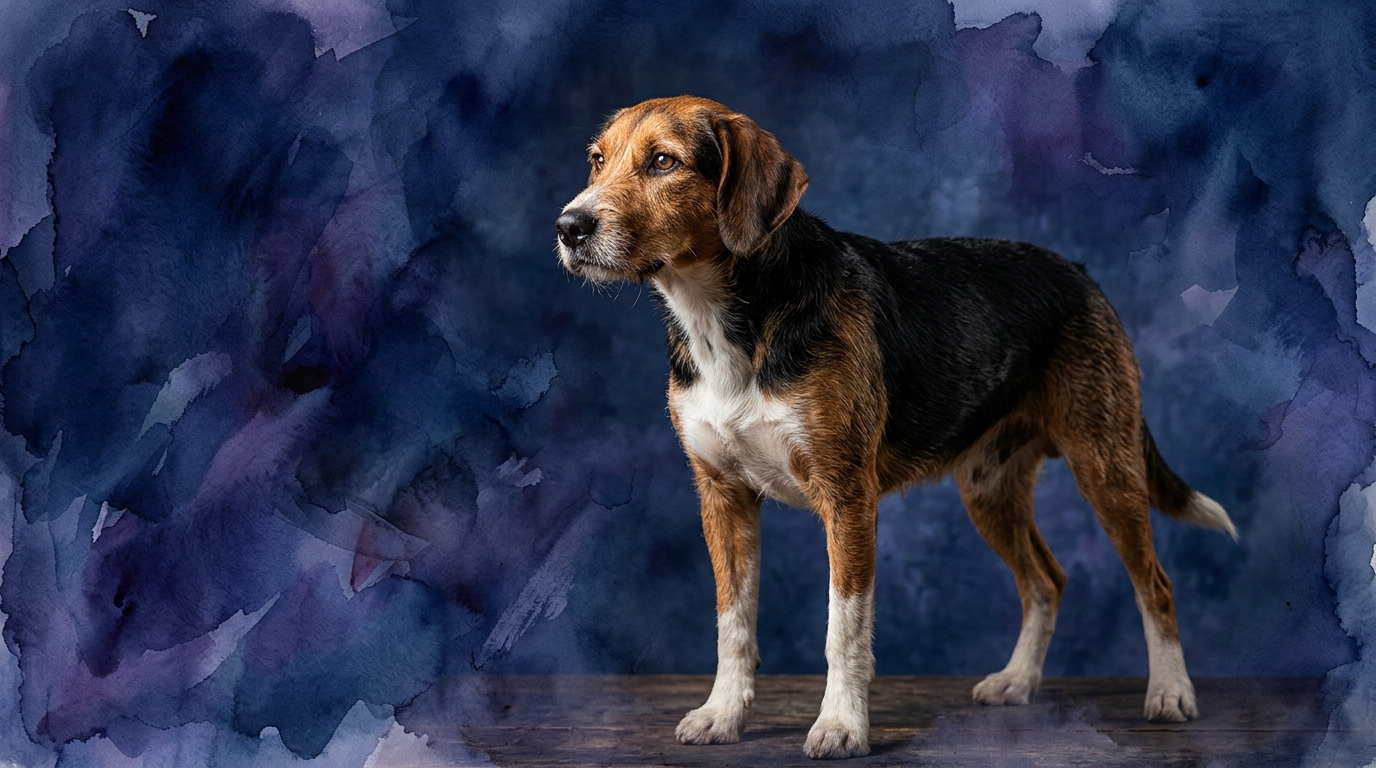
The Harrier, a breed not specifically ranked in Coren's traditional working and obedience intelligence scale, possesses a cognitive architecture built for endurance and keen sensory perception. Across the board, Harriers generally score 3/5 in our metrics: Problem Solving, Training Speed, Social Intelligence, Instinctive Drive, and Memory. Their Problem Solving, while not as independently analytical as the Cairn's, is highly functional within their specialized domain, allowing them to follow intricate scent trails over varied terrain. A Training Speed of 3/5 means they are capable of learning, but their strong focus on environmental stimuli, particularly scent, can make consistent obedience a longer endeavor. Their Social Intelligence at 3/5 reflects their pack hound origins, thriving in group dynamics but perhaps less attuned to subtle human cues than some companion breeds. The Instinctive Drive of 3/5 is overwhelmingly dedicated to scenting and pursuit, a powerful internal motivation that shapes much of their behavior. Finally, their Memory at 3/5 supports their ability to recall hunting patterns and the layout of familiar territories, though perhaps less focused on arbitrary human commands.
Where the Cairn Terrier Wins Cognitively
The Cairn Terrier's cognitive strengths clearly outshine the Harrier's in several key areas, particularly those valued in general companion dog roles. Their Problem Solving score of 4/5 means they are naturally more inclined to figure things out independently, whether it’s how to open a cupboard, escape a kennel, or navigate a new puzzle toy. This inherent ingenuity translates into a dog that often seems to be thinking several steps ahead, constantly assessing its environment for opportunities. Coupled with a Training Speed of 4/5, Cairns can pick up new commands and tricks with impressive alacrity, making them rewarding subjects for structured obedience or agility training. This speed isn't just about repetition; it reflects a quicker cognitive processing of new information and associations. Furthermore, their superior Memory score of 4/5 ensures that once a lesson is learned or a routine established, it tends to stick, providing a reliable foundation for long-term behavioral consistency. These combined attributes make the Cairn Terrier a quicker study and a more proactive problem-solver in human-centric tasks.
Where the Harrier Wins Cognitively
While the Harrier's general cognitive scores might appear modest compared to the Cairn, it holds a distinct advantage in a highly specialized form of intelligence critical to its breed purpose. The Harrier's Instinctive Drive, rated 3/5, is a powerful, unwavering force channeled almost exclusively into scent work and pursuit. This isn't just a physical drive; it's a cognitive obsession, enabling them to process and interpret complex olfactory information with incredible precision and endurance. Their Problem Solving, also 3/5, is less about abstract reasoning and more about practical, real-time navigation of a scent trail, requiring nuanced decisions about direction, intensity, and persistence across varied landscapes. A Harrier's cognitive 'win' lies in this profound, sensory-driven focus. Where a Cairn might solve a puzzle for a treat, a Harrier solves the puzzle of a fading scent trail over miles, demonstrating a specialized form of sustained cognitive effort that few breeds can match. Their Social Intelligence (3/5) and Memory (3/5), though equal to the Cairn's, are geared towards effective pack cooperation and remembering vast territories, vital for their historical role.
Training Dynamics: Which is Easier to Train and Why?
Assessing which breed is 'easier' to train requires understanding their distinct cognitive predispositions. The Cairn Terrier, with its 4/5 Training Speed and 4/5 Memory, generally grasps new commands and concepts more quickly. They are often eager to learn and participate in interactive training sessions, especially when mental stimulation is involved. However, their 4/5 Problem Solving and 3/5 Instinctive Drive also mean they possess a strong independent streak; a Cairn might quickly learn 'sit,' but if a more interesting scent or perceived 'job' presents itself, their terrier tenacity might lead them to prioritize their own agenda. This requires trainers to be engaging, consistent, and to manage their natural drive to explore and dig.
The Harrier, by contrast, presents a different set of training challenges rooted in its 3/5 Training Speed and its overwhelmingly powerful 3/5 Instinctive Drive for scent. While capable of learning, their attention is profoundly drawn to the olfactory world, making it difficult to maintain focus on human-initiated commands, especially outdoors. Training a Harrier often feels like competing with an invisible, all-consuming force—the scent trail. Their Problem Solving (3/5) is geared towards tracking, not necessarily abstract obedience. Therefore, 'easier' for a Cairn might mean quicker initial learning, but 'easier' for a Harrier means finding ways to leverage or manage its innate drive. A Cairn is likely 'easier' for general obedience, provided its independence is channeled, while the Harrier requires more patience and creative strategies to overcome its singular focus.
Lifestyle Match: Active Owners vs. Relaxed Owners
The lifestyle compatibility for these two breeds diverges significantly based on their inherent cognitive and physical demands. The Cairn Terrier, with its 3/5 Instinctive Drive and 4/5 Problem Solving, thrives with active owners who can provide consistent mental engagement and varied physical activity. They are not built for marathon runs but require daily walks, interactive play, and puzzle toys to satisfy their inquisitive minds and prevent boredom-driven behaviors like excessive digging or barking. They can adapt to more relaxed indoor periods, provided their cognitive needs are met through training games or novel experiences. Owners who enjoy teaching tricks, going on exploratory walks, and engaging in short bursts of play will find a Cairn rewarding.
The Harrier, however, is unequivocally suited for highly active owners. Its 3/5 Instinctive Drive, coupled with its heritage as a pack hound, demands significant daily exercise that often involves long-distance running or sustained scent work. A Harrier needs to *move* and *track*; short leashed walks simply won't suffice for its physical and cognitive needs. Owners must be prepared for extended outdoor adventures, ideally in secure areas where the dog can safely run off-leash and engage its powerful sense of smell without fear of bolting. For relaxed owners who prefer a sedentary lifestyle or minimal outdoor activity, the Harrier would quickly become frustrated, potentially leading to destructive behaviors or incessant vocalizations born of unfulfilled drives. Its cognitive processes are geared towards endurance and sensory input from the environment, necessitating an owner who can facilitate these natural expressions.
The Verdict
Choose a Cairn Terrier if you appreciate a clever, independent thinker who learns quickly and offers engaging interaction, provided you can channel their terrier tenacity into productive outlets.
Choose a Harrier if you are an exceptionally active owner dedicated to providing extensive outdoor exercise and can appreciate a dog whose specialized intelligence is rooted in an unparalleled drive for scent and endurance.
🧠 Find Your Pet's IQ Score
Our Pet IQ Lab assessment covers 25+ tests across 5 cognitive dimensions — personalized to your breed.
Take the Full IQ Test →Frequently Asked Questions
Is a Cairn Terrier difficult to train due to its independence?
While Cairn Terriers learn quickly (4/5 Training Speed), their independent problem-solving (4/5) and instinctive drive (3/5) mean they may choose to follow their own agenda. Consistent, positive reinforcement and engaging training methods are key to harnessing their cognitive abilities.
How does a Harrier's scent drive affect its daily life?
A Harrier's powerful instinctive drive (3/5) for scent profoundly influences its behavior, making it highly focused on olfactory input. This means they require extensive opportunities to use their nose and may be easily distracted by scents during walks, necessitating secure environments and diligent leash training.
Can a Harrier live in an apartment?
A Harrier's significant exercise needs and strong instinctive drive make apartment living challenging without an exceptionally dedicated owner. They require vast amounts of outdoor activity and mental stimulation to prevent boredom and destructive behaviors; a small living space alone is insufficient.