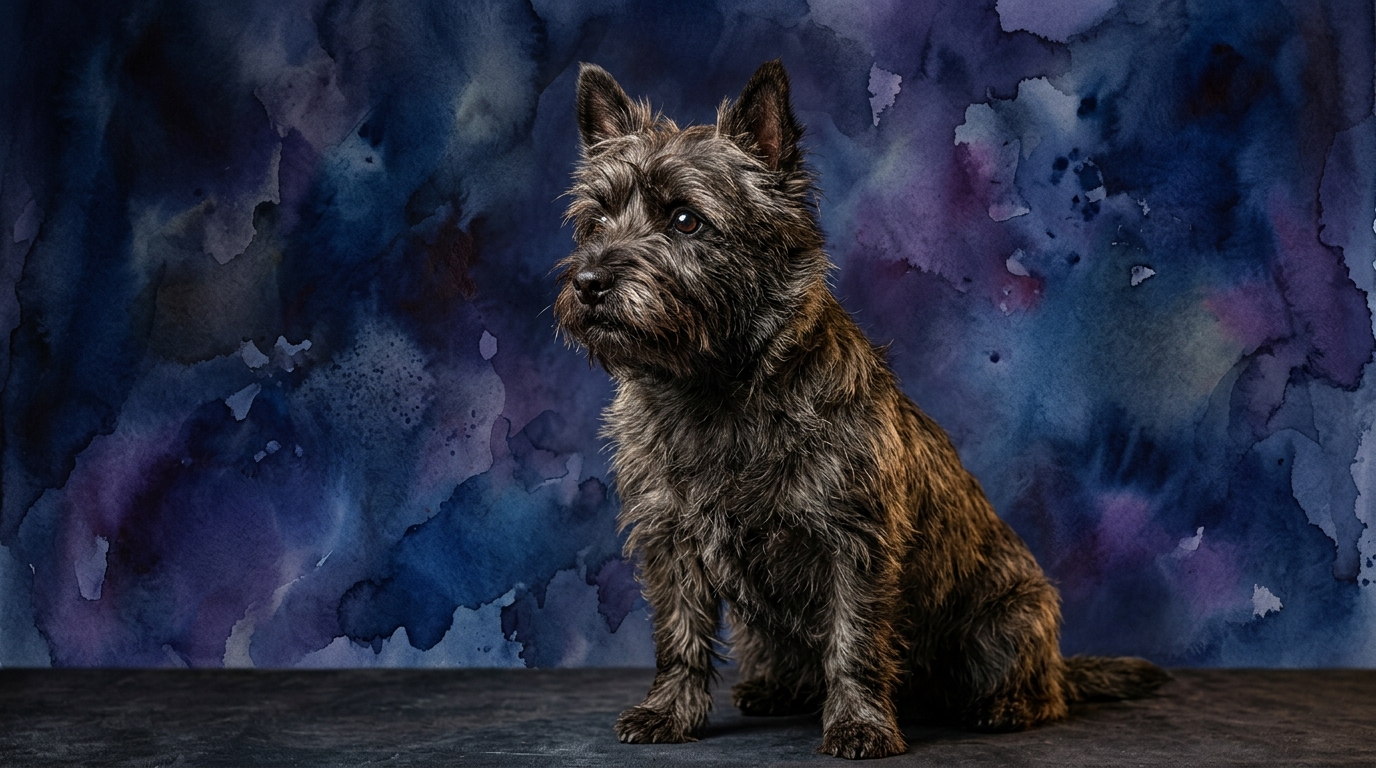
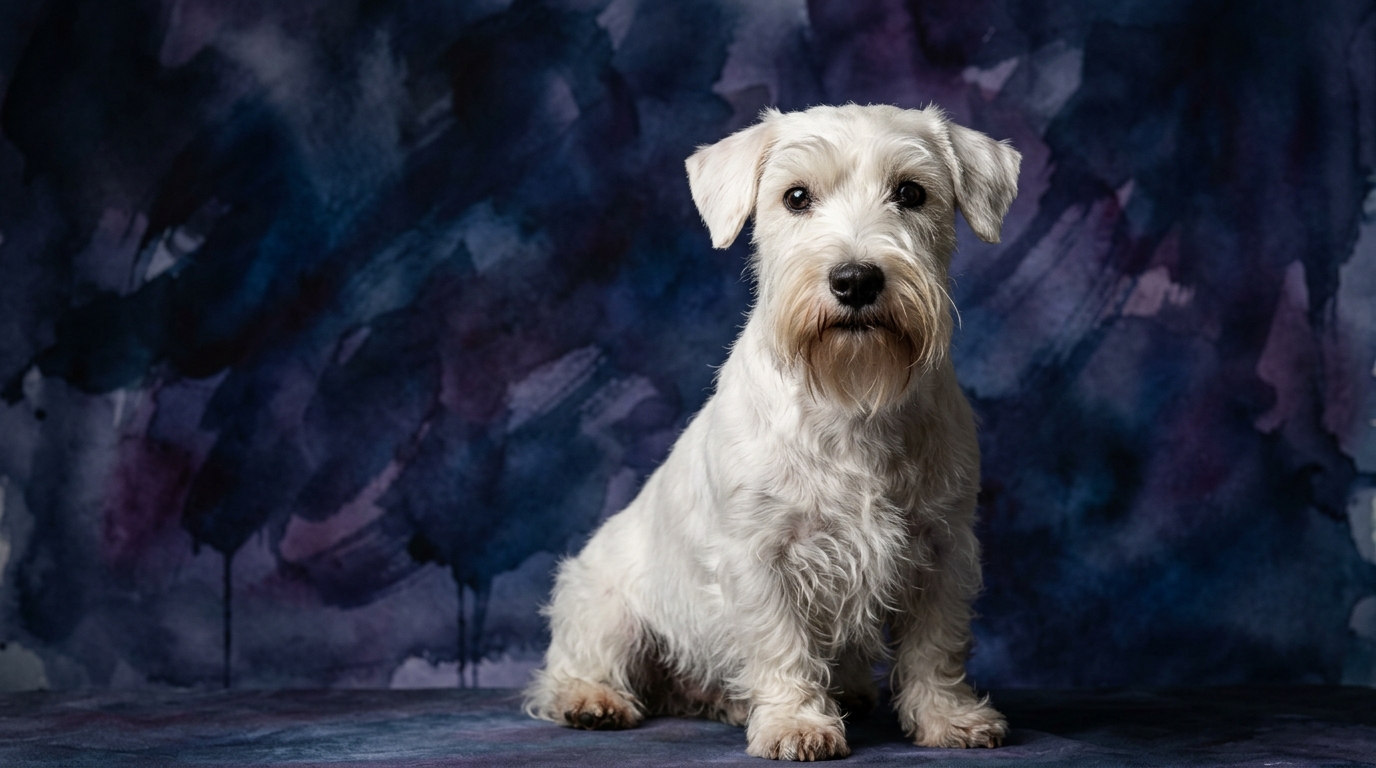
Side-by-Side IQ Profile: Cairn vs. Sealyham
The Cosmic Pet Pet IQ Lab employs five core dimensions to assess canine intelligence, offering a detailed look at how each breed processes information and interacts with their world. For the Cairn Terrier, ranked #35 by Coren, and the unranked Sealyham Terrier, these scores illuminate their unique cognitive strengths and challenges.
**Cairn Terrier Profile (Coren rank #35):**
**Problem Solving (4/5):** Cairns exhibit a robust capacity for figuring out novel situations, often strategizing during play or quickly learning to open childproof gates. They show a strong intrinsic motivation for cognitive puzzles.
**Training Speed (4/5):** Their aptitude for rapid learning means Cairns pick up new commands and routines with fewer repetitions. The acquisition of knowledge is notably efficient.
**Social Intelligence (3/5):** Cairns possess moderate social perceptiveness, reading human cues reasonably well. However, their terrier independence often means they might prioritize their own agenda over absolute deference.
**Instinctive Drive (3/5):** Their instinctive drive for hunting and digging is present but often manageable. It can be channeled effectively into appropriate outlets like earthdog trials or scent work.
**Memory (4/5):** Cairn Terriers exhibit impressive recall, remembering commands, routines, and specific locations over long periods, contributing significantly to their training speed and environmental navigation.
**Sealyham Terrier Profile (Not Coren-ranked):**
**Problem Solving (3/5):** Sealyhams approach problem-solving with steady persistence rather than rapid insight. They work through challenges, but might take more time or require consistent guidance.
**Training Speed (3/5):** Learning new tasks is a deliberate process for the Sealyham, typically requiring more repetition and patience. Once learned, however, concepts tend to stick robustly.
**Social Intelligence (3/5):** Similar to the Cairn, Sealyhams display a moderate understanding of social dynamics. They form strong bonds but are not overly concerned with constant human approval, often displaying a dignified aloofness.
**Instinctive Drive (3/5):** The Sealyham's instinctive prey drive and love for digging are present and consistent with its heritage. While powerful, it's generally manageable for integration into family life.
**Memory (3/5):** Sealyham Terriers possess functional memory, retaining learned commands and routines. While not as sharp as the Cairn's, consistency in training and routine reinforces their memory effectively.
Where the Cairn Terrier Wins Cognitively
The Cairn Terrier clearly excels in several key cognitive domains, making them a standout for owners who appreciate a quick cognitive spark. Their Problem Solving score of 4/5 indicates a higher aptitude for independent thought and creative solutions to environmental challenges. This means a Cairn is more likely to devise strategies to achieve goals, whether it's getting a toy or navigating an obstacle, thriving on mental enrichment.
Complementing this is their superior Training Speed (4/5) and Memory (4/5). A Cairn typically acquires new commands and behavioral protocols faster and retains them more reliably. This efficiency in learning means concepts are deeply ingrained, allowing for progression to more advanced tasks with less re-training. Owners will find their Cairn absorbs new information with enthusiasm, making training rewarding and progressive.
Where the Sealyham Terrier Wins Cognitively
While the Sealyham Terrier’s cognitive scores are a consistent 3/5, this profile points to a unique cognitive strength: unwavering consistency and focused determination. Where a Cairn offers rapid insight, a Sealyham provides steadfastness. Their 3/5 in Problem Solving, Training Speed, and Memory suggests a dog less prone to impulsive decisions or quickly forgetting if consistency is maintained.
The Sealyham’s cognitive 'win' lies in their robust, enduring mental framework; once a behavior is established, it's often more deeply embedded due to the deliberate learning process, making them exceptionally reliable. Their balanced Instinctive Drive (3/5) ensures classic terrier tenacity without overwhelming intensity, allowing for manageable integration of natural instincts into family life. This cognitive steadiness fosters a calm confidence, making them less prone to anxiety from novel situations due to their measured approach.
Which is Easier to Train and Why
Based on The Cosmic Pet Pet IQ Lab's metrics, the Cairn Terrier generally presents as the easier breed to train. Their Training Speed of 4/5, compared to the Sealyham's 3/5, indicates that Cairns typically require fewer repetitions to grasp new commands and concepts. For instance, teaching a Cairn to 'stay' might take significantly fewer sessions before reliability, whereas a Sealyham needs more consistent practice.
This difference stems from the Cairn's higher Problem Solving ability and stronger Memory, allowing them to quickly understand the *why* and remember desired actions. They process information rapidly, connecting cause and effect efficiently. In contrast, the Sealyham, with its deliberate learning pace, benefits immensely from patient, consistent training. While they will learn and retain, their journey is more gradual. For an owner seeking quicker results and a dog thriving on learning complex tricks, the Cairn's cognitive profile offers a more direct path to training success.
Active Owners vs. Relaxed Owners: A Cognitive Match
The cognitive profiles of these two terriers suggest distinct matches for owner lifestyles. An active owner, particularly one enjoying mental challenges beyond basic obedience, would find the Cairn Terrier a more stimulating companion. Their 4/5 Problem Solving and Memory scores mean they thrive on agility, advanced trick training, or complex puzzle toys.
Cairns enjoy being 'put to work' mentally and can become bored if not adequately challenged, requiring an owner prepared for consistent intellectual engagement. Conversely, the Sealyham Terrier, with its consistent 3/5 across cognitive dimensions, often suits a more relaxed or consistent owner. While active, their cognitive needs are less about constant novelty and more about predictable routines and steady engagement. They are content with foundational commands and a stable domestic life, without demanding constant advanced tasks. A Sealyham thrives with an owner valuing a steadfast, dignified companion and willing to invest patience in their training, appreciating their calm confidence.
The Verdict
Opt for a Cairn Terrier if you seek a cognitively agile companion eager to learn new tricks quickly and engage in complex mental challenges, thriving on varied mental stimulation.
Choose a Sealyham Terrier if you prefer a steadfast, predictable companion who learns steadily and values consistent routines, offering a dignified presence without constant demands for novel intellectual tasks.
🧠 Find Your Pet's IQ Score
Our Pet IQ Lab assessment covers 25+ tests across 5 cognitive dimensions — personalized to your breed.
Take the Full IQ Test →Frequently Asked Questions
Are Cairn Terriers good apartment dogs despite their problem-solving skills?
Yes, Cairn Terriers can adapt well to apartment living, provided their needs for mental stimulation and regular physical exercise are met. Their problem-solving acumen means they require engaging activities to prevent boredom, but their moderate size is suitable for smaller spaces.
Do Sealyham Terriers require extensive grooming due to their coat type?
Sealyham Terriers possess a dense, wiry double coat that benefits from regular grooming to prevent matting and maintain skin health. Weekly brushing and professional stripping a few times a year are typically recommended to keep their coat in optimal condition.
What kind of mental stimulation is best for a Sealyham Terrier with a 3/5 problem-solving score?
For a Sealyham Terrier, mental stimulation should focus on consistency and reinforcement. Puzzle toys with clear solutions, scent work that leverages their instinctive drive, and consistent obedience training with positive reinforcement are excellent choices. They thrive on mastering tasks through repetition rather than constant novelty.