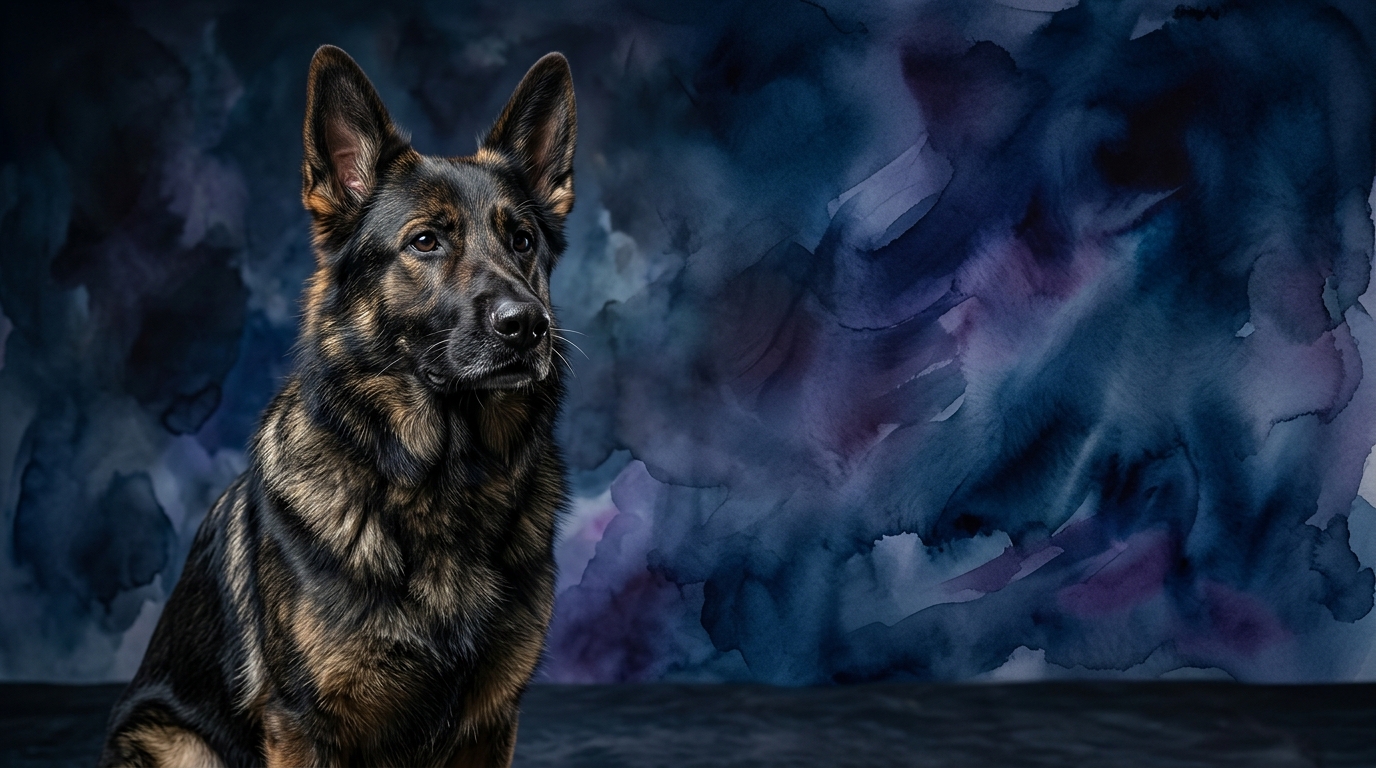
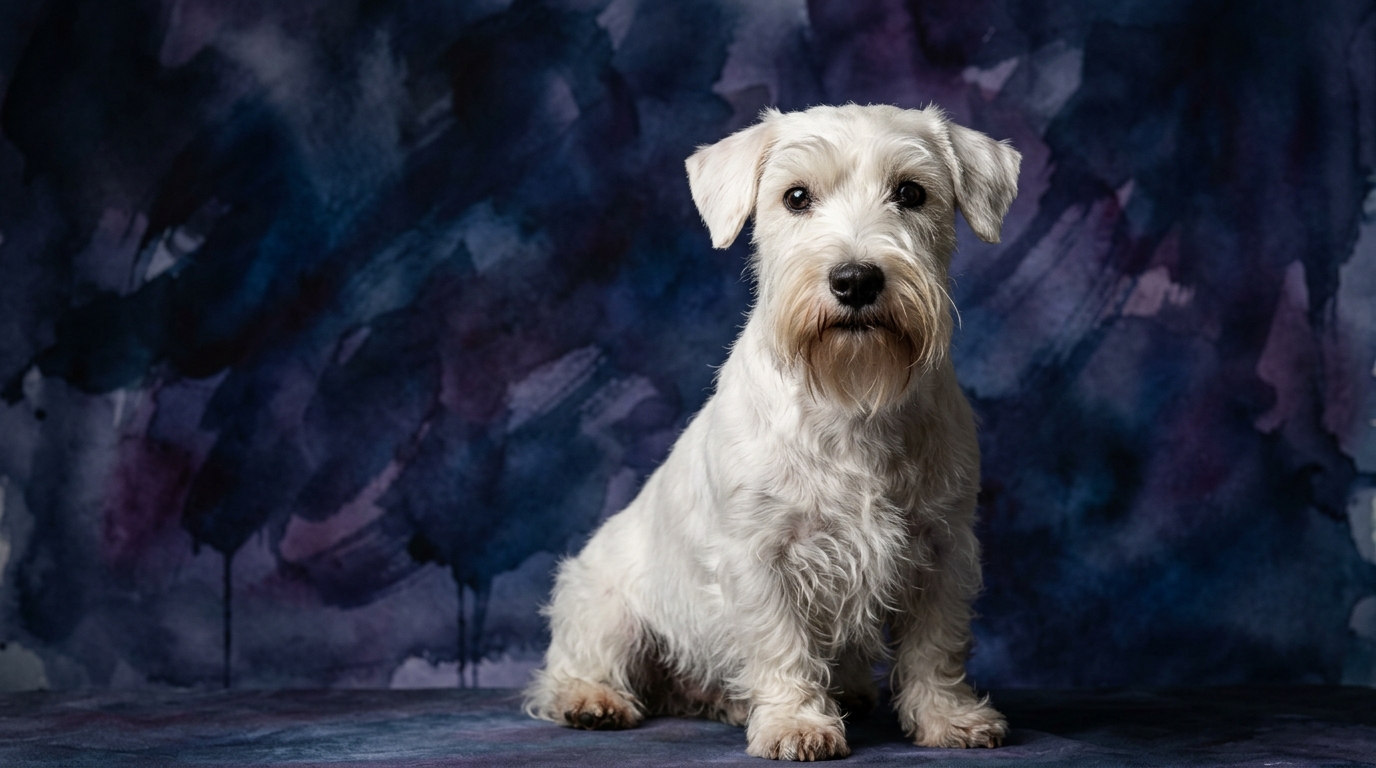
Side-by-Side IQ Profile: German Shepherd vs. Sealyham Terrier
The Cosmic Pet Pet IQ Lab provides a detailed five-dimensional cognitive assessment, offering a nuanced look at each breed’s mental strengths. For the German Shepherd, a breed recognized by Stanley Coren as ranking #3 in working and obedience intelligence, their profile is consistently exceptional. They achieve a 5/5 in Problem Solving, demonstrating an outstanding capacity for analytical thought and strategic planning, quickly assessing novel situations and devising effective solutions. Their Training Speed is also 5/5, meaning they grasp new concepts and commands with remarkable swiftness, often requiring only a few repetitions to solidify a behavior. Social Intelligence stands at 5/5, reflecting their acute ability to interpret human cues, understand social hierarchies, and respond appropriately across various contexts, fostering deep partnerships. Instinctive Drive is a robust 5/5, indicating profound natural instincts for herding, protection, and work that are easily channeled into purposeful tasks. Finally, their Memory is a perfect 5/5, demonstrating strong long-term retention of learned behaviors, commands, and experiences, crucial for reliable, consistent performance.
In contrast, the Sealyham Terrier, while not Coren-ranked, presents a distinct cognitive signature from The Cosmic Pet Pet IQ Lab, with consistent scores of 3/5 across all five dimensions. Their Problem Solving at 3/5 signifies a tenacious, independent approach to challenges, often relying on persistence and inherent terrier grit rather than seeking the fastest route. Training Speed, also 3/5, indicates that learning for a Sealyham typically requires more patience and consistency; new concepts may take more repetitions and creative motivation to embed firmly, reflecting their independent streak. Social Intelligence at 3/5 suggests they are observant but often filter social cues through their self-assured terrier lens, understanding family dynamics but potentially less nuanced in broader interactions. Instinctive Drive, rated 3/5, revolves primarily around their terrier heritage – hunting small prey and digging – drives that are potent but often more self-directed and less easily channeled into complex, handler-oriented tasks. Lastly, their Memory at 3/5 means they possess functional retention for important routines and established commands, though recall might be more selective or require stronger reinforcement than breeds with exceptional memory recall for intricate sequences.
Where the German Shepherd Excels Cognitively
The German Shepherd's cognitive profile, with its perfect 5/5 scores across all dimensions, paints a picture of unparalleled mental agility and work ethic. Their superior problem-solving allows them to grasp multi-step commands and adapt strategies on the fly, making them exceptional candidates for complex tasks like search and rescue or assistance work. The rapid training speed means they internalize new behaviors with minimal repetition, freeing up time for advanced skill development and intricate skill sets. Their acute social intelligence enables them to read subtle human body language and vocal cues, fostering a deep, intuitive partnership based on mutual understanding. Furthermore, their powerful instinctive drives are not just strong but highly malleable, readily channeled into purposeful activities under direction, from intricate obedience routines to protective duties. This consistent, robust cognitive framework means a German Shepherd approaches any mental challenge with a ready, capable mind, prepared to learn, adapt, and execute with precision and reliability.
Where the Sealyham Terrier Shines Cognitively
While the Sealyham Terrier's 3/5 scores might suggest a less complex cognitive make-up than the German Shepherd, it's crucial to understand these scores in the context of their breed purpose and inherent strengths. The Sealyham 'wins' in areas that demand independent thought, tenacity, and a focused, unyielding drive to achieve their own objectives, often despite immediate handler input. Their problem-solving, rated 3/5, is characterized by a persistent, often individualistic approach, where they will methodically work through an issue using their innate terrier ingenuity, like figuring out how to access a hidden toy or dig under a fence. This isn't about rapid, handler-directed solutions, but about determined self-reliance. Their instinctive drive (3/5) is intensely focused on their quarry, making them exceptional at tasks requiring single-minded pursuit, like scent work for vermin. This independent cognitive style means a Sealyham thrives in environments where their innate boldness and self-sufficiency are valued, rather than constantly seeking direction. They excel at thinking *for themselves*, a distinct cognitive advantage in specific scenarios where self-reliance is paramount.
Training Dynamics: Which is Easier and Why?
The stark contrast in their training speed scores (German Shepherd 5/5 vs. Sealyham Terrier 3/5) directly translates into significant differences in the training experience. German Shepherds are inherently eager to please, possess a strong desire for partnership, and process information swiftly. They quickly form associations between commands and actions, often needing only a handful of repetitions to understand and reliably perform a new behavior. This makes them highly responsive to positive reinforcement and allows for rapid progression through training levels, from basic obedience to advanced specialized tasks, often delighting in the challenge of learning new things.
Conversely, the Sealyham Terrier's 3/5 training speed is indicative of a more independent learner. While capable of learning, they require more patience, consistency, and often, more creative motivational techniques. Their terrier nature means they might question the necessity of a command or prefer to pursue their own interests rather than immediately comply, often requiring the trainer to be more engaging and persistent to overcome their inherent self-determination. For someone seeking a dog that absorbs commands almost effortlessly and thrives on structured learning, the German Shepherd is unequivocally the easier choice. For those who enjoy the challenge of motivating a self-reliant thinker and celebrating small victories born of perseverance, the Sealyham offers a different, equally rewarding journey.
Matching Cognitive Profiles to Owner Lifestyles
Matching a dog's cognitive profile with an owner's lifestyle is crucial for a harmonious household. The German Shepherd, with 5/5 scores across the board, is ideally suited for active owners who relish mental and physical engagement. Their profound problem-solving abilities and strong instinctive drives demand consistent outlets for their intellect and energy. Owners who enjoy structured training, dog sports like agility or obedience, or even practical work like search and rescue, will find the German Shepherd a willing and capable partner. A German Shepherd with insufficient mental stimulation can become bored and destructive, channeling their immense cognitive capacity into unwanted behaviors, requiring an owner capable of meeting high demands.
In contrast, the Sealyham Terrier, with its 3/5 scores, can suit a wider range of lifestyles, though 'relaxed' should not imply 'inactive.' While they don't demand the same intensity of structured cognitive work as a German Shepherd, they still require regular physical exercise and opportunities to engage their terrier instincts, such as exploring secure outdoor spaces or engaging in scent games. A Sealyham can be content with daily walks and interactive play, but they still benefit from consistent, albeit less intense, mental challenges that appeal to their independent spirit. They are less likely to unravel from a single missed training session, making them a more forgiving companion for owners whose schedules might fluctuate. For owners seeking a dog that can thrive in a highly structured, demanding environment, the German Shepherd is the clear choice. For those desiring a more independent companion who still appreciates engagement but doesn't require constant, intense mental work, the Sealyham Terrier offers a fulfilling partnership.
The Verdict
Choose a German Shepherd if you are an active, dedicated owner seeking a highly responsive, versatile partner eager to engage in complex training, demanding work, or competitive dog sports. Their exceptional cognitive abilities thrive with consistent mental and physical challenges.
Opt for a Sealyham Terrier if you appreciate an independent, tenacious companion with a charmingly self-assured personality, willing to engage in moderate activity and enjoy a less rigid training approach. They suit owners who value spirit and determination over immediate, perfect compliance.
🧠 Find Your Pet's IQ Score
Our Pet IQ Lab assessment covers 25+ tests across 5 cognitive dimensions — personalized to your breed.
Take the Full IQ Test →Frequently Asked Questions
Do Sealyham Terriers need less mental stimulation than German Shepherds?
Sealyham Terriers generally require less *structured, handler-directed* mental stimulation compared to German Shepherds, whose 5/5 problem-solving and drive demand constant engagement. However, Sealyhams still need opportunities to exercise their independent terrier intellect through exploration, scent work, or puzzle toys to prevent boredom.
Can a Sealyham Terrier be trained for complex tasks like a German Shepherd?
While Sealyham Terriers can learn a wide array of commands, their 3/5 training speed and independent nature mean they typically require more repetitions and unique motivation than a German Shepherd. They might not achieve the same level of precision or rapid adaptability for highly complex, multi-stage tasks that German Shepherds excel at.
Which breed is better for first-time dog owners interested in training?
For first-time dog owners primarily interested in ease of training and rapid progress, the German Shepherd's 5/5 training speed and eagerness to please make them a more straightforward choice. Sealyham Terriers, with their 3/5 training speed and independent streak, can present more challenges, requiring a patient and consistent approach.