Pet IQ Lab: A Side-by-Side Cognitive Profile
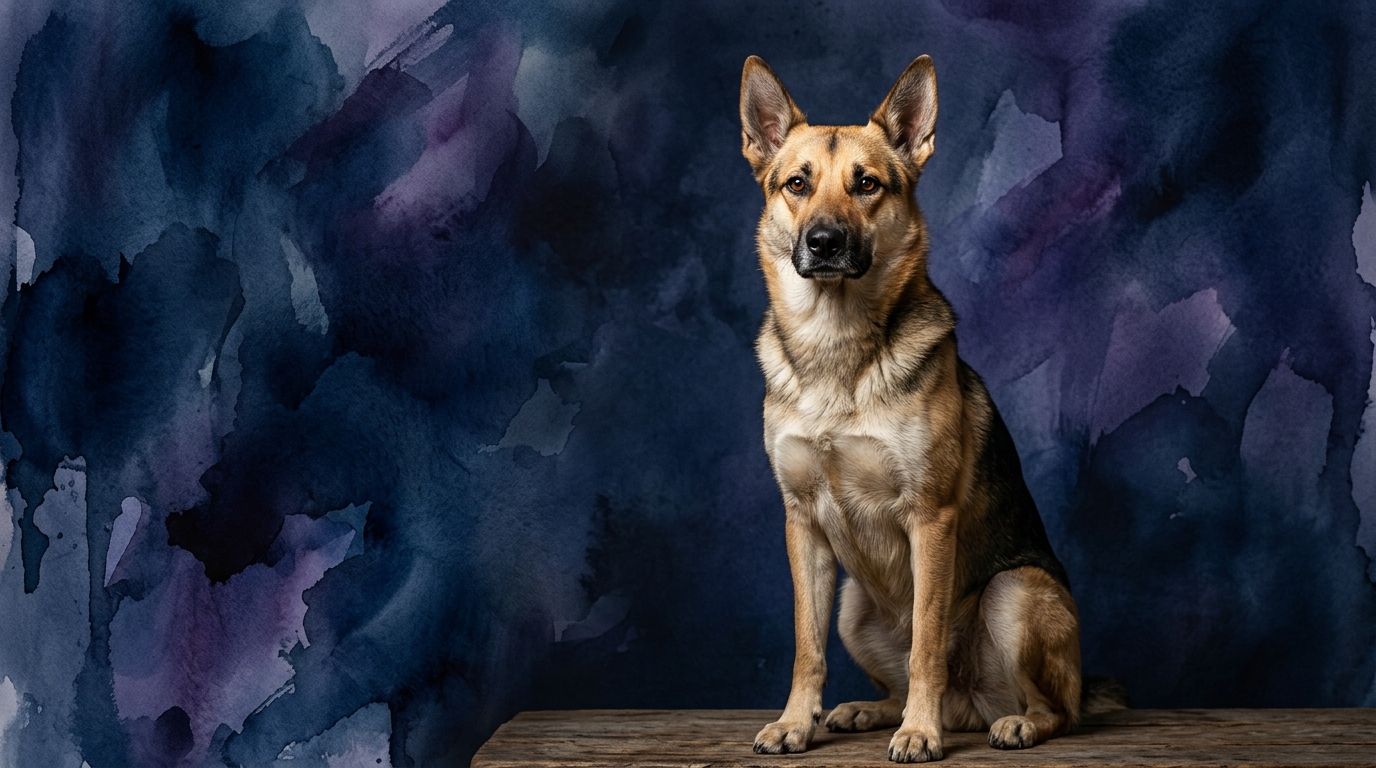
The Canaan Dog, an ancient breed originating from the Middle East, holds a notable Coren rank of #43, a testament to its adaptive intelligence as a desert survivalist and livestock guardian. This breed's cognitive architecture reflects its history of independent decision-making and self-reliance, rather than strict human direction. They are observant, often assessing situations before acting, a trait that informs their specific scores across our IQ dimensions.
Their Problem Solving ability, rated at 3/5, indicates a capacity for independent thought and finding solutions, though these might not always align with human expectations of 'obedience.' Training Speed, also 3/5, suggests they learn new commands, but their independent streak means consistency and motivation are key to solidifying behaviors. Social Intelligence at 3/5 means they are aware of their environment and social cues, but tend to be reserved rather than overtly eager to please. Instinctive Drive, 3/5, manifests as strong territorial and guarding behaviors. Crucially, their Memory stands out at 4/5, indicating an excellent ability to recall past experiences and learned associations, both positive and negative, which profoundly impacts their training and behavior.
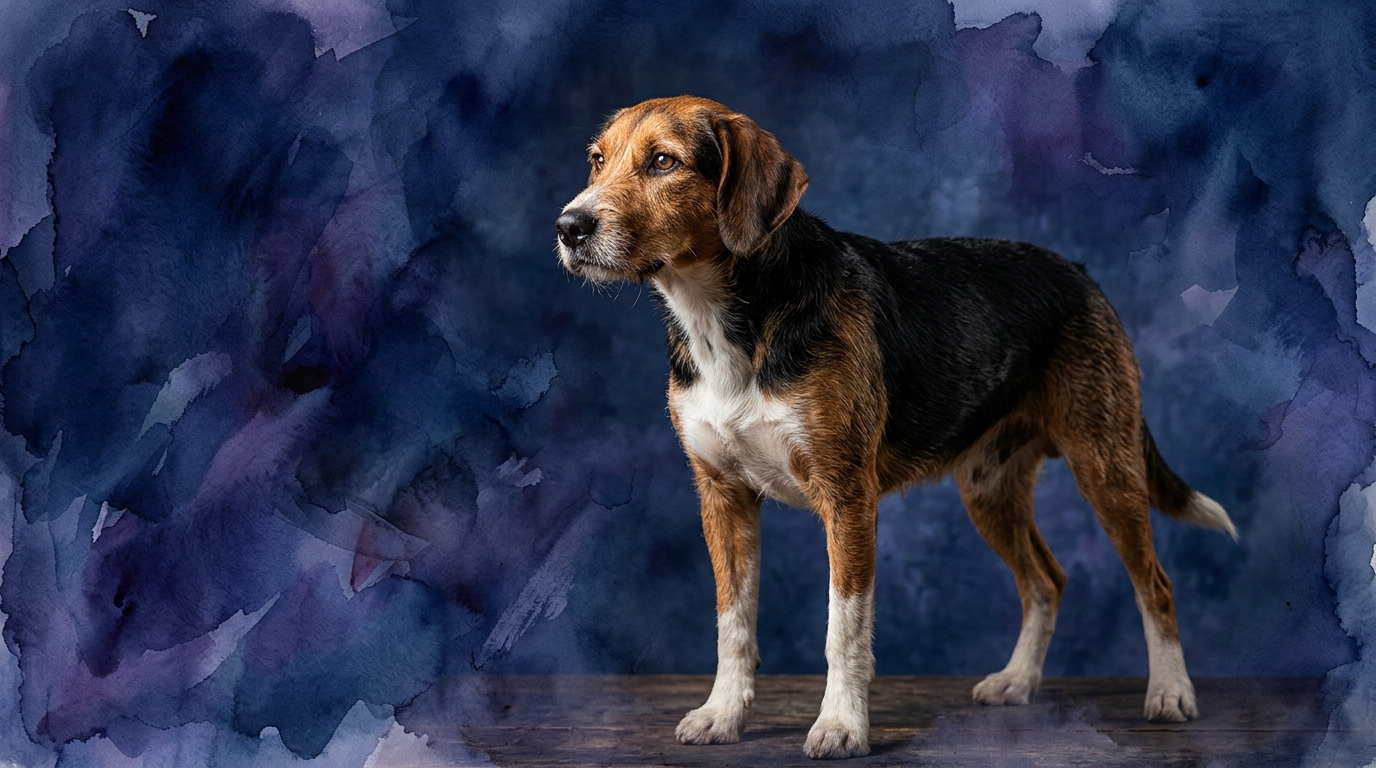
The Harrier, a robust and energetic scent hound, lacks a Coren ranking, typical for breeds whose primary intelligence is hyper-focused on a specific task – in this case, tracking scent trails. Their cognitive profile is deeply rooted in their history as pack hunters, requiring immense stamina, focus, and cooperation in the pursuit of game. This specialization means their intelligence is often expressed differently from breeds bred for general obedience or companionship.
Like the Canaan Dog, the Harrier scores 3/5 in Problem Solving, but their approach is often through persistent, scent-driven investigation rather than broad situational analysis. Their Training Speed, also 3/5, reflects their capacity to learn, yet their formidable instinctive drive (3/5), overwhelmingly focused on scent, frequently competes with human directives, making training a patient endeavor. Social Intelligence, rated 3/5, highlights their pack-oriented nature, enjoying canine and human company, though they may be less attuned to subtle human nuances compared to more companion-focused breeds. Their Memory, at 3/5, is proficient for remembering scent lines and basic commands, but can be overshadowed by the immediate sensory input of a compelling new trail.
Where the Canaan Dog's Cognition Shines
The Canaan Dog's superior Memory, rated 4/5 compared to the Harrier's 3/5, provides a distinct cognitive advantage in retaining complex sequences and long-term associations. This means a Canaan Dog can often remember specific training cues, routines, and past interactions with greater precision over extended periods, making them less prone to 'forgetting' previously learned lessons, though their willingness to perform might vary. Furthermore, their historical role as a landrace required a broader, more adaptive problem-solving skill set than a specialized hunter. They often excel at independently assessing novel situations and devising their own solutions to environmental challenges, such as finding a way around an obstacle or alerting to unusual activity without direct command. This self-reliance, while sometimes interpreted as stubbornness, is a significant cognitive strength for navigating complex and unpredictable environments.
Where the Harrier's Cognition Excels
The Harrier's cognitive strengths are undeniably rooted in its specialized sensory intelligence and unparalleled persistence, particularly in scent-driven tasks. While both breeds score 3/5 in Problem Solving, the Harrier's expression of this is a relentless, focused drive to follow a scent trail to its conclusion. This isn't just about smell; it's a sophisticated cognitive process involving discrimination, tracking, and memory specific to olfactory inputs. Their ability to maintain focus on a single, compelling scent for hours, filtering out countless other distractions, represents a profound cognitive feat. Additionally, their pack-hunting heritage imbues them with a natural aptitude for cooperative work with other dogs, a form of social intelligence that is distinct from the Canaan Dog's more independent social interactions. This capacity for synchronized effort within a group is a hallmark of their breed-specific intelligence, facilitating efficient teamwork during hunts.
Training Dynamics: Independence vs. Instinct
When comparing ease of training, the nuanced differences in their cognitive profiles become particularly apparent. The Canaan Dog, despite its Coren rank of #43 and strong memory (4/5), presents a unique training challenge due to its independent nature and problem-solving (3/5) tendencies. They are capable of learning quickly, but their innate self-reliance means they often 'think' about commands rather than simply executing them. They might question the necessity of a command or offer an alternative behavior if they perceive it as more logical. Training a Canaan Dog requires patience, fairness, and a deep understanding of their independent spirit, focusing on building a respectful partnership rather than demanding blind obedience. Their training speed (3/5) is good, but their social intelligence (3/5) doesn't always translate to an eagerness to please, requiring highly engaging and rewarding methods to maintain motivation. In contrast, the Harrier, though also scoring 3/5 in training speed, faces a different hurdle: its overwhelming instinctive drive (3/5) for scent work. A Harrier on a scent trail is notoriously difficult to recall or redirect, as their cognitive focus becomes singularly dedicated to the chase. Their memory (3/5) is sufficient for basic commands, but these are often overridden by the sheer power of their nose. Training a Harrier demands an owner who can consistently out-compete the allure of the environment, utilizing high-value rewards, engaging games, and a deep understanding of their hound nature. While not 'stubborn' in the Canaan Dog's sense, their drive can make them appear unresponsive to commands if the environment offers a more compelling sensory experience. Therefore, while both require commitment, the Canaan Dog demands a trainer who respects their intellect and independence, whereas the Harrier requires a trainer who can effectively manage and redirect a powerful, intrinsic drive.
Matching Breeds to Lifestyles: Active vs. Relaxed Owners
For owners considering a Canaan Dog, an active lifestyle is highly recommended, though their activity needs are balanced with mental engagement rather than relentless physical output alone. These dogs thrive with owners who can provide consistent mental stimulation, varied experiences, and opportunities to exercise their problem-solving skills, perhaps through advanced obedience, agility, or scent work that challenges their intellect. While they possess stamina, they are not hyperactive; their energy needs are often met with structured walks, secure off-leash areas, and indoor puzzle games. A Canaan Dog appreciates a confident, experienced owner who provides clear boundaries and understands their independent, sometimes reserved, social intelligence (3/5). They are not suited for truly relaxed owners who prefer a sedentary companion, as their intelligence and guarding instincts (instinctive drive 3/5) necessitate engagement and purpose to prevent boredom and potential behavioral issues. Conversely, the Harrier is unequivocally a breed for very active owners. Their strong instinctive drive (3/5) and boundless energy, coupled with their pack-hound heritage, demand extensive daily exercise that goes beyond a simple walk around the block. Harriers excel in environments where they can run, explore, and most importantly, use their powerful nose. Owners who enjoy activities like hiking, running, or dog sports that leverage their scenting abilities will find a Harrier a fulfilling companion. A relaxed owner would quickly find themselves overwhelmed by a Harrier's unchanneled energy, vocal tendencies, and persistent desire to follow a trail, potentially leading to destructive behaviors or escape attempts. Their social intelligence (3/5), while pack-oriented, means they thrive on consistent interaction and activity rather than quiet contemplation.
The Verdict
For individuals seeking a thoughtful, independent canine companion who will form a deep, respectful bond on their own terms, appreciates mental challenges, and offers protective instincts, the Canaan Dog is an excellent choice. They suit owners who value a dog's self-reliance and are prepared to engage their intellect with consistent, fair training.
The Harrier is best suited for highly active owners who embrace a scent-driven lifestyle, enjoy the boisterous energy of a pack hound, and are committed to consistent, engaging training to channel their formidable instinctive drives. They thrive with individuals who can provide ample physical exercise and opportunities for their nose to work.
🧠 Find Your Pet's IQ Score
Our Pet IQ Lab assessment covers 25+ tests across 5 cognitive dimensions — personalized to your breed.
Take the Full IQ Test →Frequently Asked Questions
Are Canaan Dogs generally good with children and other pets?
Canaan Dogs can be good with children and other pets if properly socialized from a young age, especially given their 3/5 social intelligence score. However, their guarding instincts and independent nature mean they may prefer older, respectful children and require careful introductions to other animals.
How much exercise does a Harrier typically need each day?
A Harrier requires a substantial amount of daily exercise, often 1-2 hours of vigorous activity, beyond just a casual walk. Their strong instinctive drive and stamina mean they thrive with opportunities for running, long hikes, or engaging in scent-based activities to satisfy their breed-specific needs.
Do Canaan Dogs tend to be vocal like the Harrier?
Canaan Dogs can be vocal, primarily using barking to alert to perceived threats or strangers due to their guarding instincts, but generally not with the same persistent baying or howling characteristic of a Harrier. Their vocalization is typically more purposeful and less continuous than a scent hound's.