
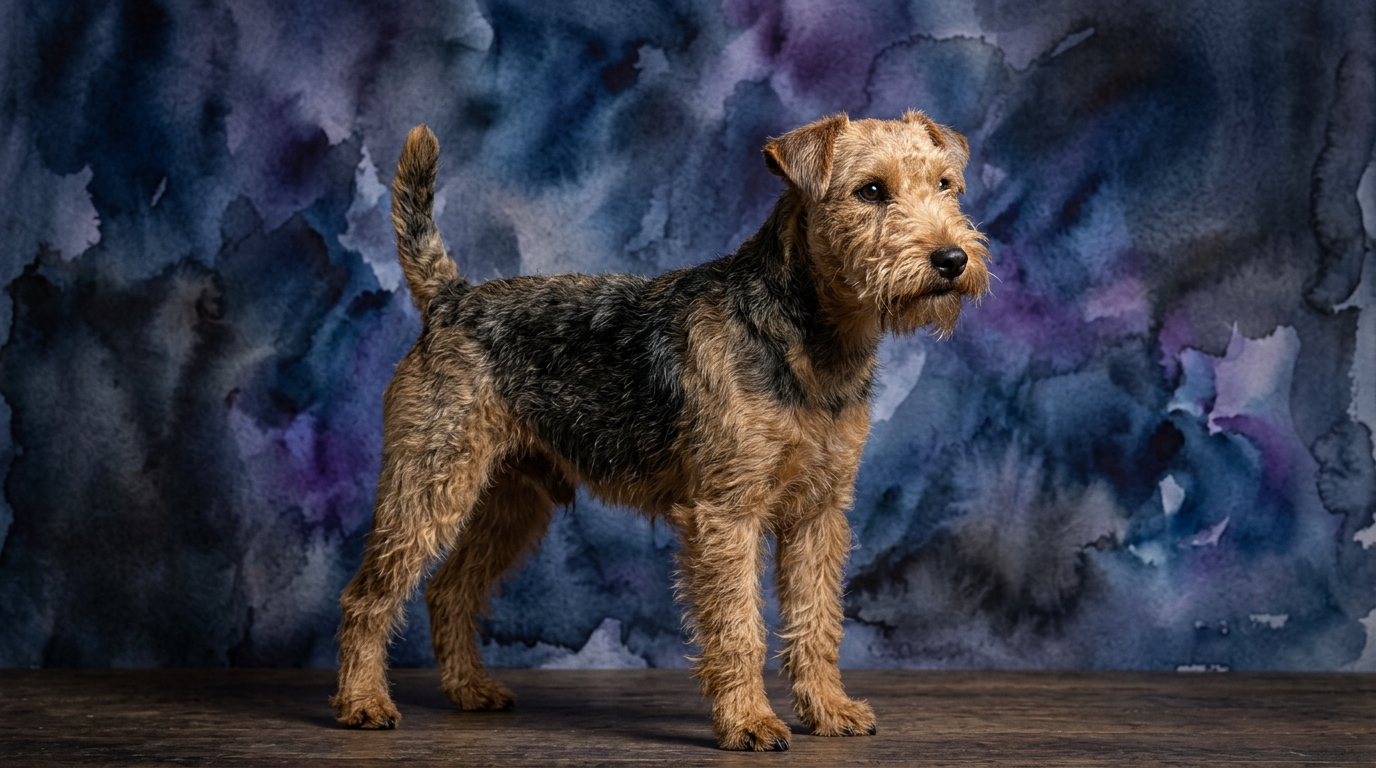
Side-by-Side Cognitive Profiles: Herder vs. Terrier Mindsets
Both the Canaan Dog and the Lakeland Terrier register a 3/5 in problem-solving ability, indicating a moderate capacity to navigate challenges. For the Canaan Dog, this often manifests in strategic thinking related to navigating complex environments or managing a flock, requiring spatial awareness and adaptability. The Lakeland Terrier, however, typically applies its problem-solving acumen to tasks like outsmarting prey or uncovering hidden objects, demonstrating a focused, persistent approach to achieving its goals.
In terms of training speed, both breeds score 3/5, suggesting they are receptive to learning but not instantaneous in their grasp of new concepts. The Canaan Dog, with its herding heritage, often responds well to clear direction and a sense of purpose in training, thriving on collaborative tasks. Lakeland Terriers can be quick to grasp concepts but might require more motivation and creative methods to execute commands consistently, especially if they perceive a task as lacking immediate reward or relevance to their inherent drives.
A social intelligence score of 3/5 for both breeds indicates a moderate capacity to interpret human cues and social dynamics. The Canaan Dog, having evolved alongside nomadic tribes, can form deep bonds and understand subtle handler signals, though its independence means it won't be overly fawning. The Lakeland Terrier, while affectionate with its family, often exhibits a more self-assured social presence, interpreting its environment and human interactions with a degree of independent judgment rather than constant deference.
The instinctive drive for both breeds is rated at 3/5, but the nature of these drives diverges significantly based on their breed functions. The Canaan Dog's drive is rooted in guarding and herding, manifesting as vigilance, territoriality, and a desire to keep its 'flock' (family) together and safe. The Lakeland Terrier's drive is undeniably predatory, focused on chasing, digging, and flushing small game, requiring appropriate outlets for this intense, task-oriented energy.
Here lies a distinct cognitive difference: the Canaan Dog exhibits a superior memory score of 4/5, compared to the Lakeland Terrier's 3/5. This higher memory allows the Canaan Dog to retain complex sequences of commands, remember locations, and recall past experiences with greater precision and for longer durations. The Lakeland Terrier, while certainly capable of remembering, tends to have a slightly less robust recall, often prioritizing immediate sensory input or its current objective over past instructions if not consistently reinforced.
Where the Canaan Dog's Cognition Shines
The Canaan Dog's most notable cognitive advantage lies in its superior memory (4/5). This translates into a remarkable ability to recall training cues, remember faces and places over long periods, and follow multi-step commands once learned, making advanced training more accessible. This heightened memory also supports its herding instincts, enabling it to remember flock patterns or patrol routes with impressive detail. Furthermore, its inherent vigilance and protective instincts, stemming from its primitive origins and herding role, mean it's exceptionally attuned to its environment, processing changes and potential threats with accuracy and speed, making it an astute guardian. This cognitive strength, combined with its independent problem-solving (3/5), allows it to make sound judgments without constant human intervention, a trait honed by centuries of self-reliance in harsh environments.
Unpacking the Lakeland Terrier's Unique Cognitive Strengths
While the Lakeland Terrier shares similar numerical scores in many cognitive dimensions, its 'wins' are rooted in the application of those traits through its terrier tenacity and focused drive. Its instinctive drive (3/5), though numerically equal to the Canaan Dog's, is channeled into an unwavering determination to pursue and accomplish a task, especially those involving scent work, digging, or 'dispatching' small critters. This persistence, combined with its moderate problem-solving (3/5), means it will often find creative, albeit sometimes stubborn, ways to achieve its goals, whether it's getting to a buried toy or outsmarting a fence line. Their independent social intelligence (3/5) also means they are less prone to 'people-pleasing' and more likely to follow their own cognitive assessment of a situation, which can be an advantage in tasks requiring self-sufficiency and resilience in the face of challenges.
Training Dynamics: Biddability vs. Independent Spirit
When it comes to training, the Canaan Dog, despite its independent streak, often proves easier to guide due to its herding heritage and superior memory. Its social intelligence, while moderate, often aligns with a desire to work alongside its handler, particularly when given a clear 'job' or purpose. They respond well to consistent, positive reinforcement and thrive on tasks that engage both their mind and body, remembering lessons with impressive retention. The Lakeland Terrier, conversely, presents a more challenging training prospect. While its training speed is moderate, its strong instinctive drive and independent spirit mean it often prioritizes its own agenda. Training requires immense patience, creativity, and a deep understanding of terrier motivation, often involving high-value rewards and making training feel like a stimulating game. Their memory (3/5) requires more consistent reinforcement to embed commands deeply, and they are less likely to respond to a command if they perceive a more enticing alternative.
Lifestyle Suitability: Active Engagement vs. Focused Endeavors
For active owners seeking a canine companion that integrates seamlessly into a structured, outdoor-oriented lifestyle, the Canaan Dog often presents a more fitting choice. Their herding background means they thrive on purpose-driven activities like advanced obedience, agility, or even search and rescue, where their memory and observational skills are paramount. They require consistent mental stimulation and physical exercise to prevent boredom and channel their natural vigilance effectively. Conversely, the Lakeland Terrier is better suited for owners who appreciate a dog with a robust, independent personality and can provide outlets for their intense, focused instinctive drives. They excel in activities like earthdog trials, scent work, or vigorous games of fetch that tap into their prey drive and problem-solving skills. While active, their activity often has a more specific, task-oriented flavor, making them ideal for individuals who enjoy engaging in specific dog sports or adventurous outdoor pursuits where their tenacity can shine.
The Verdict
Opt for the Canaan Dog if you value a companion with exceptional memory and a vigilant nature, capable of nuanced independent decision-making and thriving with a clear sense of purpose within a structured family unit.
Select the Lakeland Terrier if you are drawn to a tenacious, independent spirit with a robust problem-solving approach, and are prepared to engage their intense prey drive and provide consistent, engaging mental challenges.
🧠 Find Your Pet's IQ Score
Our Pet IQ Lab assessment covers 25+ tests across 5 cognitive dimensions — personalized to your breed.
Take the Full IQ Test →Frequently Asked Questions
Do Canaan Dogs or Lakeland Terriers adapt better to apartment living?
Neither breed is ideally suited for small apartment living without significant commitment to outdoor activity. Canaan Dogs require ample space to roam and exercise their vigilance, while Lakeland Terriers need frequent, vigorous outlets for their high energy and instinctive drives, making spacious homes with secure yards generally preferred for both.
Which breed is more prone to destructive behaviors if not mentally stimulated?
Both breeds can exhibit destructive behaviors if their cognitive and physical needs are not met, but their manifestations differ. A bored Canaan Dog might become overly vigilant, barking excessively or rearranging household items, while an under-stimulated Lakeland Terrier is more likely to engage in persistent digging, chewing, or chasing behaviors, directly tapping into their strong prey drive.
How do their social intelligence scores of 3/5 impact their interactions with strangers?
A social intelligence score of 3/5 indicates they can read social cues, but their breed instincts heavily influence their response to strangers. The Canaan Dog, being a protective herder, will often be reserved or wary, assessing newcomers carefully. The Lakeland Terrier, while not typically aggressive, might be aloof or indifferent, prioritizing its own interests over engaging with unfamiliar individuals.