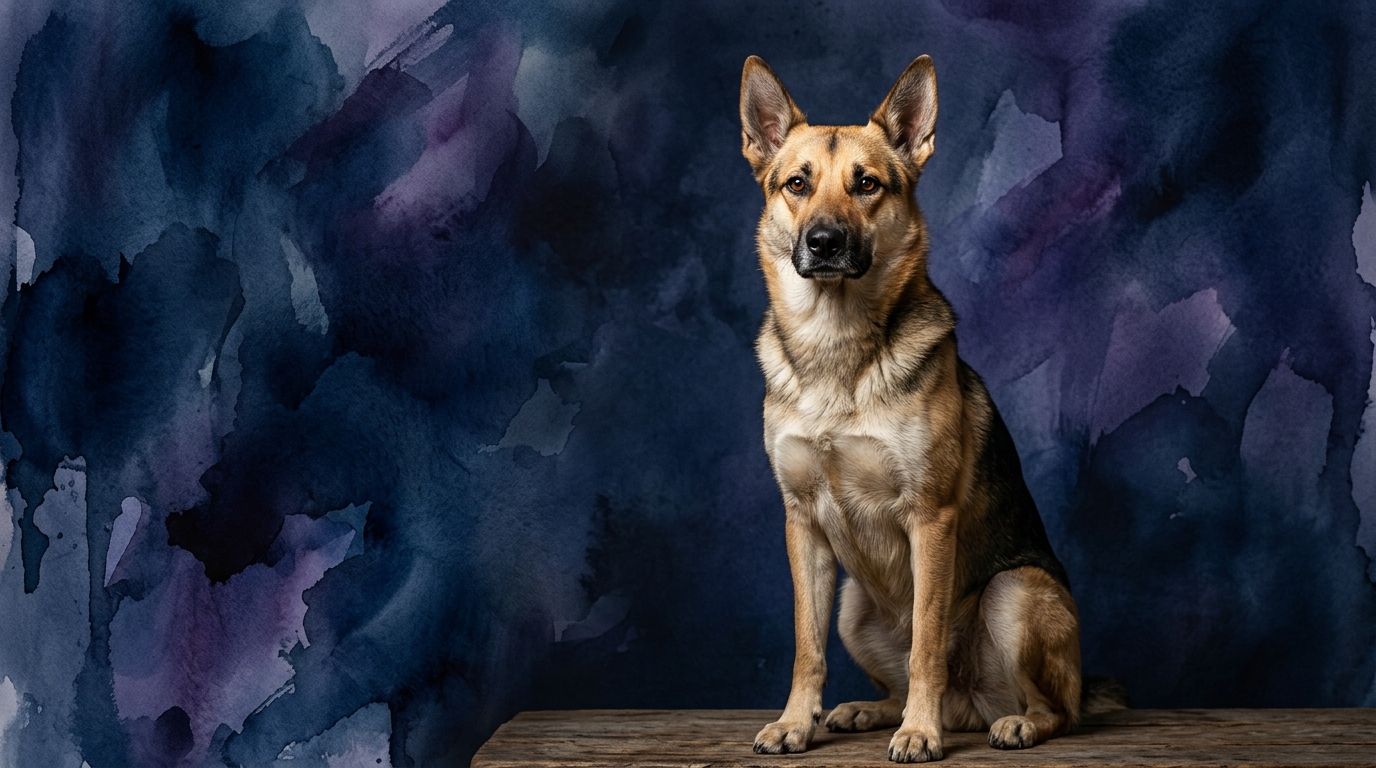
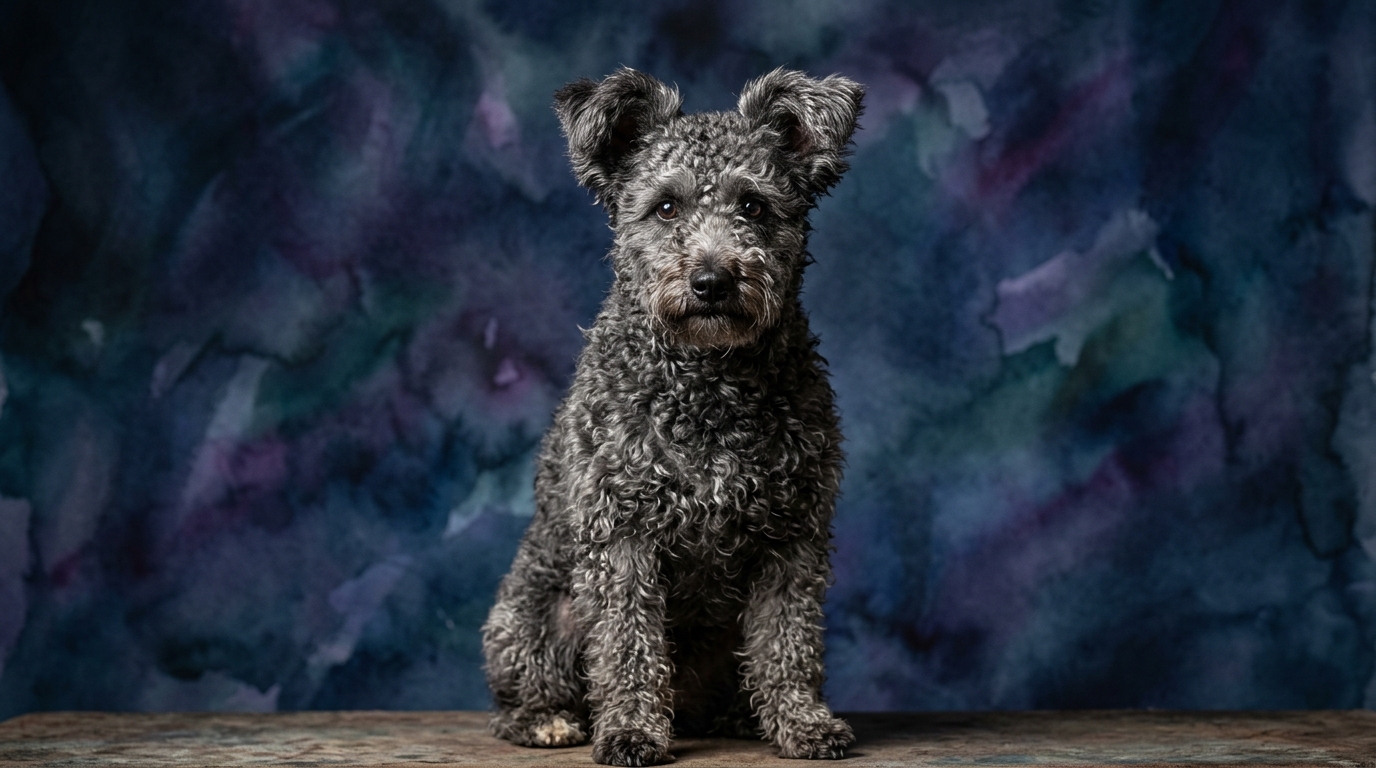
Side-by-Side IQ Profile: Canaan Dog vs. Pumi
The Cosmic Pet Pet IQ Lab employs a five-dimensional framework to assess canine intelligence, moving beyond simple obedience to understand a breed's full cognitive scope. Here's how the Canaan Dog and Pumi measure up:
Canaan Dog (Coren rank #43): Placed within the 'Above Average Working Dog' category by Coren, the Canaan Dog demonstrates a solid capacity for understanding and executing commands. Their Problem Solving is rated 3/5, indicating a moderate ability to independently navigate novel situations, often relying on observation and practical solutions. Training Speed is also 3/5; they learn new commands at a steady pace, requiring consistent, positive reinforcement to engage their independent spirit. Social Intelligence scores 3/5, reflecting their capacity for strong family bonds while maintaining a watchful, reserved demeanor around strangers. Their Instinctive Drive is 3/5, manifesting as a moderate inclination for vigilance and territory management. A standout trait is their Memory at 4/5, signifying a robust ability to retain learned behaviors, routes, and experiences over extended periods.
Pumi (Not Coren-ranked): The Pumi's absence from Coren's list is not an indicator of lesser intelligence, but rather highlights its more recent global recognition and a focus on different working roles. Their Problem Solving is 3/5, similar to the Canaan Dog, often characterized by quick thinking and a persistent, often ingenious, approach to challenges. Training Speed is 3/5; Pumis grasp new tasks efficiently, driven by their intense focus and eagerness to work, though their boundless enthusiasm requires clear guidance. Social Intelligence is 3/5; they form deep connections with their human families, often being quite expressive, but their protective instincts mean they are discerning about newcomers. Their Instinctive Drive is 3/5, showing a strong, focused herding drive for gathering and controlling livestock, translating into a profound need for purposeful activity. Memory scores 3/5, indicating a solid ability to recall commands and routines reliably for daily tasks.
Where the Canaan Dog Wins Cognitively
The Canaan Dog's cognitive edge primarily resides in its superior memory, scoring a 4/5 compared to the Pumi's 3/5. This enhanced recall means they are exceptionally adept at retaining complex sequences of commands, remembering routes, or recalling specific past experiences with remarkable accuracy. Once a Canaan Dog masters a task or learns a routine, it is likely etched into their cognitive map for the long haul, requiring less frequent refreshers than a dog with a lower memory score. This translates into a more reliable performance in established roles and a deeper understanding of long-term expectations. Furthermore, its Coren ranking at #43 signifies a specific type of working intelligence, highlighting its capacity for understanding and executing human commands within a structured context, often with a more independent interpretation than some highly biddable breeds. This cognitive strength allows them to operate effectively in roles requiring consistent, self-reliant application of learned knowledge.
Where the Pumi Wins Cognitively
While not outscoring the Canaan Dog in any specific dimension, the Pumi's cognitive profile is characterized by an intense, focused energy that translates into a distinct advantage in specific scenarios. Their problem-solving (3/5) and instinctive drive (3/5) are expressed through a relentless enthusiasm and quick, agile thinking, particularly in dynamic, fast-paced environments. The Pumi's 'bark and rush' herding style exemplifies a breed that thinks on its feet, making rapid decisions and adapting instantly to changing situations. This quick-wittedness, combined with their strong desire for engagement, means they excel in activities requiring sustained focus and immediate reactions, such as agility, flyball, or complex herding tasks. Their cognitive strength lies in their ability to channel their considerable energy and focus into purposeful work, often demonstrating a zestful determination that can make them appear exceptionally sharp and responsive in the moment.
Which Is Easier to Train and Why?
Both breeds score 3/5 in training speed, suggesting they learn at a comparable pace, but their underlying behavioral tendencies create different training experiences. The Canaan Dog's independent nature means they can be discerning about what they choose to learn or when to comply. They require a trainer who understands their need for clear communication and respects their self-assured temperament. Their higher memory (4/5) means that once they grasp a concept, it’s likely to stick, making retraining less frequent. However, initial motivation and consistency are paramount to overcome their inherent independence.
In contrast, the Pumi's intense focus and high energy make them eager participants in training sessions, often approaching new commands with zest. Their persistent nature, however, means they can be relentless if not given clear boundaries or enough mental stimulation. While they learn quickly, their boundless enthusiasm needs careful channeling to prevent over-excitement or a tendency to 'push' limits. Therefore, neither is inherently 'easier,' but the Canaan Dog benefits from patience and understanding of its self-reliance, while the Pumi thrives on consistent, engaging sessions that manage its robust drive.
Suitability for Active vs. Relaxed Owners
Neither the Canaan Dog nor the Pumi are suited for truly 'relaxed' owners who prefer minimal daily activity. Both are herding breeds with inherent needs for physical and mental engagement. However, there are nuances. The Pumi, with its intense focus, quick reflexes, and boundless energy, is an ideal match for highly active owners who are committed to dog sports like agility, flyball, or advanced obedience, or who have real working roles for them. They thrive on structured activity that channels their persistent drive and quick-wittedness. A Pumi whose needs are unmet can become restless or destructive, using their problem-solving skills to create their own entertainment.
The Canaan Dog, while also active and requiring substantial exercise, possesses a more independent and watchful temperament. They enjoy long walks, hikes, and mentally stimulating tasks, but their activity might be less frantic or constantly 'on' compared to a Pumi. They can adapt to a slightly more varied routine, provided their core needs for exploration and mental engagement are met. An owner who appreciates a vigilant, self-reliant companion for outdoor adventures, but perhaps not daily competitive sports, might find the Canaan Dog a better fit.
The Verdict
Choose the Canaan Dog if you appreciate a self-reliant companion with exceptional memory and a thoughtful approach to tasks, valuing a dog that excels with consistent, clear guidance and enjoys a watchful, independent presence.
Opt for the Pumi if you seek an intensely focused, energetic partner for dog sports or active work, thriving on constant engagement, quick decision-making, and a persistent drive for purposeful activity.
🧠 Find Your Pet's IQ Score
Our Pet IQ Lab assessment covers 25+ tests across 5 cognitive dimensions — personalized to your breed.
Take the Full IQ Test →Frequently Asked Questions
Do Canaan Dogs or Pumis make good family pets?
Both can be excellent family pets with proper socialization and training from a young age. Canaan Dogs bond deeply with their families but can be reserved with strangers. Pumis are typically outgoing with their family but also possess protective instincts that require careful management around new people.
How much exercise do these breeds need daily?
Both breeds require substantial daily exercise. Pumis need at least 60-90 minutes of vigorous activity, often benefiting from dog sports or active jobs. Canaan Dogs also need 60+ minutes of brisk walks, hikes, or mentally stimulating play to satisfy their herding and independent nature.
Are Canaan Dogs or Pumis prone to specific behavioral challenges?
Canaan Dogs can exhibit independence and wariness towards strangers if not well-socialized, sometimes leading to territorial barking. Pumis, due to their high energy and strong herding drive, can become overly vocal, prone to nipping at heels, or destructive if not adequately stimulated mentally and physically.