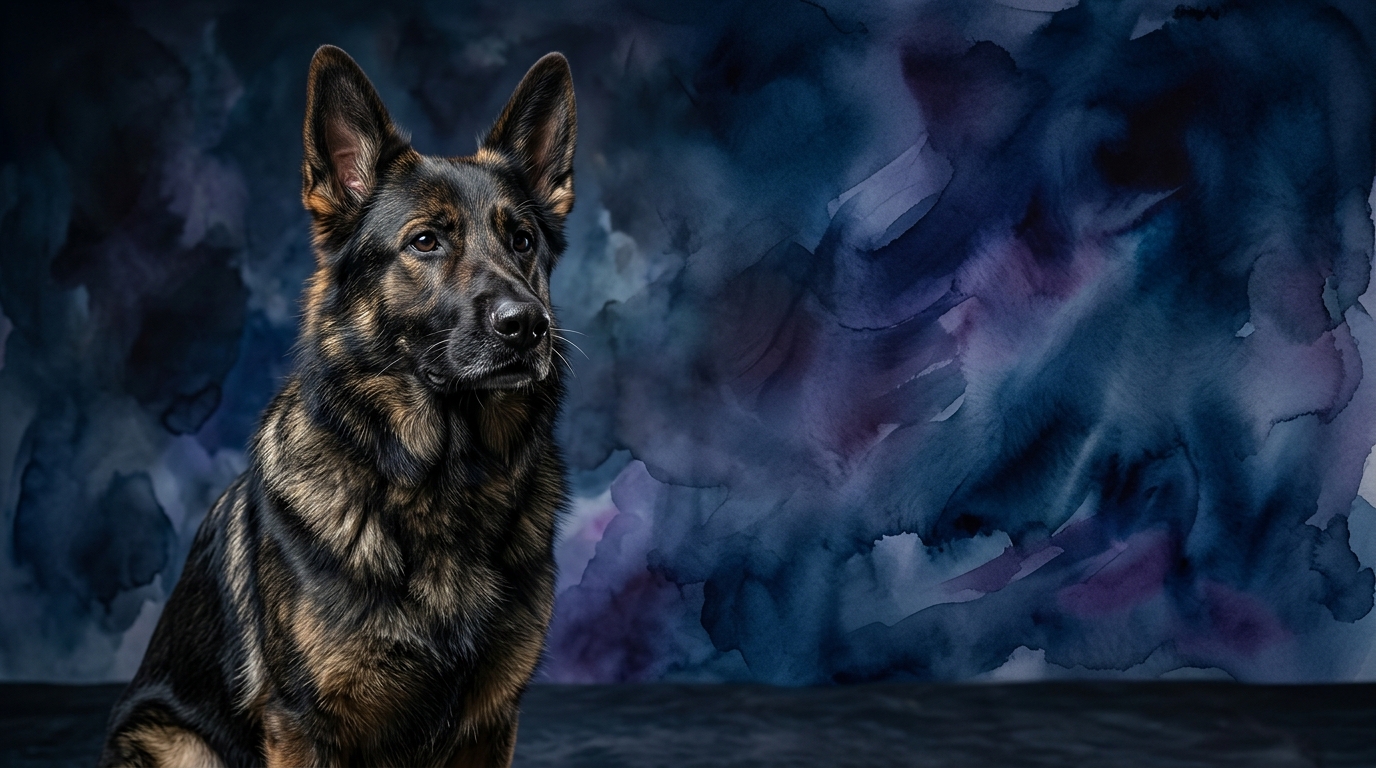
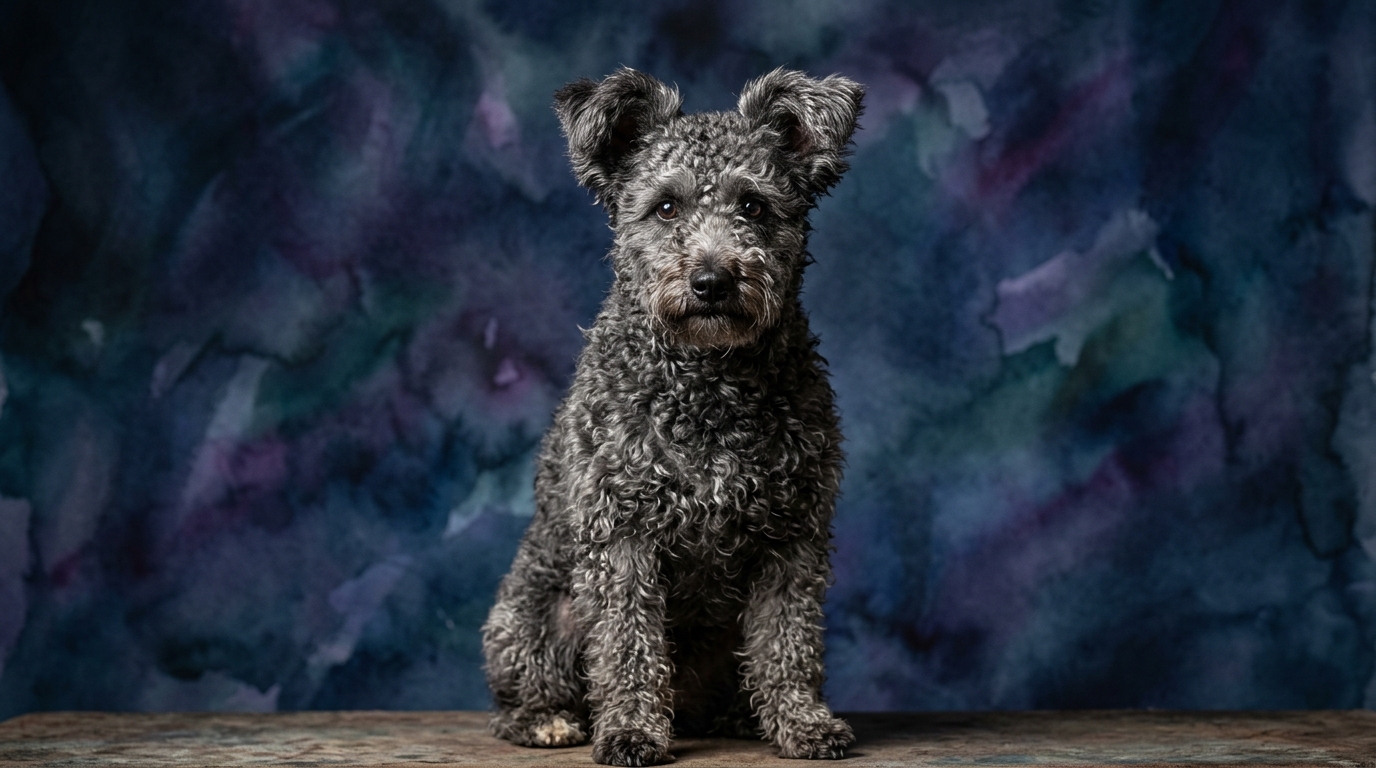
Side-by-Side IQ Profile: German Shepherd vs. Pumi
The Cosmic Pet Pet IQ Lab employs a comprehensive framework to assess canine intelligence, evaluating problem-solving, training speed, social intelligence, instinctive drive, and memory. For the German Shepherd, a breed frequently associated with demanding roles, these scores reflect an exceptional cognitive toolkit: Problem Solving 5/5, Training Speed 5/5, Social Intelligence 5/5, Instinctive Drive 5/5, and Memory 5/5. This breed's high Coren rank of #3 further underscores its capacity for complex thought and rapid learning.
In contrast, the Pumi, while a capable and agile herding dog, presents a different cognitive profile. With scores of Problem Solving 3/5, Training Speed 3/5, Social Intelligence 3/5, Instinctive Drive 3/5, and Memory 3/5, the Pumi demonstrates solid, functional intelligence without the intense specialization seen in the German Shepherd. This breed is not Coren-ranked, which does not diminish its inherent capabilities but rather indicates a different emphasis in its cognitive strengths and working style. Understanding these nuanced differences is key to appreciating each breed's unique intellectual charm.
Where the German Shepherd Excels Cognitively
The German Shepherd's uniform 5/5 scores across all IQ dimensions highlight its remarkable cognitive prowess. Their problem-solving ability is exceptional, enabling them to analyze complex situations and devise effective solutions, whether it's navigating an intricate agility course or understanding the mechanics of a new puzzle toy. This capacity extends to their impressive memory, allowing them to retain vast repertoires of commands, routines, and experiences over long periods, making them reliable partners in highly structured environments.
Their 5/5 social intelligence means German Shepherds are profoundly attuned to human communication, picking up on subtle cues, emotional states, and intentions with remarkable accuracy. This deep understanding, combined with their potent instinctive drive for tasks like protection or herding, fuels their unwavering focus and dedication. They exhibit cognitive endurance, maintaining high levels of concentration and performance through extended, demanding activities, which is a significant advantage in specialized working roles requiring sustained mental effort.
Distinct Cognitive Strengths of the Pumi
While the Pumi's 3/5 scores may suggest a less intense cognitive profile than the German Shepherd, these ratings reflect a different, equally valuable set of intellectual strengths. Their 3/5 problem-solving ability means they are adept at handling everyday challenges and adapting to new situations, often employing a clever, exploratory approach rather than brute-force analysis. This can manifest as an engaging curiosity and a willingness to try different tactics, even if it takes a few more attempts to find a solution.
The Pumi's moderate instinctive drive (3/5) allows for a balanced approach to life; they are enthusiastic and active but less prone to the intense, single-minded focus that can sometimes lead to obsessive behaviors in more driven breeds if not properly channeled. Their social intelligence, while not as nuanced as a German Shepherd's, is characterized by a charming directness and adaptability. They understand basic human intentions and moods, fostering a clear, affectionate bond without requiring constant, deep emotional interpretation. This balance often results in a dog that is both engaged and independently capable.
Ease of Training: Behavioral Differences in Action
The German Shepherd's 5/5 training speed and memory make them exceptionally receptive to instruction. They acquire new commands and complex sequences with minimal repetitions, often generalizing learned behaviors to new contexts quickly. Their high social intelligence means they are eager to engage with their handler, readily interpreting feedback and corrections, and their powerful instinctive drive provides intrinsic motivation for work. This combination makes them highly responsive and predictable in structured training, capable of mastering advanced obedience, protection work, or intricate service tasks with relative ease, as their cognitive framework is geared towards efficient learning and retention.
In contrast, the Pumi's 3/5 training speed and memory indicate that while trainable, they require a more patient and consistently engaging approach. They learn at a steady pace, benefiting from shorter, positive reinforcement-based sessions that keep their interest piqued. Their moderate instinctive drive means that motivation needs to be carefully managed; they might prefer play-based learning over repetitive drills and can sometimes exhibit an independent streak, requiring a handler who understands how to make training feel like a collaborative game. Their learning style is less about rapid absorption and more about steady, enjoyable progression, making consistency paramount for success.
Matching Cognitive Needs: Active vs. Relaxed Owners
For owners with an active lifestyle and a desire for a dedicated working partner, the German Shepherd is an ideal match. Their 5/5 instinctive drive, problem-solving, and memory demand significant mental and physical engagement. These dogs thrive on challenging activities such as advanced obedience, dog sports (like Schutzhund or agility), search and rescue, or a clear 'job' within the family. A relaxed owner who cannot provide this level of consistent, stimulating activity will likely find their German Shepherd channeling its formidable cognitive energy into less desirable behaviors, as their intellect and drive require a substantial outlet.
The Pumi, with its 3/5 scores across the board, is better suited for active owners who appreciate engagement but do not require the relentless drive of a high-intensity working breed. Pumis enjoy regular exercise, dog sports, and mental puzzles, but their needs are typically more flexible and less demanding than a German Shepherd's. They are content with moderate daily activity combined with playful mental stimulation, adapting well to varying schedules. While they are not for entirely relaxed owners, their cognitive profile allows for a more balanced integration into family life, where they can be both an energetic companion and capable of downtime without becoming restless or destructive.
The Verdict: When to Choose Each Breed
The Verdict
Choose the German Shepherd if you seek an intensely dedicated working partner, capable of mastering complex tasks and thriving on demanding mental and physical challenges with unwavering focus and exceptional learning ability.
Opt for the Pumi if you desire an engaged, playful companion with moderate energy, who appreciates an independent spirit and is prepared for consistent, positive training without the relentless, specialized drive of a high-intensity working breed.
🧠 Find Your Pet's IQ Score
Our Pet IQ Lab assessment covers 25+ tests across 5 cognitive dimensions — personalized to your breed.
Take the Full IQ Test →Frequently Asked Questions
Are German Shepherds always serious and intense?
While German Shepherds possess exceptional focus and drive for tasks, they are not always serious. Within their family unit, they can be playful, affectionate, and enjoy downtime, demonstrating a balance between their working capabilities and their role as a companion. Their seriousness often manifests when they are 'on duty' or engaged in a task that requires their full attention.
Do Pumis need a 'job' to be happy?
Pumis, originating as herding dogs, do benefit from mental and physical engagement, though perhaps not as intensely as a German Shepherd. Activities like agility, trick training, or even regular puzzle toys can satisfy their moderate instinctive drive and problem-solving needs, preventing boredom and promoting a well-adjusted temperament. A 'job' for a Pumi can be less formal but still stimulating.
How do their social intelligence ratings impact family life?
A German Shepherd's 5/5 social intelligence means they are highly attuned to family dynamics, often anticipating needs and understanding subtle cues, fostering deeply empathetic bonds. A Pumi's 3/5 social intelligence means they understand basic interactions well and are affectionate, but might be more independent and less overtly demonstrative in interpreting complex human emotions, offering a charmingly direct companionship.