Side-by-Side Cognitive Profiles
The Cosmic Pet Pet IQ Lab employs a five-dimensional framework to assess canine intelligence, offering a nuanced view beyond simple obedience. For the Canaan Dog and Sealyham Terrier, this framework illuminates both their shared capacities and individual distinctions.
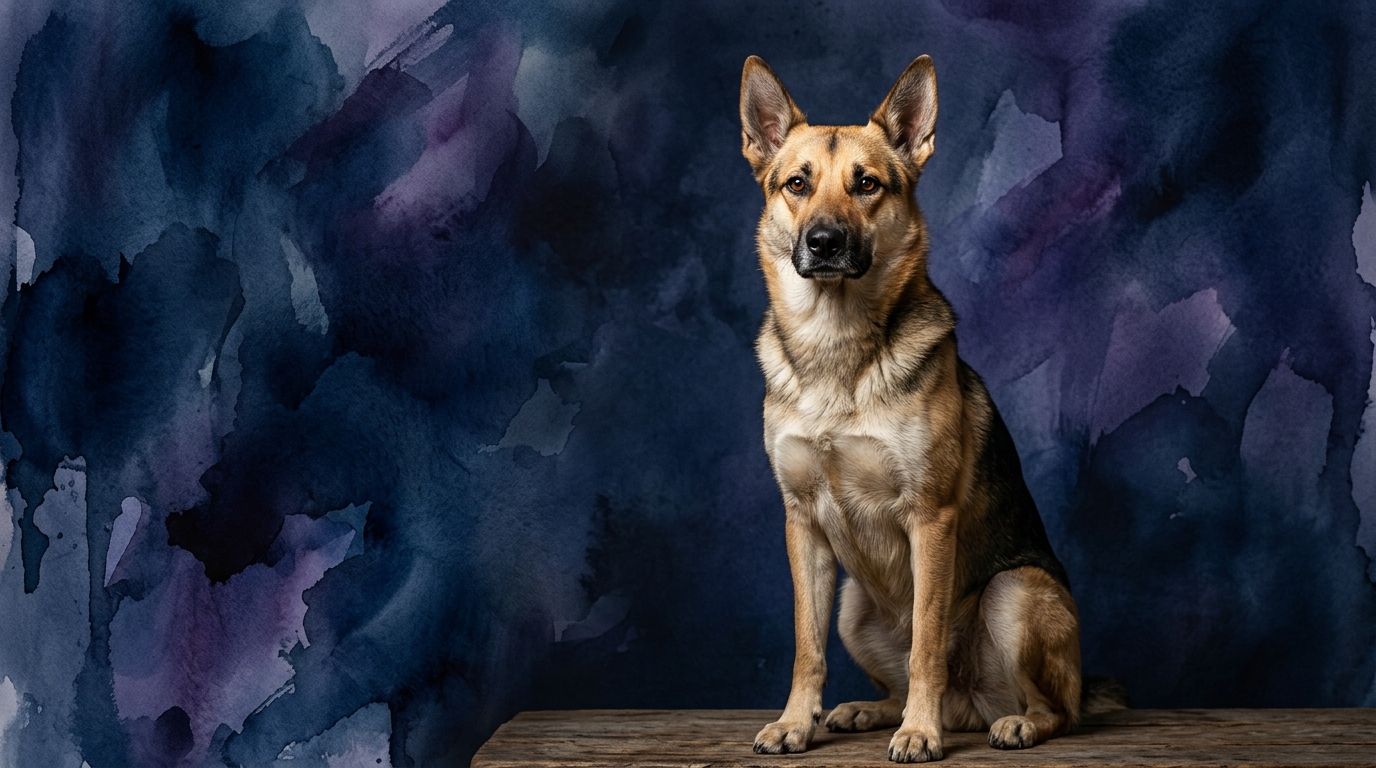
The Canaan Dog, a Herding group member Coren-ranked at #43, scores 3/5 in Problem Solving, 3/5 in Training Speed, 3/5 in Social Intelligence, 3/5 in Instinctive Drive, and a notable 4/5 in Memory. This breed, with a history of independent survival, displays practical problem-solving. They navigate surroundings and overcome immediate obstacles efficiently, often through observation and trial-and-error, reflecting their self-reliant nature. Canaan Dogs learn new commands at an average pace, requiring consistency and clear communication, and their independence means they respond best to positive reinforcement that respects their innate desire for autonomy. They possess moderate social intelligence, understanding pack dynamics and human cues but typically not being overly effusive; their interactions are often discerning, and they can be reserved with strangers. Originating as pariah dogs and later herders, Canaan Dogs exhibit a balanced instinctive drive, including moderate prey drive and an inclination to survey and guard. These drives are present but generally manageable. A key cognitive strength for the Canaan Dog is their memory, scoring 4 out of 5, which allows them to retain learned behaviors, experiences, and environmental layouts effectively, contributing to adaptability and long-term training impact.
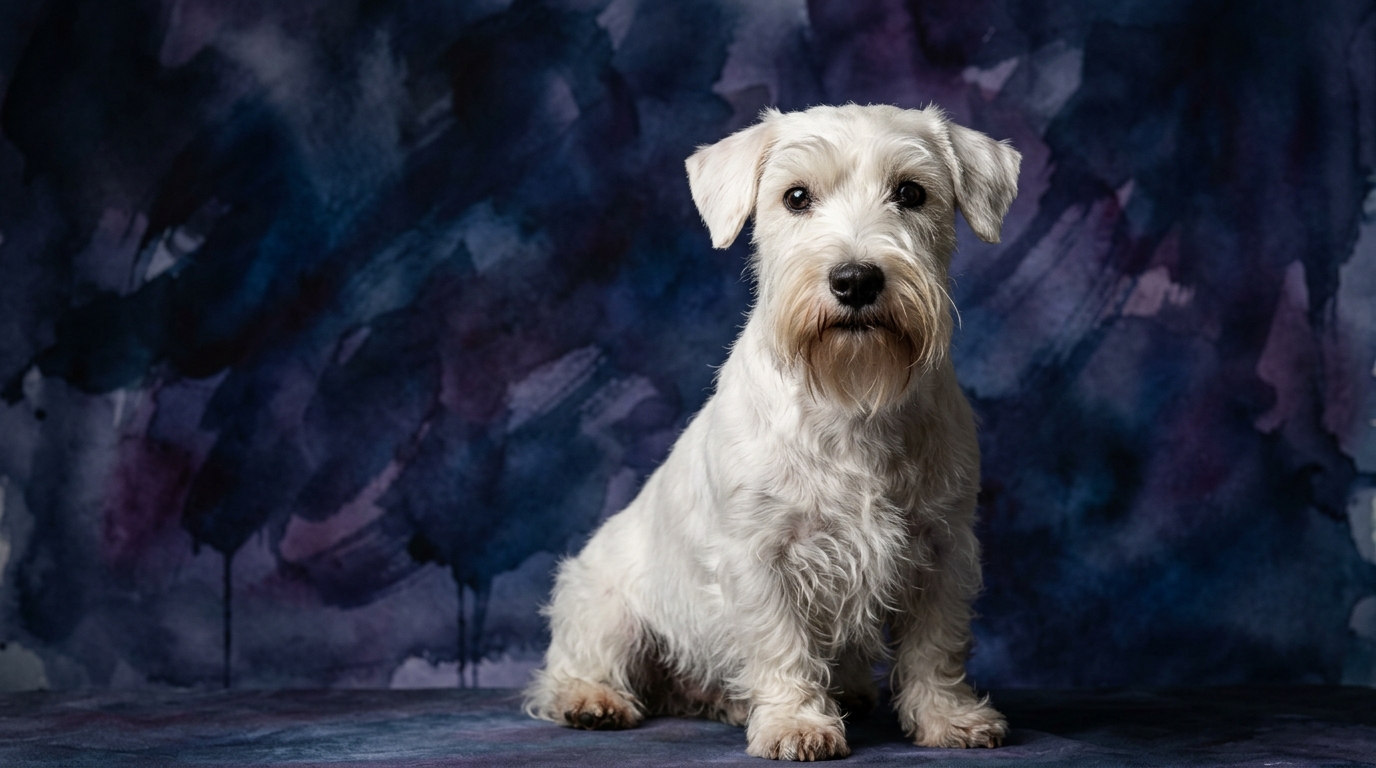
The Sealyham Terrier, a Terrier group member without a specific Coren ranking, aligns closely with the Canaan Dog in several dimensions: 3/5 in Problem Solving, 3/5 in Training Speed, 3/5 in Social Intelligence, 3/5 in Instinctive Drive, and 3/5 in Memory. Bred for tenacious vermin control, the Sealyham Terrier applies problem-solving with focused determination. Their intelligence here involves investigation and overcoming physical barriers to achieve goals, driven by persistence rather than complex strategy. Sealyhams also score 3 out of 5 for training speed; their spirited and sometimes stubborn nature means while they grasp concepts, consistent performance can vary, and engaging their prey drive and playful spirit enhances responsiveness. They display moderate social intelligence, typically affectionate with family but maintaining a confident, independent demeanor, understanding household hierarchies but preferring engaging on their own terms. As a terrier, the Sealyham's instinctive drive (3/5) is primarily geared towards hunting and discovery, manifesting as a strong desire to dig, chase, and explore with a fearless attitude, requiring consistent management. The Sealyham Terrier's memory scores 3 out of 5, indicating an average capacity for recall; they remember commands but may require more frequent refreshers compared to breeds with stronger memory retention, serving their immediate, task-oriented focus.
Where the Canaan Dog Wins Cognitively
The Canaan Dog's most pronounced cognitive advantage lies in its superior memory, scoring 4 out of 5 compared to the Sealyham's 3 out of 5. This distinction means the Canaan Dog is generally more adept at retaining learned behaviors, commands, and environmental lessons over extended periods. For an owner, this translates to training that 'sticks' more readily, reducing the need for constant repetition once a concept is grasped. Their ancient heritage as a survivalist breed also suggests a cognitive flexibility to adapt to changing conditions and learn from complex environments, a trait honed over millennia of self-reliance. This adaptability, combined with their strong memory, allows them to process and recall intricate patterns in their surroundings, making them particularly astute observers. Their Coren ranking of #43 further supports a refined capacity for working intelligence, indicating a strong ability to understand and execute human instructions, aided significantly by their robust recall.
Where the Sealyham Terrier Wins Cognitively
While the Sealyham Terrier matches the Canaan Dog in most cognitive dimensions, its unique strengths lie in the application of its problem-solving (3/5) and instinctive drive (3/5) within its specific terrier context. The Sealyham's intelligence is characterized by an unwavering tenacity and a focused, investigative approach to challenges, particularly those related to their prey drive. They excel at persistent, hands-on problem-solving, often finding innovative ways to achieve a goal through sheer determination and physical effort, such as digging under a fence or maneuvering an object to get to a desired item. Their independent nature, while sometimes perceived as stubbornness, is a cognitive strength in self-reliance and the ability to operate effectively without constant human direction. This translates to a breed that, once motivated, can concentrate intensely on a task and work through obstacles with single-minded focus, a trait less about complex strategy and more about resolute execution.
Which is Easier to Train and Why
Evaluating ease of training between these two breeds reveals subtle but significant differences. The Canaan Dog, with its superior memory (4/5), generally offers an easier long-term training experience. While both breeds share an average training speed (3/5), the Canaan Dog's ability to retain commands and lessons for longer periods means that once a behavior is taught, it's more likely to be remembered without extensive refreshers. Their herding background also imbues them with a foundational understanding of structure and a willingness to operate within established boundaries, even if they possess an independent streak. Training a Canaan Dog often involves leveraging their observational skills and memory, allowing them to connect actions with consequences more effectively over time. In contrast, the Sealyham Terrier's average memory (3/5) combined with its strong terrier instincts and independent will can make training a more sustained effort. While they are capable learners, their focus can be easily diverted by environmental stimuli related to their prey drive, and their inherent determination can sometimes manifest as stubbornness. Owners may find themselves needing to be more creative and consistent in maintaining the Sealyham's engagement and reinforcing commands, as lessons might require more frequent review to solidify.
Which Suits Active Owners vs. Relaxed Owners
The Canaan Dog, with its ancient heritage as a desert survivalist and later a herding dog, generally suits an owner who enjoys an active lifestyle and can provide consistent mental and physical engagement. Their moderate instinctive drive (3/5) and need for purpose mean they thrive when given tasks, whether it's obedience, agility, or simply exploring new environments. They are adaptable but benefit greatly from structured activity that taps into their problem-solving skills and allows them to utilize their impressive memory. An owner who can commit to daily walks, training sessions, and opportunities for exploration will find a contented companion in the Canaan Dog. The Sealyham Terrier, despite its smaller stature, also requires an owner who is prepared for an engaged relationship, though perhaps in a different manner. Their terrier energy, while not always about long-distance endurance, demands bursts of activity, challenging games, and opportunities to satisfy their investigative instincts. A 'relaxed' owner for a Sealyham isn't one who offers minimal interaction, but rather one who can provide consistent, stimulating play, short but intense walks, and engaging puzzle toys. They are not typically suited for a sedentary lifestyle; their moderate instinctive drive (3/5) for chasing and digging means boredom can quickly lead to undesirable behaviors. Both breeds require engagement, but the Canaan Dog leans towards structured work, while the Sealyham thrives on playful, interactive challenges that cater to its tenacious spirit.
The Verdict
Choose the Canaan Dog if you appreciate a companion with strong memory, adaptability, and a discerning nature, and are prepared to provide consistent, structured engagement that respects their independent spirit. They thrive with owners who offer clear guidance and opportunities for mental stimulation.
Opt for the Sealyham Terrier if you seek a spirited, tenacious companion with a determined approach to life, and are ready to engage their investigative instincts through playful, consistent training and stimulating activities. Their charm lies in their confident, self-reliant character.
🧠 Find Your Pet's IQ Score
Our Pet IQ Lab assessment covers 25+ tests across 5 cognitive dimensions — personalized to your breed.
Take the Full IQ Test →Frequently Asked Questions
Is the Canaan Dog truly smarter than the Sealyham Terrier?
While both breeds share similar scores in most cognitive areas, the Canaan Dog has a distinct advantage in memory (4/5 vs. 3/5). This means they generally retain learned information and experiences more effectively over time, which can make long-term training more efficient.
Does a Sealyham Terrier's lower memory score make them difficult to train?
An average memory score (3/5) doesn't make Sealyhams difficult to train, but it does mean they may require more consistent repetition and refreshers to solidify commands. Their tenacious terrier spirit means engagement and positive reinforcement are key to successful training.
How does the Coren ranking for Canaan Dogs influence their intelligence?
The Canaan Dog's Coren rank of #43 places them within the 'above average working/obedience intelligence' category, indicating a capacity to understand new commands in 15-25 repetitions and obey them 50% of the time or better on first command. This highlights their responsiveness to structured learning, supported by their strong memory.