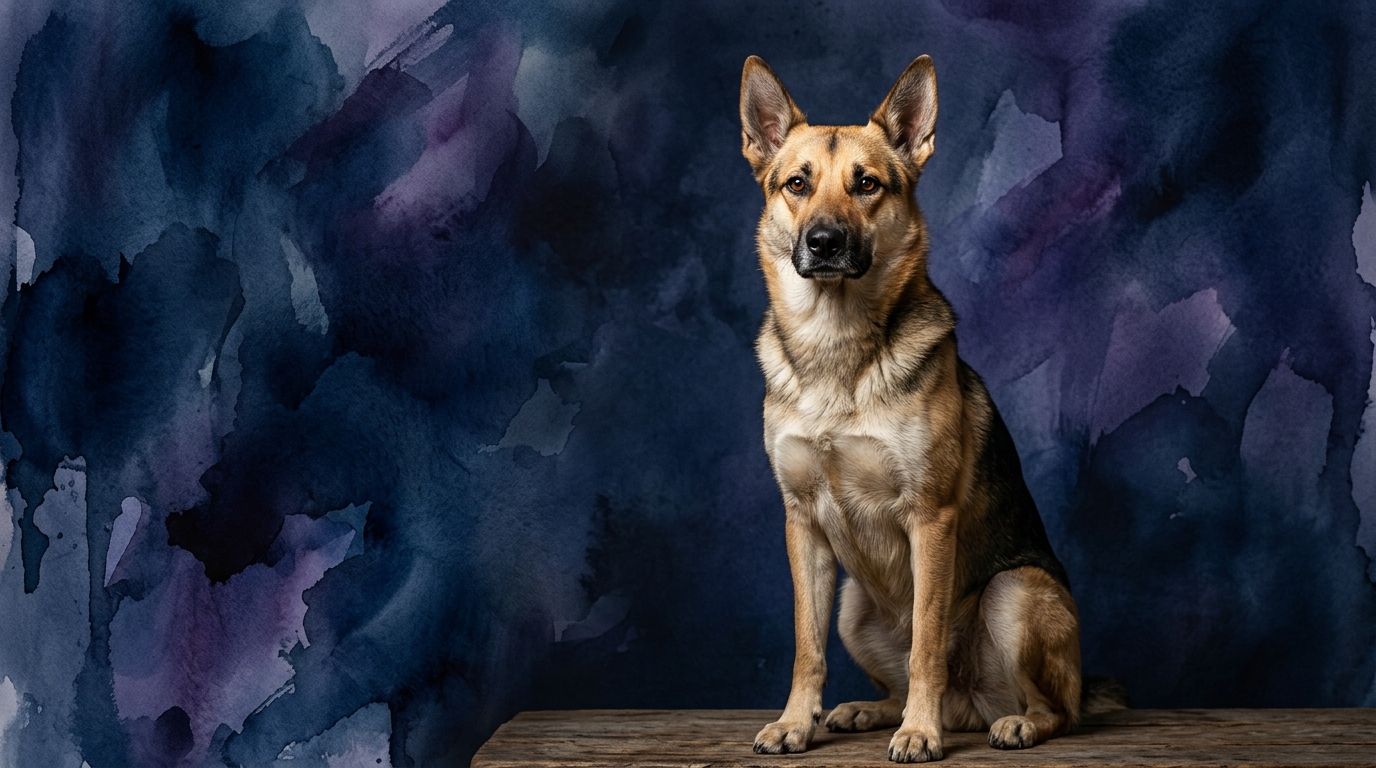
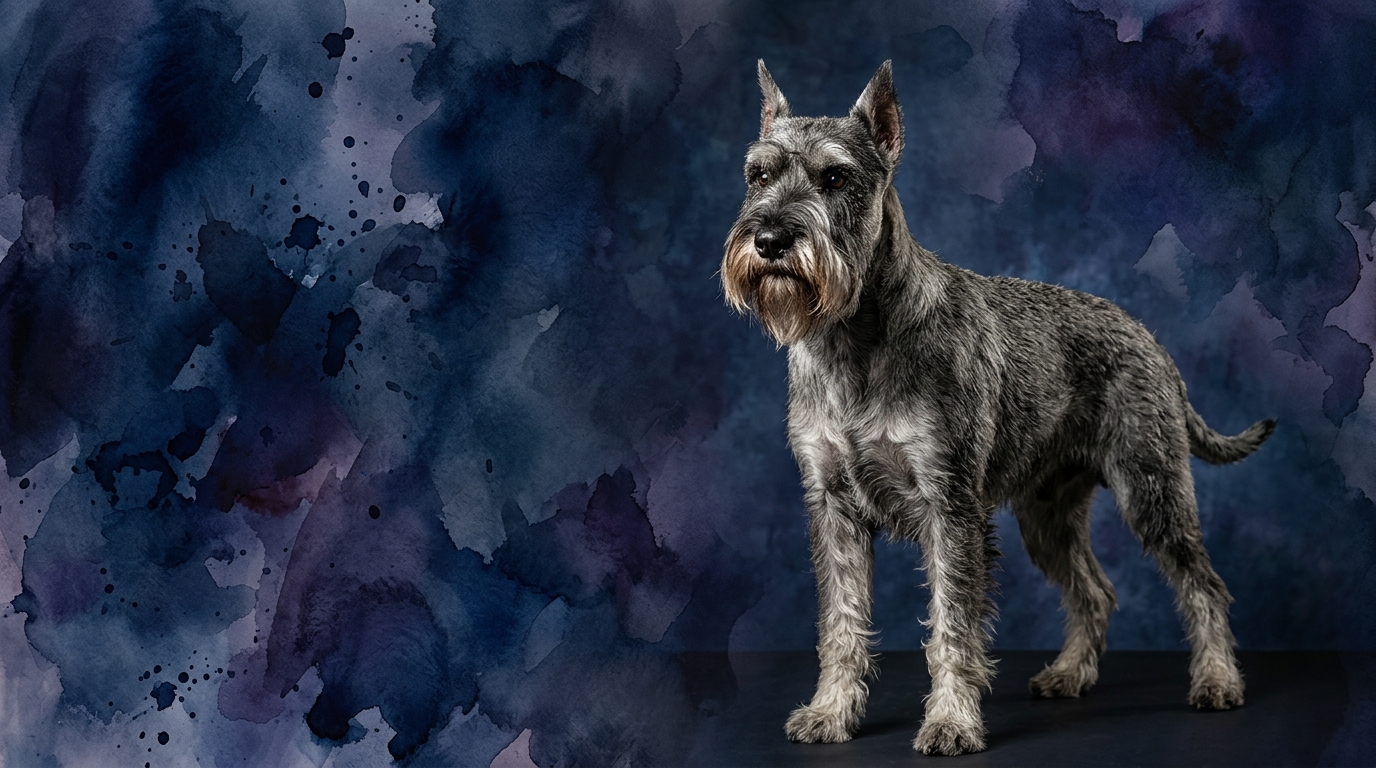
Side-by-Side IQ Profile
The Cosmic Pet Pet IQ Lab assesses canine intelligence across five key dimensions, offering a nuanced view beyond simple obedience. For the Canaan Dog, problem-solving is rated 3/5, reflecting a resourceful, independent approach to challenges where they often rely on their instincts rather than seeking human direction. Their training speed is also 3/5; they are capable learners but require consistent, patient, and engaging methods, often needing to understand the 'why' behind a command. Social intelligence stands at 3/5, indicating they are observant of family cues and dynamics but can be reserved with strangers. Instictive drive, at 3/5, points to strong survival instincts, territoriality, and a subtle guarding propensity. Finally, their memory is a robust 4/5, allowing them to effectively retain past experiences, learned behaviors, and spatial awareness over long periods.
In contrast, the Standard Schnauzer presents a slightly different cognitive profile. Their problem-solving capacity is rated 4/5, signifying a strong aptitude for engaging with mental challenges and adapting strategies, often eager to work collaboratively. Training speed for the Standard Schnauzer is also 4/5, highlighting their quick learning ability and eagerness to grasp new commands and behaviors with consistent positive reinforcement. Social intelligence is 3/5, indicating they are attuned to family emotions and interactive within their trusted circle, yet can be reserved or protective around unfamiliar individuals. Instictive drive is 3/5, reflecting strong working and guarding predispositions, a keen sense of territory, and a general inclination towards vigilance. Like the Canaan Dog, their memory is rated 4/5, demonstrating excellent recall for commands, routines, and past interactions.
Where the Canaan Dog Wins Cognitively
While both breeds possess unique cognitive strengths, the Canaan Dog shines particularly in areas demanding independent judgment and self-reliance. Their problem-solving, rated 3/5, often manifests as resourceful adaptation to novel situations without direct human guidance. For instance, a Canaan Dog might independently assess a new environment, identify potential escape routes or safe havens, and execute a plan based on its own assessment rather than waiting for a command. This ancient breed’s cognitive makeup is geared towards survival and independent decision-making in often unpredictable environments, a testament to their desert heritage. They excel at evaluating risks and opportunities from a distance, making their own conclusions about a situation's safety or challenge, which can be invaluable in certain contexts. This contrasts with a breed that might instinctively look to its human for immediate direction. Their memory (4/5) further supports this, allowing them to recall past independent successes and failures, refining their self-directed strategies over time.
Where the Standard Schnauzer Wins Cognitively
Conversely, the Standard Schnauzer's cognitive strengths lean towards collaborative engagement and structured learning. With a problem-solving score of 4/5, they are particularly adept at tasks that involve working *with* a human partner to achieve a solution. For example, a Standard Schnauzer might quickly learn a multi-step retrieve task, understanding the sequence of actions required and adapting if an obstacle arises, all while maintaining focus on the handler's cues. Their higher training speed (4/5) means they grasp complex commands and routines faster, eagerly participating in activities like agility, obedience, or scent work where human direction is paramount. They demonstrate a pronounced ability to generalize learned behaviors across different environments, applying a command learned in the living room to a park setting with greater consistency. This breed excels when their mental faculties are challenged within a framework provided by their human companion, thriving on the interaction and the shared goal.
Which Is Easier to Train and Why
Evaluating ease of training between these two breeds highlights their core behavioral differences. The Standard Schnauzer, with its 4/5 training speed and 4/5 problem-solving, generally presents a more straightforward training experience. They are typically eager to engage, quick to understand, and possess a strong desire to please their human, making them highly responsive to positive reinforcement. Their focus on the handler allows for smoother communication and faster acquisition of complex behaviors. For example, teaching a Standard Schnauzer a new trick often involves fewer repetitions because they are actively trying to figure out what you want and are motivated by successful completion.
In contrast, the Canaan Dog's 3/5 training speed and 3/5 problem-solving, coupled with their inherent independence, means training requires a different approach. They are not inherently driven to please and might question the utility of a command if it doesn't align with their instincts or perceived needs. This can be misconstrued as stubbornness, but it's more accurately described as a strong sense of self-preservation and independent thought. Training a Canaan Dog demands immense patience, creativity, and consistency, focusing on building trust and making the training process rewarding and logical from their perspective. They learn effectively, but often on their own terms, requiring a handler who can make training feel like a collaborative, rather than purely directive, endeavor.
Which Suits Active Owners vs. Relaxed Owners
Neither the Canaan Dog nor the Standard Schnauzer are breeds suited for truly relaxed, sedentary owners, as both require significant mental and physical engagement. However, the *nature* of that engagement differs, influencing which might better suit different types of active owners. The Standard Schnauzer thrives with owners who enjoy structured activities and collaborative work. Their higher training speed and problem-solving aptitude make them excellent partners for dog sports like agility, competitive obedience, or tracking, where consistent interaction and human direction are key. An active owner who enjoys daily training sessions, long walks, and mentally stimulating puzzle games will find the Standard Schnauzer a highly engaged and willing participant. They are less suited for owners who prefer minimal interaction or unstructured exercise.
The Canaan Dog also demands an active lifestyle, but their independent nature shifts the focus. They need ample space to patrol, explore, and engage their guarding instincts. While they can participate in some dog sports, they often excel in activities that allow for more independent decision-making, such as exploring nature trails or participating in scent work where they can follow their nose without constant human intervention. Owners who appreciate a dog that thinks for itself, enjoy long, exploratory walks where the dog can survey its surroundings, and are prepared to manage a strong territorial instinct will find a rewarding companion. They are not ideal for owners who want a dog that will passively lounge or solely rely on short, leashed walks for exercise.
The Verdict
Choose a Canaan Dog if you are an experienced owner who values an independent, resourceful companion, appreciate a dog that thinks critically and makes its own decisions, and are prepared to invest in patient, consistent training that respects their self-reliant nature.
Opt for a Standard Schnauzer if you seek an engaged, collaborative working partner, enjoy structured training and dog sports, and desire a canine companion that thrives on consistent human interaction and shared mental challenges.
🧠 Find Your Pet's IQ Score
Our Pet IQ Lab assessment covers 25+ tests across 5 cognitive dimensions — personalized to your breed.
Take the Full IQ Test →Frequently Asked Questions
Are Canaan Dogs difficult to train?
Canaan Dogs are not difficult in the sense of lacking capacity, but their independent nature and lower eagerness to please compared to some breeds mean they require a patient, consistent, and creative training approach. They often need to understand the 'why' behind a command and respond best when training is seen as a partnership.
Do Standard Schnauzers bark a lot?
Standard Schnauzers are naturally vigilant and possess a strong guarding instinct, which can lead to barking at perceived threats or unfamiliar sounds. While they can be trained to moderate their barking, owners should expect a communicative dog that will alert them to new arrivals or unusual occurrences.
How do their social needs compare?
Both breeds form strong bonds with their families but can be reserved with strangers. Standard Schnauzers generally enjoy more interactive play and structured social outings, while Canaan Dogs, though loyal, might prefer observing from a distance in new social settings, requiring careful and gradual socialization.