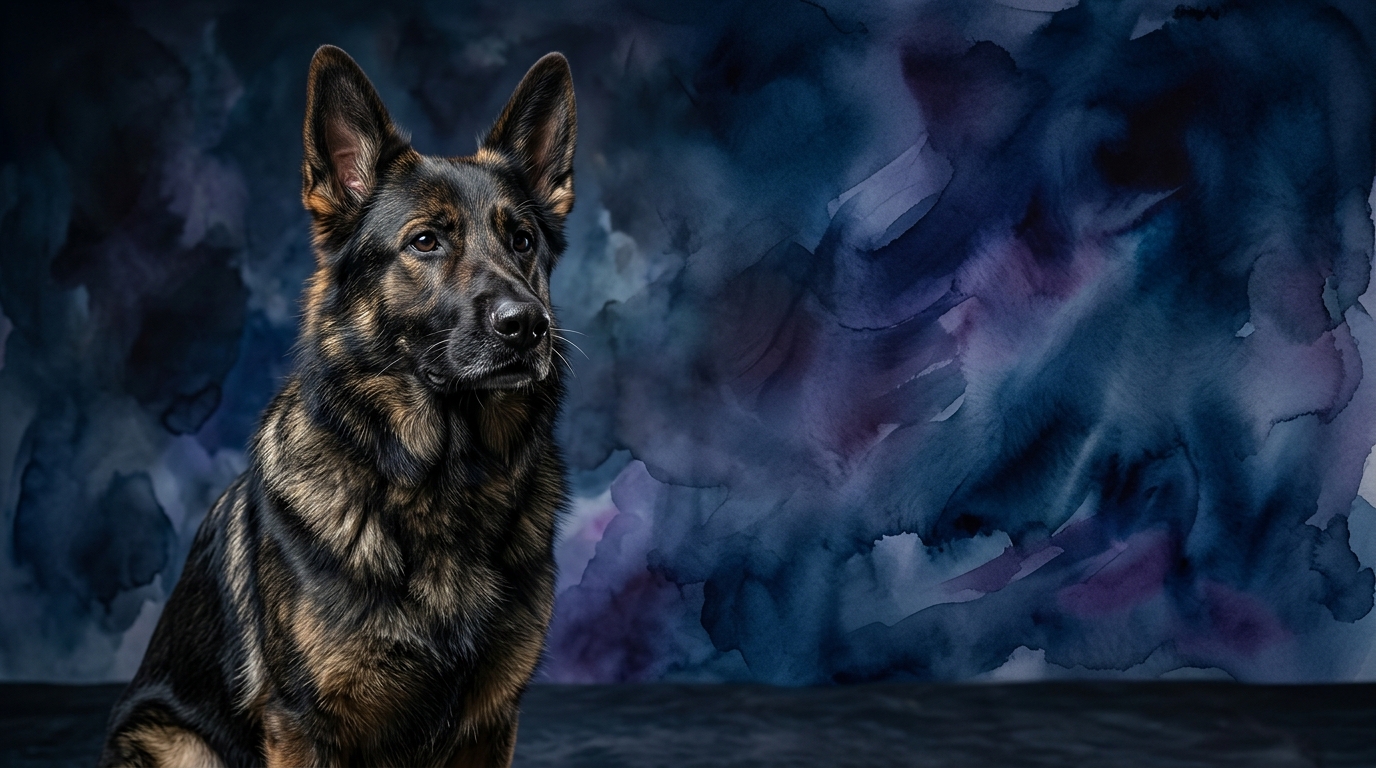
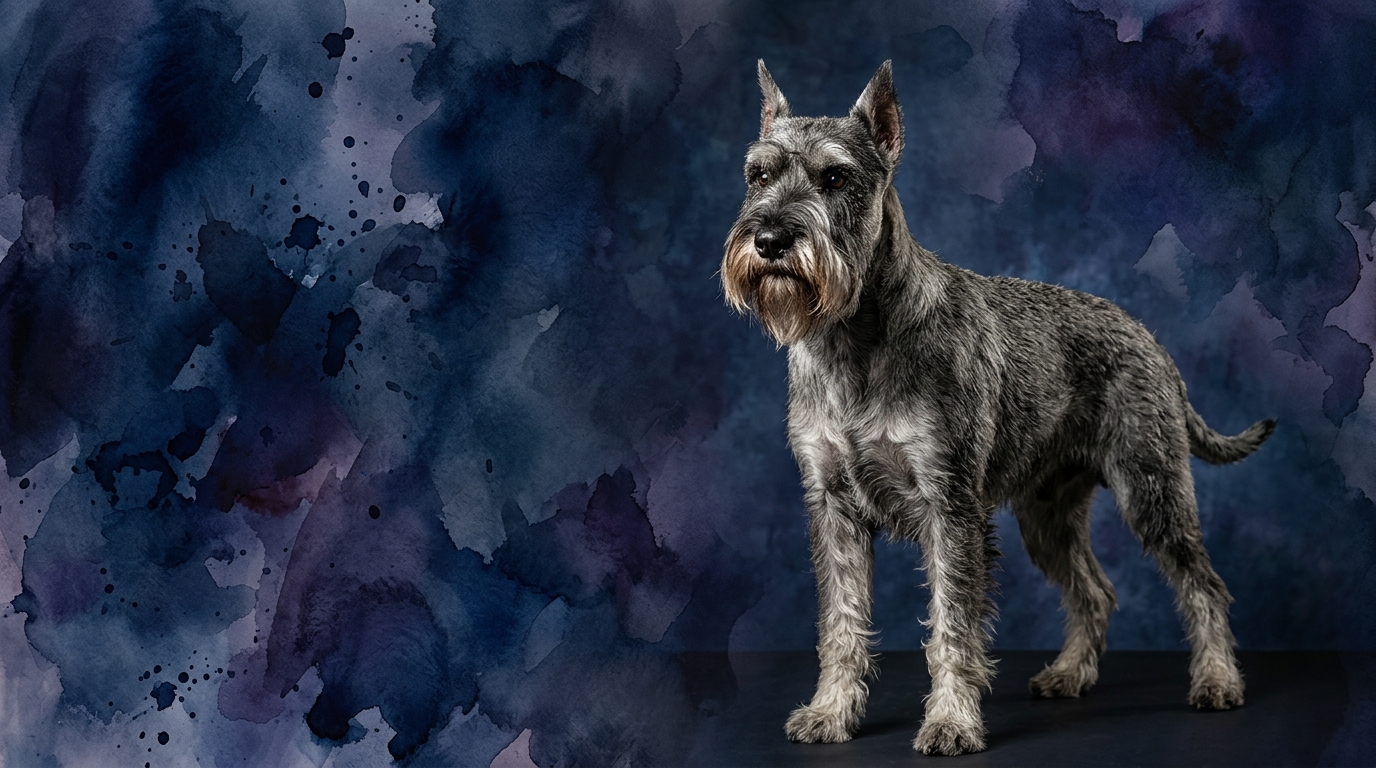
Side-by-Side IQ Profile
**German Shepherd (Coren Rank #3):** This breed consistently demonstrates a remarkable cognitive prowess across all measured dimensions.
**Problem Solving (5/5):** German Shepherds exhibit an impressive capacity to analyze complex situations quickly and devise effective solutions. Whether navigating an intricate obstacle course or understanding a novel task, they process information with striking speed and accuracy, often anticipating outcomes with foresight.
**Training Speed (5/5):** They absorb new commands and routines with extraordinary swiftness, frequently requiring only a few repetitions to grasp a new concept. Their eagerness to engage and process information makes them exceptionally responsive to structured learning environments and advanced training.
**Social Intelligence (5/5):** Their ability to interpret human body language, tone, and emotional states is profound. German Shepherds form deep bonds, often anticipating their owner's intentions and reacting with a high degree of empathy and understanding, making them incredibly attuned and responsive companions.
**Instinctive Drive (5/5):** The inherent drives for herding, guarding, and protection are exceptionally strong, providing a powerful internal motivation. This translates into a deep desire for purpose and work, channeling their considerable energy into tasks that satisfy these deep-seated instincts.
**Memory (5/5):** German Shepherds possess an encyclopedic recall, retaining a vast array of commands, spatial layouts, and past experiences over extended periods. This robust memory contributes significantly to their consistency in performance and reliability in complex roles.
**Standard Schnauzer (Coren Rank #22):** The Standard Schnauzer presents a robust and capable cognitive profile, strong in its own right, with distinct areas of focus.
**Problem Solving (4/5):** Standard Schnauzers demonstrate solid problem-solving abilities, capable of figuring out puzzles and navigating challenging scenarios. While they may take a moment longer to assess a situation or might experiment with different approaches, their tenacity often leads to a successful resolution.
**Training Speed (4/5):** This breed learns new tasks efficiently and can master a wide range of commands with consistent effort. They benefit from clear, engaging training sessions, though they may require a bit more repetition or varied methods compared to their German Shepherd counterparts to solidify learning.
**Social Intelligence (3/5):** Standard Schnauzers understand direct human communication and form loyal attachments, but their interpretation of subtle human emotional cues may be less nuanced. They tend to be more independent in their interactions, valuing clear direction over intricate emotional resonance.
**Instinctive Drive (3/5):** Their working dog heritage manifests in a moderate but present instinctive drive, including a natural guarding inclination and a moderate prey drive. They appreciate having a job to do but are generally less intensely driven by constant purposeful activity than a German Shepherd.
**Memory (4/5):** Standard Schnauzers exhibit good memory for learned behaviors, routines, and familiar individuals or places. They reliably recall commands and past experiences, contributing to their consistency and ability to adapt to established patterns within their environment.
Where German Shepherd Wins Cognitively
The German Shepherd's cognitive profile showcases a distinct edge in several key areas. Their 5/5 problem-solving score means they don't just react; they actively strategize, often predicting outcomes and adapting their approach with impressive foresight. This manifests in their ability to quickly learn complex sequences in agility or adapt on the fly during search and rescue operations, a level of adaptive thinking that the Standard Schnauzer, while capable, might approach with less immediate fluidity.
Furthermore, the German Shepherd's superior social intelligence (5/5 vs. 3/5) allows for an unparalleled depth of partnership. They don't just follow commands; they often seem to anticipate their handler's next move, reading subtle shifts in posture or tone that might go unnoticed by a less socially attuned breed. This deep attunement means they can often work off-leash in high-distraction environments with remarkable precision, responding to minimal cues, a feat that would demand more explicit direction for a Standard Schnauzer. Their 5/5 training speed is a direct result of this combination of swift processing and social understanding, allowing them to internalize new information and apply it rapidly across varied contexts.
Where Standard Schnauzer Wins Cognitively
While the Standard Schnauzer's scores might not reach the German Shepherd's peak, its cognitive profile offers a different kind of strength, particularly in its independent application of its 4/5 problem-solving. This breed often exhibits a robust self-reliance when faced with challenges, preferring to work through a puzzle on its own terms rather than constantly seeking handler input. This can be a significant advantage for owners who appreciate a dog with a strong sense of autonomy, capable of entertaining itself or navigating minor obstacles without constant human guidance, fostering a relationship built on mutual respect for individual space.
The Standard Schnauzer's moderate instinctive drive (3/5) also presents a cognitive “win” for certain lifestyles. While they possess a working background, their drive is generally less all-consuming than a German Shepherd's, meaning they can transition more easily between focused activity and relaxed downtime. Their energy is directed, but often less intensely so, making them less prone to restlessness if a “job” isn't constantly provided. This allows their good memory (4/5) to be applied to a consistent, predictable routine without the underlying pressure of a perpetually high-drive dog needing an outlet, creating a stable and confident companion.
Which is Easier to Train and Why
Based on their IQ profiles, the German Shepherd unequivocally presents as the easier breed to train for most complex tasks and commands. Their 5/5 Training Speed means they grasp new concepts with minimal repetition, often internalizing a command after just a few successful attempts. This rapid assimilation is coupled with their 5/5 Social Intelligence, enabling them to keenly interpret human intentions and cues, making them exceptionally responsive to even subtle signals from their handler. For instance, a German Shepherd might learn a multi-step obedience routine in a fraction of the time a Schnauzer would, responding not just to verbal commands but also to changes in handler posture or gaze. They often possess a strong desire to please and a high work ethic, which translates into an enthusiastic approach to learning.
The Standard Schnauzer, with its 4/5 Training Speed and 3/5 Social Intelligence, is certainly trainable but requires a different approach. They will learn, but perhaps at a more deliberate pace, necessitating more consistent repetition and clear, unambiguous instructions. Their slightly lower social intelligence means they might not pick up on nuanced human cues as readily, requiring the handler to be more explicit in their communication. A Schnauzer might also exhibit more independent thinking during training, occasionally testing boundaries or needing motivation beyond simply pleasing their owner. While they are capable of mastering complex tasks, achieving the same level of precision and speed as a German Shepherd often demands more patience and creative reinforcement strategies from the trainer.
Which Suits Active Owners vs. Relaxed Owners
For active owners seeking a true partner in high-intensity pursuits, the German Shepherd is an ideal match. Their 5/5 Instinctive Drive means they thrive on having a purpose, whether it's competitive dog sports like agility, Schutzhund, or extended hiking and running adventures. This breed needs consistent mental and physical engagement to prevent boredom and channel their considerable energy. Owners who can provide daily structured activities, complex training, and opportunities to fulfill their deep-seated drives will find an incredibly devoted and capable companion. A German Shepherd's cognitive profile demands an owner who is equally engaged and prepared to provide a stimulating environment that matches their intellectual and physical prowess.
Conversely, the Standard Schnauzer, while still an active breed, aligns well with owners who enjoy regular activity but might not demand the same relentless pace or intensity. Their 3/5 Instinctive Drive suggests they appreciate routine walks, engaging play sessions, and moderate training, but are generally more content with periods of relaxation afterward. They are robust and enjoy exploring, making them good companions for active families or individuals who enjoy daily outdoor activities without the need for constant “work.” Owners who appreciate a dog that can transition from an energetic outdoor adventure to a calm indoor presence without requiring a constant job will find the Standard Schnauzer’s balanced cognitive and physical needs to be a rewarding fit.
The Verdict
Opt for the German Shepherd if you seek an intensely engaged, highly trainable partner who thrives on complex tasks, deep social connection, and a clearly defined purpose. This breed excels with owners committed to providing rigorous mental stimulation and physical activity, valuing a dog that anticipates needs and masters skills with exceptional speed.
Select the Standard Schnauzer if you desire a self-reliant, spirited companion with good problem-solving skills and a moderate drive, capable of both activity and calm. They are best suited for owners who appreciate a dog with independent thought, enjoy consistent but not overwhelming engagement, and value a robust, loyal presence.
🧠 Find Your Pet's IQ Score
Our Pet IQ Lab assessment covers 25+ tests across 5 cognitive dimensions — personalized to your breed.
Take the Full IQ Test →Frequently Asked Questions
Do German Shepherds require more mental stimulation than Standard Schnauzers?
Yes, German Shepherds, with their 5/5 problem-solving and instinctive drive, generally require more consistent and complex mental stimulation to remain content and well-behaved. Their minds are constantly seeking purpose and challenge beyond simple routines.
Is a Standard Schnauzer easier to live with for a first-time dog owner?
A Standard Schnauzer might be a more manageable choice for a first-time owner due to its slightly lower intensity of drive and more independent nature compared to the German Shepherd's profound demands for purpose and deep social engagement. However, both require consistent training and socialization.
How do their memory differences impact daily life?
The German Shepherd's 5/5 memory means it quickly establishes and rarely forgets routines, commands, and boundaries, leading to high reliability. The Standard Schnauzer's 4/5 memory is still very good, but might mean it occasionally needs gentle reminders or a bit more reinforcement to maintain perfect consistency over time.