Side-by-Side IQ Profile: Unpacking Identical Scores
At first glance, the cognitive profiles of the Cane Corso and the Borzoi appear strikingly similar, both scoring a consistent 3 out of 5 across all five dimensions of our Pet IQ Lab assessment: Problem Solving, Training Speed, Social Intelligence, Instinctive Drive, and Memory. However, these identical numerical ratings belie a rich tapestry of distinct cognitive applications, deeply rooted in their breed origins and ancestral roles. Understanding these nuances requires looking beyond the numbers and into the specific ways each breed employs its intellectual capacities.
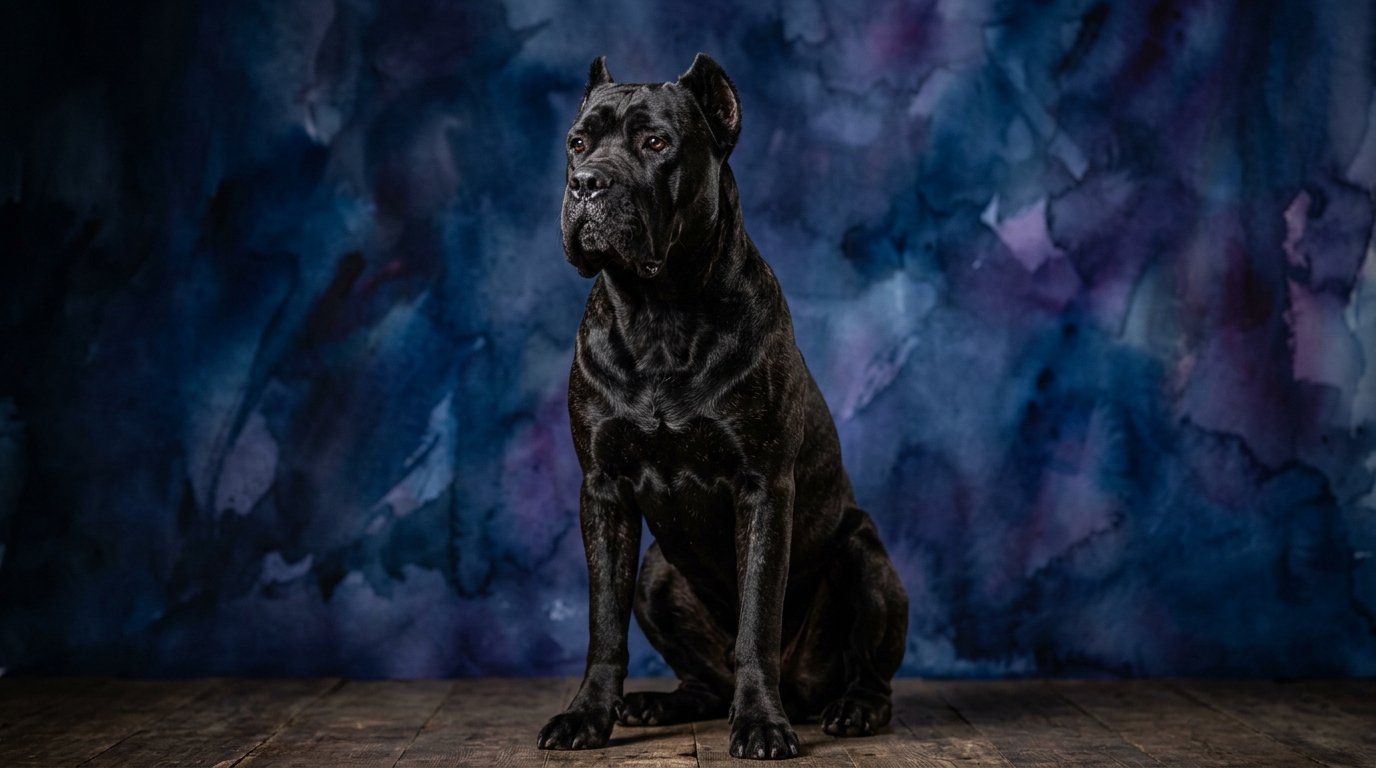
For the Cane Corso, a stoic guardian from the Working group, their 3/5 in Problem Solving often manifests in assessing and neutralizing perceived threats to their family or territory, demonstrating practical, context-dependent reasoning. Their Training Speed of 3/5 reflects a capacity for quick learning, though it's often paired with a strong will that demands consistent, confident leadership. Social Intelligence at 3/5 highlights their deep attunement to their family's dynamics and emotions, combined with a discerning wariness towards strangers. An Instinctive Drive of 3/5 underscores their inherent protective and guarding behaviors, while their Memory (3/5) is robust for routines, learned commands, and distinguishing between familiar faces and potential intruders, solidifying their role as vigilant companions.
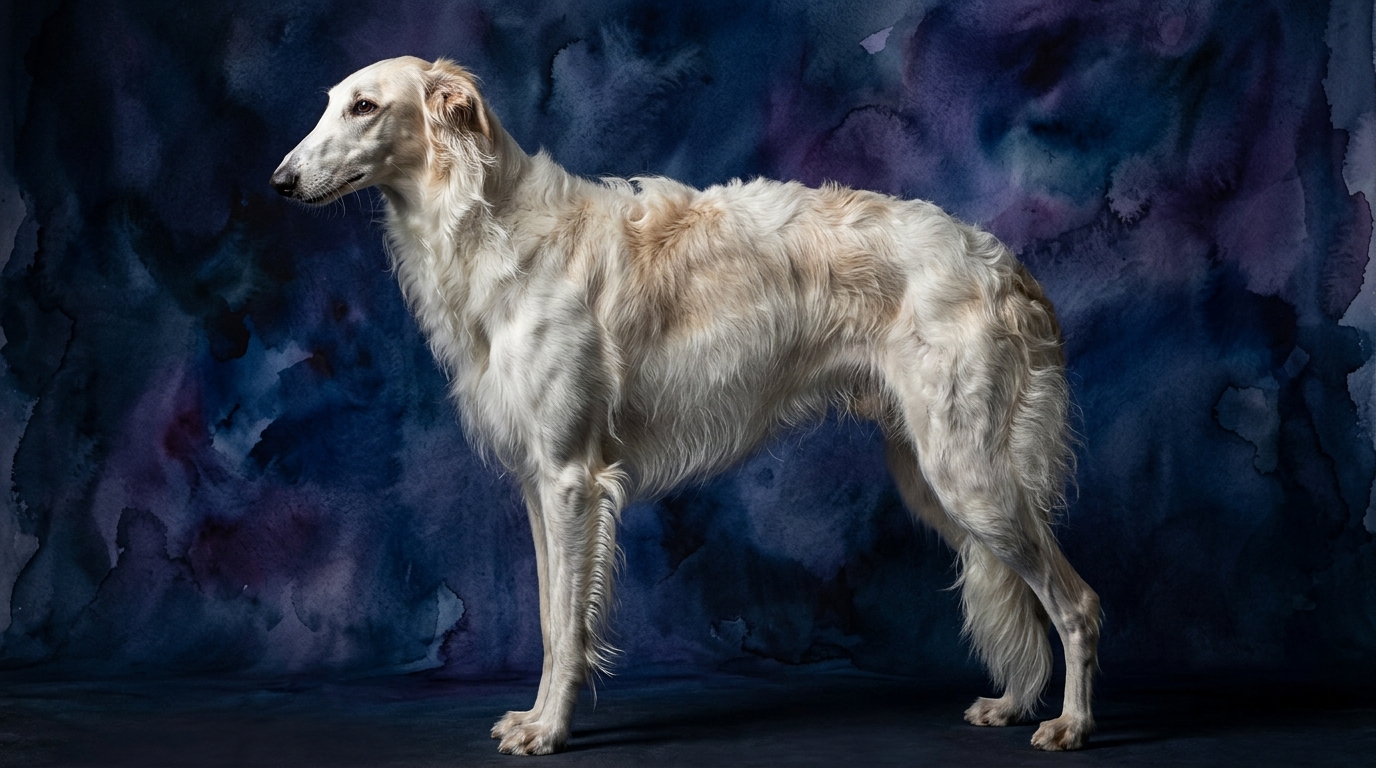
The Borzoi, a graceful sighthound ranked #75 by Coren, applies its identical 3/5 scores in distinctly different ways. Their Problem Solving (3/5) typically involves independent decision-making during a chase, navigating complex terrain, or strategizing to outmaneuver prey, rather than human-directed tasks. A Training Speed of 3/5 indicates they are certainly capable of learning new commands, but their independent nature means they often require high motivation and creative approaches to maintain engagement. Social Intelligence (3/5) for a Borzoi often translates to a reserved but sensitive demeanor, capable of understanding their owner's mood without necessarily being overtly demonstrative, and generally aloof with strangers. Their Instinctive Drive (3/5) is overwhelmingly focused on the pursuit of moving objects, a highly refined and ancient hunting instinct. Finally, their Memory (3/5) is excellent for visual cues, recalling hunting routes, and remembering past experiences, which contributes to their efficiency in their specialized role.
Thus, while the raw scores might suggest parity, the *application* and *context* of their cognitive abilities diverge significantly, painting a picture of two breeds with equally capable minds, yet specialized for vastly different purposes.
Where the Cane Corso's Mind Shines
The Cane Corso’s cognitive strengths are profoundly tied to its heritage as a protector and working dog, making its mind particularly adept at tasks requiring loyalty, discernment, and strategic defense. Their problem-solving isn't about playful puzzles; it's about real-world scenarios concerning the safety of their family. A Cane Corso might independently assess a new situation, determining if a strange noise warrants investigation or if a visitor is truly welcome, demonstrating a practical intelligence rooted in vigilance and contextual awareness.
Furthermore, their social intelligence is remarkably sophisticated within their chosen 'pack.' A Cane Corso can often pick up on subtle shifts in human emotion, offering comfort or standing guard as appropriate, showcasing a deep empathetic connection to their owners. This nuanced understanding of social cues, combined with an exceptional memory for past interactions, means they form incredibly strong, discerning bonds. Their ability to remember specific individuals and their historical behaviors – differentiating between a friendly neighbor and a suspicious stranger – is a hallmark of their guardian mindset, making them highly effective and reliable protectors who learn from experience.
Where the Borzoi's Cognition Excels
The Borzoi's cognitive prowess is best observed in scenarios that call for independent thought, swift decision-making, and specialized sensory processing, particularly in open environments. Their problem-solving excels in the realm of pursuit, where they must rapidly analyze visual information—such as the direction, speed, and evasive maneuvers of a moving object—and formulate an optimal interception strategy. This kind of dynamic, real-time problem-solving is a testament to their highly specialized sighthound intelligence, which operates with remarkable autonomy from human direction.
Moreover, the Borzoi’s instinctive drive, rated at 3/5, represents a pinnacle of their cognitive specialization: the art of the chase. This isn't just raw instinct; it involves complex spatial reasoning, prediction of movement, and remarkable coordination, all processed at high speed. Their memory (3/5) is finely tuned for recalling visual landscapes, optimal running routes, and the nuances of past hunts, allowing them to learn and adapt to different terrains and prey behaviors. This refined cognitive toolkit makes them exceptional at their historical role, showcasing an intelligence perfectly adapted for independent, fast-paced action rather than direct obedience.
Training Dynamics: Consistency vs. Motivation
When it comes to training, both the Cane Corso and the Borzoi score 3/5 in Training Speed, but the *approach* required for each is fundamentally different due to their inherent temperaments and drives. The Cane Corso, with its working dog background, generally responds well to a clear, confident leader who provides consistent rules and purpose-driven tasks. They are eager to please their chosen human and thrive on having a 'job,' making them receptive to learning commands and routines when a strong bond and mutual respect are established. Their 3/5 training speed means they absorb information readily and can execute reliably, provided the trainer maintains authority and fairness, making them excellent candidates for advanced obedience or protection work.
In contrast, the Borzoi's independence, a hallmark of sighthounds, dictates a different training philosophy. While they are intelligent and capable of learning quickly (3/5 Training Speed), their motivation often needs to be high, and repetitive drills can bore them. Their powerful prey drive means that off-leash reliability, especially in unfenced areas, can be a significant challenge, as the instinct to chase will frequently override learned commands. Training a Borzoi requires immense patience, positive reinforcement, and understanding that they may choose not to comply if a more interesting stimulus (like a squirrel) presents itself. Success often comes from making training feel like a game or a reward, rather than a demanding task, and accepting their inherent desire for autonomy.
Lifestyle Match: Guardians vs. Free Spirits
Choosing between a Cane Corso and a Borzoi also means aligning with distinct lifestyle needs, heavily influenced by their cognitive and temperamental profiles. A Cane Corso is best suited for active owners who can provide consistent mental stimulation through training, structured activities, and a defined role within the family. They thrive on having a purpose and require an owner who can confidently guide them, establishing clear boundaries and routines. Their social intelligence and memory make them deeply devoted to their family, but they are not dogs to be left alone for extended periods; they need to be integral to daily life and benefit from owners who understand and respect their protective instincts, ensuring proper socialization to channel their guardian nature positively.
The Borzoi, on the other hand, suits owners who appreciate their independent elegance and can accommodate their unique exercise requirements. While they are often calm and relaxed indoors, they need opportunities for intense, short bursts of running in a securely fenced area to satisfy their powerful instinctive drive. Owners must be prepared for their sighthound nature, which means a high prey drive and a potential challenge with off-leash reliability in open spaces. They are not typically 'people-pleasers' in the same way a working dog might be, preferring a more reserved companionship. Ideal Borzoi owners are those who can provide a tranquil home environment and the necessary space for their physical expression, without demanding constant engagement or unwavering obedience, appreciating their graceful, free-spirited nature.
The Verdict: Choosing Your Canine Companion
The Verdict
For owners seeking a formidable guardian, deeply devoted family member, and a dog that thrives on purpose and strong leadership, the Cane Corso offers unparalleled loyalty and protective instincts.
Opt for a Borzoi if you admire an independent, elegant companion with a profound instinct for speed and chase, and you can provide a calm home environment alongside ample, secure space for their unique exercise needs.
🧠 Find Your Pet's IQ Score
Our Pet IQ Lab assessment covers 25+ tests across 5 cognitive dimensions — personalized to your breed.
Take the Full IQ Test →Frequently Asked Questions
Do Cane Corsos or Borzois make better family pets?
Both can be wonderful family members, but their approach differs. Cane Corsos are typically deeply protective of their family, while Borzois are often more reserved and gentle, especially with children they know.
Which breed requires more mental stimulation?
While both benefit from mental engagement, Cane Corsos often thrive on structured tasks and training that tap into their working intelligence, whereas Borzois benefit from activities that engage their independent problem-solving and pursuit drives.
Are Borzois difficult to train due to their independence?
Borzois are capable learners but their sighthound independence means training requires patience, consistency, and positive reinforcement, often needing compelling motivation to override their strong prey drive.