Side-by-Side IQ Profile: Cardigan Welsh Corgi vs. Cairn Terrier
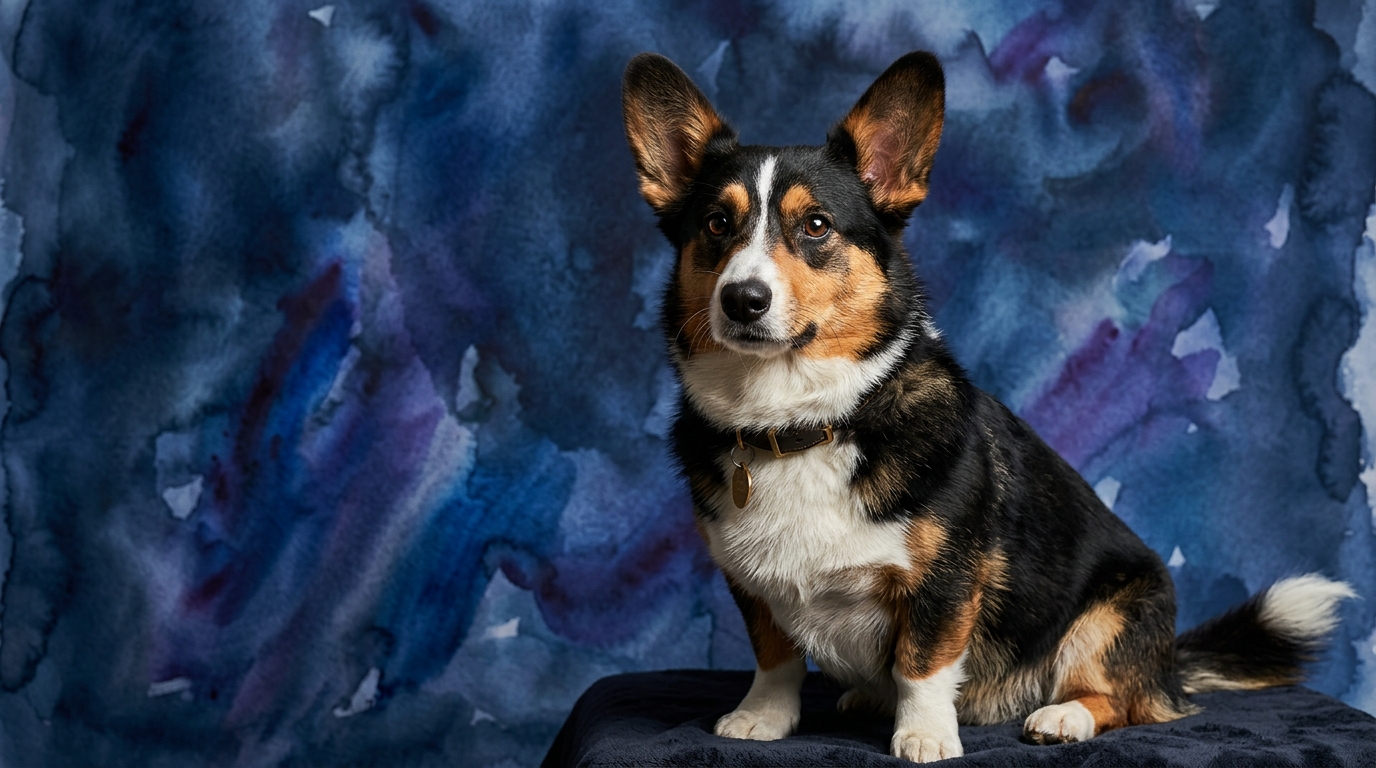
**Cardigan Welsh Corgi (Herding, Coren Rank #26)**: Originating as a drover's companion, the Cardigan's cognitive abilities are finely tuned for cooperative work. Their problem-solving (4/5) excels at strategizing movement and control, outthinking livestock and navigating complex environments. Training speed (4/5) is impressive; they are quick studies, eager to learn and respond to cues, absorbing new commands rapidly due to their desire to work alongside humans. Social intelligence (3/5) leans towards understanding hierarchical structures and group dynamics, being attuned to a handler's intentions but often reserved with strangers. Their instinctive drive (3/5) is primarily herding, manifesting as a tendency to 'manage' their household, requiring appropriate outlets. Memory (4/5) is formidable, allowing recall of complex command sequences, territory layouts, and family routines, supporting consistent training and anticipation.
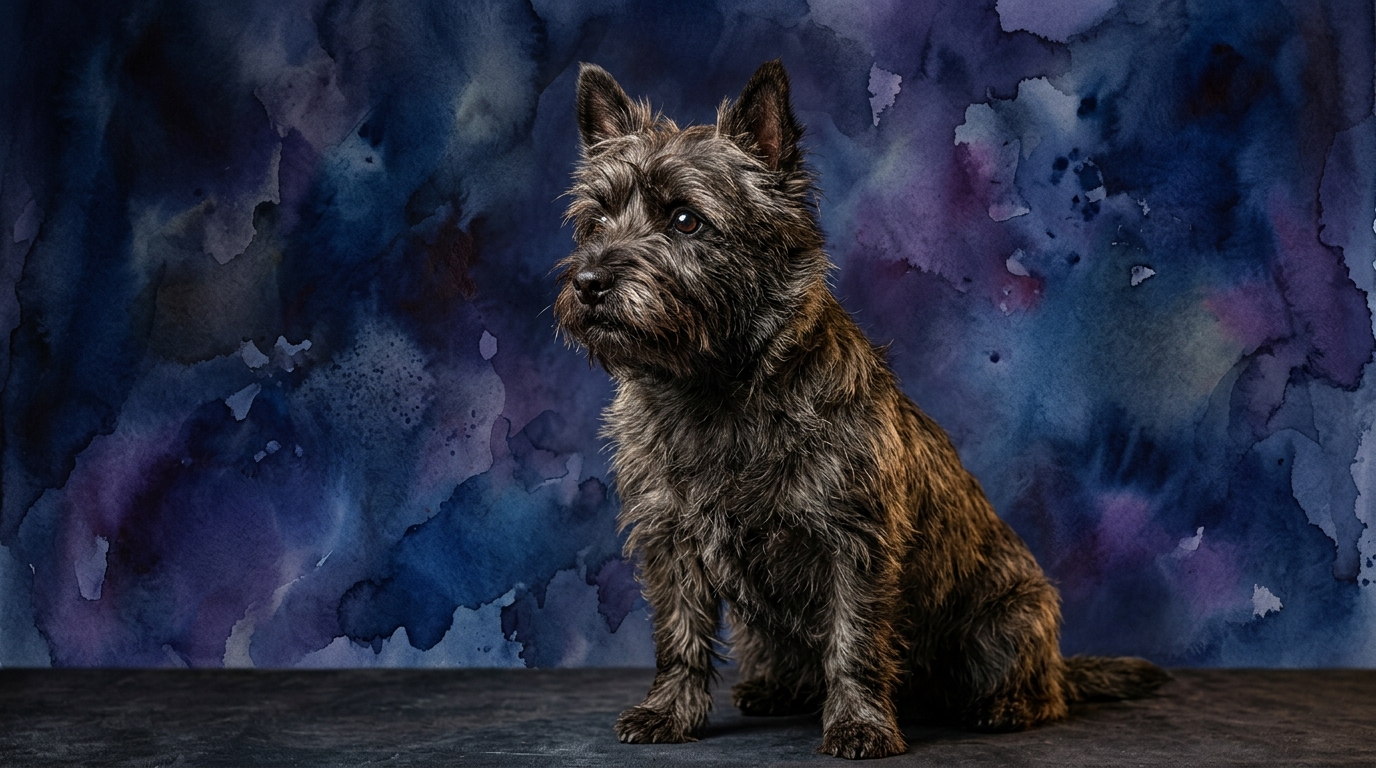
**Cairn Terrier (Terrier, Coren Rank #35)**: Bred to hunt vermin in rocky terrain, the Cairn's intelligence is characterized by tenacious independence. Their problem-solving (4/5) is resourceful, often employing trial-and-error to navigate tight spaces and persist until a goal is achieved. Training speed (4/5) is quick; they absorb commands and tricks with enthusiasm. However, their independent nature means they might choose *when* to comply, requiring engaging and varied methods. Social intelligence (3/5) involves keen awareness of human family emotions and social cues, but interactions are colored by independence and occasional feistiness. Their instinctive drive (3/5) is rooted in their terrier heritage: digging, chasing, and barking, requiring channeling through appropriate games. Memory (4/5) is excellent, particularly for places, routines, and the locations of interesting smells or buried treasures, contributing to consistency and effective navigation.
Where the Cardigan Welsh Corgi Wins Cognitively
The Cardigan Welsh Corgi shines in tasks requiring structured cooperation and predictable, sequential execution. Their background as herding dogs means they are inherently wired to understand and respond to human direction for a collective purpose. This manifests as superior performance in advanced obedience, agility courses demanding precise movements, or complex trick training with chained commands. Their cognitive strength lies in processing and acting upon instructions with a desire to work *with* their handler, making them exceptional partners in activities relying on shared objectives and clear communication. They apply problem-solving skills consistently within a human-provided framework.
Where the Cairn Terrier Wins Cognitively
The Cairn Terrier's cognitive strengths lie in independent problem-solving and tenacious resourcefulness, particularly when faced with novel situations requiring autonomous action. Their heritage of hunting vermin in rugged terrain instilled a formidable ability to think creatively and persist without constant human guidance. This means a Cairn might excel at bypassing an unexpected barrier, locating a hidden object through scent, or improvising a solution when standard approaches fail. Their tenacity and willingness to experiment make them exceptional at overcoming obstacles through sheer will and clever, self-directed exploration.
Which is Easier to Train and Why
While both breeds score 4/5 in Training Speed, the *ease* of training differs significantly due to behavioral predispositions. The Cardigan Welsh Corgi generally presents as easier for compliance-based tasks. Their herding instinct makes them attuned to human direction and eager to please, fostering a strong desire for cooperation. They are typically more receptive to traditional command-and-response training, thriving on partnership and clear structure. For instance, teaching a Cardigan "stay" in a distracting environment might see quicker, more consistent adherence because their inherent drive is to work in concert with their handler.
Conversely, the Cairn Terrier, despite quick learning, can be more challenging for absolute obedience due to its independent and persistent nature. They learn fast, but their strong will means they might weigh the 'cost-benefit' of obeying versus pursuing an interesting scent. A Cairn might learn "stay" just as quickly, but their ingrained drive to explore might break the stay if something more compelling arises, requiring consistent, engaging, and varied motivational strategies. Training a Cairn often feels more like negotiation than direct instruction, demanding creativity and deep understanding of their motivations.
Which Suits Active Owners vs. Relaxed Owners
Both breeds benefit from active engagement, but ideal activity types diverge based on their cognitive and instinctive profiles. The Cardigan Welsh Corgi, with its herding background, thrives with owners who enjoy structured activities and mental stimulation tapping into their cooperative nature. They suit active owners wanting a partner in dog sports like agility, obedience, rally, or herding trials, where precision, teamwork, and problem-solving within rules are paramount. While adaptable to a more relaxed home, they require consistent mental challenges and a sense of purpose to prevent boredom, which can manifest as excessive barking or 'herding' household members. They are less suited for owners preferring minimal interaction or only passive physical exercise.
The Cairn Terrier, also requiring activity, suits owners appreciating a spirited, self-reliant companion and enjoying more unstructured, exploratory adventures. Their terrier instincts for digging, chasing, and investigating make them ideal for active owners who enjoy long walks with opportunities for sniffing, earthdog trials, or vigorous play simulating hunting behaviors. They are excellent companions for owners who appreciate a strong personality and are prepared for a dog that often initiates its own entertainment. While they can relax indoors, their tenacious energy and curious mind mean they are not content with being couch potatoes and require regular outlets for their innate drives, making them less ideal for very relaxed owners.
The Verdict
Choose a Cardigan Welsh Corgi if you desire a highly cooperative and trainable partner for structured activities like dog sports, valuing a dog that thrives on clear direction and teamwork.
Choose a Cairn Terrier if you are drawn to a tenacious, independent problem-solver with a spirited personality, enjoying engaging in exploratory activities and creative training.
🧠 Find Your Pet's IQ Score
Our Pet IQ Lab assessment covers 25+ tests across 5 cognitive dimensions — personalized to your breed.
Take the Full IQ Test →Frequently Asked Questions
Are Cardigan Welsh Corgis prone to specific behavioral challenges related to their herding instinct?
Yes, their strong herding drive can lead to nipping at heels, particularly of children, or attempting to 'herd' family members. This behavior requires early training and redirection, providing appropriate outlets for their instinct like herding games or puzzle toys to manage their drive constructively.
How does the Cairn Terrier's strong instinctive drive impact living in an urban environment?
In an urban setting, a Cairn's digging and chasing instincts require careful management; a secure yard is essential, and leashed walks are crucial to prevent them from pursuing perceived prey. Providing plenty of mental stimulation through scent games and training can help channel their drives positively.
Do both breeds require similar amounts of mental stimulation despite their different cognitive styles?
Yes, both breeds have a high need for mental stimulation, though the *type* differs; Corgis thrive on structured learning and cooperative tasks, while Cairns benefit from independent problem-solving challenges and opportunities to explore. Owners should tailor mental exercises to suit each breed's inherent cognitive strengths and drives to ensure their well-being.