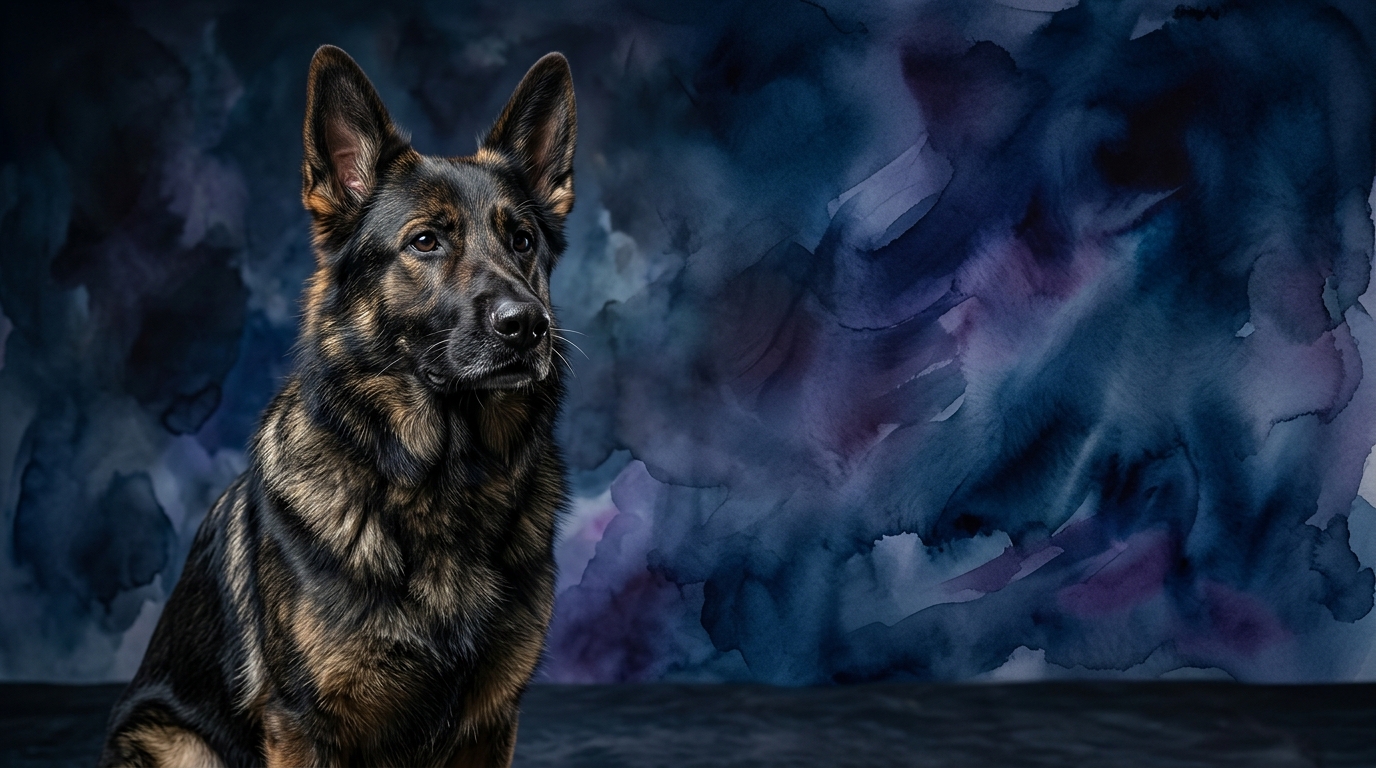
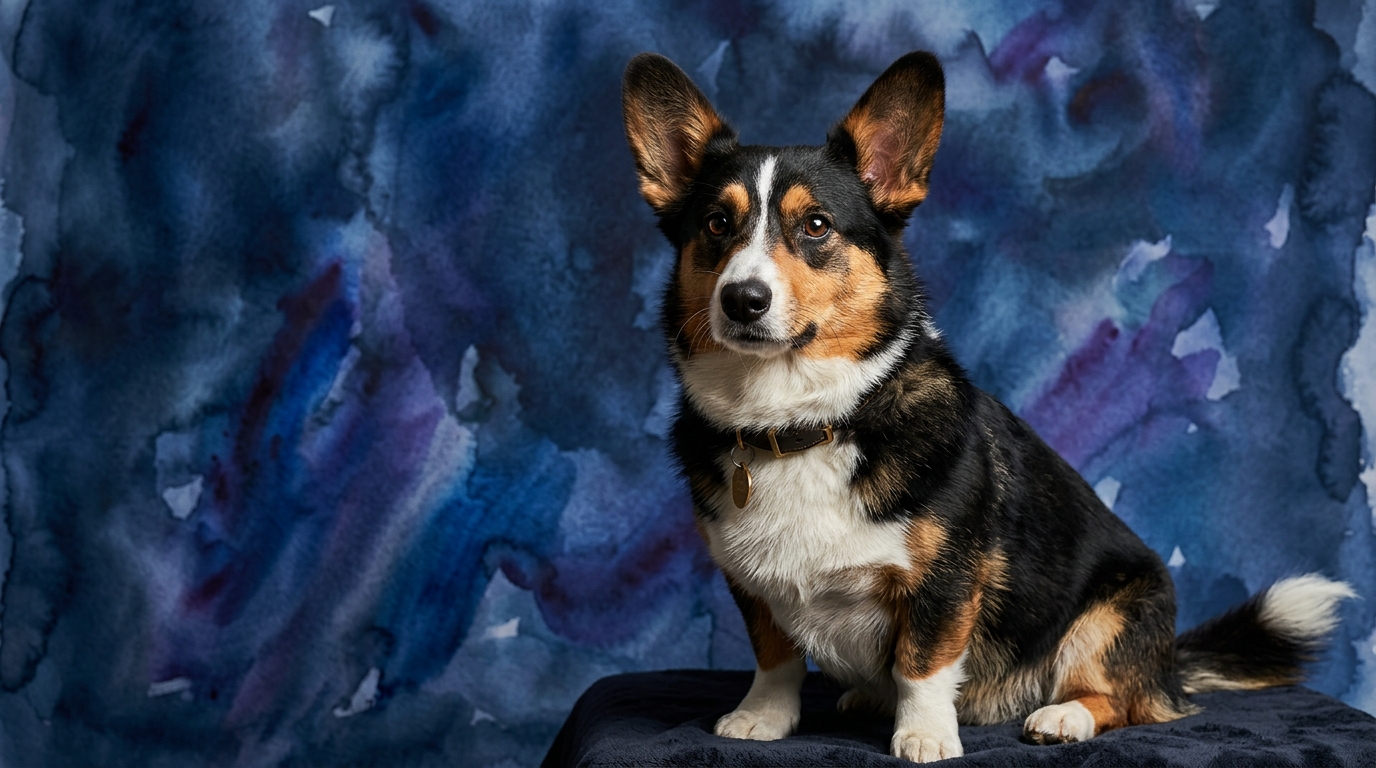
Side-by-Side IQ Profile: German Shepherd vs. Cardigan Welsh Corgi
The German Shepherd exhibits a comprehensive suite of cognitive strengths, scoring 5/5 across all five evaluated dimensions. Their problem-solving capacity is exceptional, allowing them to grasp intricate tasks and adapt strategies in complex environments. This is complemented by a 5/5 training speed, indicating a rapid acquisition of new commands and a strong eagerness to learn, making them highly responsive to instruction.
Further defining the German Shepherd's cognitive architecture is their 5/5 social intelligence, reflecting a profound understanding of human cues and a deep, collaborative bond. Their instinctive drive, also at 5/5, manifests as potent herding, guarding, and protective instincts, providing a powerful motivation for work. Finally, a 5/5 memory ensures excellent retention of learned behaviors, commands, and experiences over long periods, crucial for sustained performance in demanding roles.
The Cardigan Welsh Corgi presents a distinct cognitive profile, beginning with a strong 4/5 in problem-solving. This signifies a capable and resourceful mind, adept at navigating challenges and figuring out clever solutions within their environment. Their training speed, rated at 4/5, indicates they learn quickly and respond well to consistent, positive reinforcement, making them receptive students.
However, the Cardigan's 3/5 in social intelligence suggests a more independent nature; while they understand human interaction, they may be less overtly collaborative or handler-focused than some breeds. Their instinctive drive, also at 3/5, reflects inherent herding tendencies, often expressed through playful nipping or bossiness rather than broad strategic movement of livestock. A solid 4/5 in memory ensures good recall of commands and routines, allowing them to retain past experiences effectively.
Where the German Shepherd Excels Cognitively
The German Shepherd’s cognitive framework is optimized for complex, cooperative work, giving them a distinct advantage in roles demanding intricate understanding and execution. Their 5/5 problem-solving and training speed translate into an unparalleled capacity for mastering multi-stage commands and adapting to novel situations with remarkable fluidity. This makes them exceptionally suited for specialized tasks like scent detection, advanced obedience, or navigating intricate obstacle courses, where precision and rapid learning are paramount.
Their 5/5 social intelligence and instinctive drive foster a profound partnership with their human handlers. This isn't merely about following orders; it's about anticipating needs, interpreting subtle cues, and possessing an intrinsic desire to collaborate on a deep level. This exceptional attunement allows German Shepherds to excel in roles requiring tight coordination, such as service work, protection, or search and rescue, where their focus and directed work ethic are invaluable.
The robust 5/5 memory of the German Shepherd further solidifies their cognitive edge. This allows them to retain vast repertoires of commands, learned behaviors, and complex routines over extended periods and across varied environments. For roles demanding consistent performance and the application of a wide range of skills, this superior recall ensures reliability and adaptability, enabling them to build upon past experiences to tackle new challenges effectively.
Distinct Cognitive Strengths of the Cardigan Welsh Corgi
While the German Shepherd shines in overt collaboration, the Cardigan Welsh Corgi offers a different, equally valuable set of cognitive strengths. Their 4/5 problem-solving isn't about grand strategies but about resourceful persistence and cleverness in everyday scenarios. They are adept at figuring out practical solutions, whether it's manipulating a gate latch, finding a way to reach a coveted toy, or navigating their environment efficiently despite their stature. This often manifests as ingenious, self-directed solutions.
The Cardigan's 3/5 social intelligence, rather than being a deficit, can be viewed as a cognitive win for owners who appreciate a certain level of independence. This breed possesses an autonomous thinking quality, capable of self-amusement and making decisions without constant human direction. They are not overly reliant on their handler for every stimulus, which can be advantageous in homes where a dog that can entertain itself and think for itself is valued.
Their instinctive drive at 3/5, while less intense than a German Shepherd's, offers a more manageable expression of their herding heritage. This means their cognitive functions are less overwhelmingly channeled into intense working outlets, making them highly adaptable to varied living situations. Their solid 4/5 memory ensures they remember household routines and tricks effectively, proving that their cognitive capabilities are perfectly ample for a well-adjusted, engaging companion without requiring the same demanding cognitive workload as a GSD.
Trainability: German Shepherd vs. Cardigan Welsh Corgi
When it comes to trainability, the German Shepherd generally presents a more straightforward path for owners, largely due to their exceptional cognitive scores. Their 5/5 training speed means they absorb new commands and concepts with remarkable rapidity, often requiring fewer repetitions than other breeds. Coupled with their 5/5 social intelligence, they possess an intrinsic desire to partner and please their handler, making them eager collaborators in structured learning environments. They thrive on clear direction and consistent feedback, allowing them to excel in advanced obedience, protection sports, and complex task training.
The Cardigan Welsh Corgi, while possessing a commendable 4/5 training speed, approaches learning with a different cognitive style. Their 3/5 social intelligence suggests a more independent nature; they are capable learners but might not always prioritize pleasing their handler above their own clever inclinations. This means training often requires more creative motivation, patience for occasional stubborn streaks, and a deep understanding of their self-directed problem-solving. Owners might find that while a Corgi learns, they might also weigh the effort against the reward, sometimes opting for their own ingenious solutions if the motivation isn't compelling.
Behaviorally, German Shepherds often actively seek guidance and reinforcement from their human, viewing training as a collaborative venture. Their strong instinctive drive (5/5) can be channeled effectively into purposeful work, making them highly focused students. Cardigan Welsh Corgis, by contrast, might occasionally test boundaries with their independence, requiring more consistent reinforcement and varied approaches to maintain engagement. They are certainly capable of learning a wide range of commands and tricks, but their training journey might involve more nuanced motivational strategies to harness their intelligence effectively.
Suitability for Active vs. Relaxed Owners
For the highly active and engaged owner, the German Shepherd is an ideal match. Their profound 5/5 instinctive drive and equally strong problem-solving capacity demand substantial mental and physical outlets. These dogs thrive on challenging activities such as advanced obedience, protection sports, scent work, agility, or extensive hiking and running. A German Shepherd's cognitive architecture is deeply intertwined with purposeful work; without sufficient stimulation, their considerable intelligence and energy can lead to boredom and potentially destructive behaviors. They require an owner who can commit to integrating them into a demanding, structured lifestyle.
Conversely, the Cardigan Welsh Corgi is better suited for owners who might describe themselves as more relaxed, yet still committed to consistent engagement. While not couch potatoes, their 3/5 instinctive drive and 3/5 social intelligence mean they require regular daily walks, moderate playtime, and engaging puzzles, but typically don't demand the intense, demanding work of a German Shepherd. They fit well into a home that offers consistent interaction and mental stimulation without requiring a full-time job of tasking and training.
The difference in their cognitive needs significantly impacts their lifestyle suitability. A German Shepherd's mind needs constant challenges and a 'job' to do, often requiring an owner who is an active participant in their dog's daily mental and physical exertion. A Cardigan Welsh Corgi, while still needing engagement, can find satisfaction in varied mental challenges and shorter bursts of physical activity, integrating more smoothly into a less rigorous, but still attentive, lifestyle. They appreciate routine and mental games without needing to be constantly 'on duty'.
The Verdict
Choose the German Shepherd if you are seeking a deeply collaborative, highly trainable working partner for demanding activities, protection, or service roles, and can commit to extensive mental and physical stimulation.
Opt for the Cardigan Welsh Corgi if you desire a clever, adaptable, and spirited companion capable of learning and participating in moderate activities, and you appreciate a dog with a charming independent streak and less intense working demands.
🧠 Find Your Pet's IQ Score
Our Pet IQ Lab assessment covers 25+ tests across 5 cognitive dimensions — personalized to your breed.
Take the Full IQ Test →Frequently Asked Questions
Is a German Shepherd always more trainable than a Cardigan Welsh Corgi?
Generally, yes, due to their higher training speed and profound social intelligence. German Shepherds typically absorb complex commands and multi-step routines with greater rapidity and a stronger desire to cooperate, making advanced training more direct. Cardigans are trainable but may require more patience and varied motivational techniques.
Do Cardigan Welsh Corgis lack problem-solving skills compared to German Shepherds?
Not at all. Cardigan Welsh Corgis possess strong problem-solving skills (rated 4/5), demonstrating cleverness and resourcefulness in navigating their environment and achieving their goals. While German Shepherds excel in complex, abstract problem-solving, Corgis are adept at practical, often self-serving, solutions.
Can a Cardigan Welsh Corgi be a good working dog?
Yes, Cardigan Welsh Corgis are historically working dogs, specifically for herding cattle. While their instinctive drive (3/5) is less intense than a German Shepherd's, they can excel in specific dog sports like herding trials, agility, and obedience, proving their capability as active participants in structured tasks.