Side-by-Side IQ Profile: Unpacking Cognitive Dimensions
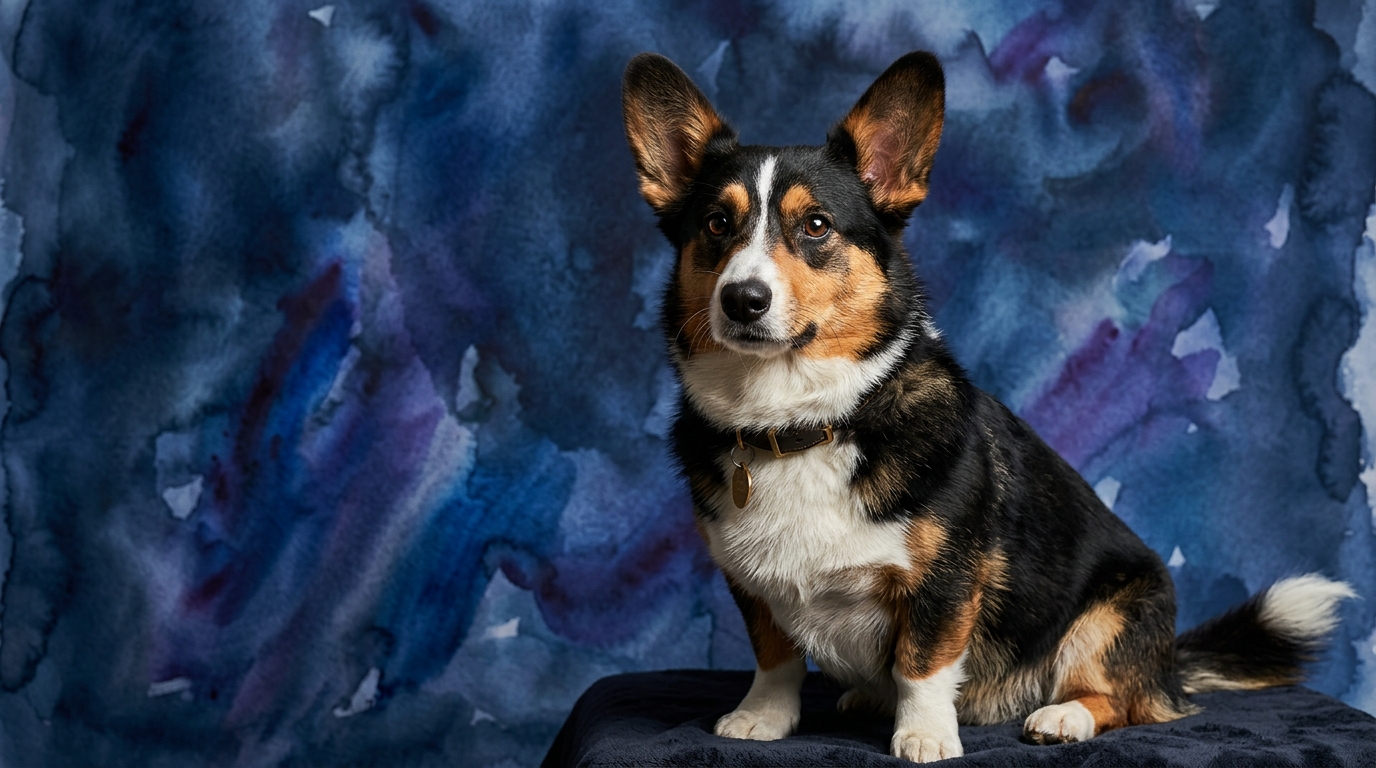
The Cosmic Pet Pet IQ Lab employs a multi-faceted approach to canine intelligence, assessing five key dimensions. For the Cardigan Welsh Corgi, a breed recognized by Stanley Coren at rank #26 for Working & Obedience Intelligence, its profile includes a robust Problem Solving score of 4/5, indicating an adeptness at navigating complex situations and devising novel solutions. Its Training Speed also stands at 4/5, suggesting a quick grasp of new commands and concepts, often requiring fewer repetitions. Social Intelligence is rated at 3/5, reflecting a capacity for connection and reading cues, but perhaps with a degree of discernment or independence. Instinctive Drive, at 3/5, points to a present but manageable herding inclination, often expressed through strategic positioning and low-heeling. Finally, its Memory is a commendable 4/5, allowing for excellent retention of routines, learned behaviors, and spatial information.
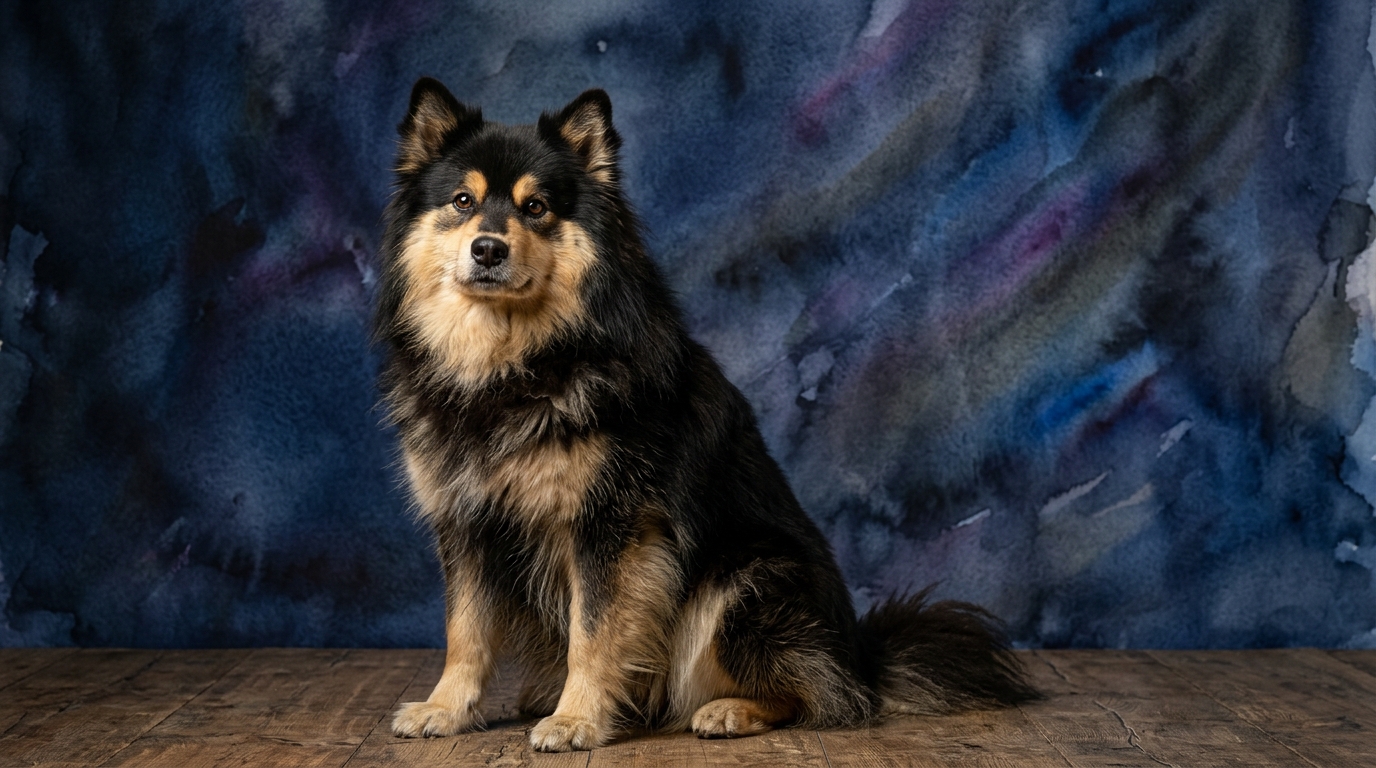
In contrast, the Finnish Lapphund, though not featured in Coren's traditional ranking, presents a more uniformly balanced, albeit slightly lower, cognitive profile. Its Problem Solving ability scores 3/5, meaning it is capable of addressing challenges but might prefer established methods or require more guidance in novel scenarios. Training Speed is also 3/5, indicating a steady learning pace that benefits significantly from consistent, positive reinforcement rather than rapid-fire instruction. Like the Corgi, its Social Intelligence is 3/5, suggesting a strong capacity for bonding and environmental awareness, often manifesting as a loyal and attentive family member. Instinctive Drive mirrors the Corgi at 3/5, reflecting its herding heritage of gathering and guarding, often with a vocal component. Its Memory is rated 3/5, signifying a good ability to recall information, though perhaps requiring more regular reinforcement to solidify long-term retention compared to its Corgi counterpart.
Where the Cardigan Welsh Corgi Shines Cognitively
The Cardigan Welsh Corgi's cognitive strengths distinctly lie in its superior capacity for rapid acquisition of knowledge and its strategic problem-solving prowess. With a 4/5 in both Training Speed and Problem Solving, the Corgi exhibits a keen ability to analyze new situations quickly and formulate effective responses. This often translates into excelling at complex obedience routines, agility courses, or even intricate puzzle toys where independent thought is rewarded. Their 4/5 Memory further enhances this, allowing them to build upon previous lessons and recall multi-step commands with impressive accuracy, making them particularly receptive to advanced training disciplines and intricate sequences of actions. Owners often observe their Cardigan 'thinking through' a problem rather than just trying brute force, like figuring out how to open a child-proof gate by observing humans or manipulating the latch with their nose and paws.
Cognitive Strengths of the Finnish Lapphund
While the Finnish Lapphund's scores might appear numerically lower in some areas, its cognitive strengths are rooted in a different kind of resilience and consistency, particularly suited to its historical role. The Lapphund's 3/5 in Social Intelligence and Instinctive Drive, coupled with its overall steady learning, allows it to form exceptionally strong, reliable bonds within its family unit while maintaining a watchful, protective demeanor. Its problem-solving, though rated 3/5, is often applied to maintaining flock cohesion or discerning potential threats rather than complex trick-learning. This breed excels in tasks requiring endurance, focus over extended periods, and a steadfast commitment to its guardian role, where a sudden burst of brilliance is less valuable than consistent, reliable effort. For instance, a Lapphund's cognitive strength might manifest as patiently tracking a stray sheep over varied terrain for hours or reliably alerting to unusual sounds, rather than quickly learning a new agility course pattern. Their cognitive profile supports a deep, unwavering loyalty and a dependable, calm presence within the home, making them excellent companions for those who appreciate a more grounded and less frenetic mental engagement.
Training Dynamics: Cardigan Welsh Corgi vs. Finnish Lapphund
When it comes to ease of training, the Cardigan Welsh Corgi generally holds an edge due to its higher scores in Training Speed (4/5) and Memory (4/5). A Corgi will typically pick up new commands and behaviors with fewer repetitions, often showing enthusiasm for varied training sessions and quickly connecting actions with desired outcomes. Their inherent problem-solving ability means they can often generalize learned behaviors to new contexts more readily. However, this quick wit can also mean they can develop undesirable habits just as fast if owners aren't consistent, and they may become bored or mischievous if training lacks novelty or mental challenge. Owners might find a Corgi attempting to 'train' them if boundaries aren't clear, using their intelligence to manipulate situations to their advantage, such as feigning deafness when a recall is inconvenient.
The Finnish Lapphund, with 3/5 in both Training Speed and Memory, requires a more patient, consistent, and positive reinforcement-based approach. While they are certainly capable learners, they tend to internalize lessons at a more deliberate pace. Rushing a Lapphund or employing harsh methods can lead to resistance or disengagement, as their social intelligence (3/5) makes them sensitive to their handler's demeanor. Their learning style benefits from clear, calm instructions and ample opportunities to practice and solidify new skills. While they may not master a new trick in a single session, once a Lapphund understands a command and trusts its handler, that knowledge is deeply ingrained, reflecting a steadfastness that is a hallmark of the breed. For instance, a Lapphund might take longer to learn 'stay' but once mastered, will hold it with impressive reliability, whereas a Corgi might learn it faster but test boundaries more frequently.
Matching Breeds to Owner Lifestyles
For active owners who relish engaging in dog sports, advanced obedience, or enjoy teaching complex tricks, the Cardigan Welsh Corgi presents an ideal match. Their higher problem-solving capacity and rapid training speed mean they thrive on mental stimulation and excel in activities like agility, rally obedience, or even scent work. These owners will appreciate a dog that quickly grasps new concepts and is eager to participate in varied, mentally challenging activities. A Corgi needs an owner who can consistently provide intellectual engagement and harness its keen mind, otherwise, its intelligence might be directed towards less desirable pursuits like figuring out how to open cupboards or orchestrating elaborate games of 'keep away' with forbidden items. Their 3/5 instinctive drive, while present, is typically manageable and can be channeled into appropriate outlets.
Conversely, the Finnish Lapphund is better suited for owners who appreciate a more relaxed, yet deeply connected, companion and are willing to invest steady, patient effort into training. While they enjoy activity, their cognitive profile leans towards a more consistent, less frenetic engagement. Owners who enjoy long, meditative walks, are content with a reliable companion for outdoor adventures, and prioritize a calm, watchful presence will find the Lapphund fulfilling. Their 3/5 social intelligence makes them excellent family dogs, forming strong bonds and being generally good with children and other pets when properly socialized. They are not necessarily 'relaxed' in the sense of being sedentary; rather, their activity is often purposeful and enduring, reflecting their herding heritage of sustained effort. An owner who understands and respects their deliberate learning pace and values a steadfast, loyal temperament will find a deeply rewarding relationship with a Finnish Lapphund.
The Verdict
Choose the Cardigan Welsh Corgi if you seek a quick-witted, highly trainable companion eager for complex mental challenges and dog sports, and you are prepared to provide consistent intellectual stimulation. Their sharp problem-solving and rapid learning make them ideal for owners who enjoy active, varied training.
Opt for the Finnish Lapphund if you value a steadfast, loyal companion with a calm demeanor, and you are willing to invest patient, consistent effort into training. Their reliable nature and strong family bonds make them perfect for owners seeking a devoted presence and who appreciate a more deliberate, enduring engagement.
🧠 Find Your Pet's IQ Score
Our Pet IQ Lab assessment covers 25+ tests across 5 cognitive dimensions — personalized to your breed.
Take the Full IQ Test →Frequently Asked Questions
Which breed is better for first-time dog owners?
The Cardigan Welsh Corgi's quicker learning curve can be advantageous for first-time owners who are committed to consistent training and mental stimulation, as they will see results faster. However, the Finnish Lapphund's more laid-back learning style and strong family orientation can also be suitable for patient first-time owners who are prepared for a steady, positive reinforcement approach.
Do either of these breeds tend to be vocal?
Both breeds can be vocal, though for different reasons. Cardigan Welsh Corgis often use their voices to express opinions or alert to novelties, sometimes barking at perceived threats or simply for attention. Finnish Lapphunds are traditionally known for their 'barking' herding style, using their voice to manage reindeer, and may alert to strangers or unusual sounds with barks, but typically less incessantly than some other breeds.
How do their herding instincts manifest differently?
The Cardigan Welsh Corgi's herding instinct often manifests as 'nipping' at heels and strategically positioning themselves to move livestock, reflecting their role in driving cattle. The Finnish Lapphund, by contrast, typically exhibits a 'gathering' herding style, focusing on keeping the flock (or family members) together, often using their voice and body language to guide rather than forcefully drive.