Side-by-Side Cognitive Profiles
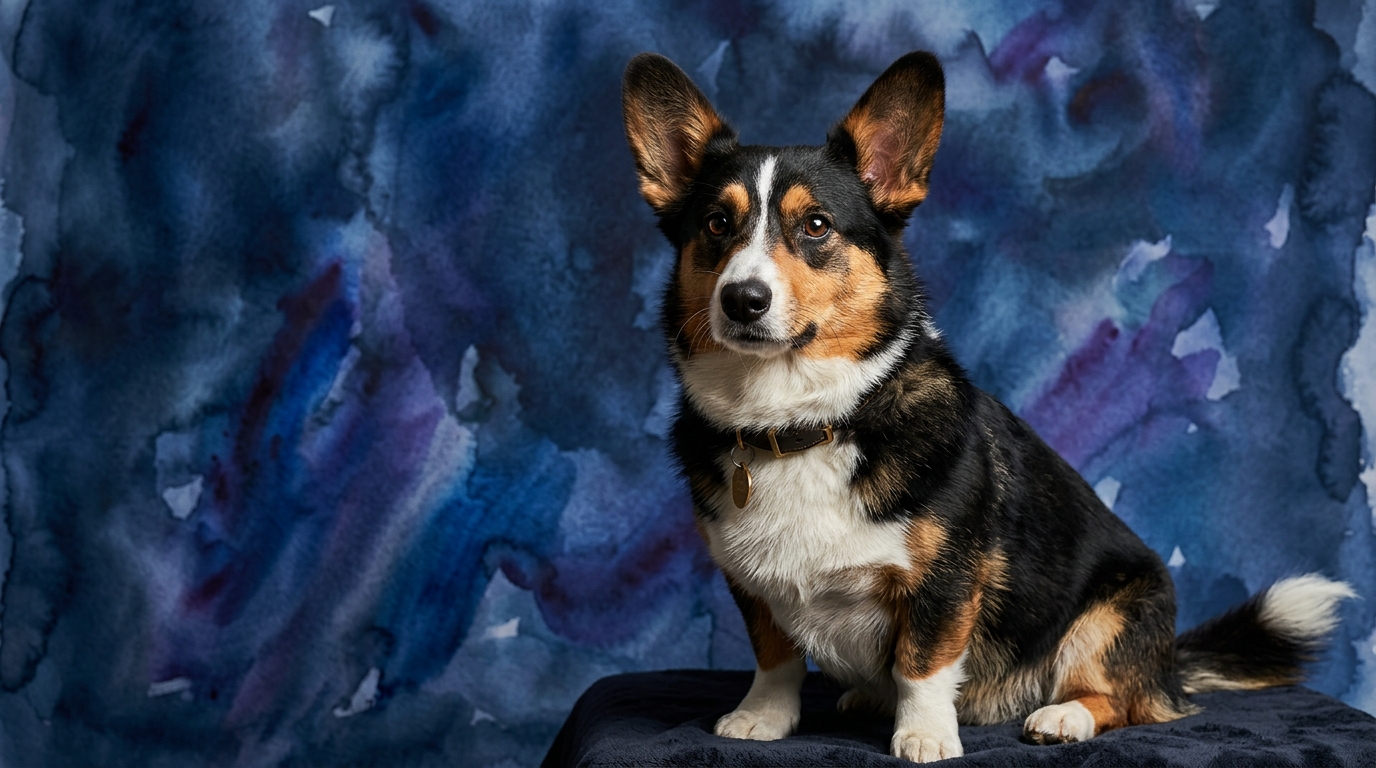
The Cardigan Welsh Corgi, a member of the Herding Group and ranked #26 by Coren, showcases a cognitive profile reflecting its demanding historical role. Their Problem Solving is rated 4/5, indicating a robust capacity for figuring out complex situations, a trait honed by their need to maneuver livestock. This manifests in their ability to navigate obstacles, open latches, or devise strategies to access desired objects, often requiring multi-step thinking. Their Training Speed is also 4/5; these dogs absorb new commands and routines with impressive alacrity, a direct benefit of their herding ancestry where quick, precise responses to handler cues were paramount for effective flock management. They typically grasp concepts rapidly and are eager to apply them. Cardigans possess a solid Social Intelligence (3/5), understanding social cues and responding appropriately within a pack or family, though their independence, typical of herding breeds, means they might occasionally prioritize their own 'agenda.' Their Instinctive Drive (3/5) is present but generally manageable, expressed through a desire to gather or 'nudge' family members and sometimes a keen interest in moving objects. Finally, their Memory is 4/5, exhibiting strong recall of commands, routines, and even specific locations or events over extended periods, aiding significantly in their training consistency and environmental navigation.
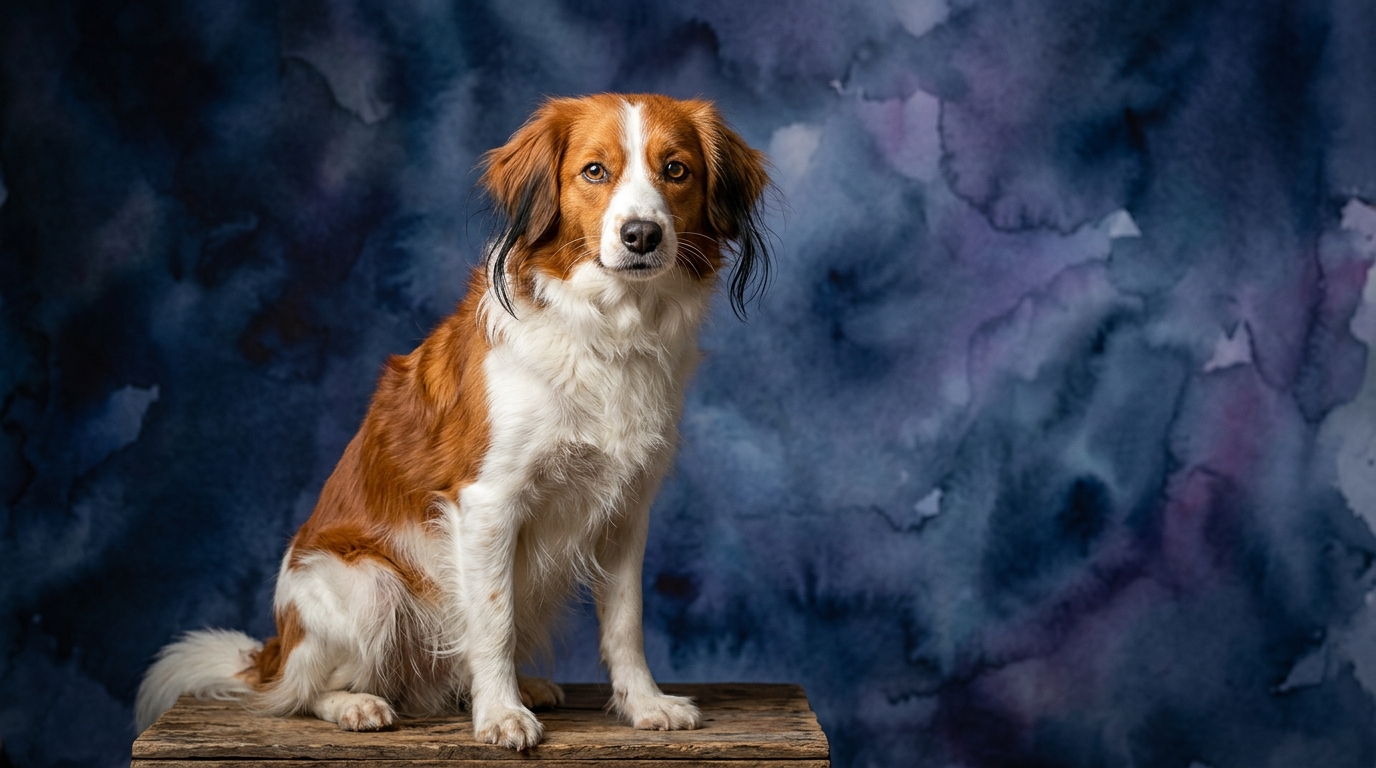
The Kooikerhondje, a Sporting Group dog not ranked by Coren, presents a balanced cognitive profile, with consistent scores across the board. Their Problem Solving is 3/5; while capable of resolving many common challenges, their ingenuity might lean more towards efficient execution of known solutions rather than inventing novel ones, reflecting their role in repetitive decoy work. Their Training Speed is 3/5; Kooikerhondjes learn at a steady and reliable pace, receptive to instruction and forming associations effectively, though they may require more consistent repetition than a Cardigan to solidify new behaviors, aligning with a breed that performs specific, learned tasks. Like the Corgi, their Social Intelligence is 3/5, displaying a comparable level of social awareness and forming strong bonds with their families, generally attuned to human emotions and making them sensitive companions. The Kooikerhondje’s Instinctive Drive (3/5) is rooted in its historical role as a duck decoy dog, manifesting as a keen interest in chasing and retrieving, and a natural curiosity. This drive is a focused energy, directed towards specific tasks rather than broad herding impulses. Their Memory is also 3/5, reliable enough to retain training and recall specific locations or people, certainly sufficient for consistent performance in daily life and learned activities.
Where the Cardigan Welsh Corgi Wins Cognitively
The Cardigan Welsh Corgi truly shines in its capacity for inventive problem-solving and robust memory, both rated at 4/5. Their herding heritage demanded quick thinking to anticipate and direct livestock, translating into a dog that can independently assess situations and formulate solutions. This means a Corgi might figure out how to open a child-proof gate with more persistence and varied approaches than many other breeds, or remember a complex sequence of tricks months after practicing them. Owners often report Corgis 'thinking ahead' or trying different strategies when faced with a challenge, showcasing a cognitive flexibility that sets them apart.
Where the Kooikerhondje Wins Cognitively
While the Kooikerhondje’s individual scores are generally a point lower than the Corgi’s highest marks, its cognitive profile of consistent 3/5 across the board points to a balanced and predictable intellect. This consistency can be a distinct advantage for owners seeking a companion that is reliably competent without being overly ambitious or prone to outsmarting its human. Their sporting background fostered a focused, task-oriented mindset; they excel at mastering specific routines and performing them with dependable accuracy, rather than constantly seeking novel solutions. This means a Kooikerhondje might be less likely to become frustrated by repetitive training and more content with established patterns, making them excellent partners for specific dog sports or consistent daily routines.
Which is Easier to Train and Why
Based on their respective training speed scores, the Cardigan Welsh Corgi (4/5) generally proves easier to train than the Kooikerhondje (3/5). The Corgi's herding background instilled a deep-seated need for responsiveness and a rapid understanding of commands, as misinterpretations could lead to chaos with livestock. They often pick up new cues in fewer repetitions and readily generalize learned behaviors to new environments. In contrast, the Kooikerhondje, while trainable and willing, may require more patience and consistent reinforcement. Their sporting role often involved specific, repetitive tasks, meaning they are adept at mastering a routine once learned, but might take a bit longer to initially grasp the concept or generalize it beyond the initial training context. The Corgi's quicker cognitive processing and eagerness to engage in problem-solving often translate into a faster learning curve in obedience and trick training.
Which Suits Active Owners vs. Relaxed Owners
Both breeds are working dogs, meaning neither is truly suited for a 'relaxed' owner in the sense of minimal engagement. However, their cognitive profiles suggest different types of activity. The Cardigan Welsh Corgi, with its 4/5 problem-solving and memory, thrives with owners who enjoy providing varied mental challenges and structured activities. They excel in dog sports like agility, obedience, and scent work, where they can apply their intellect to complex tasks and remember intricate sequences. These dogs need an owner who can channel their inherent desire to 'manage' and 'figure things out' into constructive outlets, preventing them from inventing their own, potentially mischievous, forms of entertainment.
The Kooikerhondje, while also needing activity, might be better suited for owners who appreciate a more consistent, task-oriented partner. Their 3/5 scores across the board mean they are competent and engaged, but perhaps less prone to the independent, sometimes opinionated, cognitive endeavors of a Corgi. They excel in activities that mimic their historical duck decoying role, such as retrieving, tracking, or specific forms of agility where precision and focus are key. Owners who enjoy a dedicated partner for regular, structured exercises and appreciate a dog that performs reliably without constantly seeking new mental puzzles might find the Kooikerhondje a more harmonious fit. They still require daily exercise and mental stimulation, but their engagement might be more predictable and less demanding of constant novelty from their human companion.
The Verdict
Choose the Cardigan Welsh Corgi if you seek a cognitively nimble companion who thrives on complex problem-solving, rapidly learns new tasks, and enjoys outsmarting challenges. They are ideal for owners ready to engage with a dog that possesses a strong, independent mind and a knack for remembering intricate routines.
Opt for the Kooikerhondje if you prefer a consistently competent and focused partner for specific activities, valuing reliability and a steady learning pace over a dog that constantly seeks novel mental puzzles. This breed suits owners who appreciate a dedicated companion for structured training and regular, task-oriented engagement.
🧠 Find Your Pet's IQ Score
Our Pet IQ Lab assessment covers 25+ tests across 5 cognitive dimensions — personalized to your breed.
Take the Full IQ Test →Frequently Asked Questions
Does the Corgi's herding instinct make them difficult to live with?
The Cardigan Corgi's herding instinct (3/5) is a natural part of their behavior, often manifesting as gentle 'nudging' of family members or a desire to keep everyone together. While it requires appropriate channeling through training and mental stimulation, it doesn't inherently make them difficult; rather, it's a trait to understand and manage with positive reinforcement.
Are Kooikerhondjes good for first-time dog owners?
Kooikerhondjes, with their consistent 3/5 cognitive scores, can be suitable for first-time owners who are committed to patient, consistent training and providing ample mental and physical stimulation. Their focus and reliability make them rewarding partners, but their need for engagement means they aren't a 'hands-off' breed.
How do their social intelligence scores (both 3/5) compare in real-world interactions?
Both breeds demonstrate a solid understanding of social cues, forming strong bonds and generally interacting well within family units. The Corgi's social intelligence might be slightly more assertive due to its herding role, while the Kooikerhondje tends to be more reserved with strangers but deeply devoted to its inner circle, both reflecting a good balance of awareness and independent spirit.