Side-by-Side Cognitive Profiles: Cardigan Welsh Corgi vs. Löwchen
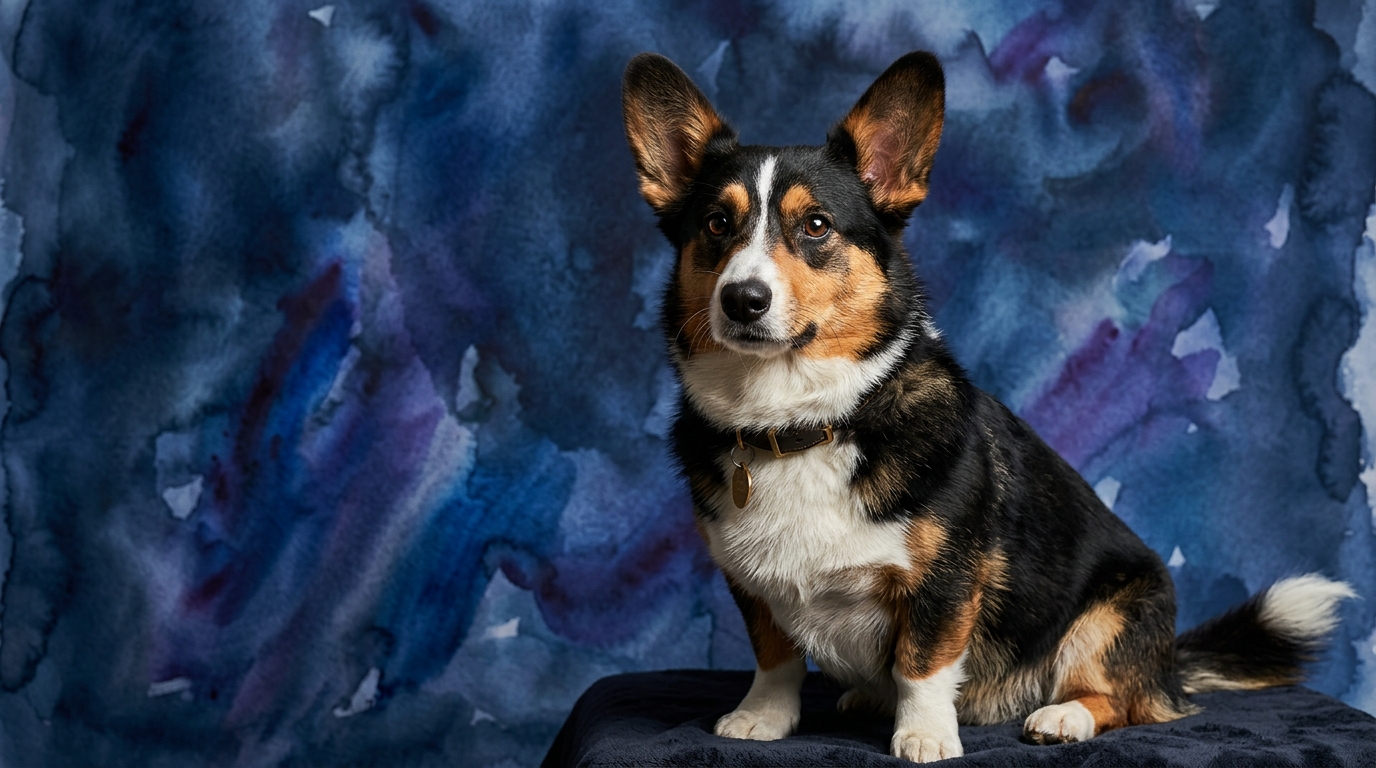
The Cardigan Welsh Corgi, a member of the Herding Group, holds a respectable Coren rank of #26, signifying a strong capacity for obedience and working intelligence. Their cognitive profile is marked by a Problem Solving score of 4/5, indicating a keen ability to navigate novel situations and figure out solutions independently. This often manifests as resourcefulness in tasks or clever strategies to achieve desired outcomes. Training Speed for the Corgi is also high at 4/5, suggesting they grasp new commands and routines with relative quickness and require fewer repetitions to solidify learning. Their Social Intelligence stands at 3/5, meaning they possess a solid understanding of social cues and group dynamics, enabling them to integrate well into family structures and interact appropriately with others. An Instinctive Drive of 3/5 reflects their heritage; while they retain some herding instincts, it's generally manageable for a companion animal. Finally, their Memory at 4/5 points to a strong ability to recall learned behaviors, locations, and past experiences, making them reliable in retaining complex sequences or long-term training.
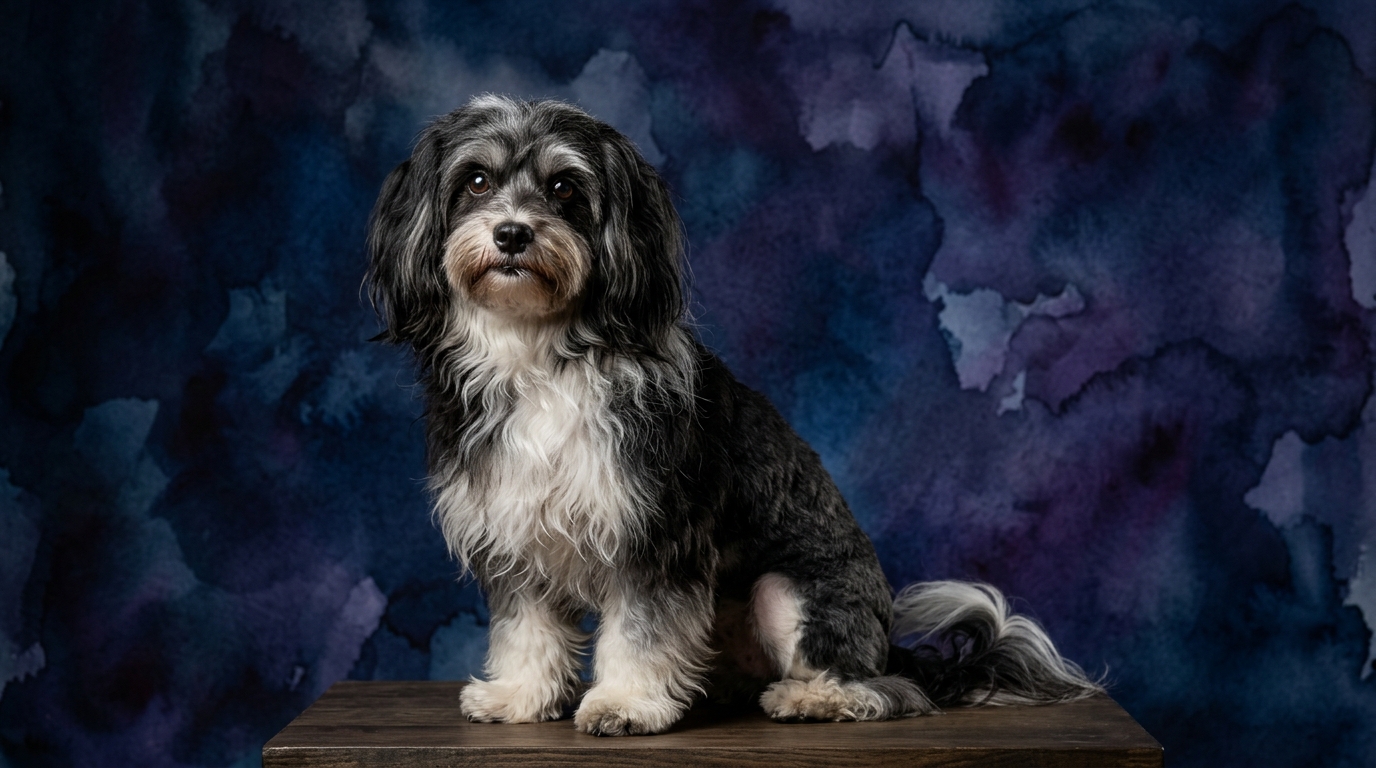
In contrast, the Löwchen, a charming breed from the Non-Sporting Group, does not have a Coren ranking, which often means their specific working intelligence has not been as extensively documented or emphasized in traditional obedience trials. Their IQ scores paint a picture of a well-rounded and agreeable companion: Problem Solving is rated at 3/5, indicating they can tackle straightforward puzzles but might require more guidance or trial-and-error for complex challenges compared to their Corgi counterparts. Their Training Speed is 3/5, suggesting they are receptive to learning but may take a moderate number of repetitions to fully internalize commands. Social Intelligence for the Löwchen is also 3/5, positioning them as adaptable and generally friendly dogs who can read and respond to social cues adequately, fostering harmonious relationships within their household. An Instinctive Drive of 3/5 suggests they have a moderate level of innate behaviors, which are typically manageable and contribute to their engaging personalities without overwhelming an owner. Their Memory score of 3/5 indicates a reliable capacity to remember past lessons and experiences, though perhaps not with the same depth or speed as a breed with a higher score.
Where the Cardigan Welsh Corgi Excels Cognitively
The Cardigan Welsh Corgi's cognitive strengths are particularly evident in areas demanding mental agility and retention. With a Problem Solving score of 4/5, they demonstrate a superior capacity for independent thought and strategic planning. This means a Corgi is more likely to devise creative ways to open a gate, retrieve a hidden toy, or even manipulate situations to their advantage, often requiring owners to stay a step ahead. Their herding background imbues them with an innate ability to assess situations and react, translating into a heightened awareness of their environment and the ability to adapt quickly to changes.
Furthermore, the Corgi's 4/5 Training Speed and 4/5 Memory scores combine to make them highly effective learners. They are quick to pick up new commands and retain them over extended periods, making advanced obedience, agility, or even trick training more accessible. This rapid assimilation of information means owners can introduce a wider variety of learning experiences, from complex multi-step routines to nuanced behavioral adjustments, and expect consistent results. Their ability to remember intricate sequences and past lessons facilitates building upon previous training, creating a robust foundation for ongoing cognitive development and engagement.
Where the Löwchen Shines Cognitively
While the Löwchen's individual scores might not reach the peaks of the Corgi in specific dimensions, their consistent 3/5 across all categories points to a remarkable balance and adaptability, which is a cognitive strength in its own right. This even distribution means the Löwchen is unlikely to present extreme challenges in any single cognitive area, offering a predictable and agreeable mental temperament. Their moderate Problem Solving and Training Speed mean they are capable of learning and adapting, but often in a more cooperative, less independently driven manner than a Corgi, which can be a distinct advantage for owners preferring a less 'calculating' companion.
The Löwchen's 3/5 Social Intelligence, coupled with their Non-Sporting heritage, suggests a dog whose cognitive processing is geared towards companionship and harmonious living. They are adept at reading human emotions and responding with empathy, often forming deep, intuitive bonds. Their instinctive drive, also 3/5, is typically expressed in playful curiosity rather than intense working behaviors, making them less prone to the strong, sometimes demanding, urges seen in breeds with higher, specialized drives. This balanced cognitive profile results in a dog that is consistently present, engaged, and emotionally attuned without requiring constant mental redirection or specialized tasks to satisfy complex innate needs.
Ease of Training: Corgi vs. Löwchen
When it comes to ease of training, the Cardigan Welsh Corgi generally holds an edge due to its higher Training Speed (4/5) and robust Memory (4/5). Corgis tend to grasp new concepts quickly, often requiring fewer repetitions before a command is solidified. Their problem-solving acumen (4/5) also plays a role, as they can extrapolate from learned behaviors and apply them to new, similar situations. For example, if taught to 'sit' and 'stay', a Corgi might more readily understand the concept of waiting for food or at a doorway without explicit additional training, demonstrating a deeper cognitive understanding of expectations.
The Löwchen, with a Training Speed of 3/5 and Memory of 3/5, is certainly trainable and eager to please, but might require a bit more patience and consistent repetition. They are responsive and enjoy interaction, but new commands may take a moderate number of sessions to become second nature. For instance, while a Corgi might perform a new trick after a few short sessions, a Löwchen might need several more to achieve the same level of fluency. Behavioral differences often stem from their breed purpose; Corgis were bred to work independently and make decisions, which translates to a sharper focus during training, whereas Löwchens were primarily companions, valuing interaction and positive reinforcement but perhaps without the same intense drive for precision or efficiency in learning complex tasks.
Owner Suitability: Active vs. Relaxed Lifestyles
The Cardigan Welsh Corgi's cognitive makeup makes them an excellent fit for active owners who enjoy engaging their dogs in various activities beyond simple walks. Their higher problem-solving ability and herding instinct (3/5) mean they thrive on mental stimulation and purpose-driven tasks. Owners who enjoy dog sports like agility, obedience trials, or even advanced trick training will find the Corgi's quick training speed and memory highly rewarding. They need consistent cognitive challenges to prevent boredom, which can sometimes manifest as mischievous problem-solving if not properly channeled. An active owner is one who can dedicate time to structured training sessions, puzzle toys, and interactive play that taps into their sharp intellect and moderate drive.
Conversely, the Löwchen, with its balanced 3/5 scores across the board and Non-Sporting background, is well-suited for more relaxed owners seeking a devoted and amiable companion. While they benefit from regular walks and playtime, their instinctive drive is less intense, and their problem-solving tends to be more about navigating social situations than complex tasks. A relaxed owner might appreciate a dog that is content with consistent, gentle training and values companionship over intense cerebral engagement. Löwchens are happy to be involved in family life, enjoying cuddles and moderate activity, making them ideal for individuals or families who desire a loving presence without the demanding cognitive workload often associated with working breeds.
The Verdict
Choose the Cardigan Welsh Corgi if you are an active owner seeking a highly trainable, problem-solving companion eager for mental challenges and structured activities, ready to engage with their sharp intellect.
Opt for the Löwchen if you prefer a balanced, amiable, and devoted companion who thrives on social interaction and moderate activity, offering a predictable and harmoniously integrated presence in a relaxed household.
🧠 Find Your Pet's IQ Score
Our Pet IQ Lab assessment covers 25+ tests across 5 cognitive dimensions — personalized to your breed.
Take the Full IQ Test →Frequently Asked Questions
Do Cardigan Welsh Corgis require a lot of mental stimulation?
Yes, Cardigan Welsh Corgis possess a 4/5 problem-solving ability and come from a herding background, meaning they benefit greatly from consistent mental challenges. Without adequate engagement, their sharp minds can lead them to invent their own 'work,' which might not always align with owner expectations.
Are Löwchens difficult to train due to their moderate scores?
Not at all. While Löwchens have a 3/5 training speed, they are eager to please and responsive to positive reinforcement. They may require slightly more repetition than a Corgi, but their social intelligence makes them very cooperative and a joy to train with patience and consistency.
Which breed is better for a first-time dog owner?
The Löwchen's balanced cognitive profile and agreeable nature generally make them a more forgiving choice for first-time owners. Their moderate drive and consistent temperament mean they are less likely to present complex behavioral challenges that might overwhelm someone new to dog ownership, compared to the more independent and problem-solving Corgi.