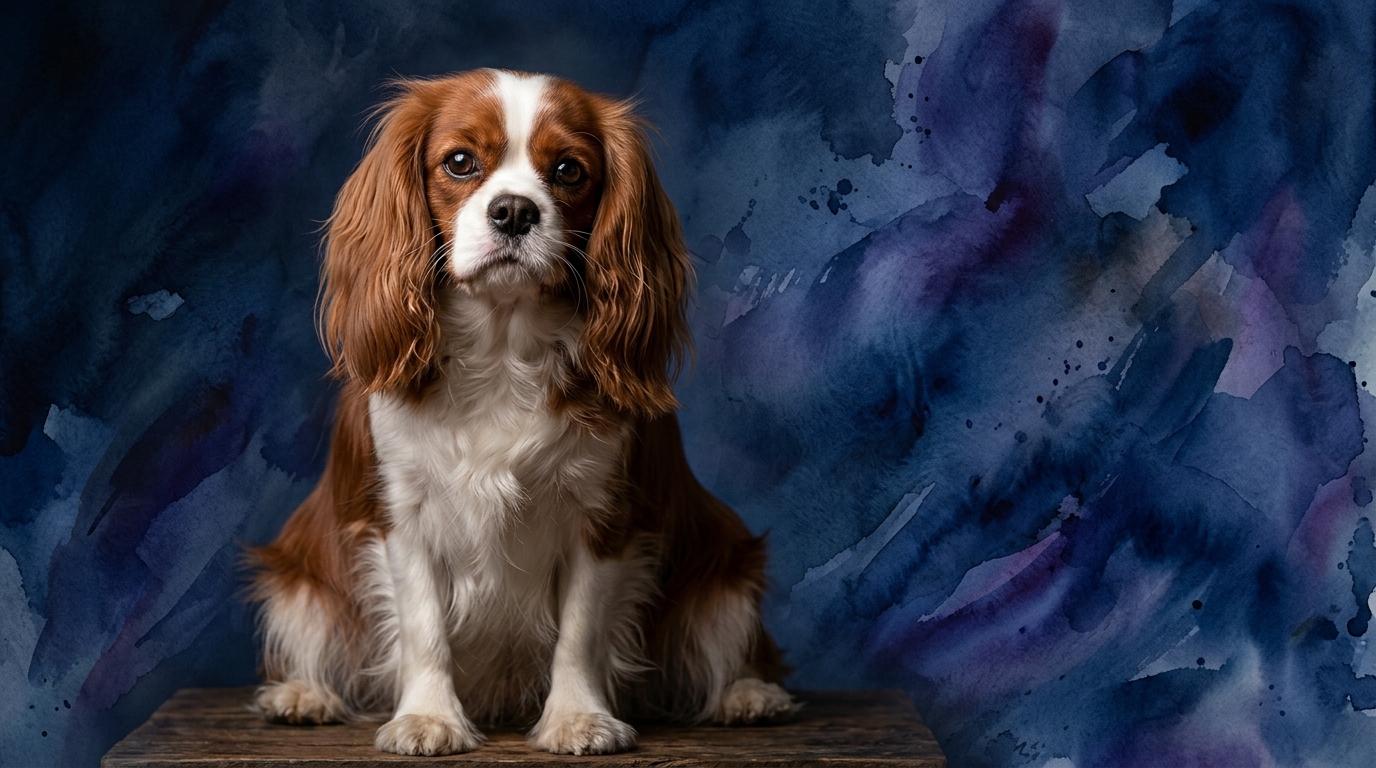
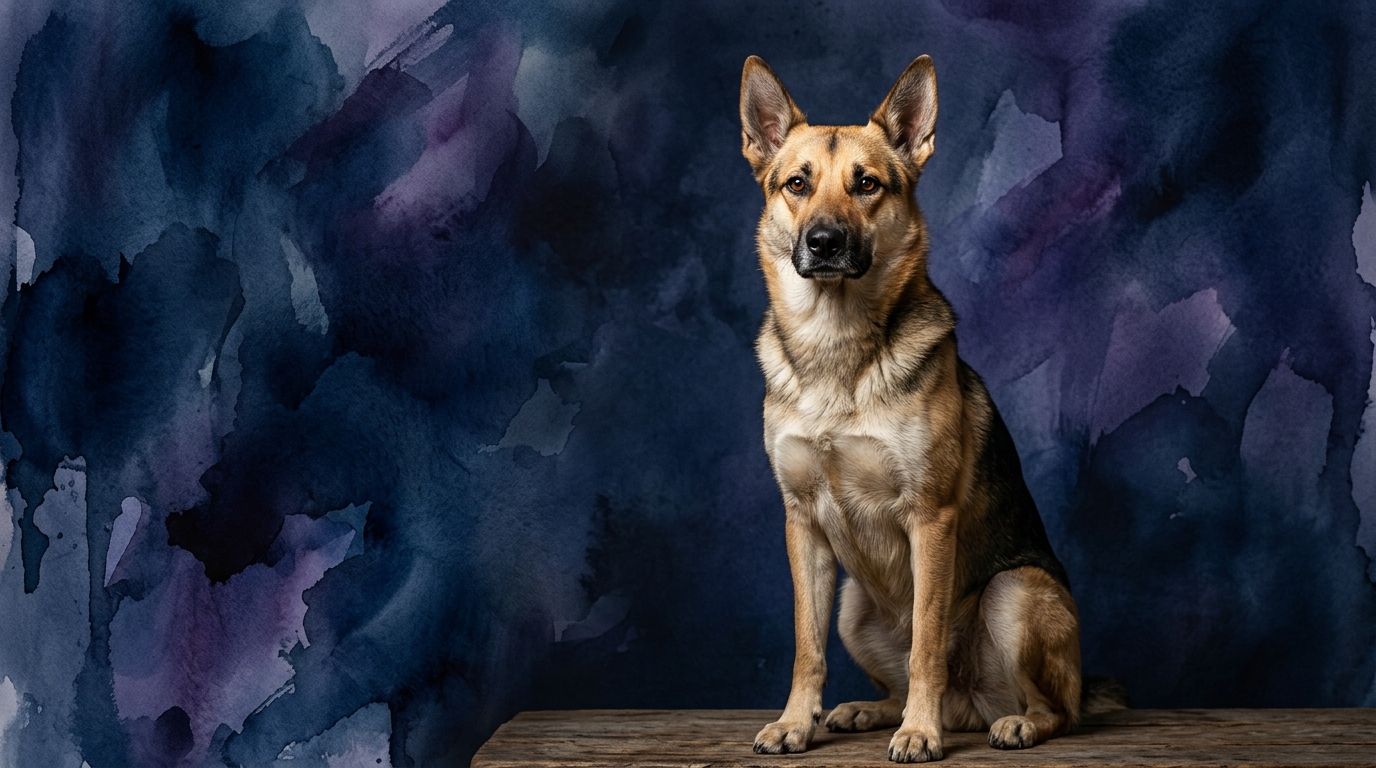
Side-by-Side IQ Profile: Cavalier King Charles Spaniel vs. Canaan Dog
The Cosmic Pet Pet IQ Lab provides a comprehensive framework to assess canine cognition across five key dimensions. For the Cavalier King Charles Spaniel, their profile is marked by a Problem Solving score of 3/5, indicating an average capacity to navigate new challenges or puzzles, often relying on human guidance or charming their way through. Their Training Speed also stands at 3/5, suggesting they grasp new commands at a moderate pace, eager to please but sometimes distracted by their desire for interaction. Social Intelligence is a standout at 5/5, reflecting their exceptional ability to read human emotions and cues, fostering deep bonds. An Instinctive Drive of 3/5 points to a moderate drive for companionship and gentle play, fitting their historical role. Finally, their Memory is rated 3/5, meaning they retain information, commands, and faces at an average level.
In contrast, the Canaan Dog presents a distinct cognitive blueprint. Their Problem Solving ability matches the Cavalier at 3/5, but their approach tends to be more independent and observational, often trying various solutions on their own before seeking human intervention. Training Speed is also 3/5, yet their learning style is often characterized by an initial cautious assessment followed by rapid retention once they understand the purpose and trust the trainer. Their Social Intelligence, at 3/5, indicates a more reserved and independent nature; while they form strong bonds, they are less overtly focused on mirroring human emotional states compared to the Cavalier. An Instinctive Drive of 3/5 speaks to their moderate but persistent drives for guarding, herding, and environmental vigilance, rooted in their ancient desert origins. Critically, their Memory is rated higher at 4/5, signifying a strong capacity for recalling routines, locations, and experiences, both positive and negative, which influences their long-term behavior.
Where the Cavalier King Charles Spaniel Wins Cognitively
The Cavalier King Charles Spaniel truly excels in the realm of social intelligence, earning a perfect 5/5 score. This isn't just about being friendly; it reflects a profound capacity to interpret human nuances, emotional states, and subtle communication signals. A Cavalier will often anticipate an owner's mood, offering comfort or initiating play with remarkable timing. This cognitive strength allows them to integrate seamlessly into family life, making them exceptional emotional support companions. Their ability to form deep, empathetic connections means they are highly attuned to their human counterparts, often seeming to 'understand' without words. This manifests in their responsiveness to gentle corrections, their desire to be physically close, and their almost intuitive awareness of when their presence is most needed. For an owner seeking a dog that truly connects on an emotional plane, the Cavalier's social acumen is unparalleled, creating a unique and deeply rewarding bond built on mutual understanding and affection.
Where the Canaan Dog Wins Cognitively
The Canaan Dog's cognitive strengths shine particularly in their memory, boasting a 4/5 score, and their observational problem-solving. Their superior memory means they reliably recall routines, learned commands, and the layout of their environment with impressive accuracy. This allows them to quickly establish territory, remember boundaries, and navigate familiar spaces with confidence. Furthermore, their memory extends to past experiences, meaning they learn from both positive reinforcement and any negative interactions, which influences their future responses. Coupled with their independent problem-solving approach, which, while rated 3/5, is distinctly self-reliant, they excel at assessing situations and devising solutions without constant human prompting. This might involve finding a secure vantage point, remembering where a toy was hidden days ago, or recalling the most efficient route through a familiar park. Their cognitive profile reflects their ancient heritage as free-ranging pariah dogs, where keen observation and strong memory were critical for survival and successful guardianship.
Which Is Easier to Train and Why?
Both breeds share a 3/5 score for training speed, but the 'ease' of training them diverges significantly due to their underlying behavioral differences. The Cavalier King Charles Spaniel, with its high social intelligence and inherent desire to please, often appears easier to train in early stages. They are highly motivated by praise and affection, and their eagerness to maintain positive human interaction can make them receptive to learning basic commands. However, their average memory (3/5) means consistent reinforcement is paramount, and they can be easily distracted by novel stimuli or the opportunity for more social engagement. While quick to pick up simple tasks, mastering complex sequences might require more patient repetition and creative engagement to hold their attention.
The Canaan Dog, conversely, brings a different dynamic to the training arena. Their excellent memory (4/5) means once a command or behavior is learned, it is generally retained very well. However, their independent nature and lower social intelligence score (3/5) mean they are not inherently driven by a need to please humans. Trainers must establish clear leadership, build trust, and provide compelling motivation for the Canaan Dog to engage. They are observant and capable of complex learning but may choose not to comply if they don't see the value or if the command conflicts with their innate drives. This means training often requires more patience, consistency, and an understanding of their natural instincts, making them potentially more challenging for novice owners despite their strong cognitive capacity for retention.
Which Suits Active Owners vs. Relaxed Owners?
For relaxed owners, the Cavalier King Charles Spaniel is typically a more congruent match. Their moderate instinctive drive (3/5) and profound social intelligence (5/5) mean they thrive on companionship and a generally calm, predictable home environment. While they appreciate daily walks and engaging play, their exercise needs are moderate, and their greatest joy comes from being close to their human family. They are content to cuddle on the sofa, follow their owners from room to room, and participate in gentle activities. Their cognitive makeup is geared towards emotional connection and shared tranquility, making them ideal for individuals or families seeking a devoted, low-key companion who finds satisfaction in quiet presence.
The Canaan Dog, with its strong memory and independent problem-solving, is better suited for more active and experienced owners. Their historical role as a guardian and herder has instilled a need for purpose and mental engagement beyond simple companionship. While their instinctive drive is also rated 3/5, it manifests as a desire for vigilance, exploration, and structured activity. Owners who can provide consistent training, opportunities for scent work, agility, or long, varied walks will find the Canaan Dog to be a rewarding partner. They benefit from mental stimulation that challenges their keen observational skills and memory, making them ideal for owners who enjoy a more interactive and purposeful relationship with their dog, and who can appreciate an independent spirit that requires clear guidance and consistent boundaries.
The Verdict: When to Choose Each Companion
The Verdict
Choose the Cavalier King Charles Spaniel if you seek a deeply empathetic, affectionate companion who thrives on close human interaction, gentle play, and a predictable, calm home life, valuing emotional connection above all else.
Opt for the Canaan Dog if you are an experienced owner who appreciates an independent, observant, and resilient dog, capable of complex thought, and are prepared to engage their keen memory and problem-solving skills with purpose, structure, and consistent, fair leadership.
🧠 Find Your Pet's IQ Score
Our Pet IQ Lab assessment covers 25+ tests across 5 cognitive dimensions — personalized to your breed.
Take the Full IQ Test →Frequently Asked Questions
Do Cavaliers or Canaan Dogs respond better to positive reinforcement?
Both breeds respond well to positive reinforcement, but their motivations differ. Cavaliers are highly motivated by praise and affection, eager to please their human companions. Canaan Dogs, while responsive, require reinforcement that clearly demonstrates the value of the action from their perspective, often involving food rewards or engaging activities, as their compliance stems more from trust and understanding than inherent eagerness to please.
How do their historical roles influence their modern-day cognitive behavior?
The Cavalier's history as a lap dog and companion has honed their social intelligence, making them exceptionally attuned to human emotions and desires for connection. The Canaan Dog's ancient role as a free-ranging pariah dog, guardian, and herder has fostered their independence, keen observational skills, strong memory for territory, and self-reliant problem-solving abilities, which persist even in domestic settings.
Is one breed more prone to separation anxiety based on their social intelligence?
Yes, the Cavalier King Charles Spaniel, with its exceptionally high social intelligence and deep reliance on human companionship, can be more prone to separation anxiety if not properly acclimated to alone time. Their entire cognitive framework is geared towards interaction. The more independent Canaan Dog is generally less prone to severe separation anxiety, though they still form strong bonds and can exhibit distress if their needs for stimulation and security are not met.