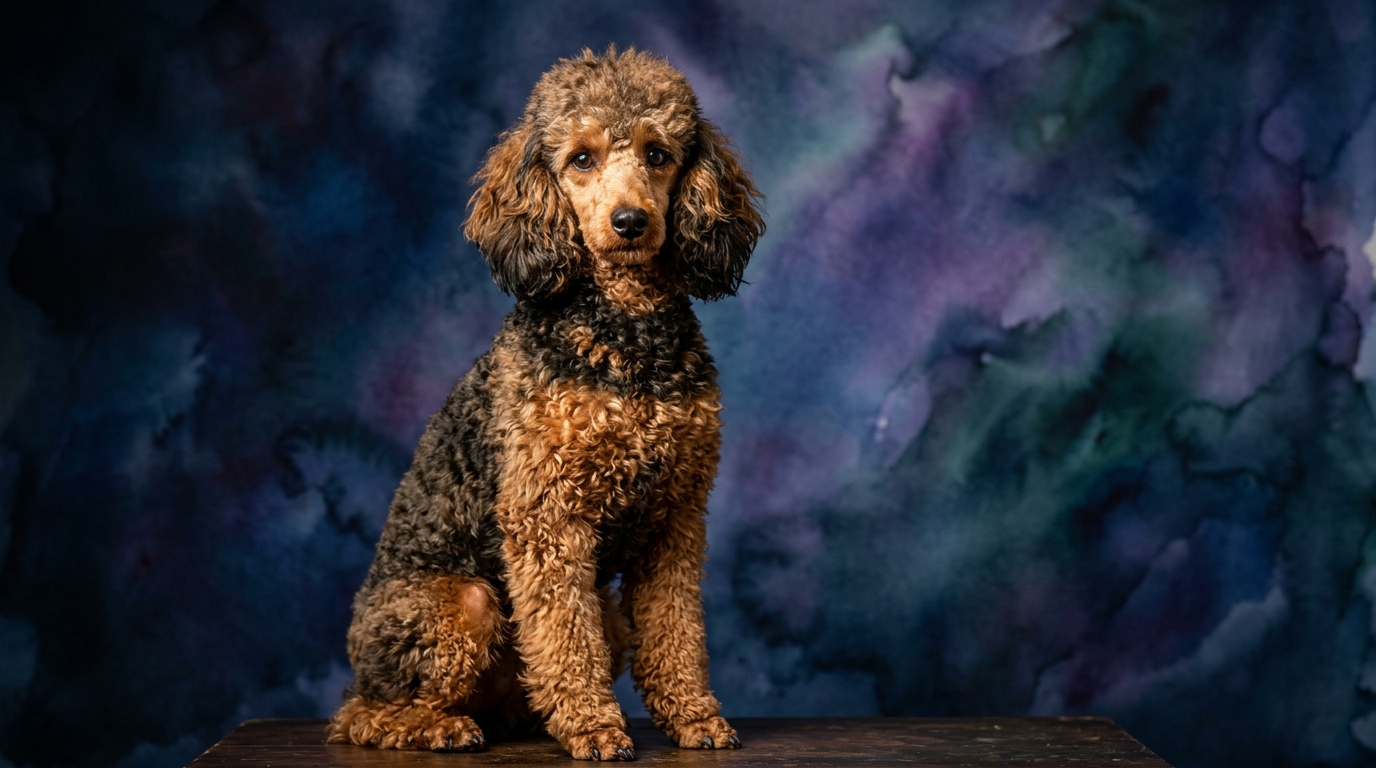
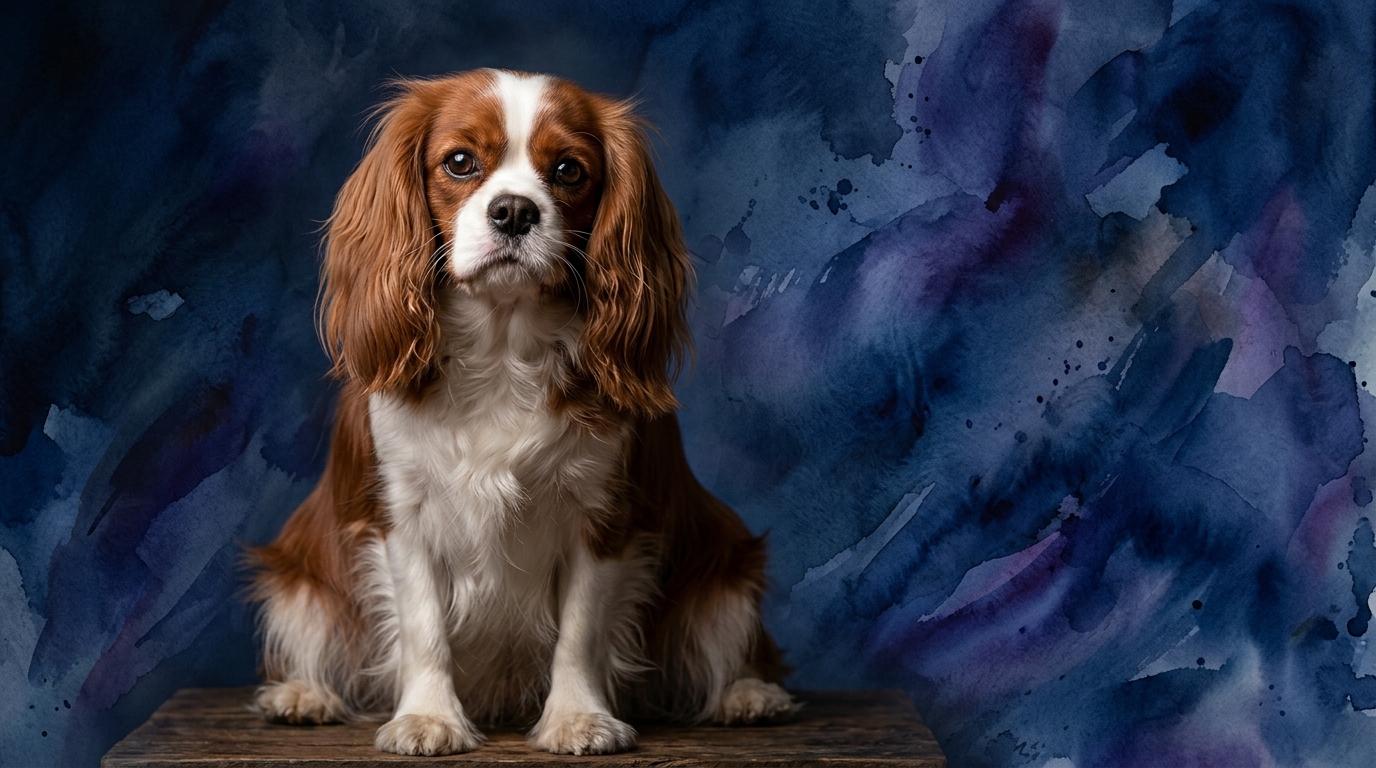
Side-by-Side IQ Profile: Poodle (Standard) vs. Cavalier King Charles Spaniel
The Cosmic Pet IQ Lab's metrics offer a granular view of canine cognitive function, moving beyond general perceptions to specific aptitudes. The Standard Poodle, often associated with sophisticated performance, consistently demonstrates elevated cognitive capabilities across most dimensions.
For the Standard Poodle, problem Solving registers at a robust 5/5, indicating a strong capacity for navigating novel situations and devising solutions independently. Their training Speed is also a perfect 5/5, signifying rapid acquisition of new commands and behaviors. Social Intelligence is equally impressive at 5/5, reflecting a deep understanding of human cues and emotional states. An Instinctive Drive of 4/5 suggests a purposeful inclination towards tasks and activities, while their Memory, at 5/5, ensures exceptional retention of learned experiences and information. This profile places them at Coren rank #2, underscoring their comprehensive cognitive prowess.
In contrast, the Cavalier King Charles Spaniel, cherished for its affectionate nature, presents a different cognitive landscape. Their problem Solving score is 3/5, suggesting they may require more guidance or rely on learned routines rather than independent innovation in complex scenarios. Training Speed also sits at 3/5, indicating that new concepts may take more repetitions to solidify. However, where the Cavalier truly shines is in Social Intelligence, matching the Poodle at 5/5, demonstrating an innate ability to connect with and understand their human companions. Their Instinctive Drive is 3/5, pointing to a lower inherent motivation for complex working tasks. Memory is also rated at 3/5, meaning they might require consistent reinforcement to maintain learned behaviors. This balanced profile places them at Coren rank #44, highlighting their strengths in companionship.
Comparing these profiles, we see a clear distinction in cognitive emphasis. The Standard Poodle exhibits a broad spectrum of cognitive strengths, particularly in areas demanding independent thought and rapid learning. The Cavalier, while not demonstrating the same breadth in problem-solving or training speed, excels in the nuanced realm of social interaction, which is a cornerstone of their breed purpose.
Where Poodle (Standard) Wins Cognitively
The Standard Poodle's cognitive advantages are evident in several key areas, allowing them to excel in complex roles. Their 5/5 problem Solving capability means they are adept at figuring out how to open latches, navigate intricate obstacle courses, or even manipulate objects to achieve a desired outcome without direct instruction. This is not simply about following commands but actively analyzing and responding to environmental challenges.
Their perfect 5/5 training Speed is directly linked to their capacity for rapid concept acquisition. They can associate verbal cues or hand signals with specific actions almost immediately, reducing the number of repetitions required to master a new skill. This rapid learning curve extends to advanced behaviors, making them suitable for intricate obedience routines, service work, or performing complex tricks.
Furthermore, the Standard Poodle's 5/5 Memory ensures that once a behavior is learned or an experience is processed, it is retained with remarkable fidelity. This means they consistently remember commands, routines, and even specific people or places over long periods, making their training durable and reliable. Their 4/5 instinctive Drive also provides a strong internal motivation to engage with tasks, whether it's retrieving, tracking, or participating in dog sports, channeling their mental energy into purposeful activity.
Where Cavalier King Charles Spaniel Wins Cognitively
While the Standard Poodle's cognitive strengths lie in logical problem-solving and rapid learning, the Cavalier King Charles Spaniel's primary cognitive triumph is their exceptional 5/5 Social Intelligence. This dimension encompasses their profound ability to read and respond to human emotions and cues, making them unparalleled companions. They can sense subtle shifts in their owner's mood, offering comfort or initiating play at just the right moment, demonstrating a deep empathetic connection.
Their lower scores in problem Solving (3/5) and instinctive Drive (3/5) are not deficits for their intended role, but rather characteristics that contribute to their relaxed, adaptable nature. A Cavalier is generally less inclined to independently seek out complex mental challenges or engage in demanding tasks that require sustained focus, making them content with simply being present and interacting socially with their family. This means less potential for destructive behaviors stemming from boredom when left without constant mental stimulation.
The Cavalier's cognitive strengths are perfectly aligned with their historical purpose as companion animals. They thrive on interaction and connection, using their social acumen to integrate seamlessly into family life, making them incredibly intuitive and affectionate pets who understand their place within the human pack without needing to constantly 'figure things out' independently.
Which is Easier to Train and Why
When evaluating ease of training, the Standard Poodle clearly holds an advantage due to their superior cognitive scores in Training Speed (5/5) and Memory (5/5). They grasp new commands and concepts with remarkable quickness, often requiring only a few repetitions to understand what is expected. This means owners can progress rapidly through basic obedience and move on to more advanced skills like agility, rally, or even complex service dog tasks with relative ease. Their strong memory ensures that once a behavior is learned, it is retained reliably, leading to consistent performance.
For example, teaching a Standard Poodle to 'stay' will typically involve fewer sessions and less frustration for both dog and owner. They quickly associate the verbal cue and hand signal with remaining in place, and remember this association across different environments. Their 4/5 instinctive Drive also means they often possess an inherent motivation to work and please, further facilitating training efforts.
The Cavalier King Charles Spaniel, with a Training Speed of 3/5 and Memory of 3/5, will require a more patient and consistent approach to training. While they are eager to please due to their 5/5 Social Intelligence, their understanding and retention of commands will take more repetitions to solidify. An owner might need to practice 'sit' or 'stay' in shorter, more frequent sessions over a longer period before the behavior becomes truly reliable. Their lower instinctive Drive (3/5) means they might not have the same internal motivation for complex tasks, preferring social interaction over structured work.
However, the Cavalier's high Social Intelligence (5/5) is a significant asset in training, as they are highly attuned to their owner's approval and disapproval. They learn best through positive reinforcement, praise, and gentle guidance, as they genuinely want to maintain a harmonious relationship. While they may not learn as quickly as a Poodle, their desire to please can make the training journey rewarding, provided the owner is committed to consistency and understanding their learning pace.
Which Suits Active Owners vs. Relaxed Owners
For active owners who enjoy engaging in mentally stimulating activities or dog sports, the Standard Poodle is an excellent match. Their 5/5 problem Solving and 4/5 instinctive Drive mean they thrive on challenges such as advanced obedience, agility, scent work, or even retrieving games that require strategic thinking. These dogs are not content with just a daily walk; they need their minds exercised through learning new tricks, puzzle toys, or structured training sessions. An owner who can provide consistent mental engagement will find the Poodle a highly responsive and fulfilling companion, channeling their considerable cognitive abilities into productive outlets.
A Standard Poodle needs an owner who understands their capacity for learning and is willing to invest time in structured activities. Neglecting their mental needs can lead to boredom-driven behaviors, as their active minds seek stimulation. They are ideal for individuals or families who want a dog that can participate in a wide range of activities and constantly learns new things, making them a dynamic partner for an active lifestyle.
Conversely, the Cavalier King Charles Spaniel is ideally suited for more relaxed owners who prioritize companionship and affection over demanding intellectual engagement. Their 5/5 Social Intelligence means they are most content when simply being near their human family, offering comfort and receiving attention. While they benefit from basic obedience, their 3/5 problem Solving and 3/5 instinctive Drive mean they do not require intense mental workouts to be happy and well-adjusted. They are perfectly content with leisurely strolls, cuddle sessions on the couch, and gentle play.
Owners who prefer a dog that is adaptable to a calmer home environment, less prone to independent problem-solving challenges, and primarily seeks a loving bond will find the Cavalier a perfect fit. They thrive on routine and gentle interaction, making them wonderful companions for individuals or families seeking a devoted, affectionate pet without the need for extensive training commitments or high-octane activities. Their cognitive profile makes them inherently suited to a life of comfortable companionship.
The Verdict
Choose the Standard Poodle if you seek a highly capable, quickly learning companion eager for mental challenges and advanced training, thriving on complex activities and consistent intellectual engagement. This breed excels with owners committed to harnessing their exceptional problem-solving and memory abilities.
Opt for the Cavalier King Charles Spaniel if your priority is an affectionate, intuitive companion whose primary strength lies in social connection and emotional support, content with a relaxed lifestyle and valuing companionship above demanding mental tasks. This breed thrives with owners who cherish a loving, adaptable presence.
🧠 Find Your Pet's IQ Score
Our Pet IQ Lab assessment covers 25+ tests across 5 cognitive dimensions — personalized to your breed.
Take the Full IQ Test →Frequently Asked Questions
Do Standard Poodles need a lot of mental stimulation?
Yes, Standard Poodles, with their 5/5 problem Solving and 5/5 training Speed, require significant mental stimulation. They thrive on learning new tasks, puzzle toys, and engaging in activities like obedience, agility, or scent work to keep their active minds satisfied and prevent boredom.
Are Cavalier King Charles Spaniels difficult to train?
Cavalier King Charles Spaniels are not difficult to train, but their 3/5 training Speed and 3/5 memory mean they require more patience and consistency than some other breeds. Their 5/5 social Intelligence makes them eager to please, responding well to positive reinforcement and gentle, consistent guidance.
Which breed is better for a first-time dog owner?
For a first-time dog owner, the choice depends on lifestyle. A Cavalier King Charles Spaniel might be easier due to its lower demands for complex mental stimulation and high social adaptability. A Standard Poodle can be a great first dog for an owner willing to commit to consistent training and mental enrichment from the outset.