Side-by-Side IQ Profile
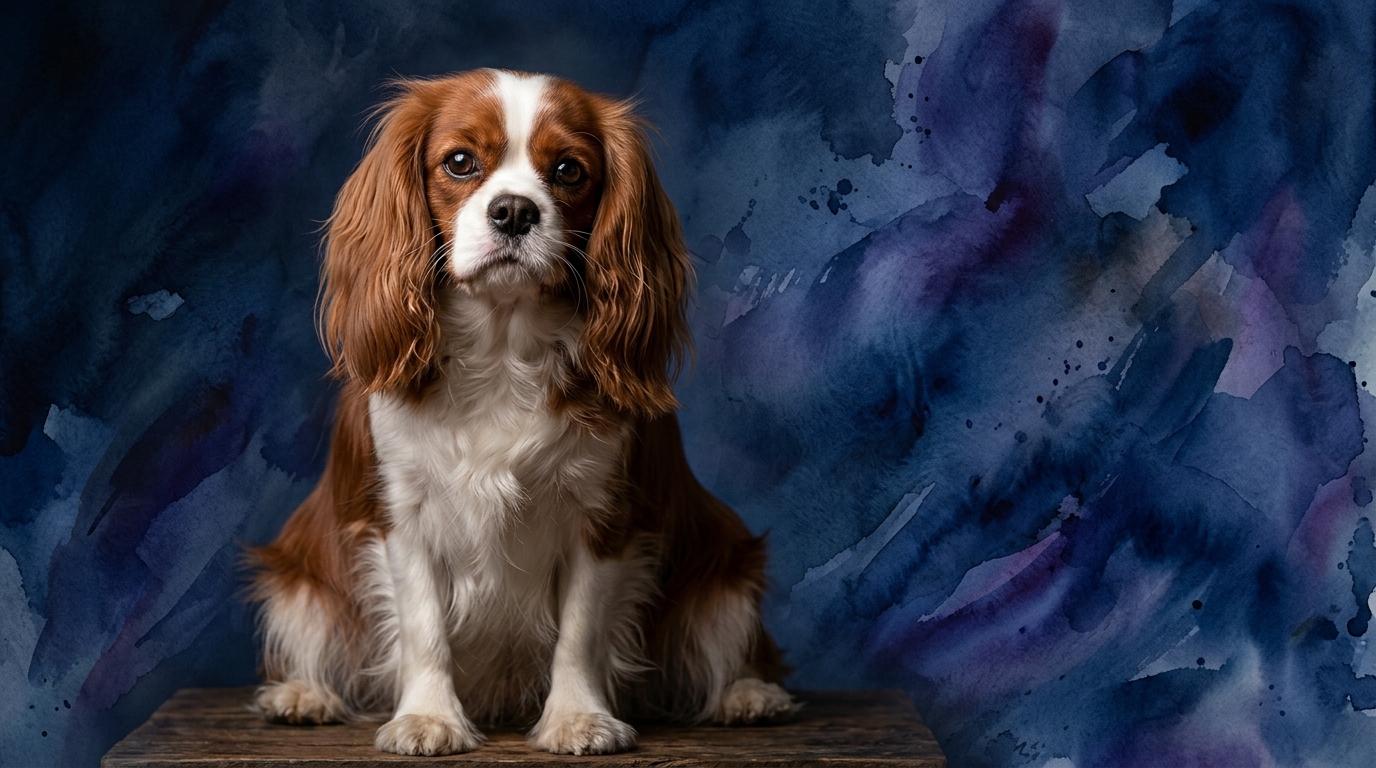
The Cosmic Pet Pet IQ Lab employs a multi-dimensional framework to assess canine intelligence, moving beyond simplistic notions to consider five distinct cognitive dimensions. For the Cavalier King Charles Spaniel, a beloved Toy breed, we observe a nuanced profile. Its Problem Solving ability registers at 3/5, indicating a capacity for navigating common household challenges and understanding simple cause-and-effect relationships, without necessarily devising complex strategies. Training Speed also sits at 3/5, suggesting a moderate pace of learning new commands and routines, capable of mastering a good repertoire with consistent, positive reinforcement. Where the Cavalier truly shines is in Social Intelligence, scoring an exceptional 5/5. This reflects an extraordinary aptitude for understanding human emotions, interpreting subtle cues, and forming deep, empathetic bonds, making them highly attuned companions. Its Instinctive Drive is rated 3/5, a balanced level indicating a moderate inclination towards innate behaviors like chasing or guarding, but generally well-managed in a domestic setting. Memory for the Cavalier is 3/5, allowing it to recall past experiences, learned commands, and familiar people and places reliably.
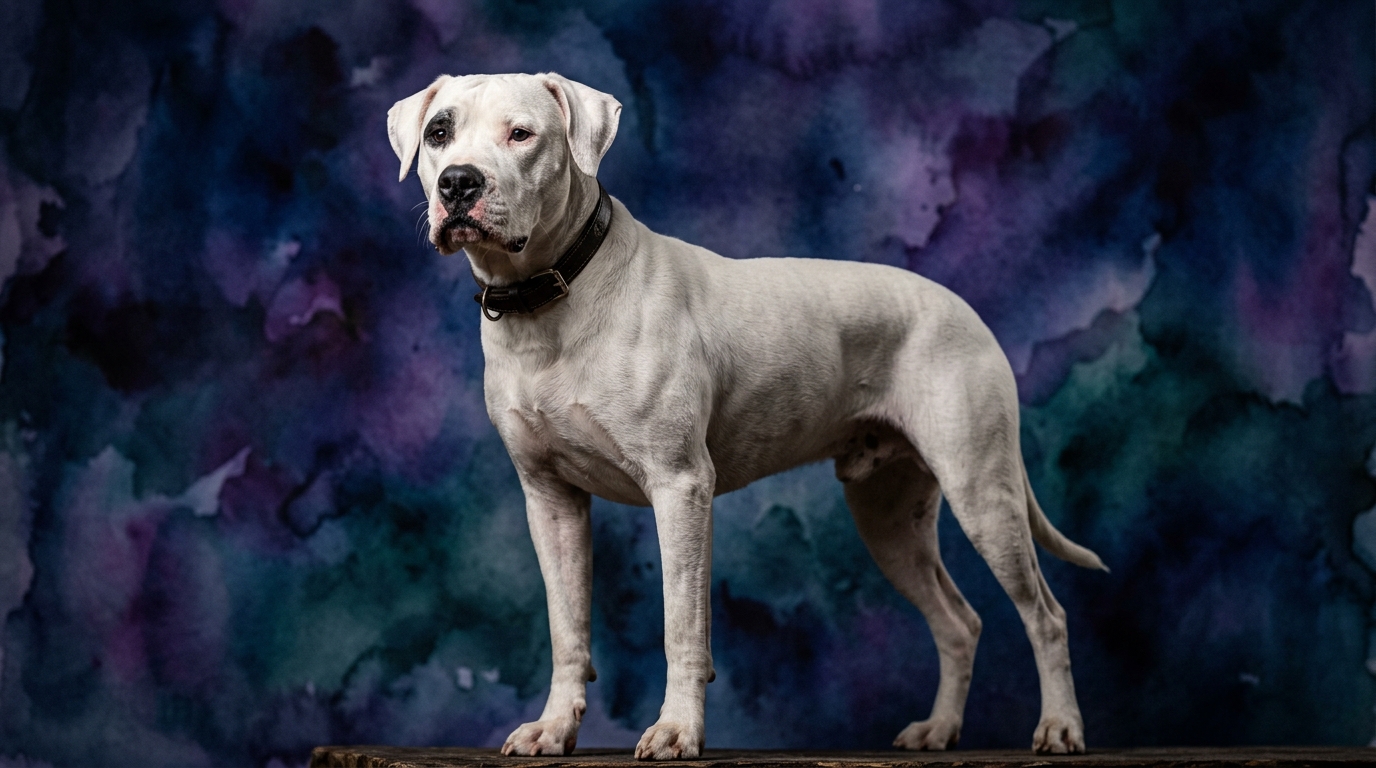
The Dogo Argentino, a powerful Working breed, presents a cognitive profile that, while sharing some numerical similarities, manifests in distinctly different ways due to its heritage. Its Problem Solving capacity is also 3/5, but this often translates into practical applications, such as discerning safe pathways or strategizing during a task, rather than solving abstract puzzles. Training Speed matches the Cavalier at 3/5, meaning a Dogo can learn effectively, though its strong will and independent nature might require a more assertive and consistent training approach to achieve compliance. Social Intelligence for the Dogo is 3/5, indicating a functional understanding of pack dynamics and human leadership, but generally lacking the same nuanced emotional sensitivity or eagerness to please found in the Cavalier. This breed often forms strong bonds with its immediate family but can be reserved with strangers. Its Instinctive Drive is 3/5, which for a Dogo, still implies a significant natural inclination towards protective behaviors, prey drive, and territoriality, requiring careful management and socialization from an early age. Memory is 3/5, allowing it to retain training, recognize individuals, and remember locations, crucial for its working roles.
Where Cavalier King Charles Spaniel Wins Cognitively
The Cavalier King Charles Spaniel's clear cognitive advantage lies in its exceptional Social Intelligence, scoring a perfect 5/5. This isn't merely about being friendly; it signifies a profound capacity for emotional attunement and sophisticated communication with humans. A Cavalier can often perceive subtle shifts in its owner's mood, responding with comfort or playfulness as appropriate. They excel at reading body language, anticipating intentions, and seamlessly integrating into family dynamics, often acting as emotional barometers for their households. This heightened social cognition makes them incredibly adaptable to various social situations, from bustling family gatherings to quiet evenings, always seeking to harmonize with their human counterparts. Their ability to form deep, reciprocal bonds and act as intuitive companions is unparalleled, contributing significantly to their role as premier therapy and emotional support animals. While their Problem Solving and Training Speed are competent, their social acumen allows them to navigate complex human relationships with remarkable grace and understanding, a trait less pronounced in many working breeds.
Where Dogo Argentino Wins Cognitively
While the Dogo Argentino's numerical scores largely align with the Cavalier across dimensions like Problem Solving (3/5), Training Speed (3/5), and Memory (3/5), its cognitive strength lies in the *application* of these abilities within its specific working context, particularly in areas demanding practical intelligence and physical prowess. The Dogo's Problem Solving, though rated 3/5, often manifests as a robust capacity for situational awareness and independent decision-making in real-world scenarios, such as navigating challenging terrain or assessing potential threats, which are vital for its historical role in large game hunting and guarding. This isn't about abstract puzzles, but about effective, decisive action. Similarly, its Instinctive Drive at 3/5, while moderate, is channeled into a formidable protective instinct and unwavering focus when engaged in a task. This breed possesses an innate understanding of territory and family, employing its cognitive resources to monitor its surroundings and react appropriately to perceived intrusions, a trait less developed in purely companion animals. The Dogo's mental fortitude and resolute nature, combined with its physical capabilities, allow it to excel in roles requiring courage, endurance, and a certain level of independent judgment, offering a distinct cognitive advantage in demanding environments where a Cavalier's social graces would be less relevant.
Which is Easier to Train and Why
When considering ease of training, the Cavalier King Charles Spaniel generally presents a more straightforward experience for the average owner due to its superior Social Intelligence (5/5). While both breeds have a Training Speed of 3/5, the Cavalier's profound desire to please and its exceptional ability to read human cues significantly smooth the training process. They are highly motivated by positive reinforcement and human approval, quickly understanding what is expected of them and readily complying to maintain harmony. For example, a Cavalier is more likely to immediately grasp the concept of 'sit' not just as a command, but as a way to earn praise and connection with their beloved human. Their lower Instinctive Drive (3/5) also means they are less prone to strong independent urges or distractions, making them more amenable to consistent instruction. In contrast, the Dogo Argentino, with its 3/5 Social Intelligence and 3/5 Instinctive Drive, tends to be more independent-minded. While capable of learning, a Dogo often requires a more confident, consistent, and experienced handler who can establish clear boundaries and leadership. Their training might involve more patience in overcoming their natural assertiveness and focusing their strong working drives. For instance, a Dogo might understand 'sit' but may choose not to comply if it perceives a more pressing 'job' or lacks sufficient motivation from the handler, reflecting a greater self-reliance compared to the Cavalier's eager deference.
Which Suits Active Owners vs Relaxed Owners
The choice between these two breeds depends heavily on an owner's lifestyle and energy levels. The Cavalier King Charles Spaniel, with its balanced Instinctive Drive (3/5) and exceptional Social Intelligence (5/5), is ideally suited for more relaxed owners or those seeking a highly adaptable companion. While they enjoy walks and gentle play, their primary need is for companionship and close human interaction. They thrive in environments where they can be near their people, whether lounging on the sofa, accompanying them on errands, or enjoying a quiet evening at home. Their moderate energy levels mean they are content with regular, but not overly strenuous, exercise, making them perfect for apartment living or owners with less intense outdoor pursuits. Their cognitive profile makes them excellent emotional support animals, fitting seamlessly into a calm, affectionate household.
Conversely, the Dogo Argentino, despite similar numerical scores in many cognitive areas, requires a significantly more active and engaged owner. Its 3/5 Instinctive Drive, when combined with its physical capabilities and working heritage, demands consistent physical exercise and mental stimulation that goes beyond simple walks. Dogo Argentinos need outlets for their inherent drive to patrol, explore, and engage in purposeful activity. Owners who enjoy long hikes, jogging, structured training, or canine sports will find a Dogo a rewarding partner. Their cognitive abilities, while not necessarily 'smarter' than a Cavalier, are geared towards functional tasks and require an owner who can channel their robust mental and physical energy into productive activities, preventing boredom and potential behavioral issues. A Dogo thrives with an owner who can provide strong leadership, consistent training, and ample opportunities for both physical exertion and mentally engaging work, making them a better fit for experienced, active individuals or families.
The Verdict
Choose a Cavalier King Charles Spaniel if you seek an emotionally intuitive, adaptable companion who thrives on close human connection and fits seamlessly into a relaxed, affectionate household.
Opt for a Dogo Argentino if you are an experienced, active owner capable of providing strong leadership, consistent training, and ample outlets for a powerful breed's physical and mental drives.
🧠 Find Your Pet's IQ Score
Our Pet IQ Lab assessment covers 25+ tests across 5 cognitive dimensions — personalized to your breed.
Take the Full IQ Test →Frequently Asked Questions
Is the Cavalier King Charles Spaniel easy to house train?
Yes, with their 3/5 Training Speed and high Social Intelligence, Cavaliers generally respond well to consistent house training. They are eager to please and quickly learn routines when positive reinforcement is applied.
Does the Dogo Argentino require a lot of mental stimulation?
Absolutely. While their Problem Solving and Memory are 3/5, their working breed background means they need engaging mental challenges beyond just physical exercise. Consistent training, puzzle toys, and structured activities are essential to keep a Dogo mentally content.
Can a Cavalier King Charles Spaniel live with a Dogo Argentino?
While possible, careful introduction and supervision are crucial due to their vastly different temperaments and sizes. The Dogo's stronger instinctive drives and protective nature would require significant management to ensure the safety and comfort of the more delicate Cavalier.