Side-by-Side Cognitive Profile
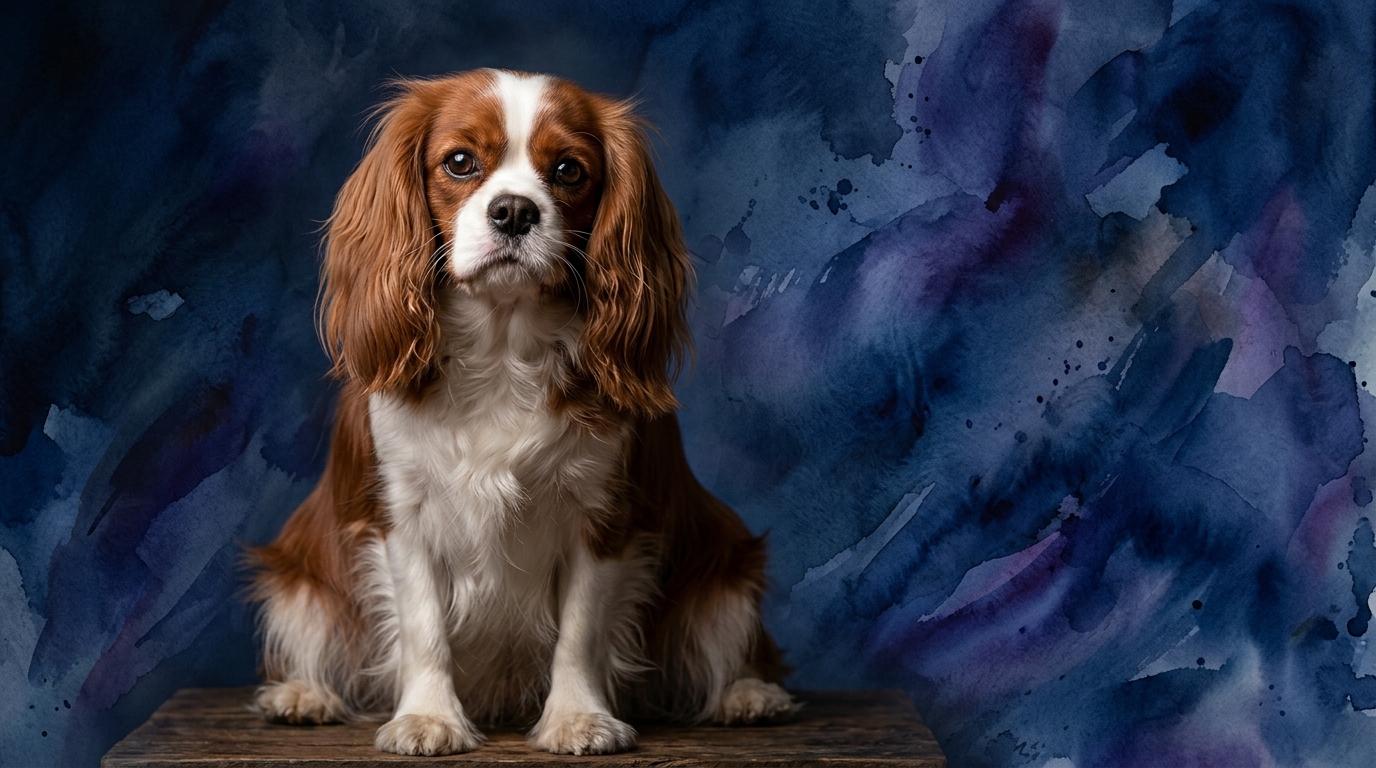
The Cavalier King Charles Spaniel, a beloved Toy breed, is ranked #44 by Stanley Coren, presenting a balanced cognitive profile geared towards companionship. Their Problem Solving is rated 3/5, indicating an ability to navigate moderately complex environmental challenges, such as figuring out how to retrieve a toy from under furniture or understanding simple household routines. Training Speed, also 3/5, suggests they learn new commands at an average pace, typically responding well to consistent, positive reinforcement. Where Cavaliers truly shine is Social Intelligence, scoring an exceptional 5/5. This reflects their profound capacity for understanding human emotions, subtle cues, and social dynamics, making them incredibly empathetic and responsive companions. Instinctive Drive, at 3/5, is moderate, meaning their innate behaviors like chasing or guarding are present but not overwhelming, allowing for easy integration into family life. Their Memory, 3/5, enables them to recall learned behaviors and routines effectively, contributing to their adaptability.
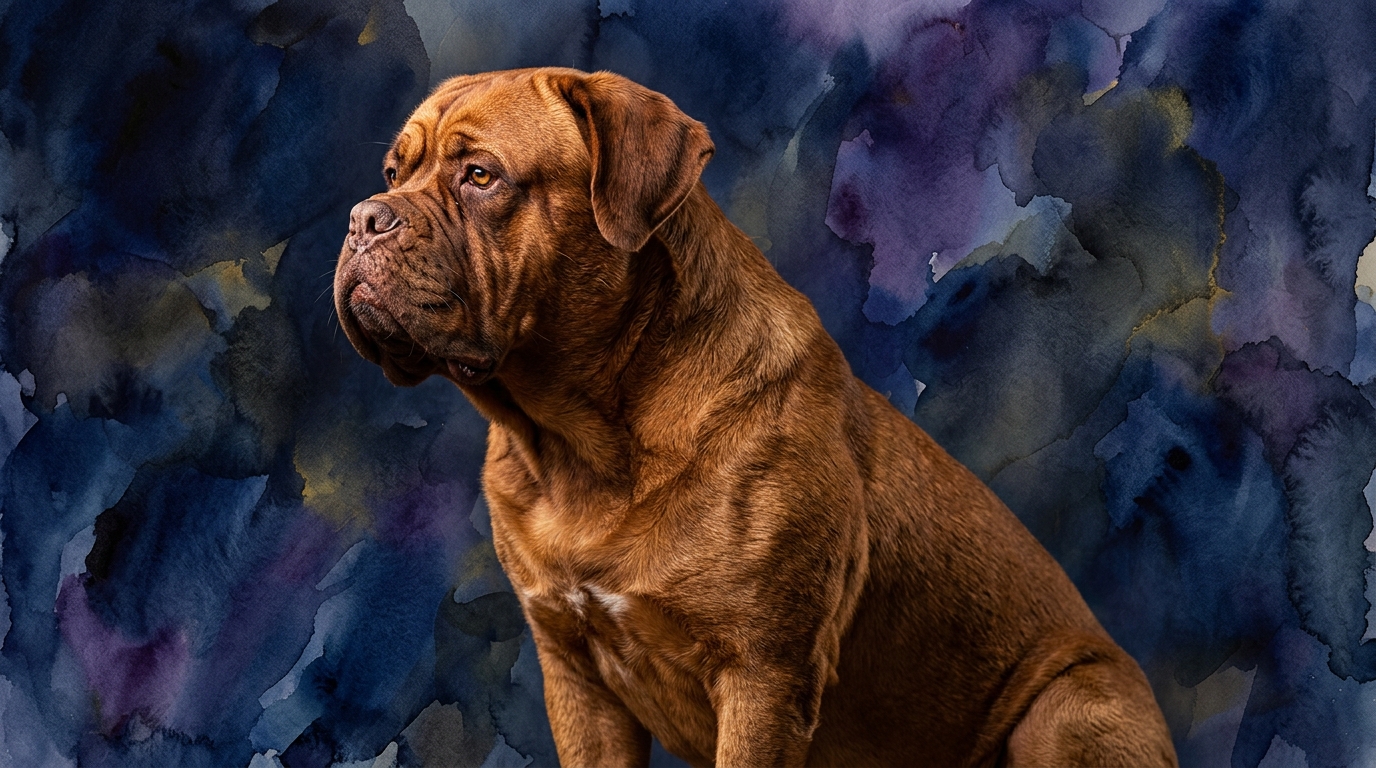
The Dogue de Bordeaux, a powerful Working breed, while not included in Coren's traditional ranking, demonstrates a robust and utilitarian cognitive makeup designed for guardianship. Their Problem Solving, rated 3/5, indicates they can independently assess and react to practical situations, such as identifying potential threats or navigating their territory with purpose. Training Speed, mirroring the Cavalier at 3/5, means they acquire new skills steadily, though their motivation might be rooted in a desire for structure and respect rather than constant pleasing. Their Social Intelligence is 3/5, suggesting they are capable of forming strong bonds and understanding their primary handlers, but may not extend the same level of intuitive connection to strangers or broad social circles, preferring a more discerning approach. Instinctive Drive, also 3/5, points to a measured but present inclination for protective behaviors and territorial awareness, fitting for their historical role. Memory, 3/5, ensures they retain crucial information regarding their environment, training, and the perceived boundaries of their domain.
Where Cavalier King Charles Spaniel Wins Cognitively
The Cavalier King Charles Spaniel's undeniable cognitive advantage lies in its extraordinary Social Intelligence, scoring a remarkable 5/5 compared to the Dogue de Bordeaux's 3/5. This isn't merely about general friendliness; it's a deep-seated capacity for emotional attunement and sophisticated communication with humans. A Cavalier can often pre-empt an owner's mood, offering comfort without being prompted, or understanding a subtle glance as a command to settle down. Their ability to read and respond to nuanced human vocalizations and body language is unparalleled, making them exceptionally intuitive companions. This cognitive strength allows them to integrate seamlessly into family life, adapting their behavior to fit household dynamics and providing profound emotional support. They excel at reciprocal social interactions, thriving on shared experiences and demonstrating a clear understanding of their place within the human pack. This high social IQ makes them incredibly biddable in everyday life, as they are naturally inclined to cooperate and maintain harmony within their social structure, often anticipating desires before they are verbally expressed, making them highly responsive to their human counterparts.
Where Dogue de Bordeaux Wins Cognitively
While the Dogue de Bordeaux shares similar scores in Problem Solving, Training Speed, Instinctive Drive, and Memory with the Cavalier, its cognitive strengths are distinctly tailored to its historical role as a guardian. Its 3/5 Instinctive Drive, combined with its substantial physical presence, translates into a focused cognitive application for vigilance and territorial defense. This isn't a win in terms of higher numerical scores, but rather a more specialized and impactful deployment of these cognitive dimensions for a specific purpose. Their Problem Solving, while rated 3/5, is geared towards assessing and responding to environmental cues that might signify a threat, requiring a calm yet decisive evaluation of situations. Their Social Intelligence, also 3/5, means they form deep, loyal bonds with their immediate family, but their cognitive processing of new individuals is often characterized by discernment rather than immediate openness. This discerning social cognition is a protective trait, allowing them to differentiate between welcomed visitors and potential intruders, a crucial "win" for a breed designed for protection. Their memory and training speed, at 3/5, contribute to retaining the complex rules of engagement for their guardian duties, remembering who belongs and who doesn't, allowing them to perform their protective duties with reliability and composure.
Which Is Easier to Train and Why
When considering ease of training, the Cavalier King Charles Spaniel generally presents a more straightforward experience for the average owner, despite both breeds sharing a 3/5 Training Speed score. The key differentiator lies in the Cavalier's exceptional 5/5 Social Intelligence. This profound capacity for understanding human cues and eagerness to please means Cavaliers are often highly motivated by positive reinforcement and the desire for social connection with their handler. They are quick to grasp what is expected of them because they are so attuned to their trainer's expressions and tone, making the learning process feel intuitive and rewarding for both parties. Their moderate Instinctive Drive also means fewer strong inherent behaviors to redirect or manage, contributing to a cooperative attitude. In contrast, while the Dogue de Bordeaux also has a 3/5 Training Speed, their 3/5 Social Intelligence implies they might be more independent and less inherently driven by the desire to constantly please. Training a Dogue de Bordeaux requires consistent, firm, and patient methods, focusing on clear communication and establishing mutual respect. Their protective instincts, while manageable, mean that training must encompass impulse control and appropriate social behaviors from a young age to channel their considerable strength and resolve effectively. An owner might find the Dogue requires more deliberate effort to maintain engagement and compliance, as their problem-solving might extend to "what's in it for me?" or "can I do this my own way?" if not properly motivated, making consistency paramount.
Which Suits Active Owners vs. Relaxed Owners
The Cavalier King Charles Spaniel is an excellent choice for relaxed owners or those seeking a companion happy with moderate activity. Their moderate Instinctive Drive and balanced energy levels mean they thrive on daily walks, playtime in the yard, and most importantly, ample cuddle time on the sofa. They are adaptable to apartment living provided their social needs are met and enjoy gentle engagement like scent games or short, positive reinforcement training sessions. Their cognitive profile makes them content to be near their human, participating in whatever the family is doing, whether that's a quiet evening or a casual stroll through the neighborhood. Conversely, the Dogue de Bordeaux, despite its sometimes calm demeanor indoors, is better suited for owners who are active in a different, more structured sense. While not a marathon runner, this working breed requires consistent, purposeful exercise to maintain physical and mental well-being, such as long, brisk walks, structured play, or even specific canine sports that engage their strength and problem-solving abilities. "Active" for a Dogue owner means being proactive in their training, socialization, and providing outlets for their moderate instinctive drives and guardian tendencies. They need an owner who can confidently manage their significant size and ensure their cognitive and physical needs are met through consistent routines and leadership, rather than simply being a passive companion.
The Verdict
Choose the Cavalier King Charles Spaniel if you prioritize a deeply empathetic, highly responsive companion who thrives on social connection and gentle, interactive engagement within a relaxed household.
Opt for the Dogue de Bordeaux if you are an experienced, proactive owner seeking a loyal, discerning guardian who requires consistent leadership, structured activity, and a commitment to extensive training and socialization.
🧠 Find Your Pet's IQ Score
Our Pet IQ Lab assessment covers 25+ tests across 5 cognitive dimensions — personalized to your breed.
Take the Full IQ Test →Frequently Asked Questions
Are Cavaliers good family dogs?
Absolutely, their exceptional social intelligence and gentle nature make them superb family dogs, excelling at forming strong bonds with all members and adapting well to various household dynamics, including those with children and other pets.
Do Dogue de Bordeauxs make good guard dogs?
Yes, with their moderate instinctive drive for protection and discerning social intelligence, Dogue de Bordeauxs are naturally inclined to be vigilant guardians, forming a protective bond with their family and territory while typically remaining calm and confident.
What are the main differences in their cognitive strengths?
The Cavalier's primary cognitive strength is its outstanding social intelligence, enabling deep empathy and human attunement, whereas the Dogue de Bordeaux's strengths are geared towards its guardian role, leveraging its instinctive drive and problem-solving for protective discernment and territorial awareness.