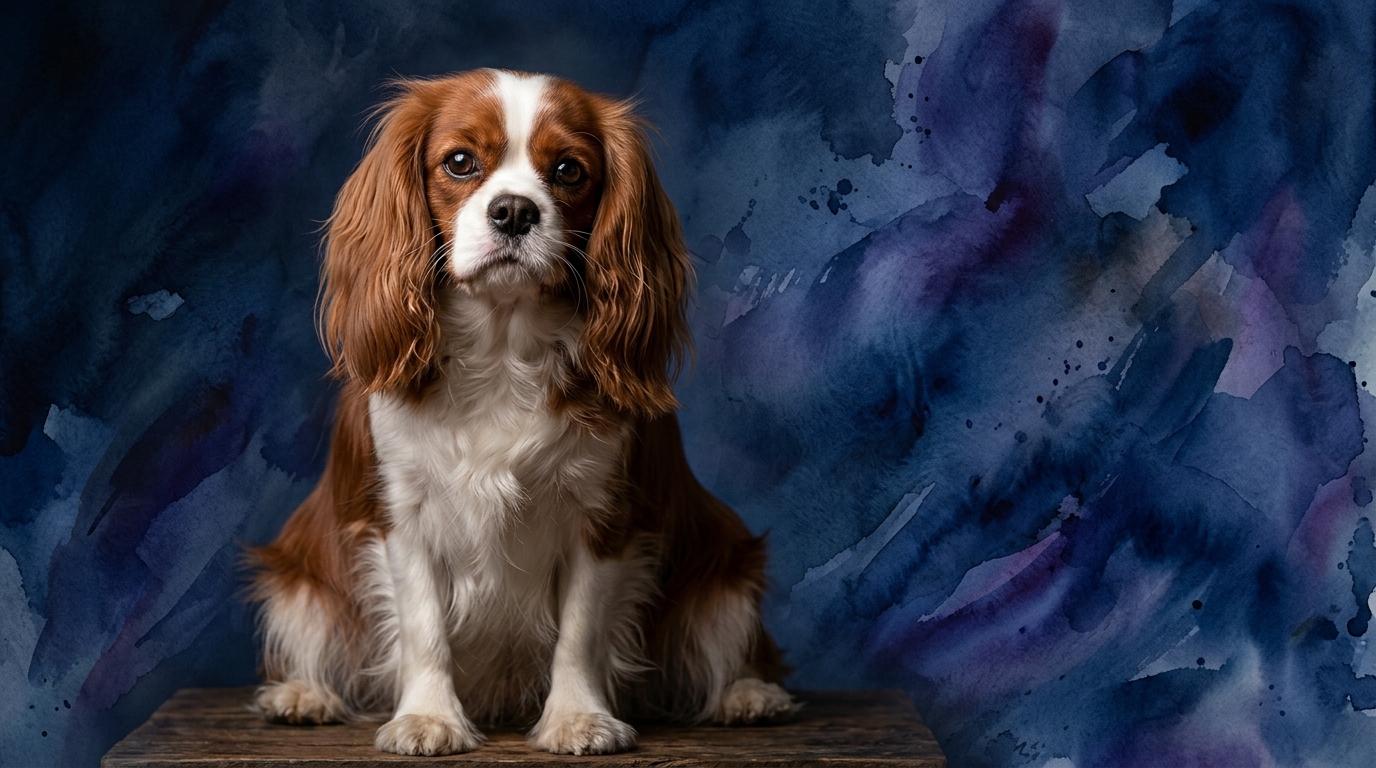
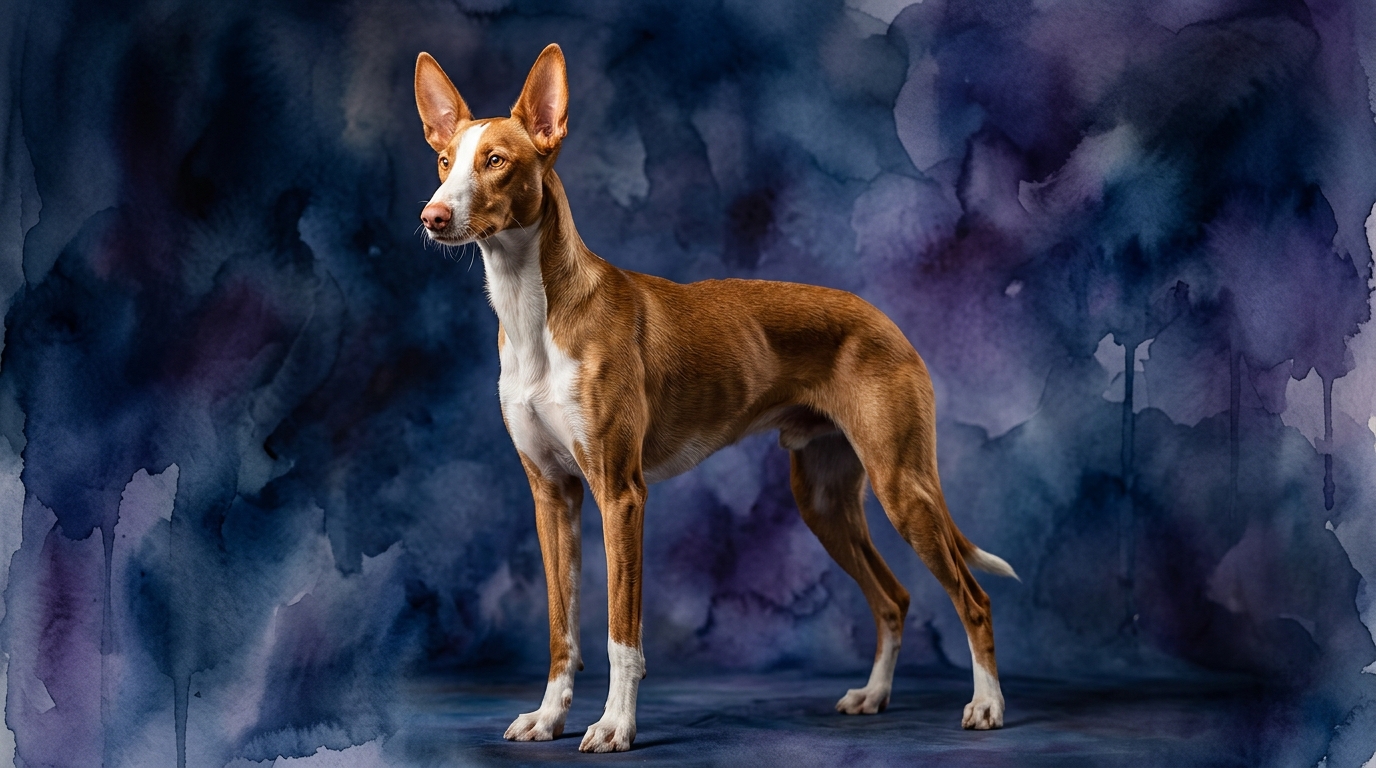
Side-by-Side IQ Profile: Cavalier King Charles Spaniel vs. Ibizan Hound
The Cavalier King Charles Spaniel approaches problem-solving with a moderate capacity (3/5), often seeking human cues rather than independent solutions, focusing their mental efforts on navigating social interactions or gaining attention. They learn new commands at a moderate pace (3/5), responding best to positive reinforcement and consistency, their desire to please aiding in their receptiveness to instruction. In contrast, the Ibizan Hound also demonstrates a moderate problem-solving ability (3/5), but their cognition is geared towards practical, task-oriented challenges inherent to their hunting heritage. They can independently assess field situations, such as finding efficient routes or outsmarting prey, sometimes displaying a surprising cleverness. Similarly, their training speed is moderate (3/5), yet their independent nature means compliance is often contingent on their perceived benefit or the engagement level of the training.
Where the Cavalier truly shines is in social intelligence (5/5), exhibiting an exceptional ability to read human emotions, understand subtle social cues, and adapt their behavior to maintain household harmony. They thrive on deep connection and are profoundly attuned to their owners' moods and needs. Their instinctive drive (3/5) is moderate, primarily channeled into companionship and comfort, with residual spaniel hunting instincts typically manifesting as playful curiosity rather than intense pursuit. The Ibizan Hound, however, possesses a moderate social intelligence (3/5), forming strong bonds with their family but often expressing affection more reservedly than many breeds. Their interaction style is quieter and respects personal space. Their instinctive drive (3/5) is a potent, ingrained sighthound characteristic, manifesting as a strong urge to chase and hunt small game, demanding secure environments for management.
Both breeds exhibit a moderate memory capacity (3/5). Cavaliers consistently recall routines, commands, and familiar individuals, retaining learned behaviors reliably, particularly within established patterns. The Ibizan Hound also possesses a moderate memory, able to recall training cues, family members, and boundaries. They remember past experiences that influence future interactions and learning, though their independent streak might occasionally give the impression of selective recall regarding commands.
Where the Cavalier King Charles Spaniel Wins Cognitively
The Cavalier King Charles Spaniel clearly distinguishes itself in the realm of social intelligence, earning a perfect 5/5 score where the Ibizan Hound scores a 3/5. This translates into an unparalleled capacity for emotional attunement and empathetic understanding. Cavaliers possess an inherent ability to interpret the subtle nuances of human body language, facial expressions, and tone of voice, allowing them to anticipate their owner's needs or moods with remarkable accuracy.
They often seem to 'know' when comfort is required, offering a gentle nudge or settling close during moments of sadness or stress. This profound social awareness makes them exceptionally responsive companions, eager to maintain harmony within the household and adapt their behavior to suit the family's rhythm. Their cognitive strength lies not in independent problem-solving or hunting prowess, but in their deep, reciprocal connection with humans, making them masters of relational cognition.
Where the Ibizan Hound Wins Cognitively
While the Ibizan Hound shares a 3/5 score with the Cavalier in problem-solving and instinctive drive, their cognitive strengths manifest in a uniquely independent and practical manner, making them 'win' in contexts demanding self-reliance. Their problem-solving ability, though rated moderately, is geared towards autonomous decision-making in the field, crucial for a sighthound whose work often requires quick, unassisted judgments.
An Ibizan might cleverly figure out how to open a gate or navigate a complex landscape to pursue a scent, demonstrating a different kind of mental agility than a companion breed. Similarly, their instinctive drive, while also a 3/5, is a potent, finely tuned hunting mechanism. It's not about seeking human approval but about executing a centuries-old task with precision and focus, requiring sharp observational skills and rapid processing of environmental stimuli. This self-directed cognitive processing, born from their need to hunt independently, gives them an edge in tasks requiring singular focus and physical prowess without constant human direction.
Which is Easier to Train and Why
When it comes to ease of training, the Cavalier King Charles Spaniel generally presents a more straightforward experience than the Ibizan Hound, largely due to their superior social intelligence. Both breeds share a 3/5 score in training speed, indicating a moderate pace of learning new commands. However, the Cavalier's exceptional 5/5 social intelligence means they are inherently motivated by pleasing their human companions and thrive on positive interaction. They actively seek to understand and comply with requests, making them highly receptive to instruction.
A Cavalier is more likely to maintain focus during training sessions and less likely to become distracted by environmental stimuli, as their primary goal is often to engage with their owner. In contrast, the Ibizan Hound, with its 3/5 social intelligence and strong independent streak, might require a more nuanced approach. While they are capable learners, their motivation often stems from their own perceived benefit or the engaging nature of the training exercise, rather than a strong desire to please. They can be prone to selective hearing if something more interesting, like a distant movement or scent, captures their attention, reflecting their innate hunting focus. Consistency, patience, and making training feel like a game are crucial for the Ibizan, whereas the Cavalier's inherent social drive makes them more naturally inclined to follow direction.
Which Suits Active Owners vs. Relaxed Owners
The cognitive profiles of these two breeds naturally align them with different owner lifestyles. The Cavalier King Charles Spaniel, with its high social intelligence and moderate instinctive drive, is an ideal fit for relaxed owners who prioritize companionship and indoor activities. Their contentment stems from close proximity to their family, and while they enjoy gentle walks and play, their cognitive needs are largely met through social interaction, cuddles, and being an integral part of daily life.
They are less likely to demand extensive physical exertion or complex mental challenges beyond social engagement, making them perfect for those seeking a calm, affectionate presence. Conversely, the Ibizan Hound, characterized by its independent problem-solving and pronounced hunting instincts, is better suited for active owners. While their instinctive drive is rated 3/5, it manifests as a powerful urge to run and chase, requiring regular opportunities for vigorous exercise in secure environments. Their independent nature means they appreciate activities where they can utilize their keen senses and athleticism, such as lure coursing, long hikes, or structured agility. Owners who understand and can channel this independent, active mind will find the Ibizan a rewarding, albeit demanding, companion.
The Verdict
Choose the Cavalier King Charles Spaniel if you seek a deeply empathetic, highly social companion who thrives on close human connection and offers unwavering affection, perfectly integrating into a relaxed home environment.
Opt for the Ibizan Hound if you are an active owner who appreciates an independent, athletic companion with a strong prey drive, capable of autonomous problem-solving in dynamic outdoor settings, and can provide ample physical and mental stimulation.
🧠 Find Your Pet's IQ Score
Our Pet IQ Lab assessment covers 25+ tests across 5 cognitive dimensions — personalized to your breed.
Take the Full IQ Test →Frequently Asked Questions
Do Cavalier King Charles Spaniels require a lot of mental stimulation?
Cavaliers thrive on social interaction and companionship, which is their primary form of mental stimulation. While they enjoy learning new tricks, their cognitive needs are more about engaging with their family rather than complex puzzles or extensive training.
Are Ibizan Hounds difficult to train due to their independence?
Ibizan Hounds are capable of learning, but their independent nature and strong prey drive mean training requires consistency, patience, and making sessions highly rewarding and engaging. They might choose to follow commands based on their own assessment of the situation rather than solely to please.
How does the Ibizan Hound's instinctive drive impact daily life?
The Ibizan Hound's instinctive drive, while moderate, is geared towards chasing, meaning secure fencing and leash walks are essential to prevent them from pursuing perceived prey. This drive also translates into a need for outlets like lure coursing or running in safe, enclosed areas to keep them content.