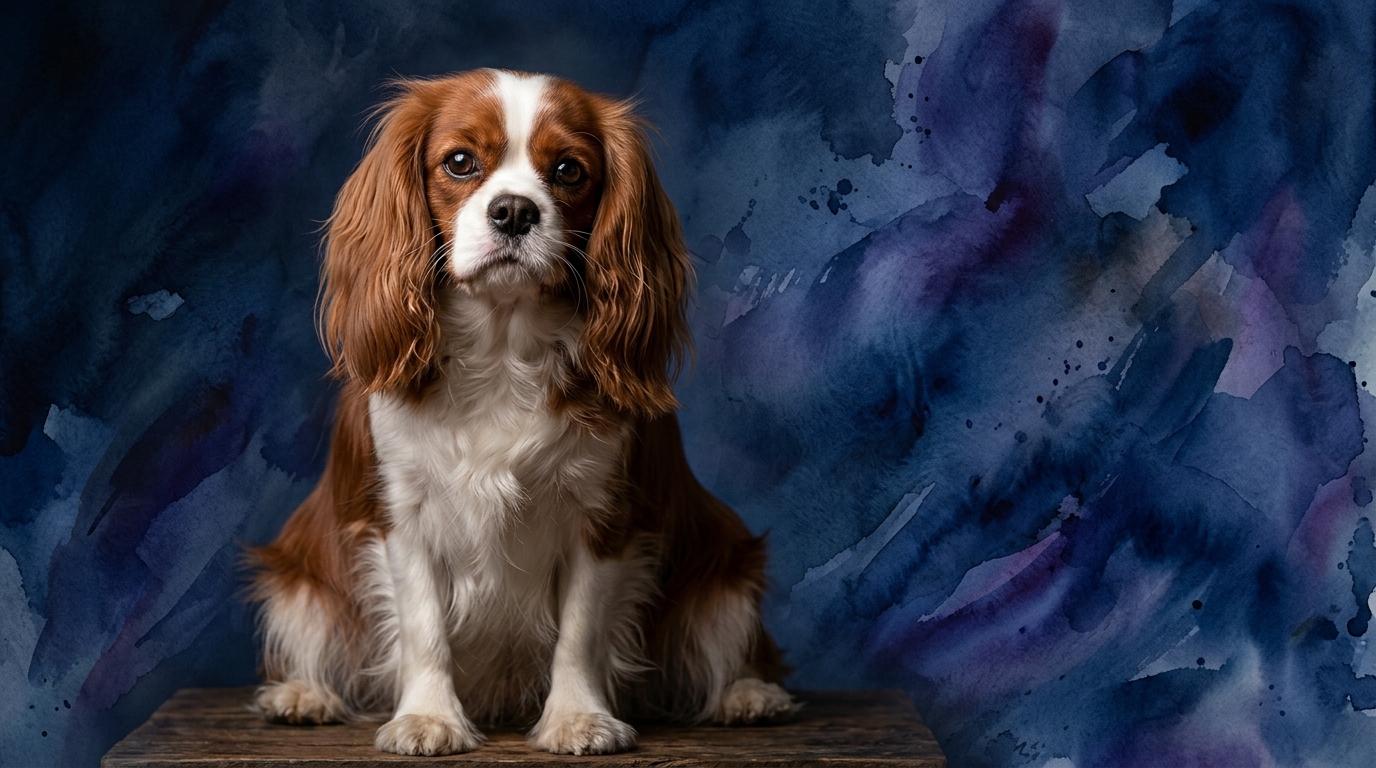
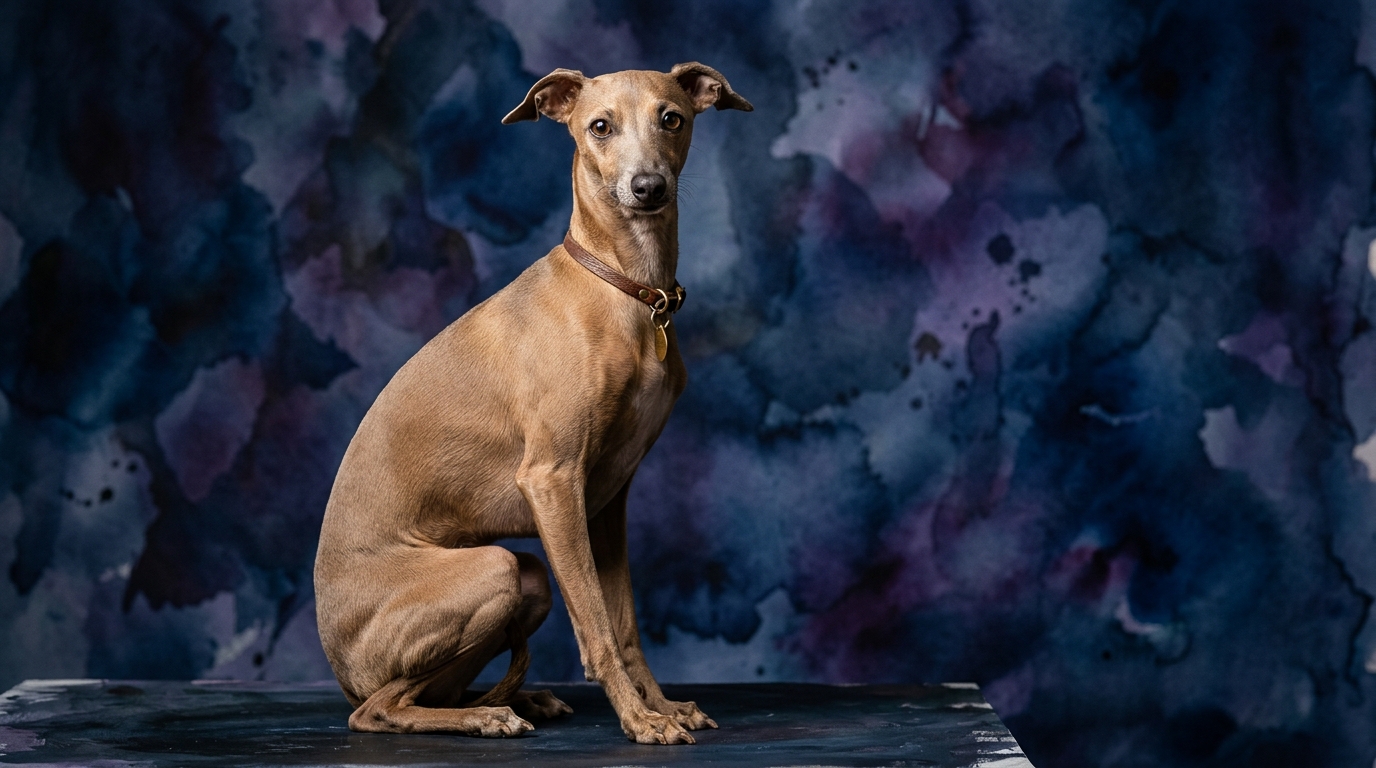
Side-by-Side IQ Profile: Cavalier King Charles Spaniel vs. Italian Greyhound
The Cavalier King Charles Spaniel, ranked #44 by Stanley Coren, falls into the category of above-average working/obedience intelligence. Their cognitive profile highlights specific strengths: Problem Solving (3/5) indicates a moderate ability to navigate challenges like retrieving a toy from under furniture or understanding simple sequences. Training Speed (3/5) reflects their capacity to grasp new commands with 15-25 repetitions, often aided by their desire to please. Social Intelligence (5/5) is a standout trait, showcasing exceptional empathy and an innate ability to read human emotions and intentions, making them deeply attuned to their family's moods. Instinctive Drive (3/5) reveals a mild curiosity for scent and a desire to follow, typically confined to their immediate surroundings. Memory (3/5) allows them to reliably recall commands, routines, and past experiences, contributing to consistent behavior.
The Italian Greyhound, while not specifically ranked by Coren, offers a distinct cognitive makeup. Their Problem Solving (3/5) mirrors the Cavalier's, demonstrating a moderate aptitude for finding creative solutions, often motivated by comfort or personal gain, such as accessing a favorite warm spot. Training Speed (3/5) is also similar, requiring 15-25 repetitions for new commands, though their independent nature can influence their willingness to comply. Social Intelligence (3/5) is more selective; while affectionate and deeply bonded with their chosen family, they are less universally attuned to social cues than Cavaliers and can be reserved with strangers. Instinctive Drive (3/5), characteristic of sighthounds, manifests as a strong chase response to fast-moving objects, reflecting their historical purpose. Memory (3/5) ensures they retain routines, learned behaviors, and recognition of familiar individuals and environments, fostering strong habits.
Where the Cavalier King Charles Spaniel Wins Cognitively
The Cavalier King Charles Spaniel's clear cognitive advantage lies in its exceptional Social Intelligence (5/5). This isn't merely about being friendly; it reflects a profound capacity to interpret and respond to human emotional states and social cues. A Cavalier can often anticipate its owner's needs, offering comfort during distress or initiating play when sensing an invitation. This high social attunement contributes to their remarkable adaptability in various household dynamics, making them particularly skilled at integrating into family life and forming strong, empathetic bonds. Their ability to 'read the room' makes them intuitive companions, often seeming to understand unspoken wishes and intentions, and they actively seek and value human interaction, making them highly responsive to praise and connection.
Where the Italian Greyhound Wins Cognitively
While their scores are largely similar or slightly lower, the Italian Greyhound's cognitive strengths are rooted in their sighthound heritage and independent spirit, which manifests uniquely. Their Problem Solving (3/5) is often driven by a distinct motivation for comfort and personal gain, leading to clever strategies for finding the warmest spot or accessing a favored blanket, sometimes bypassing conventional methods. Their Instinctive Drive (3/5), though shared, is specifically geared towards visual stimuli and chase, meaning they possess an acute awareness of movement in their environment that Cavaliers typically lack. This sharp visual processing and rapid reaction time, while sometimes challenging for owners, are cognitive strengths in their own right, reflecting a highly specialized sensory and motor system. Their more selective Social Intelligence (3/5) can also be seen as a win for owners who appreciate a dog that forms incredibly deep, almost exclusive, bonds with its immediate family, rather than being universally outgoing, allowing for an intense, albeit narrower, social connection.
Which is Easier to Train and Why
The Cavalier King Charles Spaniel generally presents an easier training experience due to its superior Social Intelligence (5/5) coupled with a respectable Training Speed (3/5). Their strong desire to please and deep attunement to human emotional states mean they are highly motivated by positive reinforcement and connection with their owner. They actively seek to understand what is expected of them and are eager to comply to maintain harmony and receive affection. This makes them highly responsive to cues and less prone to wilful disobedience, often thriving in obedience-based activities where their bond with their handler is central.
The Italian Greyhound, while matching the Cavalier in Training Speed (3/5), can be more challenging due to its lower Social Intelligence (3/5) and independent sighthound nature. Iggys often require a higher level of motivation, as their compliance is more often driven by personal benefit (e.g., a treat or a cozy spot) rather than an inherent desire to please. Their independent streak means they might choose to ignore a command if something more interesting captures their attention, especially if their strong instinctive chase drive is triggered outdoors. Consistency, patience, and high-value rewards are paramount when training an Italian Greyhound, as their motivation needs to be carefully managed to overcome their natural independence.
Which Suits Active Owners vs. Relaxed Owners
For relaxed owners seeking a devoted, empathetic companion, the Cavalier King Charles Spaniel is an ideal fit. Their high social intelligence means they thrive on human companionship and are content with moderate daily activity, such as leisurely walks and indoor play. They are typically adaptable to apartment living and enjoy cuddling on the sofa, making them excellent partners for those who prioritize quiet evenings and close interaction. Their primary need is consistent social engagement and affection, rather than extensive physical exertion, making them a low-impact yet deeply rewarding companion.
Active owners, particularly those who appreciate a dog with a distinct personality and a flair for independent thought, might find the Italian Greyhound more engaging. While they are small, Iggys possess a surprising burst of speed and enjoy short, vigorous play sessions or safe, enclosed runs where they can stretch their legs. They benefit from owners who understand and manage their sighthound instincts, such as providing secure outdoor spaces or engaging in lure coursing. While they also enjoy lounging, their need for occasional bursts of activity and mental stimulation that caters to their unique drives makes them a better match for owners who can accommodate these specific energy requirements and appreciate their spirited independence.
The Verdict
Choose the Cavalier King Charles Spaniel if you seek an exceptionally empathetic, universally friendly, and highly adaptable companion who thrives on deep social connection and gentle interaction.
Opt for the Italian Greyhound if you appreciate an elegant, independent spirit with a unique sighthound drive, forming intense bonds with its chosen family, and offering bursts of spirited play alongside quiet companionship.
🧠 Find Your Pet's IQ Score
Our Pet IQ Lab assessment covers 25+ tests across 5 cognitive dimensions — personalized to your breed.
Take the Full IQ Test →Frequently Asked Questions
Are Cavalier King Charles Spaniels good with children?
Yes, their high social intelligence and gentle nature make Cavalier King Charles Spaniels generally excellent with children, provided both dog and child are taught respectful interaction. They often tolerate the antics of youngsters with patience and can form very strong, nurturing bonds with them.
Do Italian Greyhounds have a strong prey drive?
Italian Greyhounds possess a moderate instinctive drive, primarily manifesting as a strong visual prey drive typical of sighthounds. This means they are highly attracted to fast-moving objects and may chase small animals, necessitating secure leashes and fenced areas for their safety.
Which breed is more prone to separation anxiety?
Both breeds can develop separation anxiety if not properly acclimated to alone time, but the Cavalier King Charles Spaniel, with its very high social intelligence and deep need for companionship, might be slightly more prone. Their profound attachment to humans means they truly thrive on constant presence.