Side-by-Side Cognitive Profiles
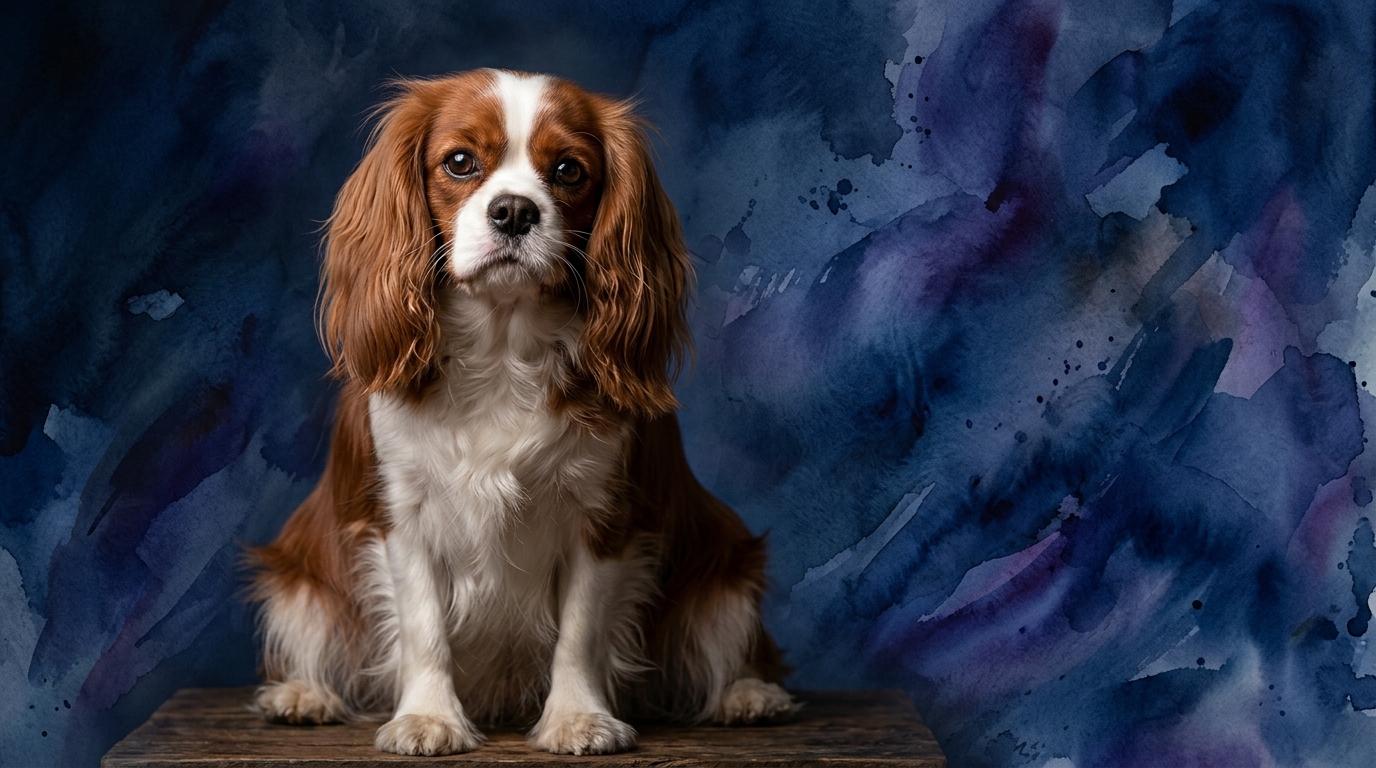
The Cavalier King Charles Spaniel, ranked #44 by Coren, presents a profile marked by strong social aptitude. Their problem-solving ability scores a 3 out of 5, indicating they can navigate moderate challenges, often learning through observation and interaction. Training speed is also a 3 out of 5, suggesting they grasp new commands at an average pace, aided by their eager-to-please nature. Where Cavaliers truly distinguish themselves is in social intelligence, scoring a perfect 5 out of 5; this reflects their profound capacity for emotional connection, empathy, and attunement to human moods and cues. Their instinctive drive sits at a 3 out of 5, meaning while they possess some natural dog behaviors, these are typically not overwhelming. Memory, at 3 out of 5, allows them to retain learned behaviors and routines consistently.
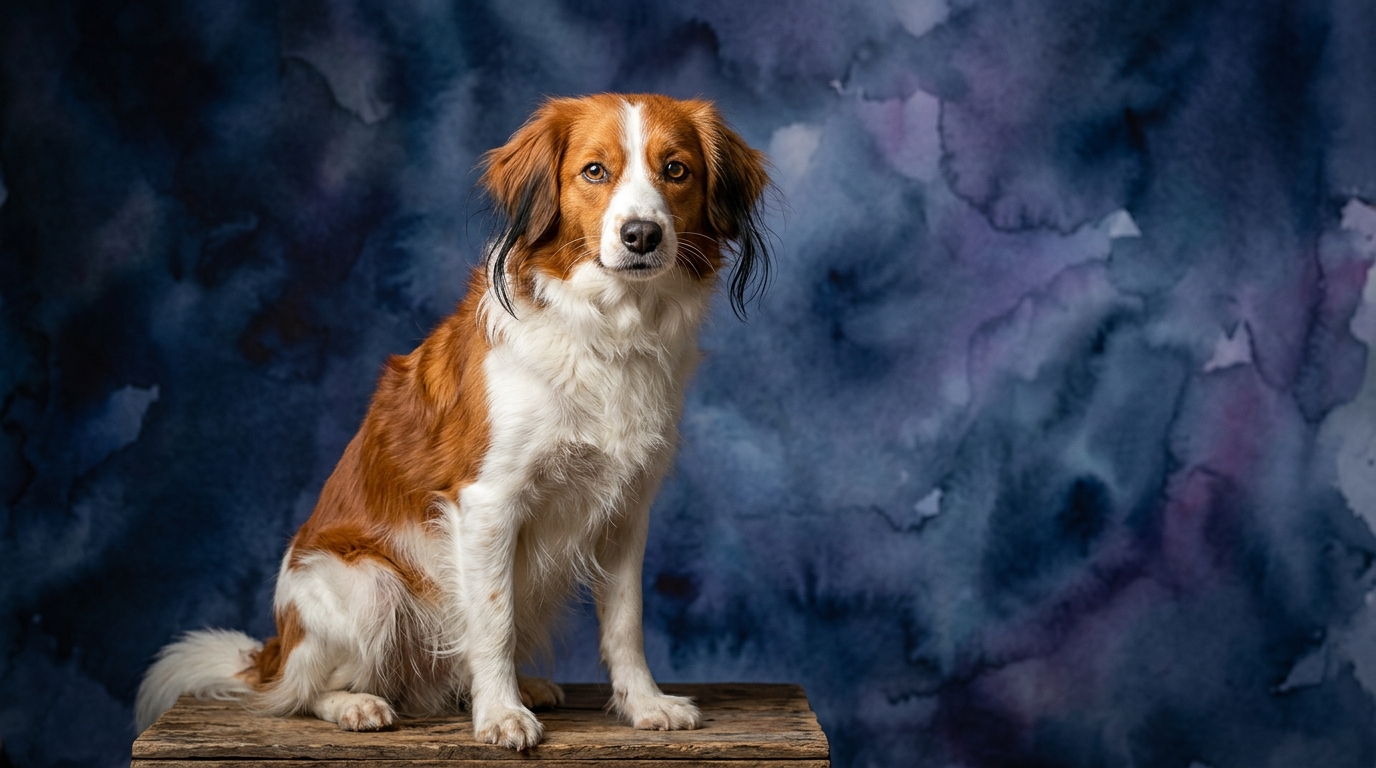
The Kooikerhondje, while not Coren-ranked, shows a remarkably balanced cognitive profile, with all five dimensions scoring 3 out of 5. This breed’s problem-solving ability, at 3 out of 5, points to a practical intelligence, capable of figuring out moderate tasks relevant to their environment, often with a degree of independence. Their training speed, also 3 out of 5, means they learn at an average pace, but often require engaging, consistent methods. Social intelligence, at 3 out of 5, indicates they are sociable and form bonds, but may not possess the same intense emotional attunement as some companion breeds, often valuing a bit more independence. An instinctive drive of 3 out of 5 reflects their working heritage, with a moderate but present inclination for activities like chasing and retrieving. Finally, a memory score of 3 out of 5 ensures they reliably recall training and experiences, contributing to their consistency.
Where the Cavalier King Charles Spaniel Excels Cognitively
The Cavalier King Charles Spaniel undeniably shines in the realm of social intelligence, boasting a 5 out of 5 score. This isn't just about being friendly; it reflects a sophisticated understanding of human social dynamics. Cavaliers are adept at reading subtle emotional cues, often anticipating their owner's needs or moods without explicit commands. Their deep empathy allows them to offer comfort or companionship precisely when needed, creating an exceptionally strong, almost intuitive bond. This cognitive strength translates into remarkable adaptability in various social settings and an innate desire to be a harmonious part of the family unit, making them unparalleled emotional support animals and devoted companions.
Where the Kooikerhondje Stands Out Cognitively
While the Kooikerhondje's individual scores are consistently 3 out of 5, its cognitive strength lies in the cohesive application of these balanced abilities, particularly in a task-oriented context. Their problem-solving (3/5) and instinctive drive (3/5) combine to create a practical, self-reliant intelligence. Unlike the Cavalier's social prowess, the Kooiker's cognitive profile is geared towards purposeful activity. They excel at figuring out how to achieve a goal, whether it's navigating a scent trail or engaging with a puzzle toy, often driven by their inherent desire to work. This makes them particularly adept at activities requiring sustained focus and a degree of independent thought, traits crucial for their historical role as duck-decoying dogs.
Which is Easier to Train and Why
When considering ease of training, the Cavalier King Charles Spaniel often appears more straightforward for basic obedience due to their exceptional social intelligence (5/5). While their training speed is average (3/5), their intense desire to please and connect with their handler means they are highly motivated by positive reinforcement and social praise. They are sensitive to handler feedback and eager to perform actions that strengthen their bond, which can make them very compliant and responsive, especially in a home environment. However, their lower instinctive drive (3/5) means they might not be as driven for complex, repetitive tasks without strong social motivation.
The Kooikerhondje, with an average training speed (3/5) and social intelligence (3/5), might require a more nuanced training approach. They are intelligent and capable of learning, but their comparatively lower social drive means they might not be as inherently motivated by pleasing their owner alone. Their training benefits significantly from incorporating their moderate instinctive drive (3/5) and problem-solving abilities (3/5) into engaging, varied sessions. They respond well to clear, consistent training that taps into their natural curiosity and desire for purpose, making positive reinforcement with varied rewards, including play and scent work, particularly effective. They can be sensitive, so harsh methods are counterproductive.
Which Suits Active Owners vs. Relaxed Owners
The Cavalier King Charles Spaniel, with its high social intelligence (5/5) and moderate instinctive drive (3/5), is an ideal match for more relaxed owners. They thrive on companionship and being an integrated part of daily family life, content with regular walks, playtime, and extensive cuddle sessions. While they enjoy activity, their primary need is for social interaction and emotional closeness rather than intense physical or mental tasks. They are adaptable to apartment living and less demanding in terms of structured exercise, making them perfect for those seeking a devoted, low-key companion.
Conversely, the Kooikerhondje, with its balanced 3/5 scores across the board, particularly problem-solving and instinctive drive, is better suited for active owners. This breed possesses a robust need for mental and physical engagement. Their historical role as working dogs means they thrive when given a 'job' or participating in activities like agility, obedience, flyball, or scent work. An active owner who can provide consistent training, varied exercises, and opportunities for mental stimulation will find the Kooikerhondje to be an engaging and rewarding partner. They are generally not content to be couch potatoes and require an outlet for their intelligence and energy.
The Verdict
Choose the Cavalier King Charles Spaniel if your priority is an emotionally intuitive, deeply affectionate companion who thrives on close social bonds and offers comfort with an almost psychic understanding.
Opt for the Kooikerhondje if you seek a versatile, purposeful companion who enjoys mental challenges and physical activity, and whose practical intelligence makes them a rewarding partner in various dog sports and tasks.
🧠 Find Your Pet's IQ Score
Our Pet IQ Lab assessment covers 25+ tests across 5 cognitive dimensions — personalized to your breed.
Take the Full IQ Test →Frequently Asked Questions
Are Cavalier King Charles Spaniels good with children?
Yes, their high social intelligence and gentle nature make Cavalier King Charles Spaniels generally excellent with children, often forming strong, patient bonds. They are typically tolerant and enjoy being part of family activities, making them wonderful family companions.
Do Kooikerhondjes require extensive grooming?
Kooikerhondjes have a medium-length double coat that requires moderate grooming. Regular brushing, typically 2-3 times a week, is needed to prevent mats and reduce shedding, especially around their feathering on legs and tail.
Which breed is more prone to separation anxiety?
Given their 5/5 social intelligence, Cavalier King Charles Spaniels can be more prone to separation anxiety due to their strong attachment to their human companions. Kooikerhondjes, with 3/5 social intelligence, are generally more independent but still require proper socialization and training to prevent similar issues.