
Side-by-Side Cognitive Profiles
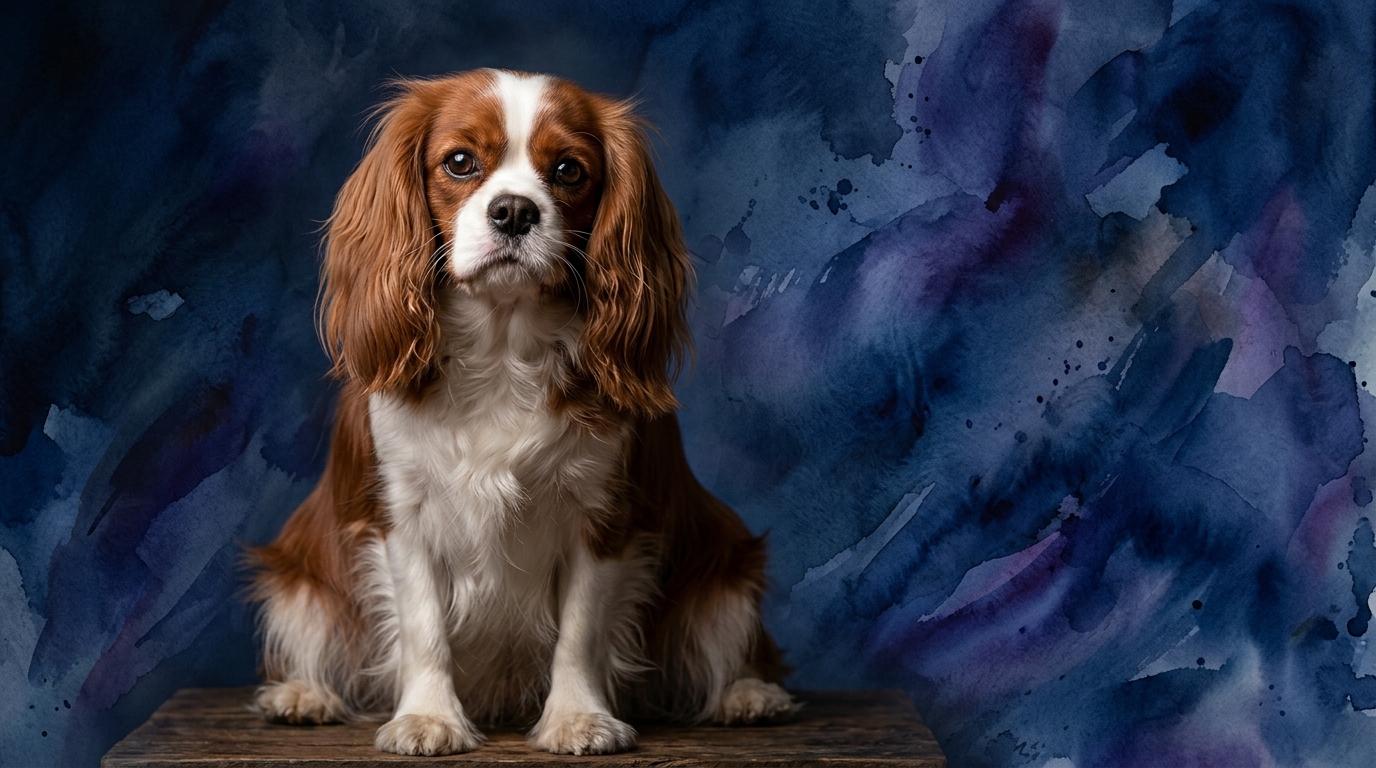
The Cavalier King Charles Spaniel, ranked #44 by Coren, presents a balanced cognitive profile with a notable strength in social interaction. Their problem-solving ability scores a 3 out of 5, indicating they can tackle moderate challenges but might not independently devise complex solutions. Training speed is also a 3/5, suggesting they learn new commands at an average pace, requiring consistent but not overly intensive repetition. Where Cavaliers truly shine is in social intelligence, scoring a perfect 5/5; this reflects an exceptional capacity to interpret human emotions, body language, and intentions, making them remarkably attuned companions. Their instinctive drive registers a 3/5, a moderate level that typically manifests as a desire for comfort and companionship rather than intense prey pursuit. Memory, at 3/5, means they retain learned behaviors and routines reasonably well over time.
The Redbone Coonhound, a breed not appearing on Coren's ranking, shows a remarkably consistent cognitive profile across all measured dimensions. Their problem-solving ability, like the Cavalier, scores a 3 out of 5, indicating a practical capacity to navigate obstacles or figure out how to access desired items without exceptional ingenuity. Training speed also rates a 3/5, meaning they learn at a comparable pace to the Cavalier, responding well to clear and consistent instruction. Social intelligence for the Redbone Coonhound is a 3/5, suggesting they understand human cues to a functional degree but may not possess the same profound emotional attunement as the Cavalier. Their instinctive drive, also a 3/5, is a crucial aspect of their identity; while numerically similar to the Cavalier, it manifests as a powerful, sustained urge to follow scent trails, a drive that can override other considerations. Memory, at 3/5, allows them to recall learned commands and the locations of familiar scents effectively.
Where the Cavalier King Charles Spaniel Excels Cognitively
The Cavalier King Charles Spaniel’s primary cognitive advantage lies in its superior social intelligence, scoring a full 5 out of 5 compared to the Redbone Coonhound’s 3/5. This elevated social acumen means Cavaliers possess an inherent ability to read and respond to human emotions with remarkable sensitivity. They are exceptionally good at understanding subtle shifts in tone, facial expressions, and body language, making them intuitive companions who often seem to anticipate their owner's needs or moods. This profound connection is a key differentiator, fostering a deep, empathetic bond that few other breeds can match.
Furthermore, the Cavalier's moderate instinctive drive (3/5) means their focus is less likely to be hijacked by external environmental stimuli, such as compelling scents or distant movements, compared to a breed with a more intense, specialized drive. While their problem-solving and training speed scores are average, their high social intelligence significantly enhances their cooperativeness in domestic settings, allowing them to integrate seamlessly into family life and respond positively to human direction. Their Coren ranking of #44 also places them comfortably within the 'average working/obedience intelligence' category, reflecting a general cognitive readiness for typical companion dog roles.
Where the Redbone Coonhound Excels Cognitively
While the Redbone Coonhound shares many numerical scores with the Cavalier, its cognitive strength lies in the specialized application of its instinctive drive and persistence. Scoring a 3/5 in instinctive drive, this isn't a passive trait; for a Coonhound, it's a powerful, relentless impetus to track. This drive underpins a unique cognitive focus and endurance, allowing them to engage in prolonged, complex scent-following tasks that demand sustained attention and problem-solving within a specific domain. Their memory, also a 3/5, is particularly effective in retaining information related to scent patterns and terrain, crucial for their working heritage.
The Redbone Coonhound’s problem-solving ability, while rated 3/5, often manifests in a different context than a Cavalier’s. For a Coonhound, solving a 'problem' might involve navigating dense underbrush, deciphering a cold trail, or bypassing an obstacle to continue a pursuit. This requires a practical, persistent form of intelligence, less about human-centric puzzles and more about environmental navigation and goal-oriented determination. Their consistent scores across the board suggest a sturdy, dependable cognitive framework well-suited for their historical role, emphasizing resilience and methodical engagement with their environment rather than nuanced social interaction.
Which Is Easier to Train and Why
When considering ease of training, the Cavalier King Charles Spaniel generally holds an advantage, primarily due to its significantly higher social intelligence (5/5 vs. 3/5 for the Redbone). A Cavalier's profound capacity to understand and respond to human cues translates directly into greater willingness and aptitude for cooperative learning. They are more attuned to their owner's desires and pleasure, often finding intrinsic reward in pleasing their human companions. This responsiveness can make initial obedience training smoother and more gratifying, as they are more likely to offer desired behaviors and less prone to independent agendas.
The Redbone Coonhound, while possessing a comparable training speed (3/5), faces unique challenges rooted in its powerful instinctive drive. This drive, while a 3/5 like the Cavalier's, is geared towards independent scent work. Once a Coonhound catches a compelling scent, their focus can become singularly directed towards following that trail, often making it difficult to redirect their attention to human commands. Training a Coonhound requires exceptional patience, consistency, and a deep understanding of their innate motivations, often employing positive reinforcement techniques that can compete with the allure of a captivating smell. While trainable, their independent nature and strong olfactory focus can make them appear less 'easy' than a Cavalier in a typical home environment.
Which Suits Active Owners vs. Relaxed Owners
For relaxed owners seeking a devoted and low-key companion, the Cavalier King Charles Spaniel is often the more suitable choice. Their moderate instinctive drive (3/5) primarily translates into a desire for companionship and comfort rather than intense physical exertion or independent exploration. Their high social intelligence (5/5) means they thrive on human interaction and are content with gentle walks, cuddle sessions, and being an integral part of family activities. They adapt well to apartment living and do not typically demand extensive, rigorous exercise, making them ideal for individuals or families with a more relaxed pace of life.
Conversely, the Redbone Coonhound is better suited for active owners who appreciate and can accommodate a dog with a strong, focused working drive. Their consistent 3/5 scores across the board, particularly their instinctive drive, indicate a need for regular, purposeful activity. These dogs thrive on opportunities to engage their olfactory senses and expend energy, whether through long hikes, scent work, or participation in canine sports. Owners who enjoy outdoor adventures, have a secure yard, and are prepared to provide consistent physical and mental stimulation will find a Redbone Coonhound to be a robust and rewarding partner. Their independent nature also means they appreciate a certain degree of freedom and challenge in their activities.
The Verdict: When to Choose Each
Choosing between a Cavalier King Charles Spaniel and a Redbone Coonhound hinges significantly on lifestyle, training philosophy, and desired canine companionship dynamics.
The Verdict
Choose a Cavalier King Charles Spaniel if you prioritize a deeply empathetic, highly social companion who thrives on human connection and requires moderate physical activity. Their intuitive understanding of human emotions makes them exceptional family pets and therapy dogs.
Opt for a Redbone Coonhound if you are an active individual or family seeking a robust, independent dog with a profound drive for scent work and outdoor adventure. Be prepared to channel their consistent energy and focused instincts through consistent training and purposeful activities.
🧠 Find Your Pet's IQ Score
Our Pet IQ Lab assessment covers 25+ tests across 5 cognitive dimensions — personalized to your breed.
Take the Full IQ Test →Frequently Asked Questions
Do Cavalier King Charles Spaniels need a lot of exercise?
Cavalier King Charles Spaniels have a moderate instinctive drive (3/5), meaning they enjoy daily walks and playtime but do not typically require intense, prolonged exercise. They are content with being close to their humans and adapt well to a more relaxed lifestyle.
Are Redbone Coonhounds difficult to train because of their hunting instincts?
Redbone Coonhounds have a strong instinctive drive (3/5) for scent work, which can make training challenging if not properly managed. While they have an average training speed (3/5), their tendency to follow compelling scents requires consistent, patient training methods to maintain focus on human commands.
Which breed is better with children, based on their IQ profiles?
The Cavalier King Charles Spaniel, with its 5/5 social intelligence, is generally more attuned to human interactions, including those with children, making them naturally gentle and understanding. The Redbone Coonhound's 3/5 social intelligence suggests they are functional with children but may not possess the same intuitive empathy.