Side-by-Side IQ Profile: Cavalier King Charles Spaniel vs. Shiba Inu
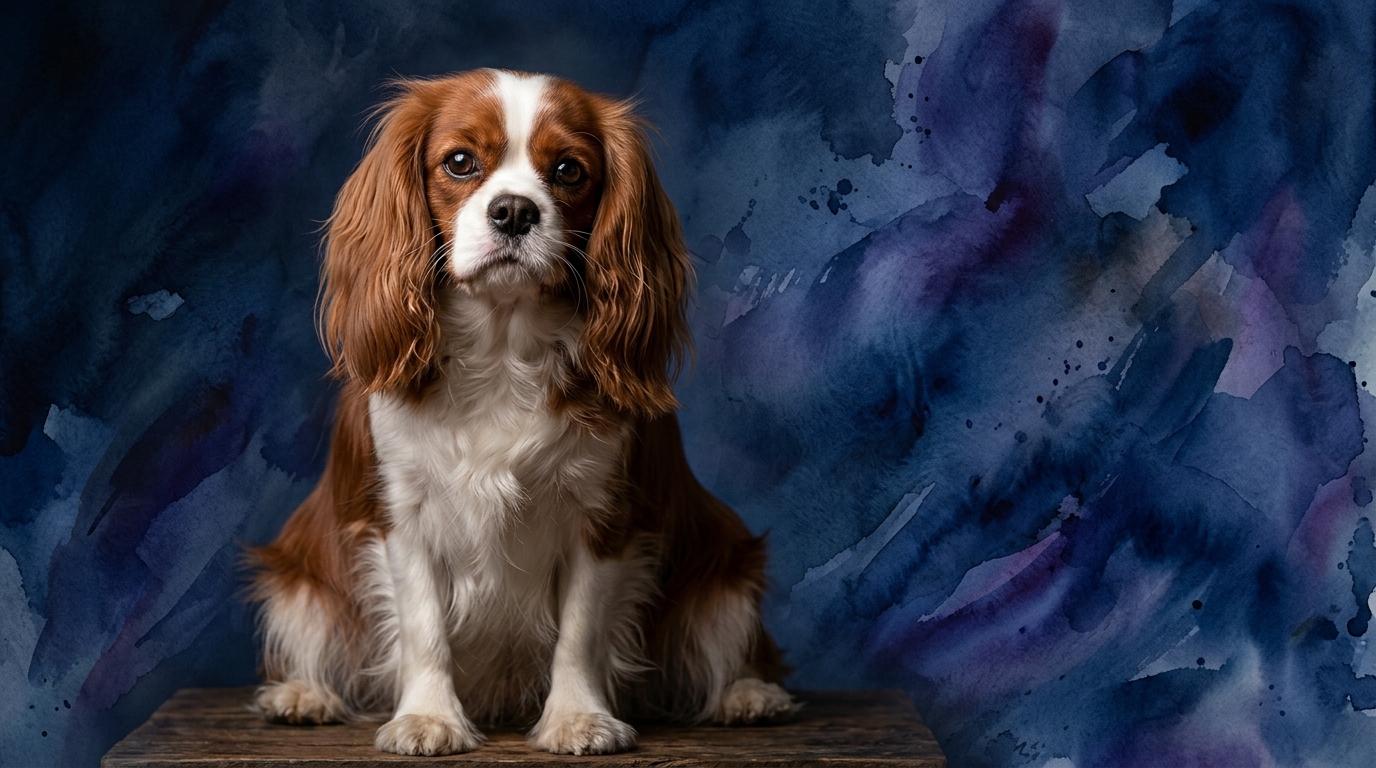
The Cosmic Pet Pet IQ Lab assesses canine intelligence across five critical dimensions, providing a nuanced view of each breed's cognitive landscape. For the Cavalier King Charles Spaniel, their profile reveals a balanced yet distinctly socially-oriented intellect. Their Problem Solving is rated 3/5, indicating a moderate capacity for navigating new challenges, often benefiting from human guidance. Training Speed also stands at 3/5, suggesting they learn new commands and routines at a steady pace, usually eager to cooperate. Where Cavaliers truly shine is in Social Intelligence, earning a perfect 5/5, reflecting an exceptional ability to interpret human emotions and intentions, fostering deep, intuitive bonds. Their Instinctive Drive is 3/5, signifying a manageable level of inherent behaviors like chasing or scenting, while their Memory is 3/5, allowing for adequate retention of learned experiences and routines.
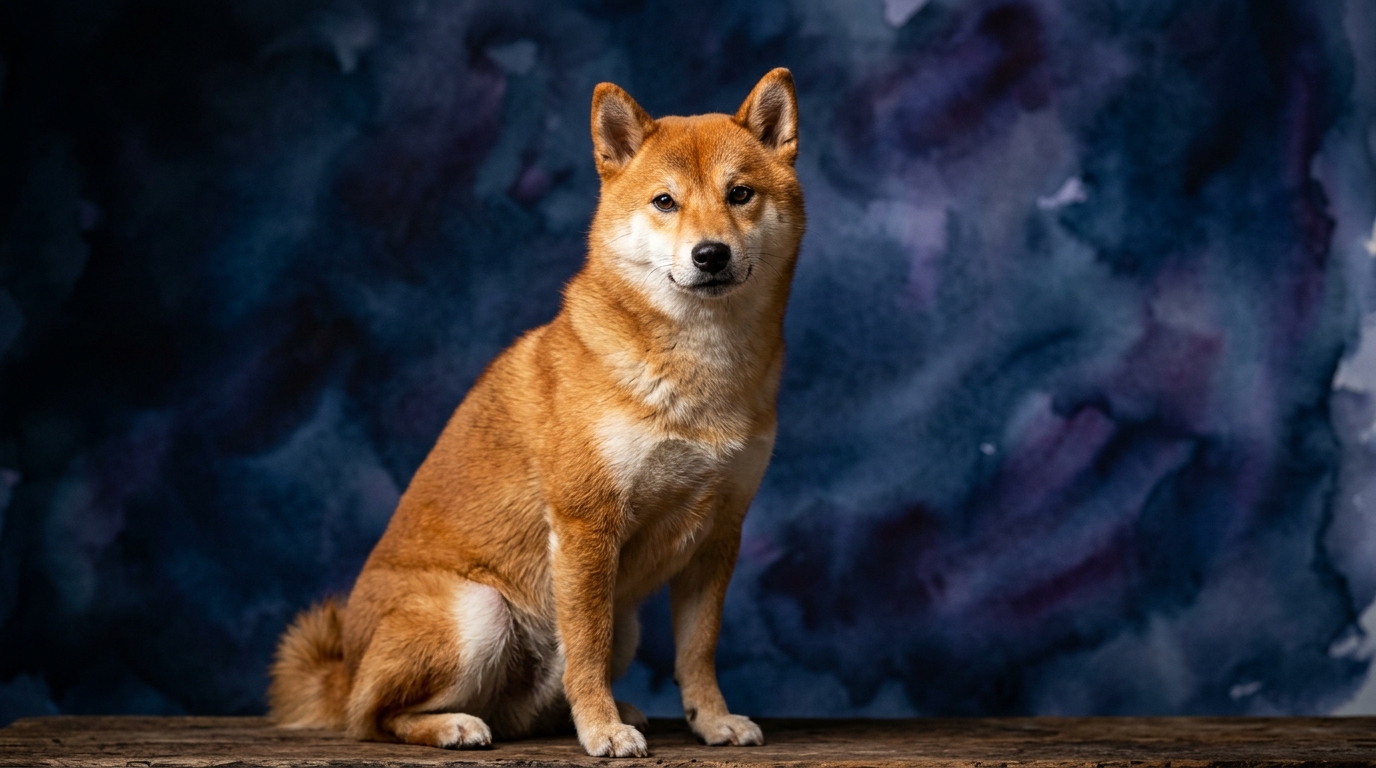
Conversely, the Shiba Inu presents a cognitive profile marked by greater independence and instinct. Their Problem Solving capability is a robust 4/5, indicating a notable aptitude for independent thought and strategizing to overcome obstacles. However, their Training Speed is 2/5, suggesting a slower acquisition of new commands, often due to their strong-willed nature and less inherent desire to please. Shiba Inus register a 3/5 in Social Intelligence; while they are observant of their surroundings and human family, their engagement is often on their own terms, less overtly cooperative than the Cavalier. A defining characteristic is their Instinctive Drive, rated 5/5, reflecting a powerful, intrinsic motivation often tied to hunting or self-preservation. Their Memory is 4/5, indicating a strong capacity to recall both positive and negative experiences, which significantly influences their learning and behavior.
Where the Cavalier King Charles Spaniel Wins Cognitively
The Cavalier King Charles Spaniel's primary cognitive advantage lies in their unparalleled Social Intelligence. A score of 5/5 isn't just about being friendly; it signifies a profound ability to understand and respond to human emotional states and subtle cues. This high social acumen means they are exceptionally adept at forming close, empathetic connections, often anticipating their owner's needs or moods. This trait also enhances their cooperative nature, making them highly responsive in interactive scenarios where reading human intent is key. While their Problem Solving is rated 3/5, their social intelligence often augments this by making them more receptive to human-led problem-solving, where an owner can guide them through a task, and the Cavalier readily understands the cooperative dynamic.
Their balanced Instinctive Drive (3/5) ensures that their inherent tendencies are generally manageable, meaning they are less likely to be overwhelmed by powerful urges that detract from social interaction. This allows their strong social intelligence to remain at the forefront of their cognitive processing, facilitating an integrated approach to daily life where human companionship and understanding are central. Their moderate Memory (3/5) supports the retention of social routines and positive interactions, reinforcing their bond-oriented learning.
Where the Shiba Inu Wins Cognitively
The Shiba Inu's cognitive strengths distinctly lean towards independent thought and robust instinct. Their Problem Solving at 4/5 indicates a superior capacity for autonomous reasoning and finding solutions to challenges, often without direct human intervention. This manifests as cleverness in navigating environments, figuring out how to access desired items, or strategizing around perceived obstacles. This trait, combined with their powerful Instinctive Drive (5/5), means they possess a deep-seated motivation to pursue their own interests, whether it's exploring, chasing, or guarding resources. This drive makes them exceptionally resilient and focused when pursuing a goal they deem important.
Furthermore, their strong Memory (4/5) plays a crucial role in their independent problem-solving and instinctive behaviors. A Shiba Inu remembers what works and what doesn't, both in terms of achieving their own objectives and recalling past experiences, which can include training successes or failures. This memory contributes to their reputation for being resourceful and intelligent, capable of learning from their environment and adapting their strategies over time, even if it's not always in alignment with their owner's immediate wishes. Their moderate Social Intelligence (3/5) means they observe and learn from humans, but often process this information through the lens of their own self-interest.
Which is Easier to Train and Why
When it comes to ease of training, the Cavalier King Charles Spaniel generally presents a more straightforward experience than the Shiba Inu. The Cavalier's Training Speed of 3/5, coupled with their exceptional Social Intelligence (5/5), makes them highly receptive to instruction. They inherently seek to please and are adept at understanding human cues, which translates into a willingness to cooperate during training sessions. Their motivation often stems from the desire for positive interaction and approval, making reward-based training highly effective. They are less likely to challenge commands and more inclined to follow through once they understand what is expected, making the learning process a collaborative effort.
The Shiba Inu, with a Training Speed of 2/5 and a strong Instinctive Drive (5/5), can be significantly more challenging to train. Their independent nature means they often prioritize their own agenda over human directives, requiring immense patience and consistency. While their Problem Solving (4/5) is high, it often manifests as finding ways around rules or figuring out how to get what *they* want, rather than readily complying with human requests. Their strong memory (4/5) also means they remember if a command was inconsistently enforced, or if they successfully defied a request in the past. Training a Shiba requires a deep understanding of their motivations, often leveraging their prey drive or independent spirit in a structured way, rather than relying on a strong desire to please.
Which Suits Active Owners vs. Relaxed Owners
The Cavalier King Charles Spaniel is an excellent match for relaxed owners or those seeking a companionable, lower-key lifestyle. Their moderate Instinctive Drive (3/5) means they require regular but not overly strenuous exercise; daily walks and playtime are usually sufficient. Their high Social Intelligence (5/5) makes them thrive on human companionship and emotional connection, perfectly suiting owners who enjoy a constant, affectionate presence. They are generally content to snuggle on the couch, participate in gentle activities, and are less prone to destructive behaviors stemming from unmet physical or mental stimulation needs, provided their social needs are met. Their adaptability makes them suitable for various living situations, from apartments to larger homes, as long as they are close to their family.
The Shiba Inu, conversely, is better suited for active owners who can meet their significant needs for mental and physical engagement. Their powerful Instinctive Drive (5/5) demands consistent outlets for exploration, chasing, and independent activity. They benefit from structured exercise like hiking, running, or dog sports that challenge both their bodies and minds. Their strong Problem Solving (4/5) and Memory (4/5) mean they require mental stimulation through puzzle toys, training games, and varied experiences to prevent boredom and potential behavioral issues. Owners who appreciate a dog with an independent streak and are prepared to invest time in consistent training, socialization, and providing ample opportunities for their Shiba to expend energy will find a rewarding companion. They are not typically content with a purely sedentary lifestyle.
The Verdict: When to Choose Each Breed
The Verdict
Choose a Cavalier King Charles Spaniel if you desire a highly empathetic, cooperative, and affectionate companion who thrives on close human connection and offers a more relaxed, gentle presence in your home. They excel in social settings and integrate seamlessly into family life, making them ideal for those seeking a devoted, emotionally intelligent canine.
Opt for a Shiba Inu if you appreciate a dog with a strong independent spirit, exceptional problem-solving abilities, and a powerful instinctive drive, provided you are an active owner prepared to offer consistent training, ample physical activity, and mental enrichment. They are best for those who admire a dog's self-reliant nature and can manage a more challenging, yet rewarding, training journey.
🧠 Find Your Pet's IQ Score
Our Pet IQ Lab assessment covers 25+ tests across 5 cognitive dimensions — personalized to your breed.
Take the Full IQ Test →Frequently Asked Questions
Are Cavalier King Charles Spaniels good for first-time dog owners?
Yes, their high social intelligence and relatively easier trainability make them an excellent choice for first-time dog owners. They are typically eager to please and form strong bonds, simplifying the process of integrating a new dog into the home.
Do Shiba Inus tend to be destructive if not properly exercised?
Shiba Inus have a powerful instinctive drive and high problem-solving capacity, meaning if their physical and mental needs are not adequately met, they can indeed become destructive. They require consistent outlets for their energy and intelligence to prevent boredom-induced behaviors.
How do these breeds interact with children and other pets?
Cavalier King Charles Spaniels, with their 5/5 social intelligence, generally interact very well with children and other pets, often displaying patience and a gentle demeanor. Shiba Inus (3/5 social intelligence, 5/5 instinctive drive) can coexist with children and other pets, but their interactions are often more on their own terms and require careful socialization and supervision due to their independent and sometimes possessive nature.