Side-by-Side IQ Profile: Unpacking Identical Scores
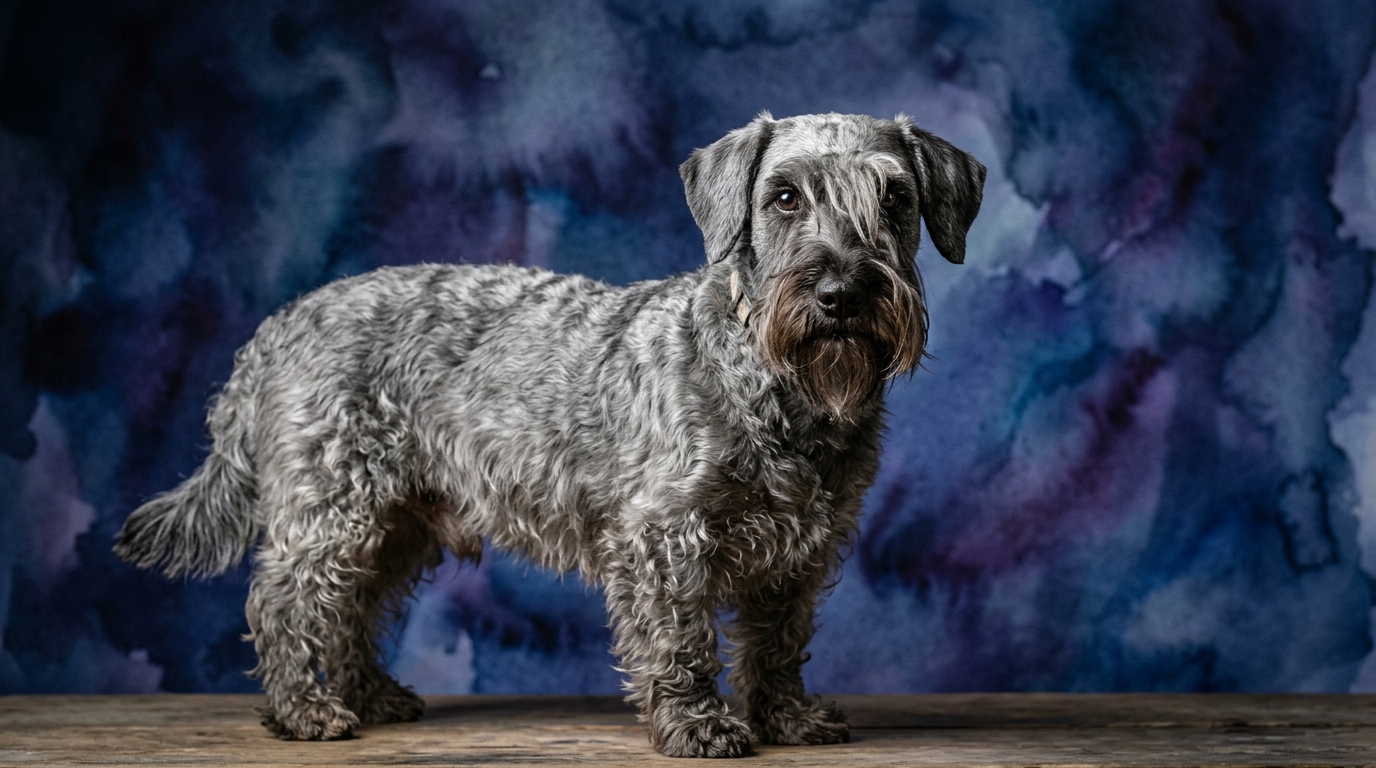
At first glance, the Cesky Terrier and American Foxhound present an intriguing cognitive paradox, each achieving a solid 3 out of 5 in every measured dimension: Problem Solving, Training Speed, Social Intelligence, Instinctive Drive, and Memory. This parity suggests neither is a cognitive outlier, but rather that both possess a functional and adaptable intellect, though applied through very different lenses. For the Cesky Terrier, a small yet robust member of the Terrier group, a 3/5 in Problem Solving often translates to a tenacious approach to overcoming physical barriers, such as digging under a fence or cleverly manipulating objects to reach a desired item, reflecting their historical role as vermin hunters. Their Training Speed at 3/5 indicates they are certainly trainable, but may require engaging, varied methods to maintain focus, as their independent streak can surface. Social Intelligence at 3/5 for the Cesky typically means they are attuned to their immediate family's moods and routines, forming strong bonds, though they might exhibit a reserved demeanor with strangers. Their Instinctive Drive, also 3/5, is strongly geared towards prey pursuit and digging, a persistent, focused energy. Finally, a 3/5 in Memory for the Cesky suggests they retain learned commands and routines effectively, but also remember the precise location of a prized buried toy or a preferred sunbeam spot.
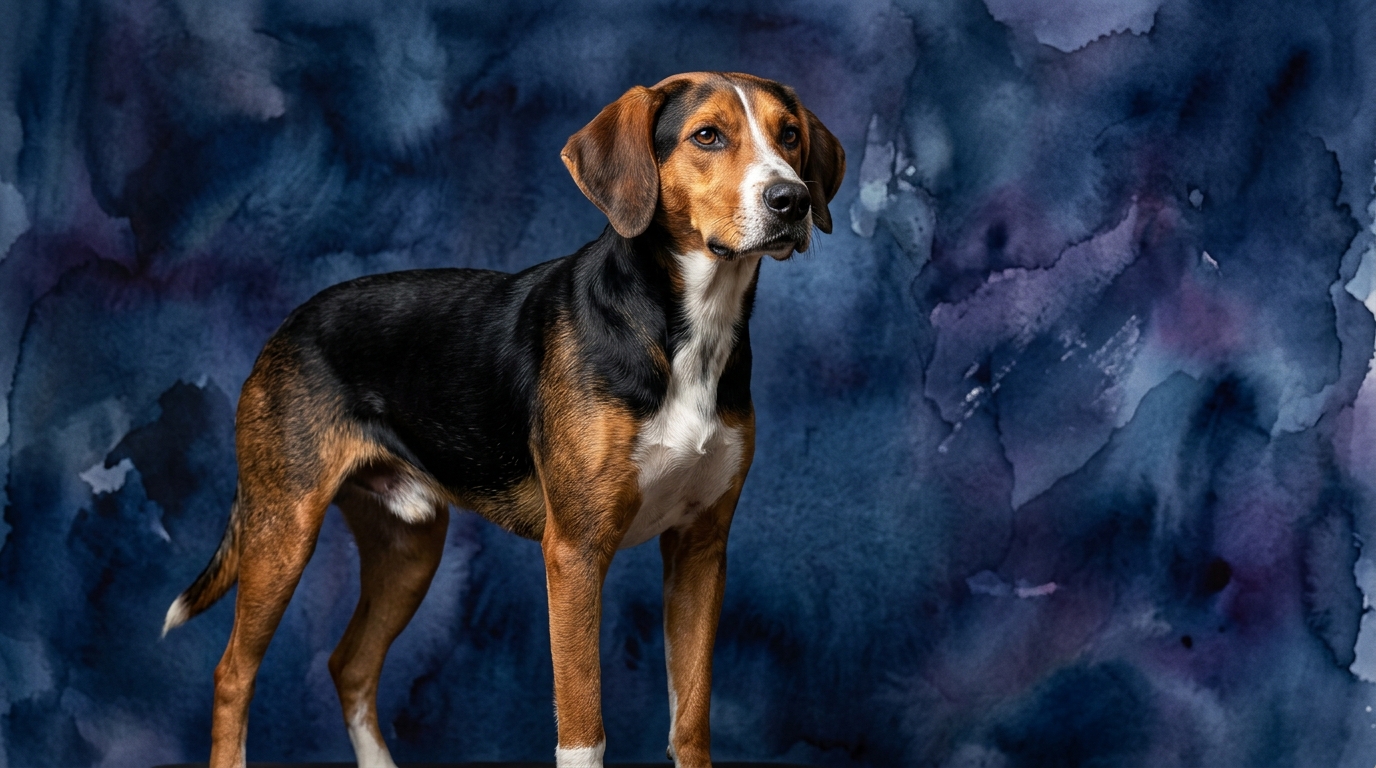
Conversely, for the American Foxhound, a quintessential member of the Hound group, the identical 3/5 scores manifest through a completely different lens, shaped by centuries of collaborative hunting. Their Problem Solving at 3/5 is less about physical manipulation and more about navigating complex environments to follow a scent trail, requiring sustained focus and the ability to interpret subtle olfactory clues over vast distances. A 3/5 in Training Speed highlights their capacity to learn, yet their profound independent scent drive often means training requires exceptional patience and high-value rewards to redirect their focus from an enticing trail. Their Social Intelligence at 3/5 is primarily pack-oriented, signifying an ability to cooperate with other hounds and respond to the broad directives of a human hunter, often expressed through vocalizations and body language within a group context. The American Foxhound's Instinctive Drive, a powerful 3/5, is almost entirely dominated by their unparalleled scenting ability and the urge to track. Their Memory at 3/5 is remarkable for recalling complex scent patterns and geographical layouts encountered during a long chase, remembering where a trail picks up or how to return to a familiar area, rather than intricate command sequences.
Where the Cesky Terrier's Cognitive Strengths Shine
The Cesky Terrier's cognitive strengths, while scoring 3/5, are particularly well-suited for a home environment where adaptability and a focused, independent intellect are valued. Their problem-solving acumen excels in situations requiring a direct, persistent effort, such as figuring out how to open a cabinet or retrieve a toy from a tight space, showcasing a practical, immediate intelligence. This breed's social intelligence, while not overtly demonstrative with all, allows them to form deep, nuanced connections with their primary caregivers, often picking up on subtle emotional cues and responding with a quiet loyalty. Their memory is robust for routines and the specific locations of cherished items or preferred resting spots, making them predictable companions within their established territory. The Cesky's instinctive drive, while potent, is often expressed in controlled bursts, making them engaging participants in structured play or earthdog trials, where their natural talents can be channeled effectively.
Furthermore, the Cesky's 3/5 training speed, combined with their desire for companionship, means they respond well to consistent, positive reinforcement methods that incorporate variety and mental stimulation. They thrive on tasks that allow them to use their brains, such as learning complex trick sequences or participating in obedience challenges that engage their terrier tenacity. Their cognitive profile makes them adept at navigating the complexities of a human household, understanding boundaries and expectations through consistent guidance, and applying their problem-solving skills to daily life challenges presented by their owners.
Where the American Foxhound's Cognitive Strengths Excel
The American Foxhound's cognitive strengths truly come to the fore in environments that allow their profound instinctive drive and scenting abilities to flourish, demonstrating a specialized, endurance-based intelligence. Their 3/5 problem-solving capability is less about domestic puzzles and more about the intricate task of tracking, where they must interpret a fading scent over varied terrain, overcome natural obstacles, and make independent decisions about the most probable path, often for hours on end. This requires immense focus, perseverance, and a sophisticated understanding of their environment. The Foxhound's social intelligence, while perhaps appearing less 'personal' than a terrier's, is deeply rooted in pack dynamics, allowing them to collaborate seamlessly with other dogs and respond to the broader commands of a handler during a hunt. Their memory is exceptional for scent patterns and geographical features encountered during pursuit, enabling them to retrace steps or remember promising areas for future exploration.
The Foxhound's 3/5 training speed, when coupled with their powerful scent drive, means they are not easily distracted from a track once engaged, but this very focus can be harnessed. Their cognitive strengths are best showcased in activities like scent work, tracking trials, or field events, where their innate talents are not merely tolerated but celebrated and directed. This breed's intelligence is geared towards sustained, independent work in an outdoor setting, requiring a specific type of mental stamina and decision-making that is distinct from a terrier's more confined, tactile problem-solving.
Training Trajectories: Patience for Both, Different Approaches
Given their identical 3/5 Training Speed scores, neither the Cesky Terrier nor the American Foxhound is an immediate 'quick study,' but the challenges and effective approaches to training differ significantly due to their inherent breed characteristics. The Cesky Terrier, while possessing an independent terrier spirit, often has a strong desire to please its family, making them responsive to positive reinforcement, especially when training sessions are kept engaging and varied. They can become bored with repetitive drills, so incorporating games, puzzle toys, and different locations for training can keep their 3/5 attention focused. Consistency is key, as is understanding their potential for selective hearing when something more interesting (like a squirrel) captures their attention. Their social intelligence means they are often receptive to learning from their human companions, but their problem-solving skills might also be applied to finding loopholes in rules, so clear, firm boundaries are essential.
The American Foxhound, also with a 3/5 Training Speed, presents a unique set of training considerations primarily driven by their overwhelming instinctive scent drive. Once a Foxhound catches a scent, their world narrows to that singular focus, making recall particularly challenging and requiring extensive, dedicated training from a young age. Training sessions must compete with the allure of the outdoors, demanding high-value rewards (like exceptional treats or a quick chase game) to capture and maintain their attention. Their social intelligence, being more pack-oriented, means they might thrive in group training environments where they learn alongside other dogs, but individual focus on the handler can be difficult to achieve without significant effort. Patience, consistency, and a deep understanding of their breed's purpose are non-negotiable for successful training with a Foxhound; simply put, their nose often dictates their next move, and training involves teaching them to override that powerful instinct when necessary.
Lifestyle Match: Energetic Companions vs. Dedicated Explorers
Matching a dog's cognitive profile and energy levels to an owner's lifestyle is critical for a harmonious relationship, and here the Cesky Terrier and American Foxhound diverge considerably despite their similar IQ scores. The Cesky Terrier, while active and requiring regular exercise, is generally more adaptable to various living situations, including apartments, provided they receive sufficient physical and mental stimulation. Their 3/5 instinctive drive can be satisfied with structured walks, playtime in a securely fenced yard, and engaging indoor activities like puzzle feeders or scent games. They thrive with owners who enjoy daily walks, interactive play, and perhaps participation in dog sports like agility or obedience, which leverage their problem-solving and memory skills. A Cesky can be a wonderful companion for an active owner who also appreciates quieter moments indoors, as their social intelligence means they enjoy being part of family life.
In stark contrast, the American Foxhound is definitively not suited for relaxed owners or those unable to provide extensive, consistent, and specific forms of exercise. Their profound 3/5 instinctive drive for tracking means they require vast opportunities to run, explore, and follow scents, ideally in securely fenced areas or on long, leashed excursions in safe, open spaces. They are bred for endurance and require hours of physical activity daily to be content, making them ideal for highly active, outdoors-oriented individuals or families who can integrate their dog into a vigorous routine like jogging, hiking, or even hunting. Their pack mentality also means they often thrive with other dogs, but their independent nature and strong prey drive necessitate careful management. An American Foxhound is a dedicated explorer, not a casual companion, and will be happiest with an owner who understands and caters to this fundamental aspect of their cognitive and physical makeup.
The Verdict
Choose the Cesky Terrier if you seek a tenacious, adaptable companion who thrives on mental engagement within a family setting and can adapt to varied living situations with consistent activity. They are a good fit for owners who appreciate a dog with a clear personality and a practical, problem-solving approach to daily life.
Opt for the American Foxhound if you are a highly active, outdoors-loving individual or family prepared to dedicate significant time and effort to fulfilling their profound instinctive drive for scenting and running. They are best suited for those who can provide extensive, stimulating exercise and appreciate a dog whose intelligence is geared towards endurance and independent outdoor work.
🧠 Find Your Pet's IQ Score
Our Pet IQ Lab assessment covers 25+ tests across 5 cognitive dimensions — personalized to your breed.
Take the Full IQ Test →Frequently Asked Questions
Do Cesky Terriers and American Foxhounds have the same intelligence?
According to The Cosmic Pet Pet IQ Lab, both breeds score identically with 3/5 across all five cognitive dimensions. However, how these scores manifest and are applied in their daily lives differs significantly due to their distinct breed purposes and inherent drives, making them cognitively unique.
Which breed is easier to train for a first-time dog owner?
Neither breed is typically recommended as 'easy' for a first-time owner due to their independent natures and specific drives. The Cesky Terrier might be slightly more manageable in a home setting due to its size and potential desire to please, but both require consistent, patient training and a clear understanding of their breed-specific motivations.
Which breed requires more exercise?
The American Foxhound unequivocally requires significantly more exercise than the Cesky Terrier. Bred for endurance and tracking over long distances, they need hours of vigorous physical activity daily, often involving running and scent work, whereas the Cesky Terrier is active but can often be satisfied with more structured, contained exercise.