Side-by-Side Cognitive Profiles
The Cosmic Pet Pet IQ Lab employs five dimensions to map a dog's cognitive capacity: Problem Solving, Training Speed, Social Intelligence, Instinctive Drive, and Memory. Understanding these scores provides a nuanced perspective on each breed's mental makeup, moving past broad generalizations to pinpoint specific aptitudes.
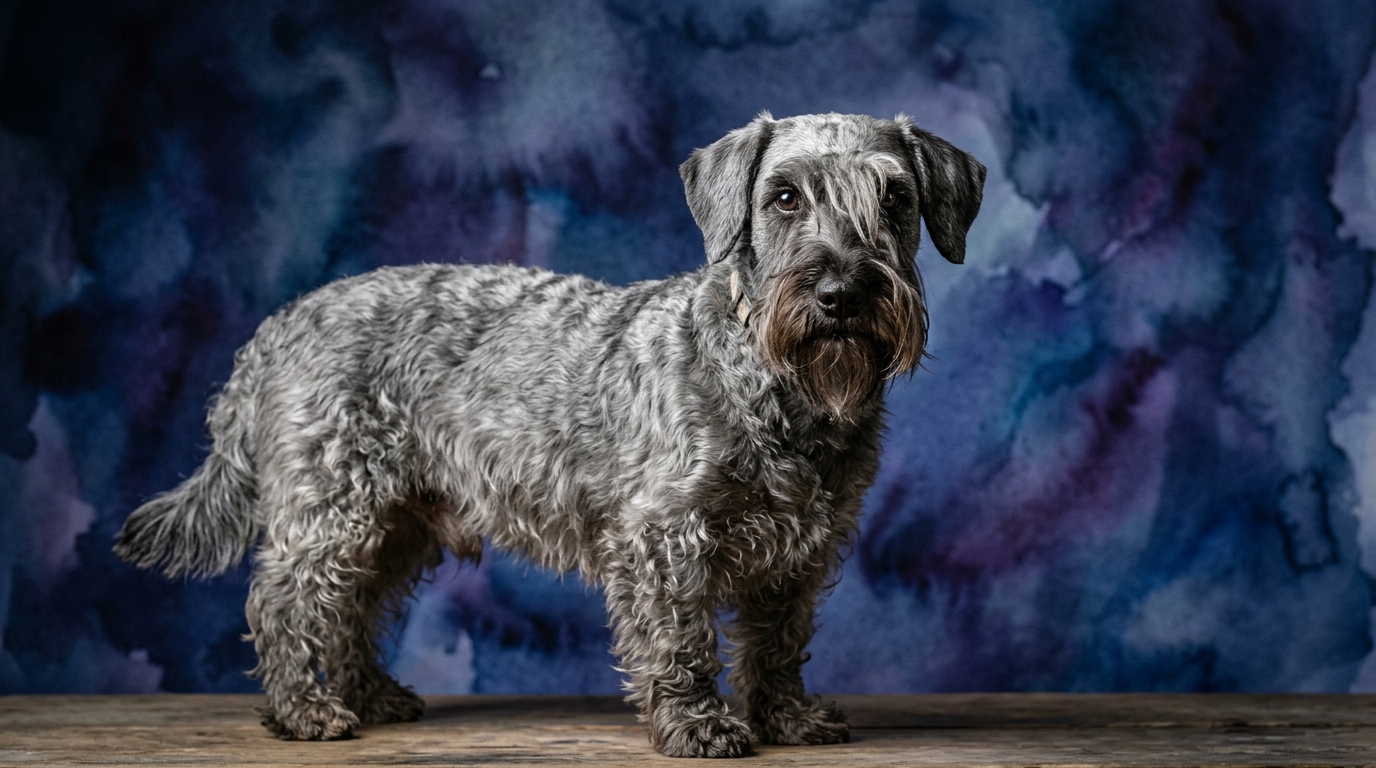
The Cesky Terrier, a sturdy and endearing member of the Terrier group, presents a balanced cognitive profile across the board. In Problem Solving, Training Speed, Social Intelligence, Instinctive Drive, and Memory, the Cesky consistently scores a 3 out of 5. This indicates a capable, moderately adaptable mind that can learn and retain information, engage socially, and act on instinct with a steady, predictable pace. Unlike many breeds, the Cesky is not Coren-ranked, suggesting its unique cognitive blend is less widely recognized in generalized intelligence rankings but still distinctly measurable.
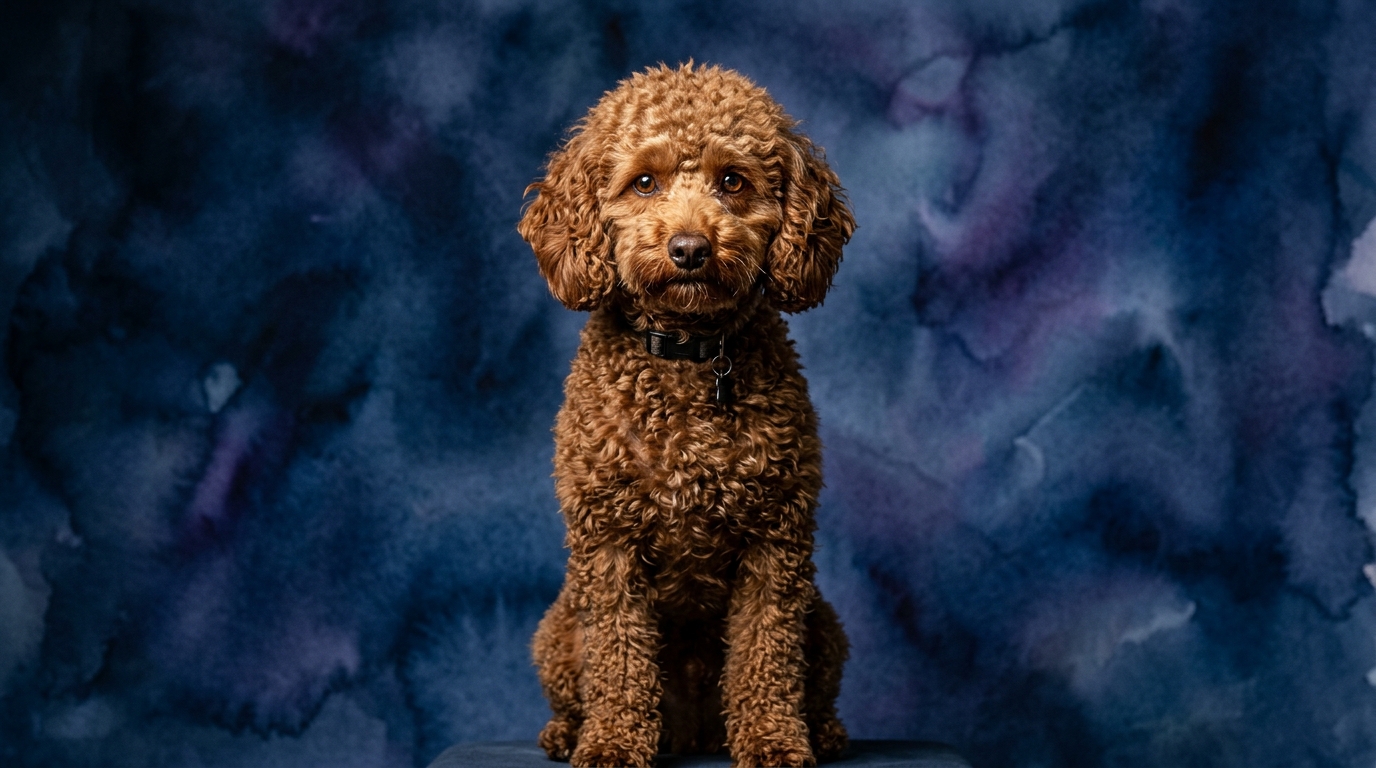
In stark contrast, the Miniature Poodle, a distinguished member of the Non-Sporting group, showcases a cognitive profile optimized for rapid learning and retention. This breed achieves a remarkable 5 out of 5 in Problem Solving, Training Speed, and Memory, highlighting an exceptional capacity for complex thought, quick grasp of new commands, and enduring recall. Its Social Intelligence and Instinctive Drive, however, are rated at 3 out of 5, mirroring the Cesky's scores in these areas. The Miniature Poodle holds a prominent Coren rank of #2, a testament to its widely acknowledged aptitude for obedience and working intelligence.
Where the Cesky Terrier Excels Cognitively
While the Miniature Poodle boasts higher scores in several key areas, the Cesky Terrier's balanced 3/5 profile across all dimensions offers a unique set of cognitive advantages, particularly for specific lifestyles. Their moderate Problem Solving score means they are not prone to overthinking or becoming overly distressed by novel situations; they will approach challenges with a practical, persistent terrier mindset rather than an analytical one. This steadiness can translate into a less anxious response to change, as they are capable of adapting without requiring constant advanced mental stimulation to prevent boredom.
The Cesky's 3/5 in Instinctive Drive, coupled with its moderate problem-solving, suggests a dog that is driven enough to engage with its environment and pursue interests, but perhaps less intensely focused on single-minded tasks than some highly specialized breeds. This balance means their natural terrier inclinations, like digging or tracking, are present but can be managed with consistent, patient training, rather than overwhelming their cognitive processing with an insistent primal urge. Their moderate memory also means they might be less likely to hold a 'grudge' over past corrections, moving forward more readily.
Where the Miniature Poodle Wins Cognitively
The Miniature Poodle's cognitive strengths are undeniable, particularly in areas demanding mental agility and processing speed. Their 5/5 in Problem Solving indicates a dog capable of quickly assessing new situations, devising strategies, and understanding complex causal relationships. This allows them to navigate novel environments with confidence and learn intricate multi-step tasks efficiently, often appearing to 'figure things out' on their own.
The exceptional 5/5 in Training Speed means Miniature Poodles absorb new commands and behaviors with remarkable alacrity, often requiring fewer repetitions than many other breeds. Paired with a 5/5 in Memory, they retain this learned information over long periods, making them superb candidates for advanced obedience, canine sports like agility or rally, and even service dog roles where consistent recall and complex task execution are paramount. Their moderate Social Intelligence and Instinctive Drive (3/5) mean they are generally agreeable and less prone to being overly distracted by primal urges during training, further enhancing their cognitive performance in structured environments.
Training Aptitude: Speed vs. Steadiness
When it comes to training, the Miniature Poodle generally offers a smoother, faster learning curve due to its stellar 5/5 in Training Speed and Memory. They are quick to grasp new concepts, eager to please, and reliably recall commands, making them highly responsive to positive reinforcement methods. Their capacity for advanced learning means they thrive on mental challenges and intricate sequences, absorbing nuances with ease.
The Cesky Terrier, with its 3/5 in Training Speed and Memory, requires a more patient and consistent approach. While capable of learning any command, they may take more repetitions to solidify new behaviors and might not retain information as instantly as a Poodle. Their moderate Social Intelligence means they respond well to a handler they respect, but their inherent terrier independence means they might occasionally offer a 'thought' of their own before complying. Training a Cesky is about building a strong bond and making learning engaging, rather than expecting lightning-fast comprehension.
Matching Breeds to Lifestyles: Active vs. Relaxed Owners
The cognitive profiles of these two breeds offer distinct matches for varying owner lifestyles. The Miniature Poodle, with its exceptional Problem Solving, Training Speed, and Memory, thrives with owners who are prepared to provide consistent mental stimulation and engagement. This breed excels in activities like advanced obedience, dog sports, trick training, or even roles requiring complex problem-solving. Owners who enjoy teaching new skills, participating in canine activities, or simply having a highly responsive and mentally agile companion will find the Miniature Poodle a rewarding partner.
The Cesky Terrier, with its balanced 3/5 scores across all cognitive dimensions, is well-suited for owners who appreciate a steady, capable, and moderately independent companion. While they still require regular exercise and mental engagement to prevent boredom, their cognitive needs are generally less intense than those of a Poodle. They are excellent for owners seeking a loyal family dog who is content with consistent routines, enjoys moderate outdoor adventures, and doesn't demand constant advanced mental puzzles. A 'relaxed' owner for a Cesky is someone who values a harmonious partnership without the pressure of pushing extreme cognitive boundaries.
The Verdict
Choose the Cesky Terrier if you seek a balanced, moderately independent companion who is capable of learning and adapting steadily, valuing a harmonious partnership over rapid cognitive feats.
Opt for the Miniature Poodle if you desire a highly responsive, mentally agile partner eager to master complex tasks, excelling in advanced training and canine sports.
🧠 Find Your Pet's IQ Score
Our Pet IQ Lab assessment covers 25+ tests across 5 cognitive dimensions — personalized to your breed.
Take the Full IQ Test →Frequently Asked Questions
Does a Poodle's high IQ mean it's difficult to manage?
A Poodle's advanced cognitive capacity means it thrives on mental engagement; without it, they can become bored and potentially develop undesirable behaviors. This doesn't make them difficult, but rather requires an owner committed to providing sufficient mental stimulation and training to channel their mental energy constructively.
Can a Cesky Terrier learn complex tricks and commands?
Absolutely, a Cesky Terrier can learn complex tricks and commands. While their Training Speed is 3/5 compared to a Poodle's 5/5, they are capable learners; it simply means they may require more patience, consistency, and positive reinforcement during the training process to solidify new skills.
How do their Social Intelligence scores (3/5 for both) impact their interaction with families?
Both breeds scoring 3/5 in Social Intelligence indicates they are moderately attuned to social cues and generally enjoy interaction with their human families. They are neither overly dependent nor overly aloof, suggesting they can form strong bonds and integrate well into family life without extreme attachment or independence, fostering a balanced social dynamic.