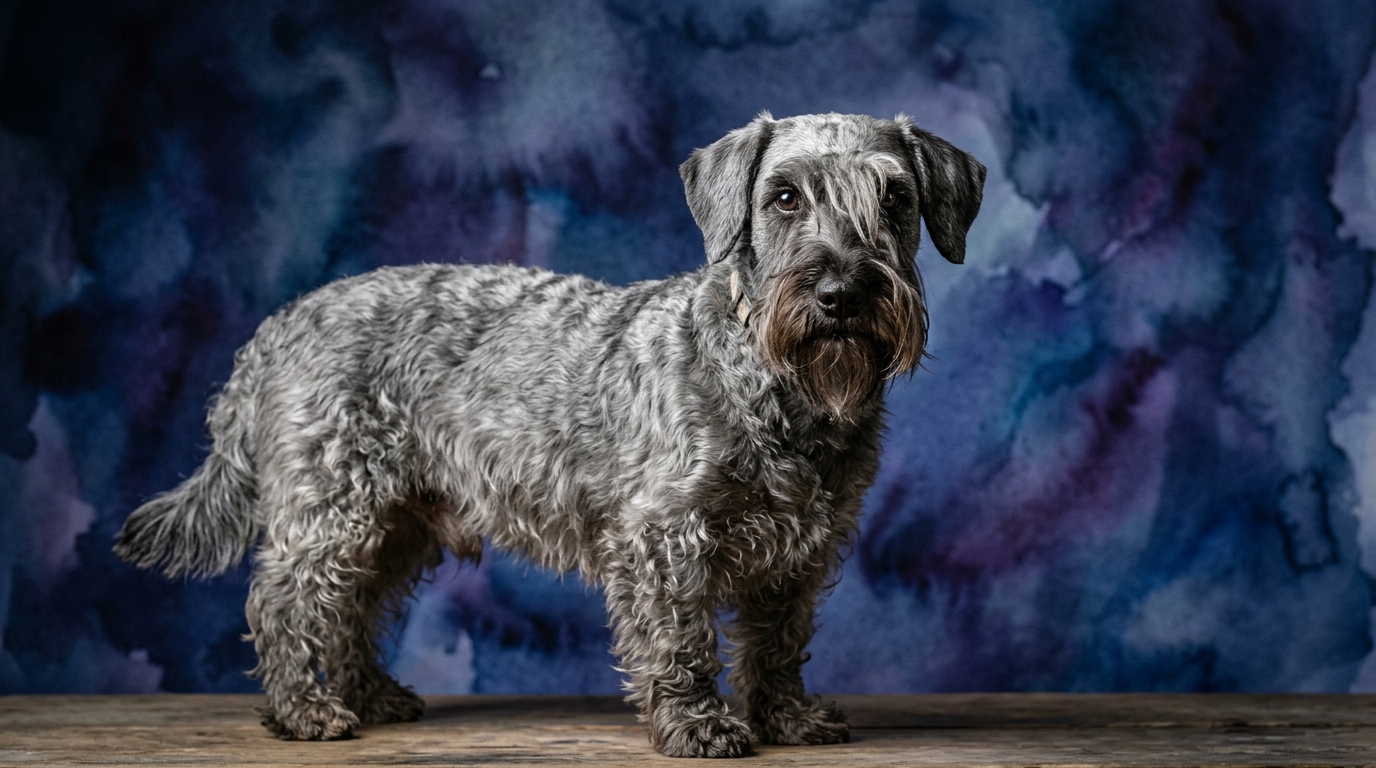
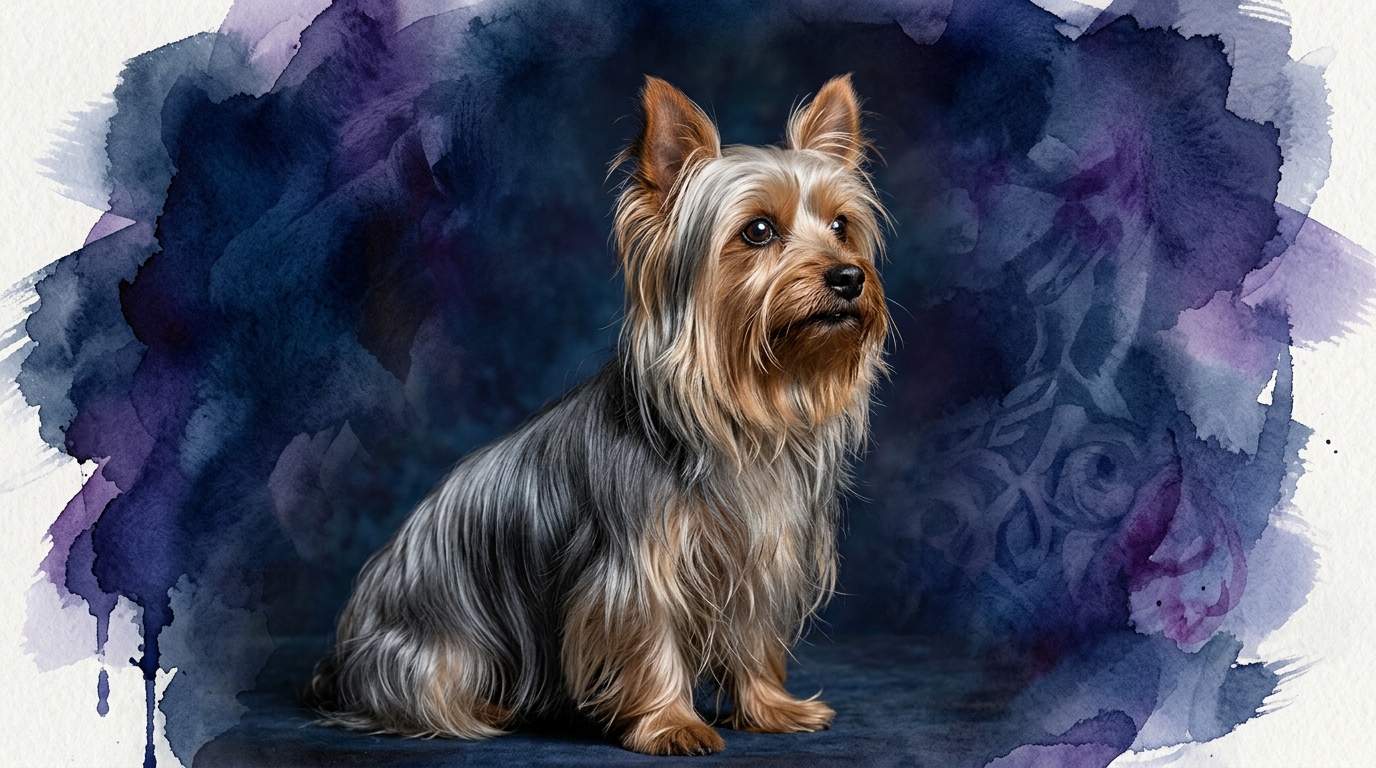
Side-by-Side Cognitive Profile
The Cosmic Pet Pet IQ Lab assesses canine intelligence across five key dimensions, rating each on a scale of 1 to 5. Intriguingly, both the Cesky Terrier and the Silky Terrier score identically across the board at 3/5. This numerical parity, however, belies the distinct ways these breeds apply their cognitive capacities, influenced by their historical roles and inherent temperaments. Let's delve into how a 3/5 rating for each dimension translates uniquely for these two spirited terriers.
**Problem Solving (3/5):** The Cesky Terrier, originally bred for hunting in the forests of Bohemia, displays its 3/5 problem-solving acumen through practical, persistent application. This manifests as a determined drive to navigate complex outdoor environments, strategizing how to flush out burrowing prey, or figuring out novel ways to access intriguing scents. Their intelligence here is less about abstract thought and more about resourceful, physical solutions to tangible challenges in their world, often requiring sustained effort and independence.
In contrast, the Silky Terrier, while also having a 3/5 problem-solving rating, applies its cognitive prowess differently. Their cleverness often shines in navigating the intricacies of a human household: figuring out how to get attention, open a cupboard door, or strategically position themselves for maximum comfort. Their solutions are often ingenious and geared towards achieving desired social or comfort outcomes within their domestic sphere, using their agility and charm.
**Training Speed (3/5):** A 3/5 training speed for the Cesky suggests they are capable learners, though not always eager to comply without a clear purpose or strong motivation. They can quickly grasp commands and routines, but their independent terrier spirit means training benefits greatly from consistency, patience, and making tasks feel like a collaborative "hunt" or engaging puzzle. They respond best when they understand the 'why' behind a command.
For the Silky, a 3/5 training speed indicates they are generally quick to pick up new commands and routines, especially when training is fun and rewarding, tapping into their desire for interaction. Their enthusiasm often makes them eager participants, though their spirited terrier nature can sometimes lead to moments of playful defiance or distraction, requiring consistent reinforcement and engaging methods to maintain focus.
**Social Intelligence (3/5):** Ceskys exhibit their 3/5 social intelligence through a deep, often reserved, bond with their family. They are observant of household dynamics and their owner’s moods, but typically aren't effusive with strangers. Their social awareness is often intertwined with their protective instincts, discerning who belongs and who doesn't, making them discerning companions.
Silky Terriers demonstrate their 3/5 social intelligence through a highly attuned awareness of their human family's emotions and social cues. They are adept at charming, seeking affection, and can often sense shifts in mood, adjusting their behavior accordingly. This makes them deeply connected companions, though sometimes prone to anxiety if left alone for extended periods due to their strong social drive.
**Instinctive Drive (3/5):** The Cesky’s 3/5 instinctive drive is a powerful force, rooted in their working heritage. This manifests as a strong prey drive, a keen sense of smell, and a propensity for digging. It's an internal compass guiding their exploration and engagement with the world, making them excellent candidates for earthdog trials or scent work, where these instincts can be channeled productively.
Despite their smaller size and 'Toy' classification, the Silky’s 3/5 instinctive drive is palpable. It manifests as a keen interest in chasing small moving objects (squirrels, toys), a territorial bark, and a persistent curiosity. This drive, a remnant of their vermin-hunting ancestors, requires appropriate outlets to prevent it from becoming misdirected, even in a companion setting.
**Memory (3/5):** With a 3/5 memory, the Cesky remembers routines, boundaries, and specific locations with good retention. They can recall past training sessions, the layout of their territory, and the habits of their human companions, aiding in their role as a watchful and adaptable family member, especially in familiar outdoor settings.
The Silky Terrier’s 3/5 memory serves them well in remembering people, places, and past events, particularly those associated with positive or negative experiences. They recall household rules, favorite toys, and the routines of their family members, contributing to their ability to integrate seamlessly into domestic life and form lasting social bonds.
Where Cesky Terriers Win Cognitively
While both breeds share identical scores, the Cesky Terrier's cognitive strengths truly shine in applications demanding robust physical and mental persistence, particularly in outdoor, task-oriented environments. Their 3/5 problem-solving and instinctive drive synergize to make them exceptionally adept at sustained effort in pursuit of a goal. This manifests as a methodical approach to scent-tracking a hidden object through varied terrain or persistently working to 'dig out' a perceived target, showcasing a deep-seated drive for practical, tangible results.
The Cesky's heritage fosters a cognitive independence that results in superior self-directed problem-solving, especially when navigating complex physical environments. Their 3/5 memory and problem-solving skills enable them to learn and recall intricate routes, assess potential dangers, and make swift, intelligent decisions in dynamic outdoor settings without constant human intervention. This makes them exceptional companions for experienced hikers or those who appreciate a dog capable of making sound judgments when exploring off-leash in safe, appropriate areas.
Furthermore, the Cesky Terrier's cognitive profile, particularly its 3/5 training speed when properly motivated, allows for a focused work ethic. They exhibit a unique ability to prioritize a task once engaged, filtering out distractions to concentrate on achieving their objective. This isn't just about raw intelligence, but about a specific cognitive application that allows them to maintain mental discipline on a job, whether it's an obedience routine, an agility course, or a scent discrimination exercise, making them highly rewarding for owners who enjoy structured canine activities.
Where Silky Terriers Win Cognitively
The Silky Terrier's cognitive strengths excel in the nuances of domestic life and social interaction, leveraging their 3/5 social intelligence to great effect. They are masters of adapting their behavior to elicit specific responses, whether it's offering comfort, initiating play, or subtly demanding attention. This cognitive strength allows them to form exceptionally deep, empathetic bonds, making them highly intuitive companions who seem to anticipate their owner's needs and moods with remarkable accuracy, fostering a strong sense of mutual understanding.
While not built for the rugged outdoors in the same way as a Cesky, the Silky's 3/5 problem-solving ability is acutely honed for navigating and manipulating the home environment. They demonstrate cleverness in figuring out how to access preferred sleeping spots, open child-proof gates, or even 'train' their humans through a series of persistent barks or nudges to achieve a desired outcome like a treat or a walk. Their cognitive successes often involve ingenious, small-scale solutions that showcase an adaptable and strategic mind focused on comfort and social interaction.
The Silky Terrier's combination of 3/5 social intelligence and 3/5 memory allows them to excel in diverse social settings, remembering who is friendly, who offers treats, and the appropriate etiquette for different visitors. They can quickly assess new people and situations, adjusting their demeanor from playful to reserved as needed. This makes them highly portable companions, generally comfortable accompanying their owners to various social engagements, provided they have been properly socialized and feel secure in new environments.
Which Is Easier to Train and Why
Both breeds share a 3/5 training speed, indicating they are capable learners but require consistent and engaging methods. The Cesky Terrier, with its strong independent streak and deep-seated working drives, can sometimes present a challenge if not properly motivated. They may try to 'out-think' the trainer or find alternative solutions if they don't see the value in a command, often asking, 'Why sit when I could be exploring that fascinating scent?' Training a Cesky often benefits from tapping into their instinctive drives, such as scent work or retrieving games, making lessons feel like a purpose-driven task rather than arbitrary commands.
The Silky Terrier, while eager to please and socially attuned, can be prone to distraction or 'selective hearing' if something more interesting, such as a new visitor or an outdoor squirrel, captures their attention. Their 3/5 training speed means they pick up commands quickly, but their terrier tenacity can surface if they decide a different activity is more appealing, often prioritizing social interaction or chasing small moving objects. Consistent, positive reinforcement in varied environments and strong socialization from a young age are crucial for the Silky to ensure their cognitive abilities are channeled into well-mannered companionship.
Which Suits Active Owners vs. Relaxed Owners
For active owners, the Cesky Terrier is generally a more natural fit. Their robust build, independent spirit, and strong 3/5 instinctive drive mean they thrive with regular, structured exercise that engages both mind and body. Long walks, hiking, earthdog trials, and agility are excellent outlets for their energy and problem-solving skills. Without sufficient physical and mental stimulation, a Cesky can become restless or engage in destructive behaviors, requiring an owner prepared to commit to their daily needs for purposeful activity and exploration.
The Silky Terrier, while spirited and enjoying playtime, is generally more adaptable to owners with a relaxed lifestyle, provided they still receive daily walks and mental stimulation. Their smaller size and strong 3/5 social intelligence make them happy to curl up on the couch for cuddles, but they also appreciate interactive games and shorter outdoor adventures. They can certainly participate in agility or obedience, but their need for intense, prolonged physical exertion is typically less than that of a Cesky, making them a good choice for those seeking a lively but more manageable companion for urban or less strenuous environments.
The Verdict
Choose a Cesky Terrier if you are an active owner seeking a robust, independent companion for outdoor adventures, earthdog sports, or a vigilant guardian who thrives on purposeful work and consistent, engaging training.
Choose a Silky Terrier if you desire a spirited, affectionate, and socially adept companion who enjoys being at the center of family life, excels in indoor games, and is content with moderate daily activity and close human interaction.
🧠 Find Your Pet's IQ Score
Our Pet IQ Lab assessment covers 25+ tests across 5 cognitive dimensions — personalized to your breed.
Take the Full IQ Test →Frequently Asked Questions
Are Cesky Terriers difficult to train?
While possessing a 3/5 training speed, Ceskys can be independent, requiring consistent, positive reinforcement and engaging tasks that appeal to their working instincts to maintain focus. They respond best when training feels like a meaningful, collaborative activity rather than mere obedience.
Do Silky Terriers have a strong prey drive?
Despite their Toy group classification, Silky Terriers retain a significant 3/5 instinctive drive, often manifesting as chasing small critters or toys, and requiring secure environments. This drive is a remnant of their historical role in vermin control and needs appropriate outlets.
Which breed is better with children?
Both breeds can be good with respectful children, but the Silky Terrier's smaller size and strong social intelligence (3/5) might make them more naturally adaptable to a family's internal dynamics. However, supervision is always advised for any dog interacting with children to ensure positive experiences.