Side-by-Side Cognitive Profiles
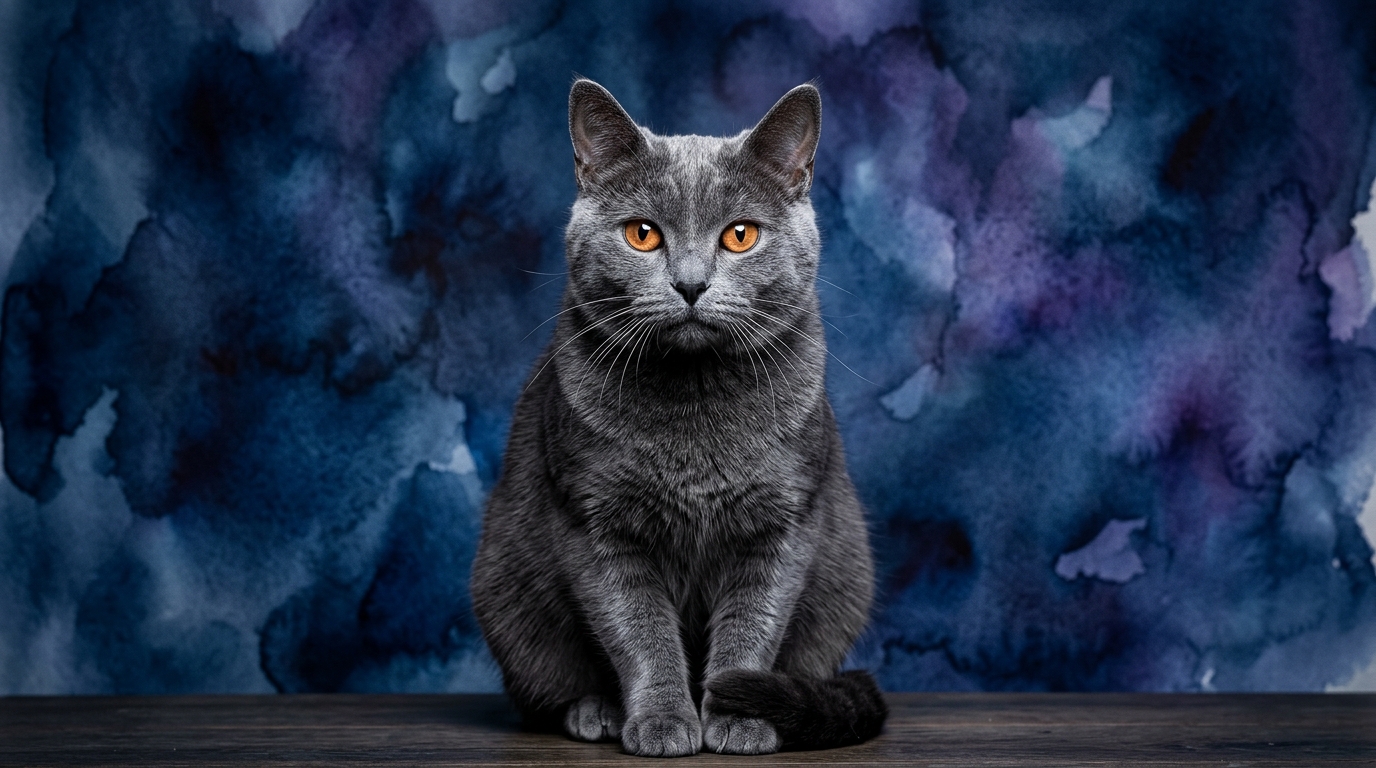
The Cosmic Pet Pet IQ Lab evaluates feline intelligence across five crucial dimensions, providing a granular view of each breed's cognitive strengths. For the Chartreux, we observe a profile marked by higher scores in several key areas, indicating a more complex and engaged mental landscape. Their Problem Solving is rated 4/5, suggesting a significant capacity for independent thought and strategic thinking in navigating their environment. Training Speed stands at 3/5, indicating they are capable learners with consistent effort. Social Intelligence is a robust 4/5, reflecting a keen awareness of human moods and intentions, fostering deep companion bonds. Their Instinctive Drive is also high at 4/5, manifesting as a pronounced curiosity and drive to explore and engage with their surroundings. Finally, Memory is strong at 4/5, contributing to their problem-solving and training retention.
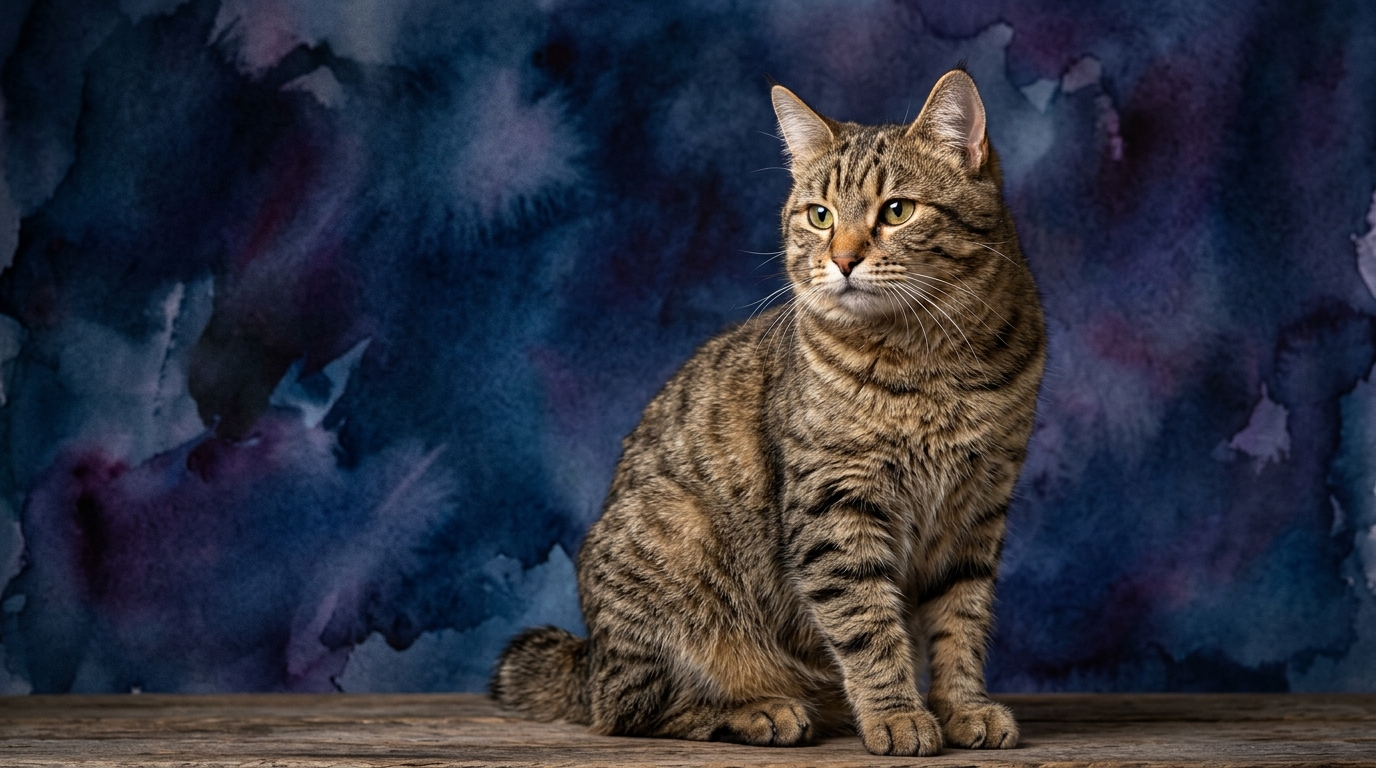
In contrast, the Pixiebob presents a more uniformly balanced cognitive profile, with consistent scores across all dimensions. Their Problem Solving is rated 3/5, indicating a practical and direct approach to everyday challenges. Training Speed, like the Chartreux, is 3/5, meaning they are receptive to learning with patience and positive reinforcement. Social Intelligence also scores 3/5, demonstrating affection and an understanding of basic social cues, enjoying companionship without being overly demanding. Their Instinctive Drive is a moderate 3/5, reflecting a healthy curiosity and enjoyment of play without the intense requirements of higher-drive breeds. Lastly, Memory is rated 3/5, providing a reliable capacity to recall routines and learned behaviors, aiding in their adaptability to household patterns.
Where Chartreux Excels Cognitively
The Chartreux exhibits a clear cognitive advantage in several key areas, particularly in their advanced problem-solving capabilities. Their 4/5 score in this dimension reflects a cat that doesn't just react but actively strategizes, often finding ingenious ways to overcome obstacles or achieve desired outcomes. Owners frequently observe them methodically working out how to open latches or manipulate objects, demonstrating a deeper level of cognitive planning. This breed also shines in social intelligence, scoring 4/5, meaning they are exceptionally attuned to human emotions and social cues. They often seem to anticipate needs or respond with comforting presence, forming profound, almost intuitive bonds. Their robust memory (4/5) further enhances their learning and problem-solving, allowing them to retain complex information and apply past lessons to new situations. This strong memory, combined with a pronounced instinctive drive (4/5), means they recall intricate hunting patterns or exploratory routes, making them highly engaged and curious participants in their environment.
Where Pixiebob Offers Unique Strengths
While the Pixiebob's individual cognitive scores are consistently moderate at 3/5 across the board, their strength lies in this very balance and practicality. They don't 'win' by outscoring the Chartreux in any single dimension, but rather by offering a harmonious and approachable cognitive profile. Their moderate instinctive drive (3/5), for instance, means they possess a healthy curiosity and enjoy engaging in play and exploration without the intense, often demanding, mental stimulation requirements of breeds with higher drives. This makes them less prone to boredom-induced destructive behaviors if their environment isn't constantly challenging. Similarly, their balanced social intelligence (3/5) ensures they are affectionate and responsive companions without being overly sensitive or demanding of constant interaction. Their problem-solving and memory, while not exceptionally high, are perfectly adequate for navigating a typical home environment, making them adaptable and generally less prone to overthinking or getting into complex 'trouble' that requires advanced ingenuity to resolve.
Training Dynamics: Chartreux vs. Pixiebob
When considering ease of training, both Chartreux and Pixiebob score a moderate 3/5 in training speed, suggesting neither is exceptionally quick nor particularly difficult to teach. However, the Chartreux might present a slightly more nuanced training experience due to its higher social intelligence and memory. Their ability to deeply understand human cues (SI 4/5) and retain information (M 4/5) means that once a concept is grasped, it's likely to stick, and they are highly responsive to positive reinforcement that builds on their bond. The challenge might arise from their strong problem-solving (PS 4/5) and instinctive drive (ID 4/5); if they perceive a command as less rewarding than their own 'solution' or instinct, they might choose to follow their own agenda, requiring a trainer to be particularly engaging and consistent. The Pixiebob, with its balanced 3/5 scores across all dimensions, offers a more straightforward training experience. They are cooperative and willing to learn, and while they may not pick up complex tricks as rapidly as a Chartreux, their moderate instinctive drive and problem-solving means they are less likely to 'outsmart' their trainer or deviate significantly from learned behaviors. For owners seeking a generally compliant and consistent learner without the potential for highly independent, self-directed 'problem-solving' during training, the Pixiebob might feel marginally 'easier' in practice, despite the equal training speed score.
Matching Cognitive Profiles to Lifestyles
The choice between a Chartreux and a Pixiebob largely depends on an owner's lifestyle and their capacity for interactive engagement. The Chartreux, with its elevated instinctive drive (4/5) and problem-solving acumen (4/5), is an excellent match for active owners who relish providing consistent mental and physical stimulation. These cats thrive on puzzle toys, interactive play sessions that mimic hunting, and opportunities for exploration, even within a safe indoor environment. They enjoy 'working' for their enrichment and will appreciate owners who can engage their strategic minds. Their high social intelligence also means they crave meaningful interaction and can become bored or withdrawn if left without sufficient companionship. Conversely, the Pixiebob's more moderate instinctive drive (3/5) and problem-solving abilities (3/5) make it an ideal companion for relaxed owners. While they certainly enjoy play and interaction, their needs for intense mental gymnastics are less pronounced. They are content with regular, but not necessarily constant, engagement and are generally more adaptable to quieter household rhythms. Their balanced social intelligence ensures they are affectionate and present without demanding incessant attention, fitting seamlessly into a calmer home environment where consistent, but not overwhelming, interaction is the norm.
The Verdict
Choose Chartreux if you are an engaged owner who enjoys providing sophisticated mental challenges and appreciates a cat with deep social attunement and a strong, curious drive to explore and solve its world.
Choose Pixiebob if you prefer a balanced, amiable companion whose cognitive needs are moderate, making them adaptable to a more relaxed household rhythm without requiring constant, intense stimulation.
🧠 Find Your Pet's IQ Score
Our Pet IQ Lab assessment covers 25+ tests across 5 cognitive dimensions — personalized to your breed.
Take the Full IQ Test →Frequently Asked Questions
Are Chartreux cats prone to destructive behavior due to their high instinctive drive?
A Chartreux's strong instinctive drive (4/5) means they have a powerful urge to explore and 'hunt.' Without adequate mental and physical outlets, this energy can be redirected into undesirable behaviors like opening cabinets or exploring forbidden areas. Providing puzzle feeders, interactive toys, and regular play sessions is crucial to channel their natural curiosity constructively.
Can Pixiebobs learn tricks despite their moderate intelligence scores?
Absolutely. While Pixiebobs have a moderate training speed (3/5), they are capable and willing learners. With consistent, positive reinforcement and patience, they can master a variety of tricks, walk on a leash, and adapt to complex routines. Their balanced cognitive profile makes them cooperative students.
How do their social intelligence scores translate to their interaction with children or other pets?
The Chartreux's higher social intelligence (4/5) means they are often very perceptive of social dynamics, potentially making them adaptable companions if introduced properly to respectful children and other calm pets. Pixiebobs, with a 3/5 social intelligence, are generally amiable and bond well, often integrating smoothly into multi-pet households and being tolerant with gentle children, though they might be less attuned to subtle social cues.