Side-by-Side Cognitive Profiles
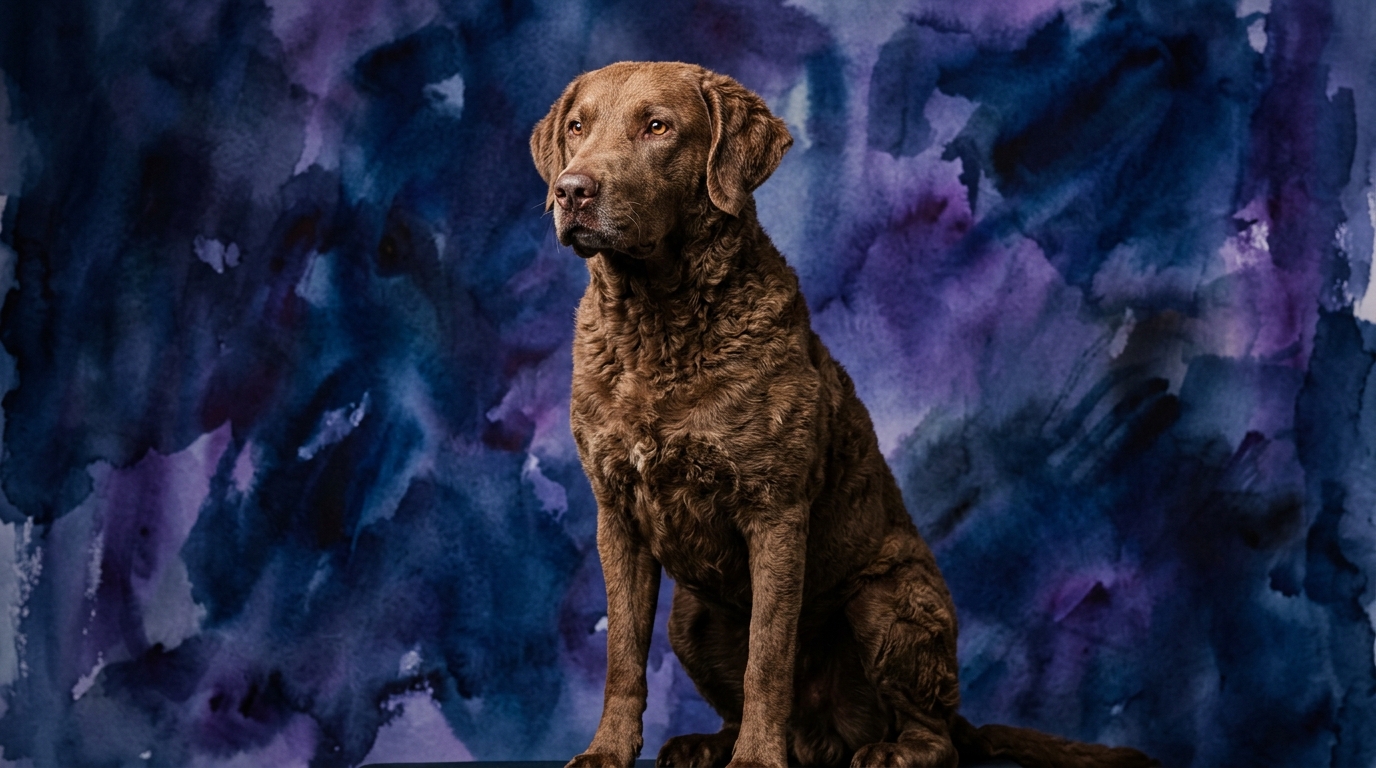
The Chesapeake Bay Retriever, a Sporting group member, exhibits a cognitive profile tailored for demanding work, reflected in its Coren rank of #27. Their Problem Solving is rated at 4/5, indicating a strong capacity to strategize and overcome obstacles in complex environments, particularly those involving water and retrieval tasks. Training Speed also scores 4/5, suggesting they grasp new commands and routines with impressive efficiency. Social Intelligence stands at 3/5, meaning they can navigate group dynamics and human cues adequately, but their focus often remains on task execution rather than intricate social nuance. Their Instinctive Drive is 3/5, a balanced score that fuels their working ethic without being overwhelming, while Memory is a high 4/5, crucial for recalling complex sequences of retrieves and learned behaviors over time.
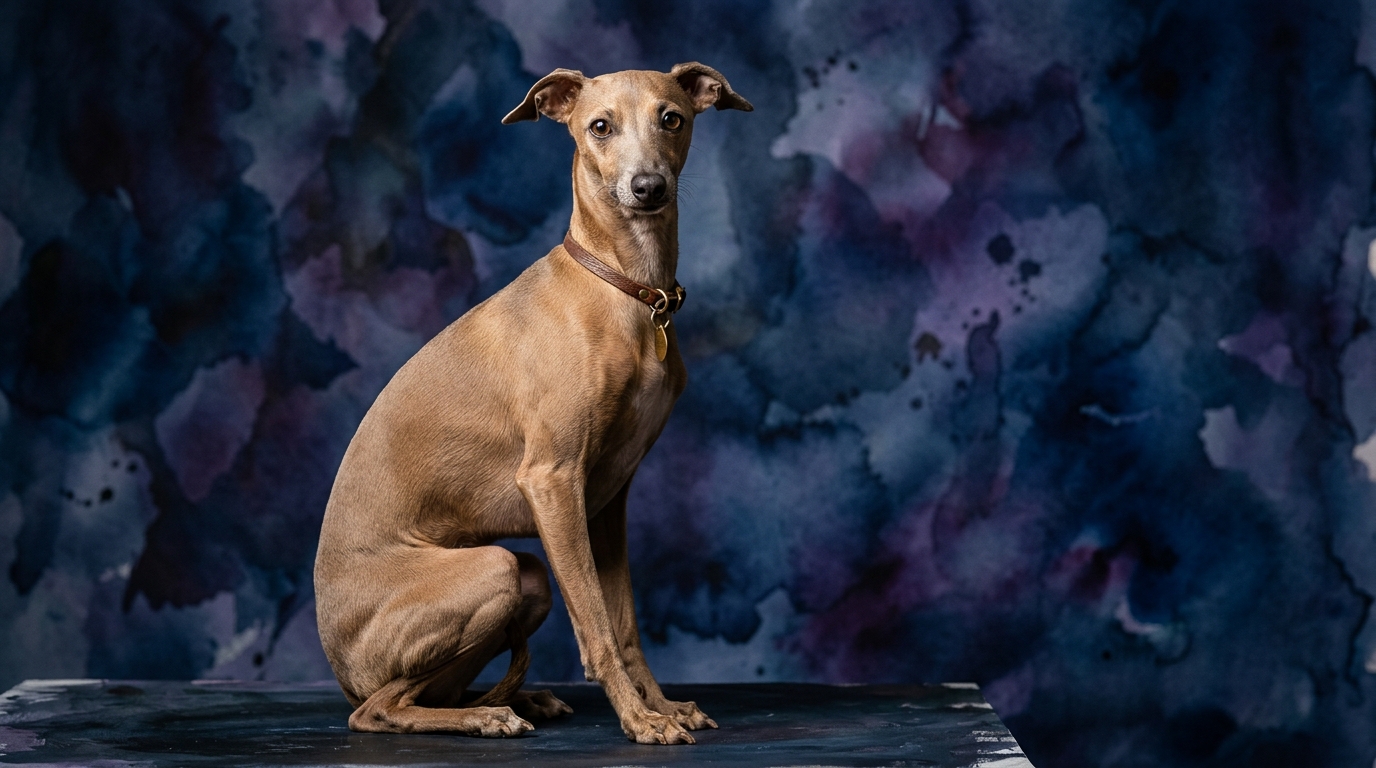
In contrast, the Italian Greyhound, a Toy group representative, presents a more consistent, moderate cognitive landscape, without a specific Coren ranking. Their Problem Solving is 3/5, indicating they can figure out solutions to everyday challenges, perhaps related to comfort or navigating their home environment, but may not excel at abstract or complex puzzles. Training Speed is rated 3/5, suggesting they learn at a steady pace, requiring consistent and patient instruction rather than rapid assimilation. Social Intelligence also sits at 3/5, implying they are attuned to their human companions and can form strong bonds, though perhaps not in the bustling, multi-dog social contexts a working breed might encounter. Instinctive Drive is 3/5, manifesting as bursts of speed and a keen sighthound's urge to chase, rather than sustained, directed work. Finally, their Memory is 3/5, sufficient for remembering routines and familiar faces, but perhaps not for extensive, multi-step command sequences.
Where the Chesapeake Bay Retriever Excels Cognitively
The Chesapeake Bay Retriever's cognitive strengths are deeply rooted in its heritage as a dedicated water retriever, making it a standout in specific mental arenas. Their superior problem-solving ability (4/5) shines when faced with environmental challenges, such as navigating dense cover or icy waters to retrieve game; they aren't just following commands but actively strategizing the most efficient path. This translates into an aptitude for advanced obedience, agility, and scent work, where they can independently assess situations and adapt their approach.
Furthermore, their high training speed (4/5) combined with excellent memory (4/5) means they can rapidly acquire and retain intricate command sequences and distinctions between different objects or scents. A Chessie can learn a complex series of hand signals for multiple retrieves, remembering which fallen bird to retrieve first and from where, even after a significant delay. This makes them exceptional partners for performance sports and demanding working roles that require sustained focus and recall under distracting conditions.
Where the Italian Greyhound Shows Unique Cognitive Advantages
While not scoring higher in raw cognitive metrics, the Italian Greyhound's cognitive profile offers unique advantages, particularly within its role as a sensitive companion and sighthound. Their moderate problem-solving (3/5) is often directed towards navigating their domestic world with finesse, finding the warmest sunbeam or the softest blanket, and subtly communicating their desires to their family members. This isn't about retrieving, but about optimizing comfort and connection within their immediate environment.
Their social intelligence (3/5), though not numerically superior, manifests as a profound sensitivity to human moods and subtle cues, making them exceptionally empathetic companions. An Italian Greyhound might not understand a complex multi-step command, but they are often adept at discerning when their owner is upset or needs quiet comfort. Their instinctive drive (3/5) is a burst of focused energy, honed for spotting and pursuing small, fast-moving objects visually, demanding a specific type of rapid visual processing and decision-making that is distinct from a retriever's scent-based tracking. This acute visual awareness and quick reaction time represent a specialized form of intelligence for their sighthound purpose.
Training Dynamics: Effort and Approach
Training a Chesapeake Bay Retriever typically presents a more straightforward path for task-oriented learning. Their higher training speed and problem-solving scores mean they often grasp new commands quickly and enjoy the challenge of learning. They thrive on consistency and clear expectations, responding well to reward-based methods that leverage their natural drive to please and work. Their robust nature means they can handle structured, longer training sessions, often viewing them as an engaging mental exercise.
The Italian Greyhound, on the other hand, generally requires a more patient, gentle, and creative training approach. Their moderate training speed and sensitive nature mean harsh corrections are counterproductive, potentially leading to fear or withdrawal. Positive reinforcement, short, frequent sessions, and making learning feel like a game rather than a chore are crucial. House-training can be a particular challenge for IGs, requiring exceptional consistency and management due to their delicate constitution and potential for independent thought regarding comfort, rather than a lack of understanding the concept itself. Their cognitive engagement is often best fostered through playful interaction and building a strong, trusting bond.
Matching Cognitive Profiles to Lifestyles
The cognitive makeup of the Chesapeake Bay Retriever aligns perfectly with active, outdoors-loving owners who seek a canine partner for adventures and structured activities. Their problem-solving and memory abilities make them ideal for owners interested in dog sports like hunt tests, agility, or competitive obedience, where a dog's capacity for independent thought and complex learning is paramount. They benefit from owners who can provide ample mental stimulation and physical outlets, thriving when given a 'job' to do, whether it's retrieving bumpers or navigating hiking trails.
Conversely, the Italian Greyhound's cognitive strengths are best suited for relaxed owners who appreciate a delicate, affectionate companion and a more indoor-centric lifestyle. Their social intelligence fosters deep bonds within a quiet home, and their sensitive nature means they thrive in predictable, calm environments. Owners who enjoy cozy companionship, short bursts of play, and are prepared to engage with their dog's unique sighthound instincts (like safe, fenced-in sprints) without demanding complex working tasks will find an Italian Greyhound to be a delightful match. Their cognitive engagement is more about connection and comfort than performance.
The Verdict
Choose the Chesapeake Bay Retriever if you seek a robust, task-oriented partner for demanding outdoor activities and enjoy structured training challenges.
Opt for the Italian Greyhound if you desire a sensitive, elegant companion for a quieter home, valuing deep emotional connection over working utility.
🧠 Find Your Pet's IQ Score
Our Pet IQ Lab assessment covers 25+ tests across 5 cognitive dimensions — personalized to your breed.
Take the Full IQ Test →Frequently Asked Questions
Are Italian Greyhounds difficult to train?
Italian Greyhounds are not inherently difficult, but their sensitive nature and moderate training speed mean they respond best to gentle, consistent positive reinforcement. Patience and making training fun are key to success with this breed.
Which breed requires more mental stimulation?
The Chesapeake Bay Retriever generally requires more structured mental stimulation through tasks and training due to their higher problem-solving and memory scores. Italian Greyhounds benefit from mental engagement through play and companionship, but less in terms of complex working challenges.
Can an Italian Greyhound live in an active family?
Yes, an Italian Greyhound can live in an active family, provided their physical and emotional sensitivities are respected. They need a secure, warm environment and owners who understand their need for bursts of exercise balanced with plenty of quiet, cuddly time indoors.