Side-by-Side IQ Profile: Chesapeake Bay Retriever vs. Löwchen
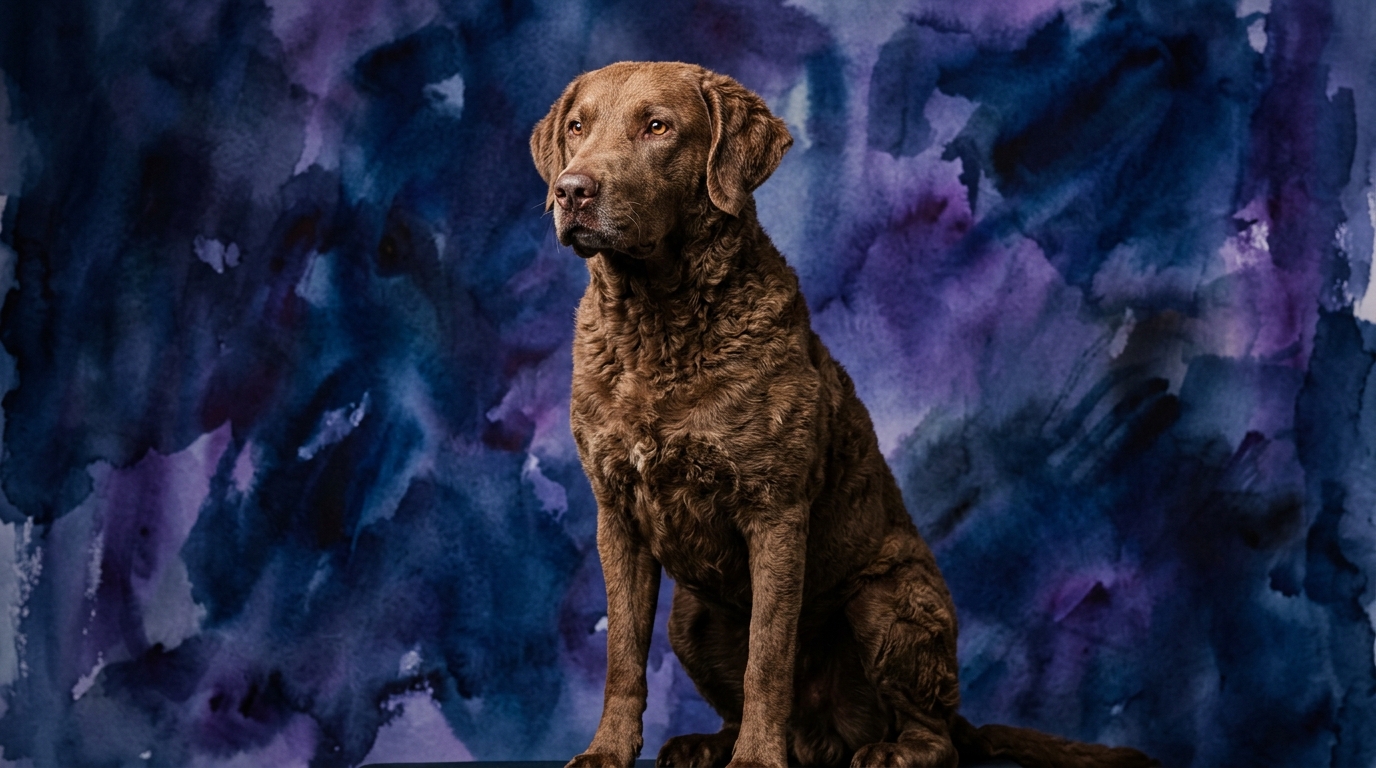
**Chesapeake Bay Retriever (Sporting Group, Coren Rank #27)**
**Problem Solving (4/5):** The Chesapeake Bay Retriever exhibits a strong capacity for independent thought and strategic action, often devising solutions to retrieve objects from challenging environments or navigate complex terrains during fieldwork. This breed is adept at figuring out how to overcome physical barriers or manipulate objects to achieve a goal, reflecting its heritage as a resourceful working dog.
**Training Speed (4/5):** Chessies generally learn new commands and routines with commendable speed, grasping concepts quickly once they understand the expectation. Their eagerness to engage in purposeful activities contributes to their ability to pick up new tasks, although their independence means consistency and engaging methods are crucial for optimal progress.
**Social Intelligence (3/5):** Within their established family unit, Chesapeake Bay Retrievers are highly attuned to human moods and intentions, forming deep, loyal bonds. They can be reserved or discerning with strangers, taking time to assess new individuals before fully engaging, indicating a focused social circle rather than broad gregariousness.
**Instinctive Drive (3/5):** A pronounced drive for retrieving, water work, and tracking is inherent to the Chessie, stemming directly from its specialized breeding for waterfowl hunting. This drive is a powerful motivator for specific tasks, directing their cognitive resources towards fulfilling these ingrained behaviors with focus and persistence.
**Memory (4/5):** This breed demonstrates excellent retention for learned commands, complex sequences of tasks, and spatial memory of locations and routines. Chessies remember training cues and past experiences, both positive and negative, which informs their future responses and learning processes significantly.
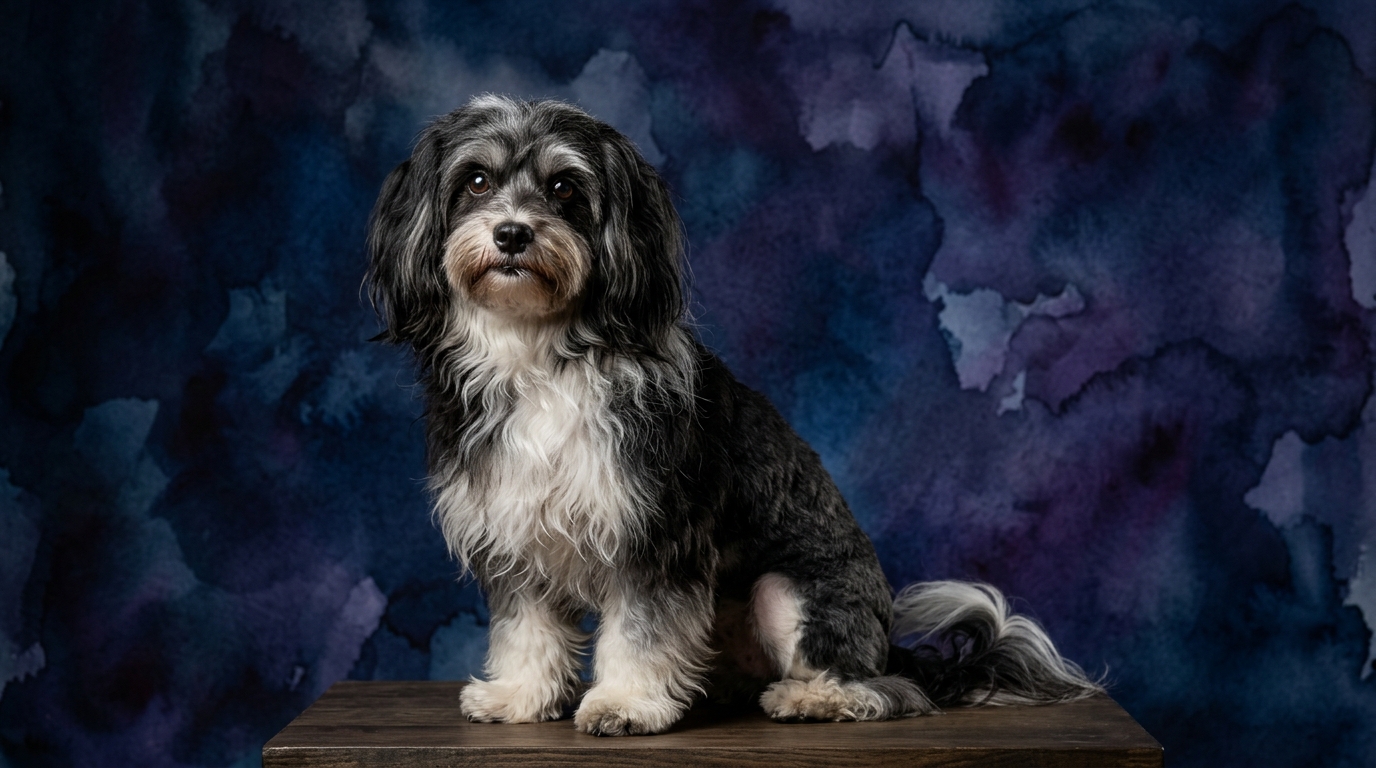
**Löwchen (Non-Sporting Group, Not Coren-Ranked)**
**Problem Solving (3/5):** The Löwchen displays a moderate aptitude for problem-solving, capable of figuring out how to get attention, access desired toys, or navigate household challenges. Their solutions often revolve around social interaction or achieving comfort, rather than complex environmental manipulation or independent task completion.
**Training Speed (3/5):** Löwchens learn at a steady pace, responding well to positive reinforcement and enjoying the mental engagement of training sessions. They are generally cooperative and eager to please their human companions, though they may require more repetition than some of the more intensely driven working breeds to solidify new commands.
**Social Intelligence (3/5):** This breed excels in domestic social settings, forming strong, affectionate bonds with their family members and often demonstrating a charming, outgoing demeanor with well-introduced strangers. Löwchens are skilled at reading subtle human cues, adapting their behavior to maintain harmony and elicit positive attention within their social group.
**Instinctive Drive (3/5):** The Löwchen's primary instinctive drive centers around companionship, play, and interaction, reflecting its history as a "little lion dog" bred for affectionate partnership. While they possess a degree of alertness and curiosity, their drives are generally channeled towards social engagement and playful antics rather than intense physical or hunting pursuits.
**Memory (3/5):** Löwchens possess a good memory for basic commands, routines, and familiar people or places. They retain learned behaviors consistently, making them reliable companions in daily life, though they might not exhibit the same depth of recall for intricate, multi-step tasks as breeds with more demanding working roles.
Where the Chesapeake Bay Retriever Wins Cognitively
The Chesapeake Bay Retriever's cognitive profile reveals distinct advantages rooted in its working heritage. Its Problem Solving score of 4/5, compared to the Löwchen's 3/5, signifies a superior capacity for independent strategic thinking, particularly in complex, goal-oriented scenarios. A Chessie is more likely to devise intricate plans to retrieve a distant object or navigate an unfamiliar, challenging terrain, demonstrating a robust ability to analyze and overcome environmental obstacles without constant human guidance. This breed also holds an edge in Training Speed (4/5 vs 3/5), translating to faster acquisition of new, often physically demanding commands and the ability to link multiple cues into complex sequences more readily. Their strong memory (4/5 vs 3/5) reinforces this, allowing them to retain vast repertoires of learned behaviors and recall specific environmental details over long periods, which is crucial for consistency in demanding field work. While both breeds score 3/5 in Instinctive Drive, the Chessie's drive is specifically for purposeful work like retrieving and water activities. This directed, persistent drive means their cognitive resources are consistently engaged in achieving tangible outcomes, making them inherently more focused on task completion and problem resolution related to their intended function than the Löwchen.
Where the Löwchen Wins Cognitively
While the Löwchen's individual IQ scores might not numerically surpass the Chesapeake Bay Retriever's in specific categories, its cognitive strengths are uniquely tailored to its role as a companion, leading to distinct 'wins' in that context. The Löwchen's Problem Solving at 3/5, combined with its 3/5 Social Intelligence, makes it exceptionally adept at navigating the social intricacies of a human household. This breed excels at 'solving' the problem of gaining attention or comfort through charming behaviors, understanding subtle human moods, and adapting its actions to maintain household harmony, a form of social problem-solving that is paramount for a companion dog. Its moderate Instinctive Drive (3/5), primarily focused on companionship and play, means its cognitive energy isn't constantly seeking an intense physical outlet. Instead, its mental faculties are finely tuned to observe and respond to human interaction, making it a highly engaged and present family member. This balance of cognitive traits ensures the Löwchen is a delightful and adaptable housemate, requiring less external mental stimulation than a Chessie to feel fulfilled, a significant advantage for owners seeking a less 'demanding' canine intellect.
Which Is Easier to Train and Why
Determining which breed is 'easier' to train depends significantly on the owner's experience and specific training goals. The Chesapeake Bay Retriever, with its Training Speed of 4/5, can learn commands very quickly, often grasping new concepts in fewer repetitions than many other breeds. However, this speed is often coupled with a strong independent streak and a purpose-driven mindset. If a Chessie doesn't perceive the value or logic in a command, or if training is inconsistent, they can become quite stubborn, leveraging their problem-solving skills to find alternatives to compliance. This means successful Chessie training demands a confident, consistent, and engaging trainer who can channel their innate drives and maintain their interest. Their superior memory means they remember both good habits and any bad ones, making early, clear training critical.
In contrast, the Löwchen, scoring 3/5 for Training Speed, may take slightly longer to master new commands. However, their lower instinctive drive for intense work and their primary focus on companionship often make them more inherently eager to please and less prone to stubbornness than a Chessie. Löwchens respond wonderfully to positive reinforcement, and their social intelligence helps them understand and react to their owner's encouragement. For a first-time dog owner or someone seeking a generally compliant companion, the Löwchen might prove 'easier' to train in terms of overall manageability and willingness to cooperate, even if the initial learning curve is slightly gentler.
Suitability for Active vs. Relaxed Owners
The cognitive profiles of these two breeds clearly delineate their suitability for different lifestyles. Active owners, those who thrive on outdoor adventures, dog sports, or dedicated training regimens, will find an ideal partner in the Chesapeake Bay Retriever. The Chessie's high Problem Solving (4/5), rapid Training Speed (4/5), and pronounced Instinctive Drive (3/5 for work) mean it not only tolerates but actively *requires* consistent mental and physical challenges. Owners who can channel this breed's cognitive energy into activities like advanced obedience, agility, hunting tests, or extensive hikes will witness a happy, fulfilled companion. Their strong memory and analytical abilities make them excel in complex scenarios, making them a rewarding partner for an owner who enjoys pushing cognitive boundaries.
Conversely, the Löwchen is a superb match for more relaxed owners who prioritize companionship and less intense physical engagement. With moderate scores across Problem Solving (3/5), Training Speed (3/5), and an Instinctive Drive (3/5) primarily focused on social interaction, the Löwchen is content with leisurely walks, indoor play, and ample cuddle time. Their cognitive fulfillment comes from being an integral part of the family, observing and interacting, rather than constantly seeking demanding tasks. They are adaptable to various living situations, making them perfect for those who appreciate a charming, present, and relatively low-maintenance mental companion.
The Verdict
Choose the Chesapeake Bay Retriever if you are an experienced, active owner seeking a highly capable, independent, and dedicated working partner for demanding outdoor activities, dog sports, or specific tasks, ready to provide consistent mental and physical challenges.
Opt for the Löwchen if you desire a charming, adaptable, and affectionate companion primarily focused on family interaction, appreciating a dog with a playful spirit and moderate exercise needs, content with a life centered on domestic harmony.
🧠 Find Your Pet's IQ Score
Our Pet IQ Lab assessment covers 25+ tests across 5 cognitive dimensions — personalized to your breed.
Take the Full IQ Test →Frequently Asked Questions
Is the Chesapeake Bay Retriever good for first-time dog owners?
While intelligent, the Chesapeake Bay Retriever's independent nature and strong working drives can be challenging for novice owners. They thrive with experienced handlers who can provide consistent training, firm guidance, and ample mental and physical stimulation.
Do Löwchens need a lot of mental stimulation?
Löwchens benefit from regular mental engagement, but their needs are generally moderate compared to high-drive working breeds. Interactive toys, short training sessions, and social interaction typically suffice to keep their minds active and prevent boredom.
How do their social intelligence scores impact their family life?
Both breeds score 3/5 in social intelligence, but manifest it differently. The Chessie forms deep, loyal bonds with its immediate family, often being reserved with outsiders, while the Löwchen is typically more broadly friendly and charming, excelling at maintaining harmony within a close-knit household.