A Side-by-Side Look at Cognitive Profiles
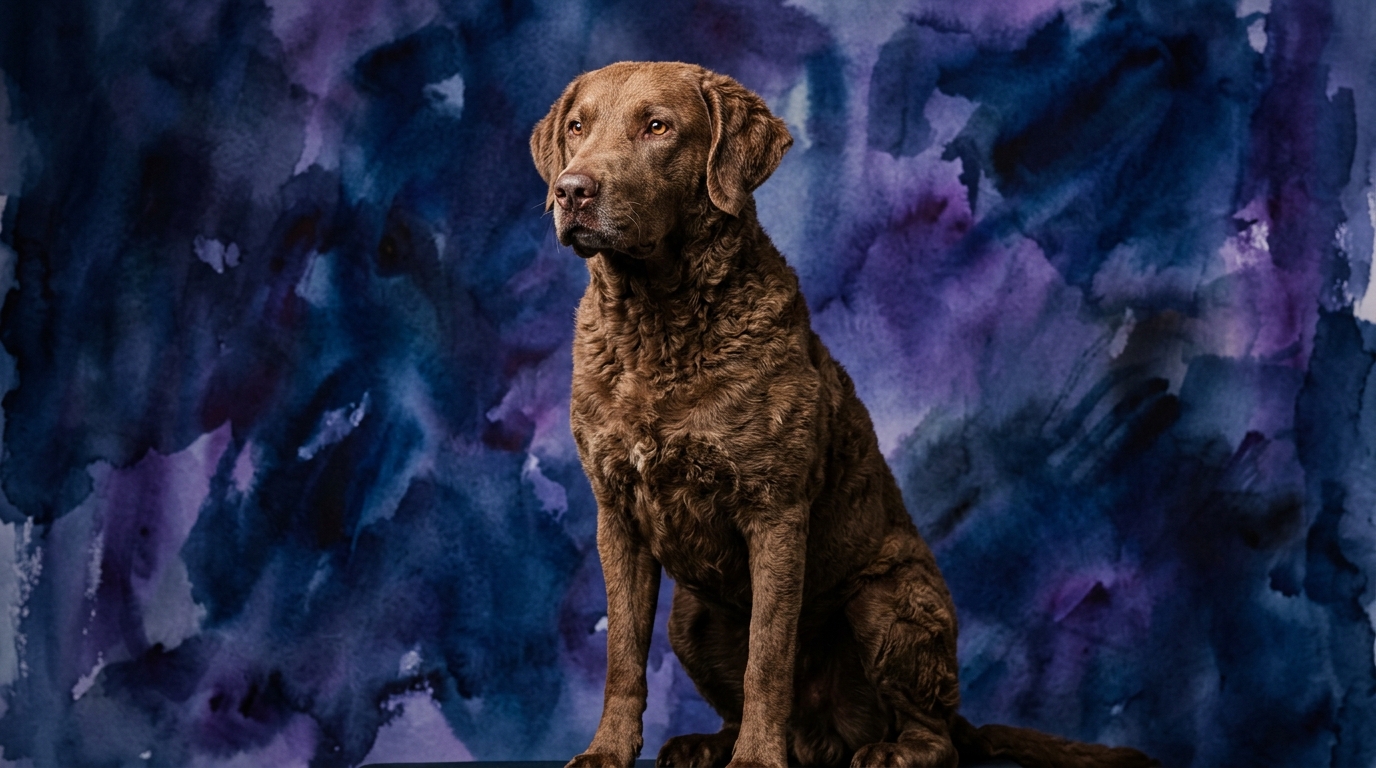
The Chesapeake Bay Retriever, Coren-ranked #27, presents a robust cognitive profile tailored for their sporting heritage. They score 4/5 in problem-solving, adept at navigating complex retrieving scenarios, and equally high in training speed, demonstrating quick assimilation of commands crucial for their demanding work. Their social intelligence and instinctive drive are both rated 3/5, indicating a balanced awareness of their environment and a functional working impetus. A strong memory at 4/5 ensures they recall intricate sequences and past experiences, a vital asset for their specialized tasks.
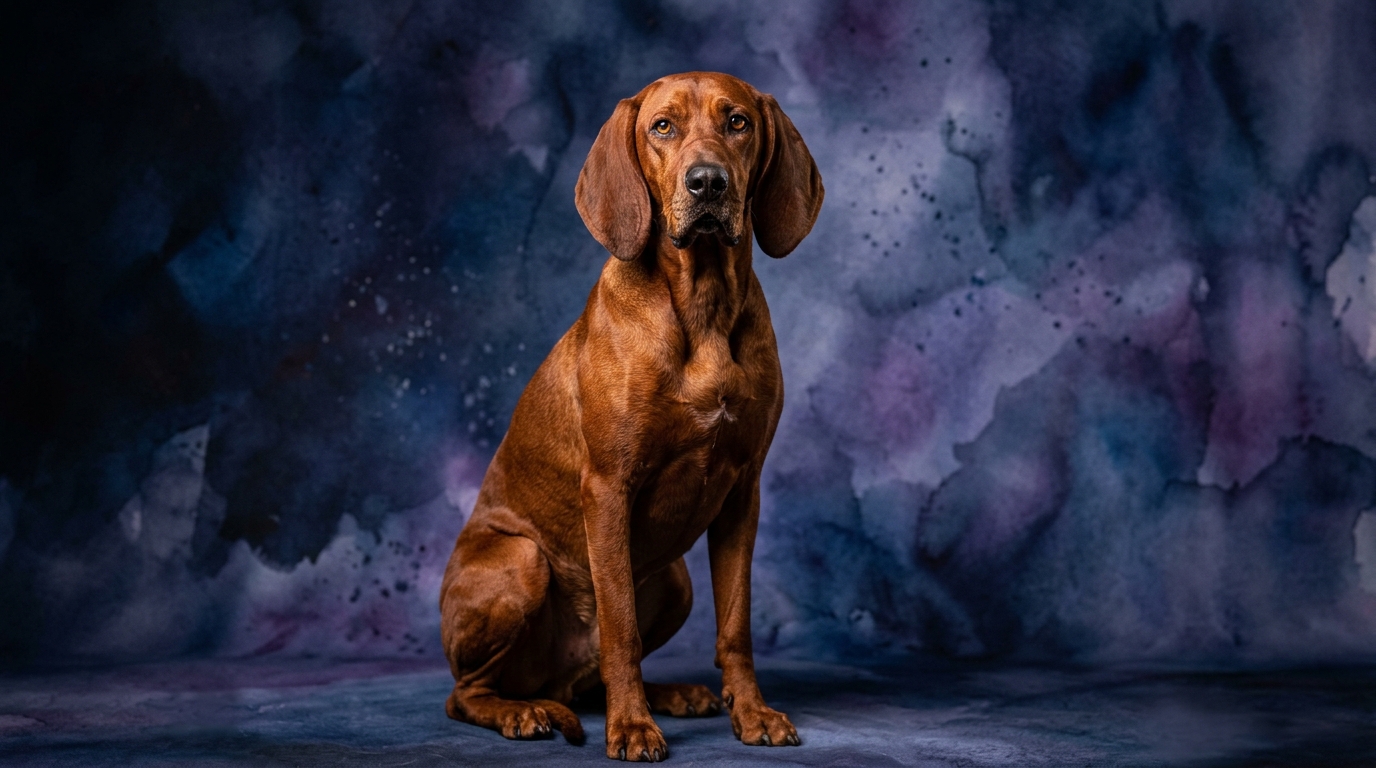
The Redbone Coonhound, not Coren-ranked, showcases a cognitive design optimized for independent scent work. Their problem-solving and training speed both register 3/5, reflecting an ability to decipher complex scent trails and learn at a steady, often self-directed pace, typical for autonomous hunters. Social intelligence and instinctive drive are also 3/5; the latter manifests as an unwavering focus on scent. Their memory capacity, at 3/5, is sufficient for recalling scent patterns and navigating familiar territories, supporting their persistent tracking abilities.
Where the Chesapeake Bay Retriever Excels Cognitively
The Chesapeake Bay Retriever's cognitive strengths are particularly evident in its higher scores for problem-solving (4/5), training speed (4/5), and memory (4/5). Their aptitude for discerning solutions to novel challenges means they can quickly assess situations, such as navigating tricky terrain to retrieve, and make effective decisions under pressure. This translates into a dog that not only grasps new commands rapidly but also retains them consistently, making them highly receptive to advanced obedience, intricate field work, and competitive dog sports. For an owner seeking a canine partner capable of mastering complex routines and adapting swiftly to new instructions, the Chessie's cognitive makeup offers a distinct advantage.
Unique Cognitive Strengths of the Redbone Coonhound
While the Redbone Coonhound's numerical scores are generally lower or equal to the Chessie's, their cognitive profile demonstrates unique strengths perfectly adapted to their specialized work. Their instinctive drive (3/5) manifests as an unwavering, single-minded focus on scent, allowing them to independently decipher complex scent puzzles over vast distances. Their problem-solving (3/5) and memory (3/5) are geared towards autonomously interpreting a world of olfactory information, making intricate decisions based on subtle environmental cues. This deep, instinct-driven cognitive application allows them to persevere for hours, demonstrating mental fortitude and independent reasoning vital for a working hound, showcasing a different kind of cognitive excellence.
Training Responsiveness: A Tale of Two Approaches
The difference in training responsiveness is significant, largely due to their differing cognitive priorities and historical roles. The Chesapeake Bay Retriever, with its 4/5 training speed and problem-solving, is generally more responsive to structured, human-directed training. They are eager to please and quick to understand what is asked, making them suitable for advanced obedience and complex field trials. Training a Chessie often involves clear commands, positive reinforcement, and consistent routines, to which they typically respond with enthusiasm and precision.
Conversely, the Redbone Coonhound, with a 3/5 training speed, presents a different dynamic. Bred for independent scent work, their primary cognitive drive is often directed towards following a trail, rather than immediate human compliance. This can manifest as perceived distraction during training, as their keen nose might override focus on commands. Training a Redbone requires immense patience, creativity, and understanding of their instincts. Sessions need to be engaging and often incorporate scent work to harness their natural drive, as they learn at their own pace, requiring consistent reinforcement.
Lifestyle Compatibility: Active Engagement vs. Independent Exploration
Both breeds are active, but their ideal lifestyles diverge. The Chessie thrives with owners who provide structured physical and mental engagement. Their problem-solving and training speed make them excellent candidates for activities like retrieving games, dock diving, and obedience competitions, where they can apply their prowess and mental acuity. They excel when given clear tasks and benefit from consistent interaction and mental challenges directed by their owner, making them highly engaged and cooperative companions for active, training-oriented individuals.
The Redbone Coonhound leans more towards independent exploration and endurance. Their instinctive drive for scent work means they need ample opportunities to follow their nose, whether on secure, long-line walks in varied terrain or participating in scent-specific activities. They are built for stamina and cover vast distances, often immersed in a world of smells. While they enjoy companionship, their mental stimulation often comes from the hunt itself rather than complex human-directed tasks. Owners who appreciate a dog's independent spirit and are prepared for long, meandering walks will find a fitting partner.
The Verdict
Choose the Chesapeake Bay Retriever if you seek a highly trainable, mentally agile partner for structured activities like advanced obedience, retrieving sports, or a demanding family companion who thrives on clear direction and consistent engagement. Their responsive nature and strong memory make them adept at mastering complex tasks.
Opt for the Redbone Coonhound if you value an independent, persistent companion with an unparalleled drive for scent work, ideal for tracking, hunting, or an active lifestyle that embraces long, exploratory adventures. Their unique cognitive strengths are best nurtured by owners who understand and harness their natural instincts.
🧠 Find Your Pet's IQ Score
Our Pet IQ Lab assessment covers 25+ tests across 5 cognitive dimensions — personalized to your breed.
Take the Full IQ Test →Frequently Asked Questions
Is a Chesapeake Bay Retriever suitable for a first-time dog owner?
A Chesapeake Bay Retriever can be a good fit for a dedicated first-time owner who is prepared for consistent training and provides ample mental and physical stimulation. Their responsiveness and desire to work can make training rewarding, but their energy and need for structure require commitment.
How much exercise does a Redbone Coonhound need daily?
Redbone Coonhounds require substantial daily exercise, ideally incorporating opportunities for scent work. At least 60-90 minutes of vigorous activity, such as long walks, runs, or off-leash exploration in secure areas, is crucial to satisfy their stamina and instinctive drive.
Do Redbone Coonhounds make good family pets despite their hunting background?
Yes, Redbone Coonhounds can be affectionate and loyal family pets, especially with proper socialization and sufficient exercise. They tend to be good with children and other dogs, though their strong prey drive means careful introductions to smaller household pets are essential.