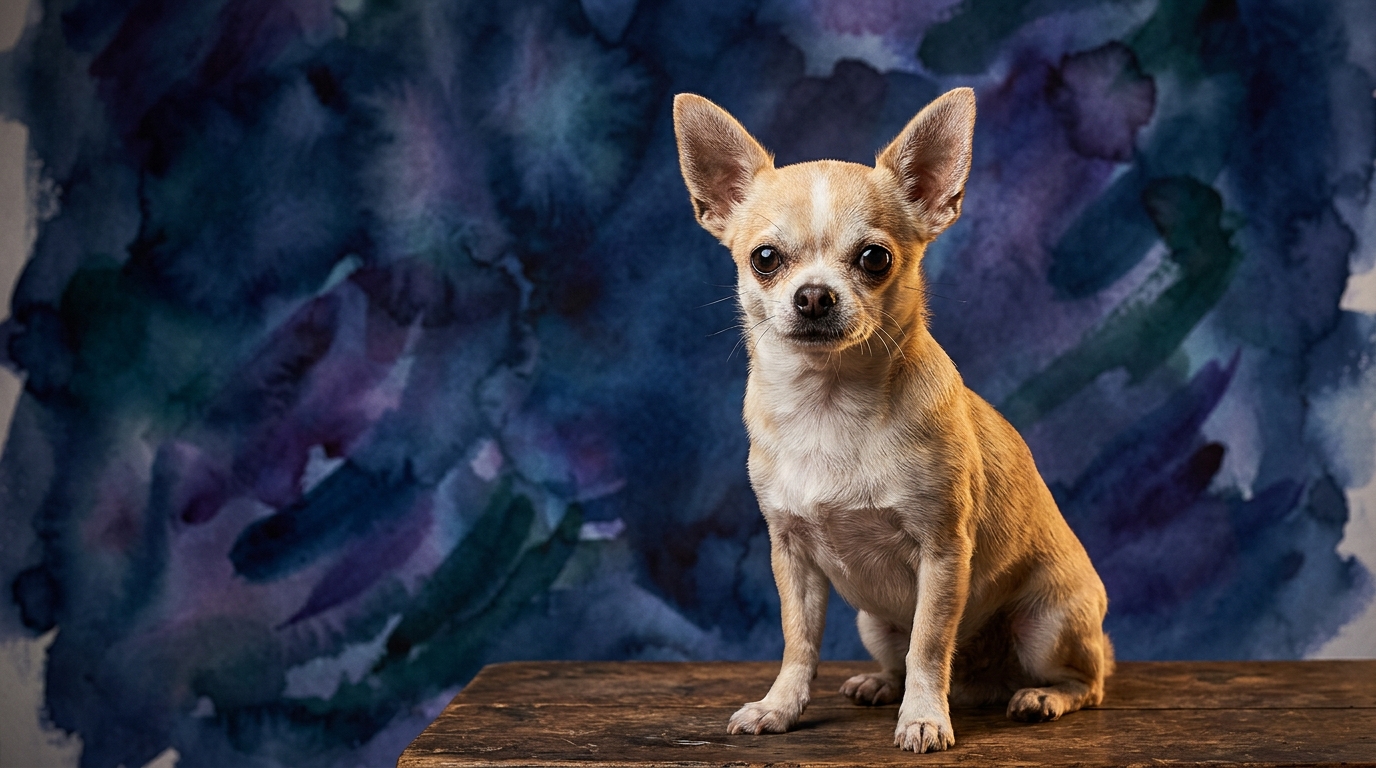
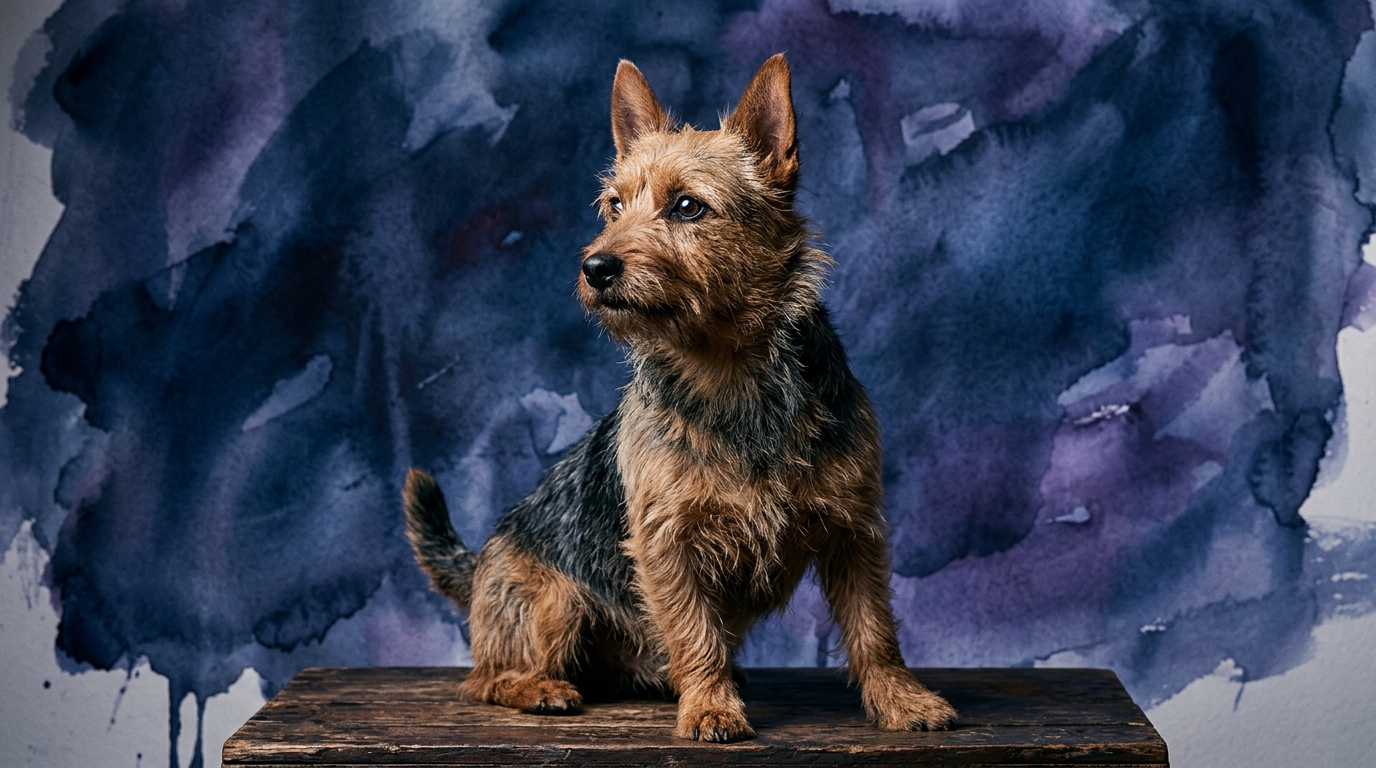
Side-by-Side IQ Profile: Chihuahua vs. Australian Terrier
**Problem Solving (Chihuahua: 3/5 | Australian Terrier: 3/5):** Chihuahuas often demonstrate a cleverness in navigating their home environment, perhaps figuring out how to push open a slightly ajar door to access a forbidden room or employing a specific vocalization to solicit a treat. While adept at simple cause-and-effect scenarios to achieve immediate gratification, their approach to more abstract or multi-step puzzles might require consistent guidance and encouragement. The Australian Terrier applies its problem-solving acumen to environmental challenges, often driven by an innate curiosity to explore and understand its surroundings. This might manifest as diligently working to unearth a perceived burrow in the yard or persistently investigating the source of an unusual sound, showcasing a hands-on, investigative mental approach rather than subtle manipulation.
**Training Speed (Chihuahua: 3/5 | Australian Terrier: 3/5):** Chihuahuas can learn new commands at a moderate pace, often responding well to positive reinforcement methods that leverage their desire for companionship and attention. Their capacity to pick up cues is solid, but their independent streak or occasional stubbornness, particularly if a task seems unappealing, may necessitate a patient and creative trainer who can maintain engagement. Australian Terriers also acquire new behaviors at a moderate speed, capable of grasping concepts with clear, consistent instruction. However, their strong environmental awareness and tendency to be easily distracted by novel stimuli, such as a passing squirrel or an interesting scent, can sometimes impact the efficiency of training sessions, requiring a trainer who can capture and hold their focus.
**Social Intelligence (Chihuahua: 4/5 | Australian Terrier: 3/5):** Chihuahuas truly shine in social intelligence, often forming remarkably deep and intuitive bonds with their primary caregivers. They are exceptionally adept at reading human emotions and subtle body language, frequently anticipating needs or offering comfort without explicit cues. Their complex communication, through varied vocalizations and nuanced expressions, allows for a rich, responsive interplay within their trusted human circle. Australian Terriers possess a good level of social intelligence, connecting loyally with their families and often displaying a friendly, outgoing disposition. While they understand social cues and enjoy companionship, their interactions might be more straightforward and less emotionally intricate than a Chihuahua's, focusing on shared activities and direct engagement rather than deep emotional mirroring.
**Instinctive Drive (Chihuahua: 3/5 | Australian Terrier: 3/5):** Chihuahuas retain a moderate level of instinctive drives, particularly those related to companionship, territoriality, and sometimes a surprising prey drive for small, fast-moving objects. This manifests as a 'big dog in a small body' confidence, fearlessly guarding their favored person or space, and an occasional chase impulse that reflects their ancestral hunting heritage. Australian Terriers exhibit a pronounced instinctive drive, characteristic of their terrier lineage, primarily centered around hunting small prey, digging, and energetic exploration. This drive manifests as a keen alertness to environmental changes, an eagerness to investigate novel scents or sounds, and a persistent desire to engage with their surroundings, often through vigorous digging or chasing.
**Memory (Chihuahua: 4/5 | Australian Terrier: 3/5):** Chihuahuas demonstrate a robust memory, capable of recalling learned behaviors, complex routines, and even specific people or places over extended periods. This strong recall significantly aids in their ability to maintain house training, consistently respond to commands, and recognize individuals, contributing to their predictable and often cherished behavioral patterns within their home. Australian Terriers possess a solid memory for routines, commands, and past experiences, which effectively supports their training and adaptability to new situations. While effective and reliable for practical associations, their memory tends to be more task-oriented, focusing on relevant environmental details and learned sequences rather than the more nuanced emotional or social recollections observed in Chihuahuas.
Where the Chihuahua Wins Cognitively
The Chihuahua's cognitive edge is most apparent in their superior social intelligence and robust memory. Their remarkable ability to keenly interpret human emotions and intentions allows them to forge an exceptionally deep, almost telepathic bond with their owners, often anticipating needs or offering comfort without a spoken word. This high social awareness, combined with their impressive recall for past interactions and established routines, means they can quickly learn what pleases their human companions and consistently apply those lessons, making them highly responsive and emotionally intuitive companions. Their strong memory allows them to consistently adhere to established house rules and remember individuals, fostering a stable and predictable home environment.
Where the Australian Terrier Wins Cognitively
The Australian Terrier's cognitive strengths truly shine in their practical, tenacious approach to environmental engagement, fueled by their strong instinctive drive. While both breeds share a 3/5 in problem-solving, the Aussie Terrier applies this specifically to navigating their physical world, such as persistently figuring out how to get into a secure area or strategically cornering a perceived critter. Their mental processes are geared towards active exploration and overcoming physical challenges, demonstrating a focused, persistent intellect when interacting with their surroundings, which is a hallmark of their terrier heritage. This drive means they are adept at understanding and manipulating their physical environment to achieve their goals.
Which Is Easier to Train and Why
Despite both breeds scoring a 3/5 in training speed, the path to successful training diverges due to their underlying cognitive profiles. Chihuahuas, with their superior social intelligence and memory, tend to respond well to training that emphasizes positive reinforcement and leverages their desire for human connection. They quickly grasp what is expected when the reward is social praise or a beloved treat, and their strong memory ensures retention. However, their independent streak means they might choose to 'ignore' commands if they perceive a lack of motivation or a more appealing distraction.
Conversely, Australian Terriers learn effectively when the training engages their strong instinctive drive and curiosity. They thrive on tasks that feel purposeful or offer a 'puzzle' to solve, but their environmental awareness means distractions can easily pull their focus. A trainer needs to be adept at managing their investigative nature, channeling their energy into the desired behaviors rather than letting it wander, making consistent, engaging, and often outdoor-based training key for the Australian Terrier.
Which Suits Active Owners vs. Relaxed Owners
For relaxed owners who cherish close companionship and a more sedentary lifestyle, the Chihuahua is often an ideal match. Their moderate instinctive drive and exceptional social intelligence mean they are content with indoor activities, thriving on mental engagement through interactive games and ample lap time. While they enjoy walks, their physical needs are generally met with less strenuous daily activity, making them perfect for those who prefer quiet evenings and intimate social interaction.
The Australian Terrier, with its pronounced instinctive drive and desire for exploration, is better suited for active owners. They thrive on consistent mental and physical stimulation, requiring regular opportunities to engage their natural terrier instincts through structured play, vigorous walks, or activities like agility or scent work. An owner willing to channel their energetic, curious, and often determined nature into purposeful outlets will find a rewarding companion in the Australian Terrier.
The Verdict
Choose a Chihuahua if you seek a deeply connected companion adept at reading your emotions and remembering routines, thriving in a home where social engagement and close bonding are prioritized over strenuous outdoor adventures.
Opt for an Australian Terrier if you're an active owner ready to channel a tenacious spirit, offering consistent mental and physical challenges that satisfy their strong drive for exploration and engagement with the world.
🧠 Find Your Pet's IQ Score
Our Pet IQ Lab assessment covers 25+ tests across 5 cognitive dimensions — personalized to your breed.
Take the Full IQ Test →Frequently Asked Questions
Do Chihuahuas bark a lot due to their intelligence?
Chihuahuas' vocalizations are more tied to their instinctive drive to alert and their social intelligence in communicating needs or warnings, rather than a direct measure of their problem-solving ability. Their strong memory for routines and people means they quickly learn what triggers their barks, such as strangers approaching or changes in the environment.
Can Australian Terriers be trained for complex tasks despite not being Coren-ranked?
Absolutely. While not on the Coren ranking, Australian Terriers possess solid problem-solving skills and learn at a moderate pace. Their drive and persistence mean they can excel in activities like agility or earthdog trials, which require focus and sequential learning, if training is consistent and engaging.
How does social intelligence impact daily life with these breeds?
A Chihuahua's high social intelligence means they are often highly attuned to their owner's moods, offering comfort or seeking attention intuitively, fostering a deep emotional bond. For an Australian Terrier, their good social intelligence translates to a friendly, loyal companionship, enjoying shared activities and being a valued family member, though perhaps with less emotional nuance.