Side-by-Side IQ Profile: Unpacking Cognitive Dimensions
At The Cosmic Pet Pet IQ Lab, we analyze canine cognition across five crucial dimensions, offering a nuanced understanding beyond simple rankings. While the Cavalier King Charles Spaniel holds a higher Coren rank at #44 compared to the Chihuahua’s #67, a closer look at their individual cognitive scores reveals specific areas of aptitude.
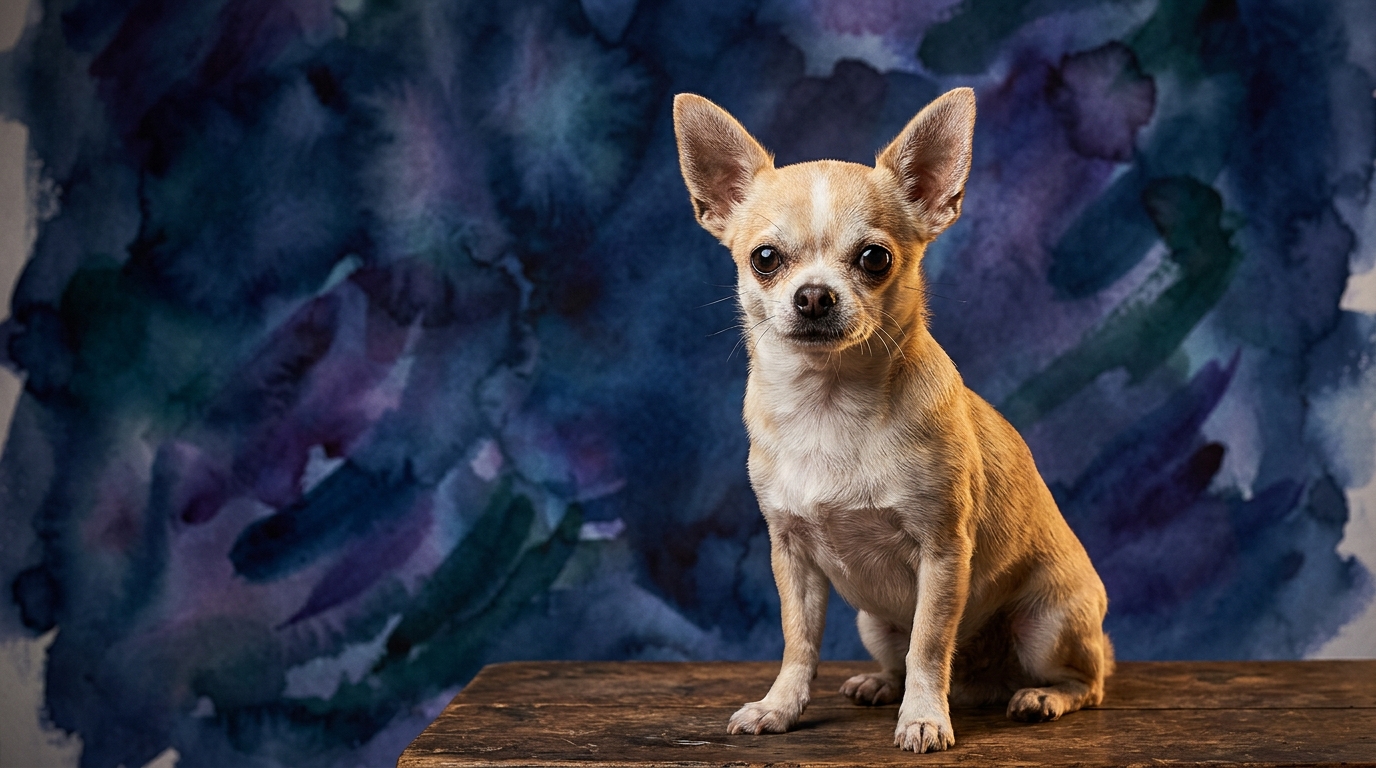
For the **Chihuahua (Coren Rank #67)**, their cognitive profile is distinct. Their **Problem Solving** scores a 3 out of 5, indicating a moderate ability to navigate novel challenges, often relying on learned associations rather than abstract reasoning. They can figure out simple puzzles but might require clear guidance for multi-step tasks. **Training Speed** is also a 3 out of 5, suggesting a steady learning pace for new commands, where consistency and positive reinforcement yield reliable progress. Their **Social Intelligence** is a strong 4 out of 5, demonstrating a notable capacity for understanding human cues and emotions, forming deep bonds with their primary caregivers and adeptly reading body language. **Instinctive Drive** is a 3 out of 5; while not bred for complex working roles, they retain moderate behaviors like alert barking and territoriality. A standout strength is their **Memory**, scoring an impressive 4 out of 5, meaning they recall commands, routines, and specific experiences with impressive accuracy.
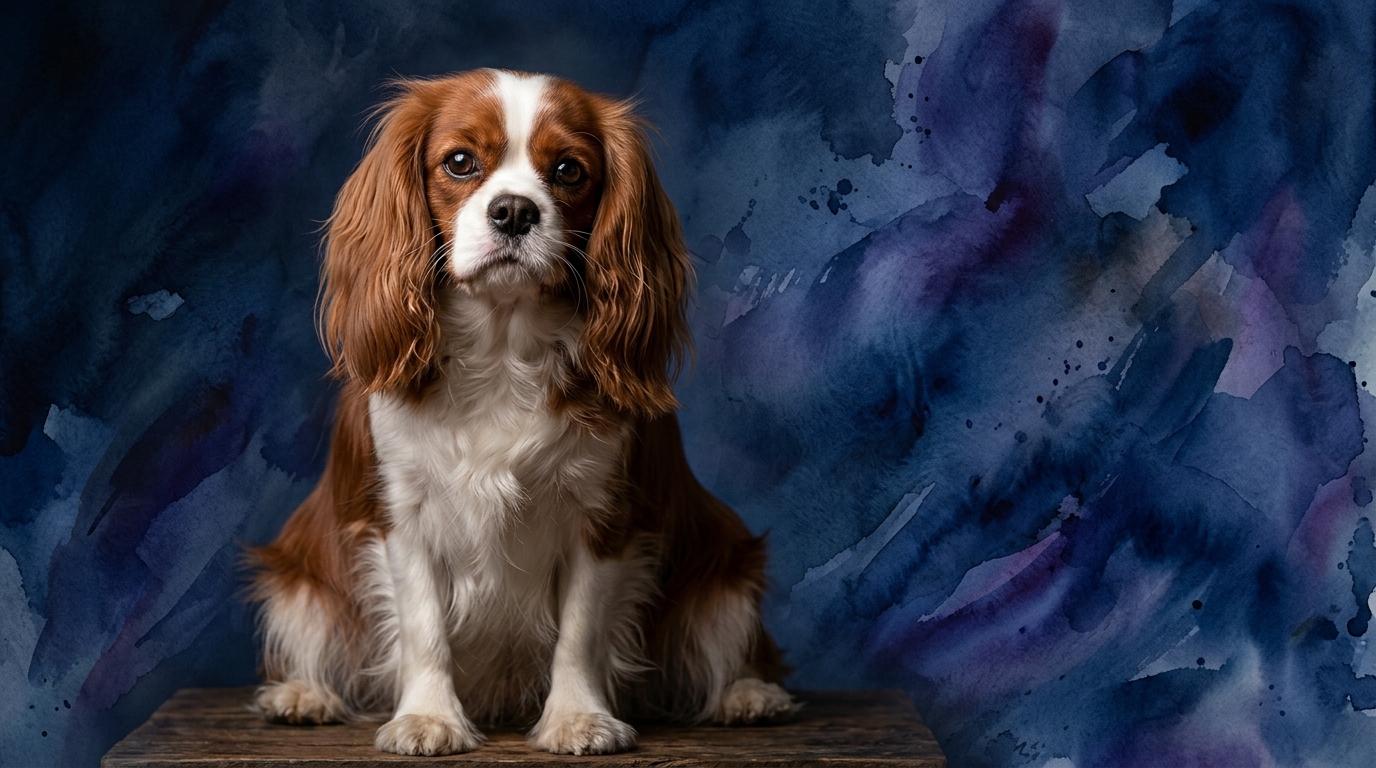
The **Cavalier King Charles Spaniel (Coren Rank #44)** presents a profile emphasizing their companion nature. Their **Problem Solving** also rates a 3 out of 5, showing a moderate aptitude for overcoming obstacles and enjoying interactive toys, though complex, abstract problems are not their primary strength. **Training Speed** mirrors the Chihuahua at 3 out of 5, indicating a consistent rate of learning new behaviors, responding well to clear instruction and finding motivation in praise and connection. Their most exceptional dimension is **Social Intelligence**, a perfect 5 out of 5, signifying an outstanding ability to connect with humans and other animals, making them remarkably empathetic and intuitive companions. **Instinctive Drive** is a 3 out of 5, primarily manifesting as an affinity for companionship and a gentle curiosity, with a mild inclination for scent work from their spaniel heritage. Their **Memory** is a functional 3 out of 5, allowing them to retain training and routines effectively, though not quite at the same level as the Chihuahua.
Where the Chihuahua Wins Cognitively
The Chihuahua's most striking cognitive advantage lies in its superior **memory**, scoring 4 out of 5 compared to the Cavalier's 3 out of 5. This robust recall capacity means a Chihuahua is more likely to remember complex sequences of commands, the precise location of hidden treats after long periods, or intricate routines established within the home. This allows them to navigate familiar environments and expectations with a high degree of independence and predictability once trained.
Their ability to retain information accurately contributes to their steadfast adherence to household rules, provided these rules are consistently reinforced from an early age. This memory strength also means they might recall negative experiences or inconsistent training more vividly, underscoring the importance of positive reinforcement and clear boundaries in their upbringing.
Where the Cavalier King Charles Spaniel Wins Cognitively
The Cavalier King Charles Spaniel truly excels in **social intelligence**, boasting a perfect 5 out of 5, which significantly surpasses the Chihuahua's respectable 4 out of 5. This profound social acumen means Cavaliers are exceptionally skilled at interpreting human emotions, intentions, and subtle cues, making them remarkably empathetic and intuitive companions.
Their eagerness to please stems directly from this deep understanding of social dynamics and a strong desire for harmonious interaction. This heightened social awareness allows them to adapt seamlessly to various social settings, often acting as a calming presence and forming strong, reciprocal bonds with nearly everyone they meet, not just their primary caregiver. Their ability to read a room and respond appropriately to mood shifts makes them particularly comforting and responsive pets.
Which is Easier to Train and Why
While both breeds share an identical **Training Speed** score of 3 out of 5, suggesting a similar inherent pace for acquiring new commands, the Cavalier King Charles Spaniel is often perceived as easier to train due to its exceptional **social intelligence**. A Cavalier's 5/5 social acumen translates into an innate desire to cooperate and please its human companions, making them highly motivated by praise, positive attention, and the opportunity to engage collaboratively. They actively seek to understand what is expected of them and find immense satisfaction in successful interaction. This strong social drive often makes them more forgiving of handler errors and more persistent in their efforts to comply, creating a smoother and more rewarding training experience for both dog and owner.
In contrast, the Chihuahua, with its 4/5 social intelligence, while deeply bonded, can sometimes display a more independent streak or a stronger focus on its own perceived needs. Their training success, despite their good memory, often relies more heavily on the owner’s consistency and ability to make training inherently rewarding, as they might not have the same overwhelming drive to please purely for social gratification. They respond best when training is structured, engaging, and directly benefits them, such as leading to a favorite treat or game, rather than simply pleasing their human. Overcoming potential stubbornness or a "what's in it for me?" attitude requires a patient and creative approach.
Which Suits Active Owners vs. Relaxed Owners
For **relaxed owners** seeking a gentle, emotionally attuned companion, the Cavalier King Charles Spaniel is an excellent match. Their supreme social intelligence means they thrive on close companionship and are generally content with moderate activity, such as leisurely walks and cuddle sessions. Their calm demeanor and adaptability make them ideal for apartment living or homes where quiet togetherness is valued. While they enjoy playtime, their primary cognitive and emotional need is often simply to be near their people, making them perfect lap dogs who are deeply attuned to their owner's mood and pace. Their moderate instinctive drive means they are less prone to high-energy antics or complex behavioral demands, preferring a harmonious, low-key rhythm.
**Active owners** who appreciate a dog with a sharp memory, a bit more independent spirit, and a surprisingly robust energy level might find the Chihuahua more rewarding. Despite their small stature, many Chihuahuas are energetic and enjoy exploring, learning tricks, and participating in dog sports like agility or rally obedience, where their memory for sequences is a distinct advantage. Their moderate instinctive drive and problem-solving skills mean they can engage in more structured activities and enjoy mental challenges beyond simple companionship. While they adore their families, their slightly lower social intelligence compared to the Cavalier means they can also be content with periods of independent play or observation, making them suitable for owners who enjoy varied activities with their pet, including those that require a bit more individual engagement from the dog.
The Verdict
Choose the Chihuahua if you value a compact companion with exceptional memory, a keen awareness of their surroundings, and an independent spirit that enjoys engaging in structured mental challenges and consistent routines.
Choose the Cavalier King Charles Spaniel if you seek a profoundly empathetic and socially brilliant companion who thrives on close connection, offers unparalleled emotional support, and adapts seamlessly to a relaxed, family-oriented lifestyle.
🧠 Find Your Pet's IQ Score
Our Pet IQ Lab assessment covers 25+ tests across 5 cognitive dimensions — personalized to your breed.
Take the Full IQ Test →Frequently Asked Questions
Are Chihuahuas harder to housetrain due to their size?
Not necessarily due to size, but their moderate training speed and occasional independent streak mean consistent, early, and positive housetraining is crucial. Their strong memory means once they learn the rules, they're generally reliable in established routines.
Do Cavaliers require a lot of mental stimulation despite their relaxed nature?
While Cavaliers are content with companionship, their high social intelligence means they benefit greatly from interactive play, gentle training, and activities that involve their human. They enjoy learning new things, especially if it strengthens their bond and provides social engagement.
Which breed is generally better with children or other pets?
The Cavalier's exceptional social intelligence generally makes them more adaptable and gentle with children and other pets, provided early socialization. Chihuahuas can be good with respectful children and other animals but may require more careful introductions due to their protective instincts and smaller size.