Side-by-Side Cognitive Profile: Chihuahua vs. Chow Chow
In The Cosmic Pet IQ Lab, we evaluate canine intelligence across five key dimensions, offering a detailed look at how different breeds process information and interact with their world. The Chihuahua, a Toy breed, ranks #67 on Stanley Coren's scale of working and obedience intelligence, while the Non-Sporting Chow Chow sits at #76. These ranks suggest the Chihuahua generally exhibits a quicker understanding of new commands and a higher recall rate in formal training contexts.
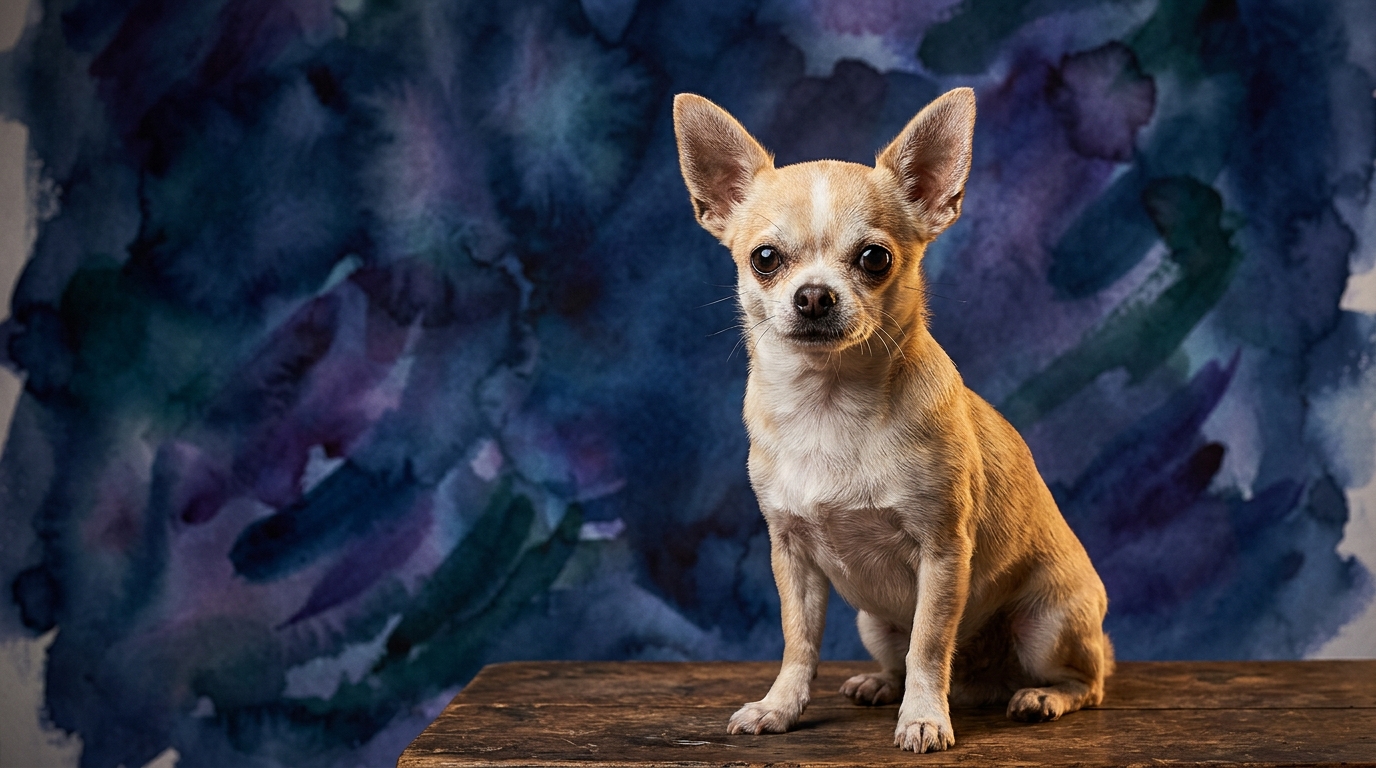
Delving into the specific cognitive dimensions for the Chihuahua, we see a Problem Solving score of 3/5, indicating a moderate ability to navigate novel situations and figure out solutions. Their Training Speed is also 3/5, meaning they grasp new concepts at an average pace, but this is often boosted by their keen Social Intelligence, which scores 4/5. This higher social acumen allows them to be highly attuned to human cues and intentions. Instinctive Drive for Chihuahuas is 3/5, reflecting a balanced expression of innate behaviors, while their Memory shines at 4/5, suggesting a strong capacity for retaining learned information and experiences.
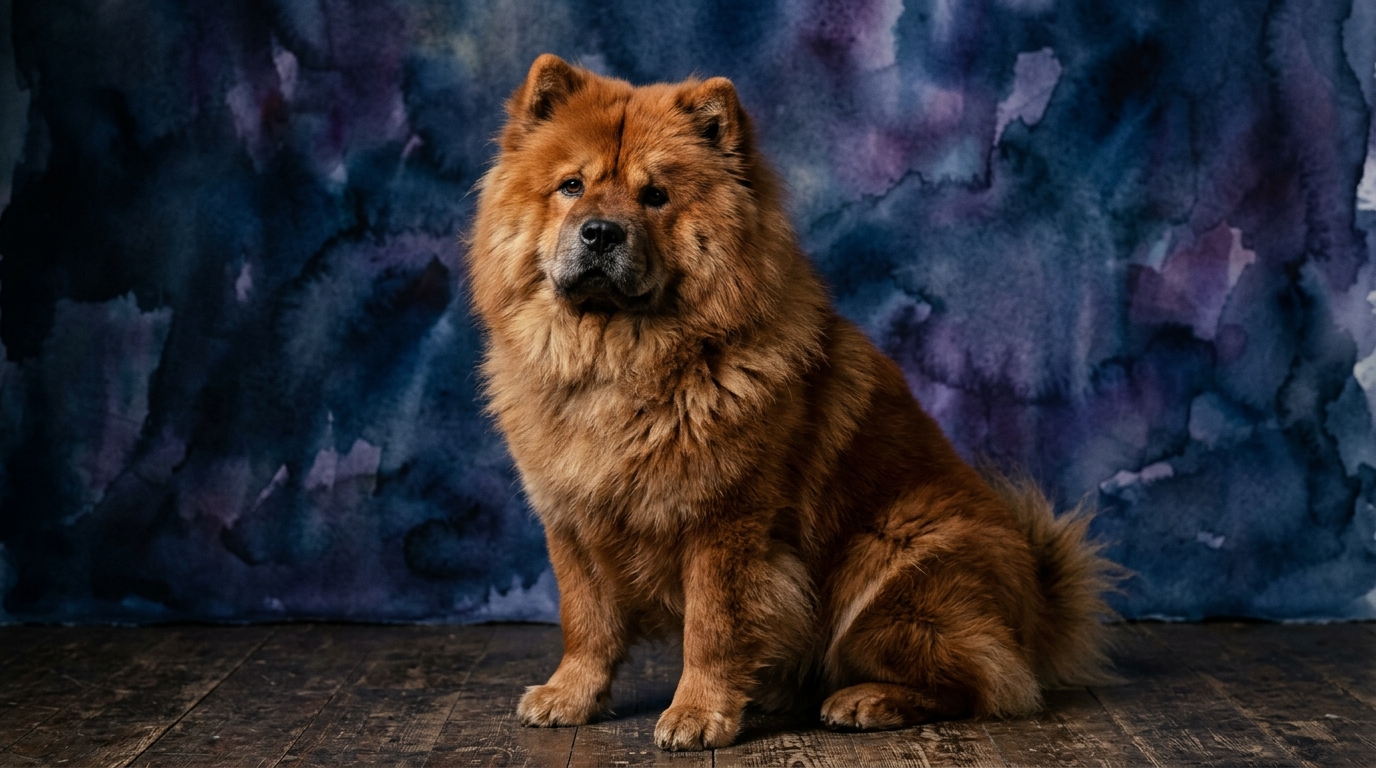
The Chow Chow presents a distinct cognitive profile. Their Problem Solving ability is 3/5, similar to the Chihuahua, demonstrating an average capacity for independent thought in challenging scenarios. Their Training Speed also stands at 3/5, indicating a similar pace in acquiring new skills. However, where the Chow Chow notably differs is in Social Intelligence, scoring 3/5, which suggests a more reserved or less overtly people-oriented cognitive style compared to the Chihuahua. Their Instinctive Drive is 3/5, manifesting in behaviors often linked to their historical roles, and their Memory is 3/5, indicating a moderate retention capacity that might require more consistent reinforcement during training.
Where the Chihuahua Shines Cognitively
The Chihuahua demonstrates a clear cognitive advantage in two crucial areas: social intelligence and memory. With a Social Intelligence score of 4/5 compared to the Chow Chow's 3/5, Chihuahuas are inherently more adept at reading and responding to human emotional states and social cues. This isn't merely about being 'friendly'; it's a cognitive capacity that enables them to understand subtle shifts in tone, body language, and expectations, making them highly responsive companions in interactive settings. They often anticipate desires and react to the nuances of their human environment with remarkable sensitivity.
Furthermore, the Chihuahua's Memory score of 4/5, against the Chow Chow's 3/5, signifies a superior ability to recall past experiences, learned commands, and established routines. This enhanced memory contributes significantly to their adaptability and trainability. A Chihuahua is more likely to remember a positive interaction, a specific command learned weeks ago, or the location of a favored toy, leading to quicker reinforcement of desired behaviors and a more consistent application of their training. This robust memory, coupled with their social attunement, allows Chihuahuas to form complex associations and navigate their daily lives with a keen awareness of their established world.
Where the Chow Chow Offers a Unique Cognitive Approach
While direct numerical comparisons might not always show the Chow Chow 'winning' in specific cognitive dimensions, their distinct profile highlights a unique and often preferred cognitive approach. Their consistent 3/5 scores across Problem Solving, Training Speed, Social Intelligence, Instinctive Drive, and Memory speak to a profound self-reliance and an independent thought process. The Chow Chow's lower Social Intelligence (3/5) compared to the Chihuahua (4/5) isn't necessarily a deficit, but rather reflects a cognitive style less driven by constant human interaction and more by their own internal processing. This means they are less prone to separation anxiety and often display a calm, self-possessed demeanor, processing information and making decisions based on their own assessment rather than immediate external cues.
Their Instinctive Drive (3/5) is particularly noteworthy; while numerically equal to the Chihuahua, it manifests differently in a breed historically tasked with guarding and hunting in ancient China. This drive is often channeled into a protective, watchful nature, requiring a specific kind of cognitive engagement from their owners. Chow Chows possess a dignified intelligence that values autonomy. Their problem-solving, though scoring 3/5, is often applied to their perceived duties, such as monitoring their territory or assessing new situations with a careful, deliberate approach. This form of intelligence values consistency and respect, thriving when owners understand and work with their independent mindset rather than against it, fostering a unique bond built on mutual understanding of their distinct cognitive boundaries.
Training Dynamics: Which Breed Is Easier?
When it comes to ease of training, the Chihuahua generally holds an advantage, despite both breeds sharing a 3/5 Training Speed score. The critical difference lies in their Social Intelligence and Memory. The Chihuahua's 4/5 Social Intelligence means they are naturally more inclined to engage with their trainer, seeking to understand and respond to human directives. They thrive on interaction and positive reinforcement, often eager to please and quick to pick up on the subtle cues that indicate approval or disapproval. Their superior Memory (4/5) ensures that once a command is learned, it is retained more effectively, reducing the need for extensive repetition.
In contrast, the Chow Chow's 3/5 Social Intelligence and Memory contribute to a different training experience. Their independent nature means they are less driven by a desire to please and more by their own assessment of a situation. Training a Chow Chow requires immense patience, consistency, and a deep understanding of their dignified, often aloof personality. They may understand a command but choose not to execute it if they don't see the immediate value or if it conflicts with their independent judgment. Their moderate memory also means that new information may require more consistent reinforcement to become ingrained. Stanley Coren's ranks further support this; the Chihuahua at #67 falls into the 'above average working/obedience intelligence' category, while the Chow Chow at #76 is in the 'fair working/obedience intelligence' group, indicating that Chihuahuas typically respond to commands more reliably and with fewer repetitions than Chow Chows.
Suitability for Active vs. Relaxed Lifestyles
The cognitive profiles of these two breeds offer insights into their suitability for different owner lifestyles. The Chihuahua, with its higher Social Intelligence and Memory, thrives in environments where it receives ample mental stimulation through interaction, training, and companionship. While their physical exercise needs are modest due to their size, their minds are active and require engagement. They are well-suited for relaxed owners who are present, enjoy consistent interaction, and can provide mental enrichment through games, puzzle toys, and ongoing training. A Chihuahua will happily curl up on a lap, but they also need their minds challenged to prevent boredom and potential behavioral issues stemming from under-stimulation, making them ideal for individuals who enjoy a close, interactive bond.
The Chow Chow, with its more independent cognitive style and moderate social intelligence, often suits owners who appreciate a dignified, self-possessed companion. They don't demand constant attention or effusive interaction, making them a good fit for relaxed owners who enjoy a dog's presence without needing it to be overly demonstrative. Their moderate physical activity requirements mean they are content with regular walks and do not typically require extensive, high-impact exercise. However, owners must be prepared to provide consistent, patient training that respects their independent intellect, rather than expecting eager compliance. A Chow Chow is best for owners who seek a loyal, watchful companion and are prepared to engage with a dog that thinks for itself, forming a deep, respectful bond on its own terms.
The Verdict
Choose a Chihuahua if you seek a highly interactive, socially perceptive companion eager to engage in training and form a deeply communicative bond.
Opt for a Chow Chow if you value a dignified, independent companion that offers a unique, self-reliant presence and requires an owner who appreciates their distinct cognitive style.
🧠 Find Your Pet's IQ Score
Our Pet IQ Lab assessment covers 25+ tests across 5 cognitive dimensions — personalized to your breed.
Take the Full IQ Test →Frequently Asked Questions
Are Chihuahuas truly smarter than Chow Chows in terms of obedience?
Based on Stanley Coren's rankings, Chihuahuas (rank #67) are generally considered to have higher working and obedience intelligence than Chow Chows (rank #76). This means Chihuahuas typically learn new commands with fewer repetitions and obey them more reliably.
How does a Chow Chow's independence affect training?
A Chow Chow's independence, linked to its moderate social intelligence, means training requires significant patience and consistency. They may understand commands but choose to comply based on their own assessment, requiring strong motivation and a respectful approach rather than expecting eager obedience.
What kind of mental stimulation do Chihuahuas need?
Chihuahuas, with their high social intelligence and memory, thrive on mental stimulation that involves interaction, such as puzzle toys, learning new tricks, and engaging in short, frequent training sessions. Their minds need to be challenged to prevent boredom and maintain their responsive nature.