Side-by-Side IQ Profile: Unpacking Canine Cognition
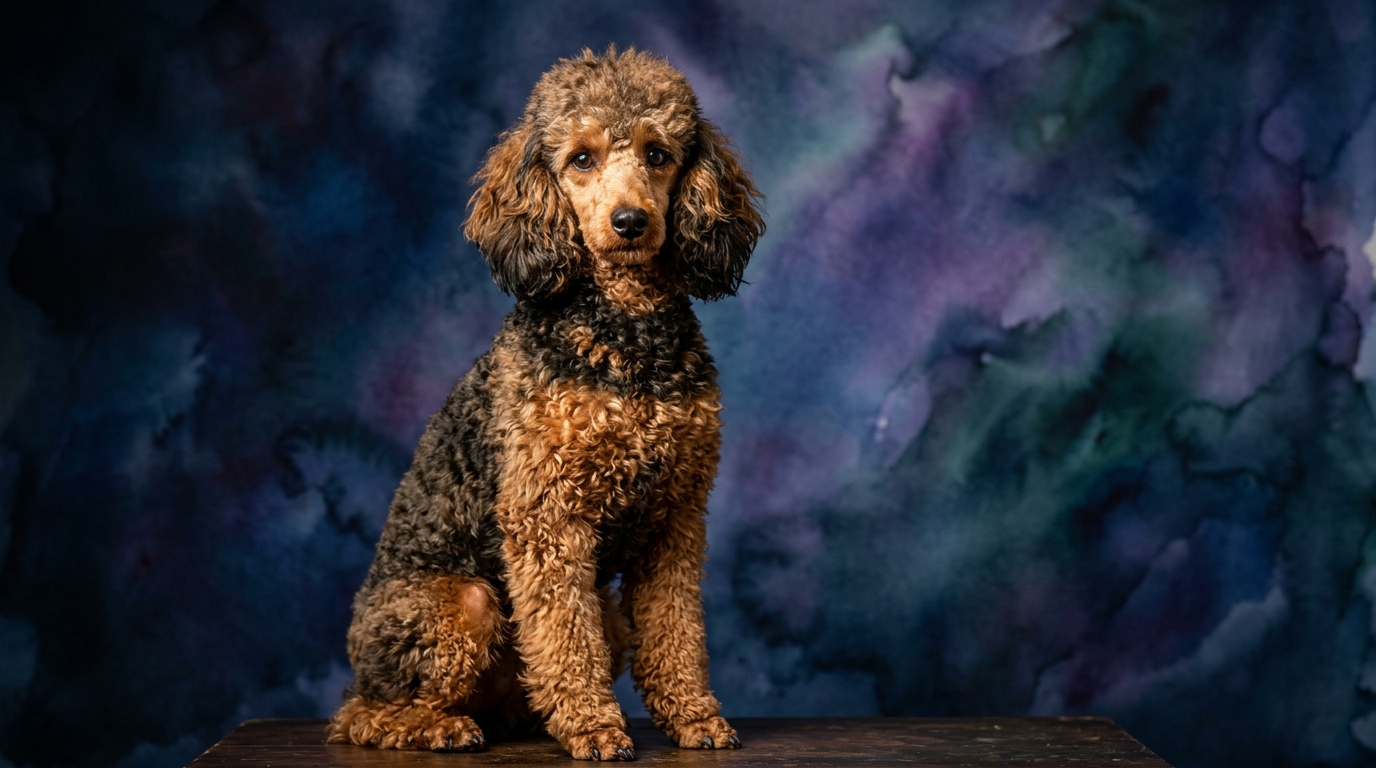
The Standard Poodle, holding a Coren rank of #2, consistently demonstrates a profound cognitive prowess. Their Problem Solving score of 5/5 reflects an exceptional ability to analyze novel situations, decipher complex puzzles, and adapt strategies with remarkable ingenuity. In Training Speed, a perfect 5/5 indicates an unparalleled capacity to acquire and retain new commands and behaviors with minimal repetition, driven by an eagerness to engage. Their Social Intelligence at 5/5 showcases an acute attunement to human emotional states and subtle cues, fostering deep, cooperative bonds. An Instinctive Drive of 4/5 points to a strong, yet highly channelable, desire for purposeful activity, historically rooted in waterfowl retrieval. Finally, their Memory score of 5/5 highlights an outstanding recall of learned information, routines, and past experiences, contributing to their reliability.
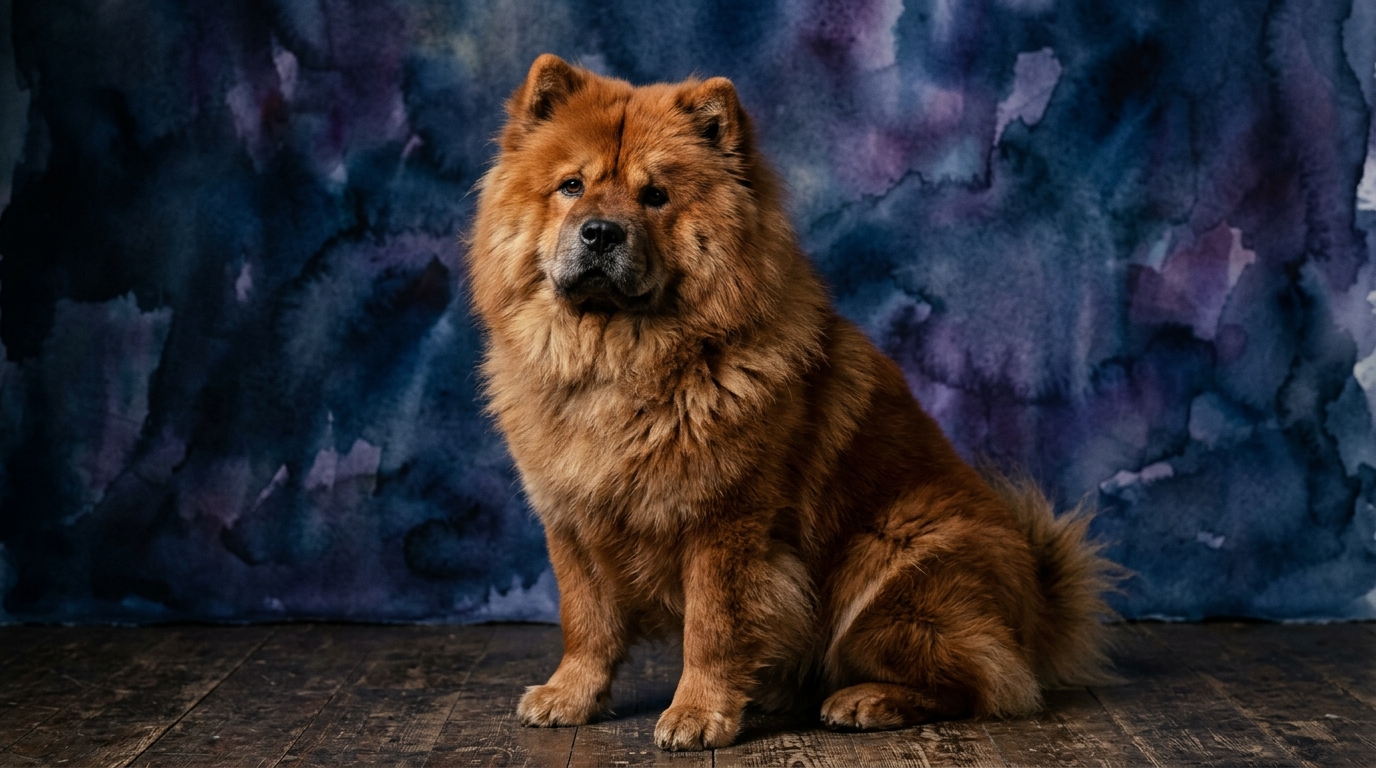
In contrast, the Chow Chow, with a Coren rank of #76, presents a distinctly different cognitive blueprint. Their Problem Solving score of 3/5 suggests competence in practical tasks, though they may prefer to devise their own solutions rather than strictly adhere to human-prescribed methods, often exhibiting an independent approach to challenges. A Training Speed of 3/5 indicates that while they are capable learners, they typically require more patient repetition and compelling motivation, often perceived as selective in their compliance. Their Social Intelligence at 3/5 reflects a reserved nature; they form profound, selective bonds with their inner family but are less inclined to outwardly seek constant human interaction or approval from strangers. The Instinctive Drive of 3/5 is primarily geared towards guarding and territorial protection, a strong historical purpose, rather than cooperative work. Their Memory at 3/5 signifies a solid retention of information, though new concepts may take longer to solidify compared to more biddable breeds.
Where the Standard Poodle Excels Cognitively
The Standard Poodle’s cognitive strengths are evident across nearly all dimensions, making them exceptional learners and partners. Their 5/5 Problem Solving isn't just about simple puzzles; it's about their adaptive intelligence – their capacity to figure out complex multi-step tasks, like opening child-proof latches, or understanding the nuances of a new agility course layout without extensive prior exposure. This analytical capability allows them to excel in dynamic environments where quick, independent thought is required. Furthermore, their perfect 5/5 Training Speed means they don’t just learn what to do, but how to generalize that learning across different contexts and cues, often picking up new commands in just a few repetitions. This is profoundly linked to their 5/5 Social Intelligence, which enables them to finely interpret human intentions and desires, making them remarkably cooperative. Their 5/5 Memory reinforces this, ensuring that once a lesson is learned, it is retained with impressive permanence, making them incredibly reliable in complex sequences or long-term behavioral expectations.
Where the Chow Chow Shines Cognitively
While the Chow Chow’s cognitive profile might appear less outwardly expressive in cooperative tasks, their strengths lie in a different, equally valuable domain of intelligence: self-sufficiency and discerning loyalty. Their 3/5 Problem Solving score reflects an independent decision-making process; a Chow Chow will assess a situation and often choose the most logical course of action from their perspective, rather than waiting for human instruction, especially in tasks related to guarding or self-preservation. This independent thought makes them exceptional at assessing their environment and acting as vigilant, self-reliant protectors. Their 3/5 Social Intelligence, often misinterpreted as aloofness, is actually a highly selective form of social acumen. They possess a deep, quiet understanding of their trusted family members, discerning subtle emotional shifts within their inner circle with profound loyalty. This selective bonding is a cognitive strength, allowing them to form exceptionally strong, unwavering attachments to their chosen few. The 3/5 Instinctive Drive for guarding is a highly developed cognitive function, allowing them to effectively evaluate potential threats and maintain vigilance without constant human direction, making them steadfast and reliable guardians.
Ease of Training: A Tale of Two Temperaments
When it comes to ease of training, the difference between the Standard Poodle and the Chow Chow is pronounced, stemming directly from their inherent cognitive profiles and behavioral tendencies. The Standard Poodle is, without question, significantly easier to train. Their 5/5 Training Speed is driven by an innate desire to please and a remarkable ability to grasp new concepts rapidly, often requiring only a few repetitions before a command is solidified. This is further amplified by their 5/5 Social Intelligence, which makes them highly responsive to human cues, body language, and vocal inflections. They thrive on positive reinforcement and the opportunity to engage collaboratively with their handler, quickly associating actions with rewards and praise. Their strong Memory (5/5) ensures long-term retention of learned behaviors, making them reliable and consistent performers in obedience, agility, or any complex task.
In stark contrast, training a Chow Chow presents a more considerable challenge. Their 3/5 Training Speed means new commands often require extensive repetition and a patient, consistent approach. This isn't due to a lack of ability, but rather their inherent independence and selective nature. A Chow Chow's 3/5 Social Intelligence means they are less motivated by the sheer desire to please and may not be as attuned to subtle human directives. They will often weigh a command against their own perceived value or comfort, and if they don't see the point, they may simply choose not to comply, leading to them being labeled as stubborn. Successful training with a Chow Chow demands creativity in finding high-value motivators, maintaining a positive and calm demeanor, and respecting their self-possessed nature. Their 3/5 Memory for new commands, combined with their independent streak, means that while they can learn, the process is typically slower and requires sustained effort to ingrain behaviors reliably.
Owner Suitability: Matching Minds and Lifestyles
The distinct cognitive profiles of the Standard Poodle and Chow Chow dictate different ideal owner lifestyles. For active owners seeking a highly engaged, collaborative, and mentally stimulating companion, the Standard Poodle is an exceptional match. Their outstanding 5/5 Problem Solving and 5/5 Training Speed make them natural contenders for dog sports such as agility, obedience, rally, and even advanced trick training or scent work. They thrive on consistent mental enrichment and physical activity, benefiting immensely from owners who enjoy teaching new skills, participating in competitive events, or simply providing complex puzzle toys and engaging play sessions. Their 5/5 Social Intelligence means they genuinely enjoy being an integral part of family activities, desiring interaction and shared experiences. An owner who embraces an active, participatory role in their dog's life will find the Poodle a willing and enthusiastic partner.
Conversely, for relaxed owners who appreciate a dignified, self-sufficient, and perhaps less overtly demanding companion, the Chow Chow offers a unique appeal. While they still require regular, moderate exercise, their 3/5 Instinctive Drive and 3/5 Social Intelligence mean they generally do not demand the same intensity of mental and physical engagement as a Poodle. They are often content observing their surroundings from a comfortable spot, enjoying quiet companionship with their family without constant need for interaction or elaborate games. Owners who respect a dog's independent streak and are prepared for a companion that offers loyalty and protection without being overly effusive or constantly seeking approval will find the Chow Chow a rewarding presence. They are well-suited to households that value a serene home environment and are prepared to provide consistent, calm leadership.
The Verdict
Select a Standard Poodle if you desire an exceptionally engaged, highly trainable, and versatile companion eager to excel in activities ranging from advanced obedience to dog sports, thriving on deep social interaction and continuous mental challenges.
Opt for a Chow Chow if you seek a dignified, independent, and profoundly loyal companion who forms deep bonds with their family, appreciating a serene home environment and an owner who respects their self-possessed nature over constant biddability.
🧠 Find Your Pet's IQ Score
Our Pet IQ Lab assessment covers 25+ tests across 5 cognitive dimensions — personalized to your breed.
Take the Full IQ Test →Frequently Asked Questions
Are Chow Chows truly untrainable, given their lower scores?
No, Chow Chows are not untrainable, but their training approach differs significantly from breeds like the Poodle. They require consistent, patient, and positive reinforcement methods, often responding best to owners who understand their independent nature and can make training a rewarding, low-pressure experience for them.
Do Standard Poodles need a lot of exercise, despite their high intelligence?
Standard Poodles do require a good amount of physical and mental exercise to thrive. Their high instinctive drive and problem-solving abilities mean they benefit greatly from daily walks, play sessions, and engaging activities like puzzle toys, obedience training, or dog sports to prevent boredom and channel their energy constructively.
How do their grooming needs compare, considering their different coats?
Both breeds have significant grooming needs, though different. Standard Poodles require regular professional grooming or diligent home care to prevent matting of their dense, curly, non-shedding coat, often every 4-6 weeks. Chow Chows have a dense double coat that sheds heavily and requires frequent brushing, often daily, to manage loose hair and prevent mats, especially during seasonal shedding, but typically does not require clipping.