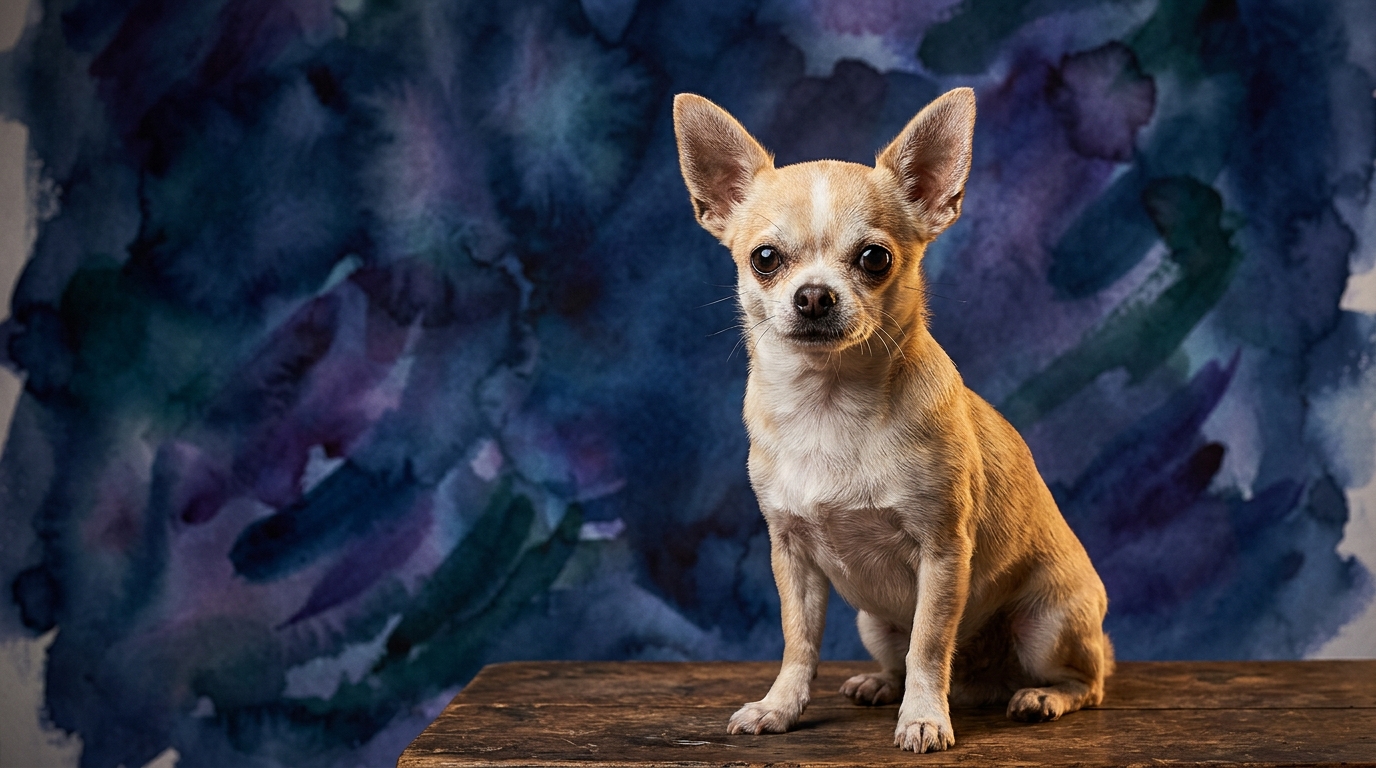
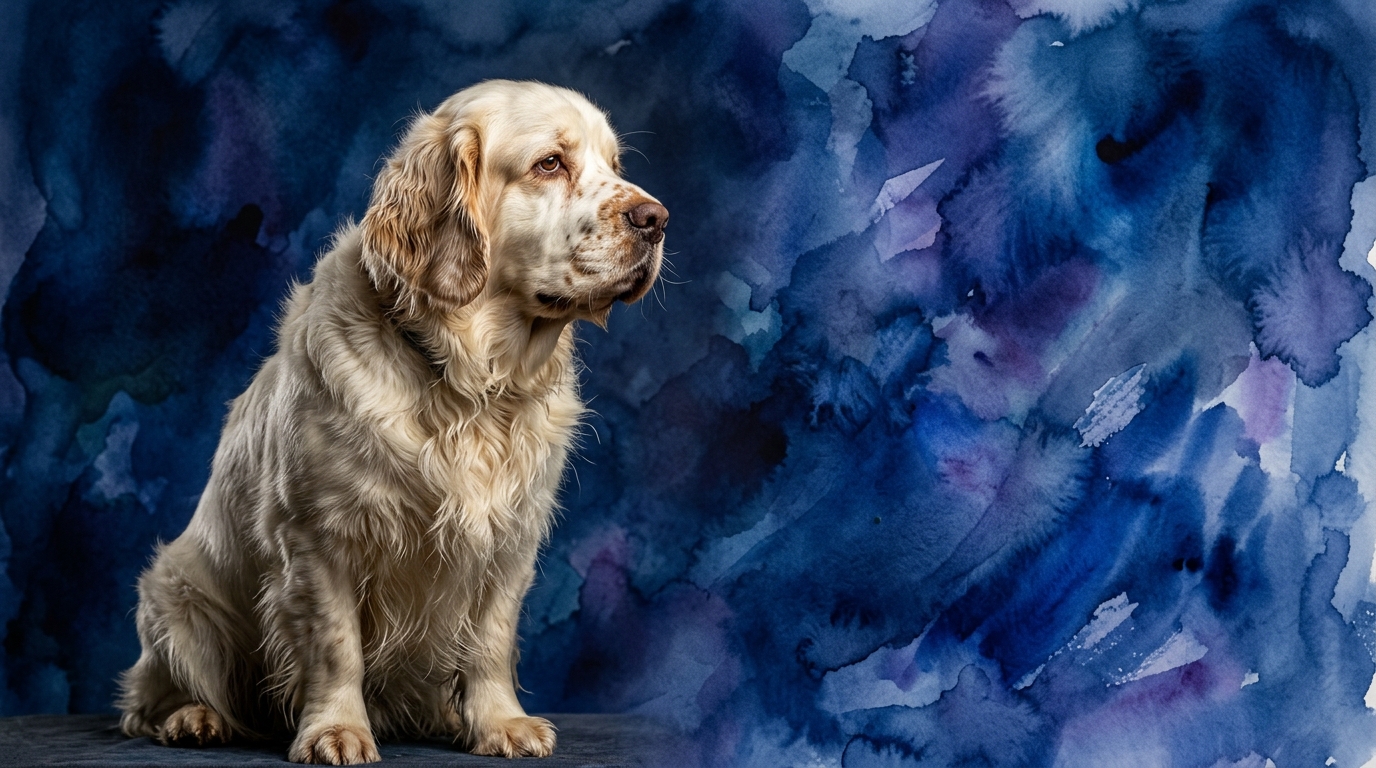
Side-by-Side Cognitive Profiles: Chihuahua vs. Clumber Spaniel
The Chihuahua, ranking #67 on the Coren scale, presents a cognitive profile marked by a strong social aptitude and impressive memory. With a Problem Solving score of 3/5, they are capable of navigating moderately complex challenges, often employing persistence to achieve their goals. Their Training Speed, also 3/5, suggests they can grasp commands with consistent, positive reinforcement. Where they truly shine is Social Intelligence (4/5), exhibiting a keen ability to read human cues and form exceptionally deep, often singular, bonds. Their Instinctive Drive is moderate at 3/5, often manifesting as territoriality or a pronounced "big dog" personality in a small package. Finally, their Memory, at 4/5, allows them to retain learned behaviors and associations with remarkable clarity, influencing their responses to past interactions.
The Clumber Spaniel, positioned higher at #55 on the Coren scale, offers a different intellectual landscape. Their Problem Solving ability, rated 3/5, indicates a methodical approach to new situations, capable of moderate task completion without excessive impulsiveness. Training Speed, also 3/5, means they respond well to patient, reward-based methods, processing information at a steady, deliberate pace. Their Social Intelligence scores 3/5, reflecting a generally amiable and observant nature, though perhaps less overtly expressive in their emotional cues than some breeds. An Instinctive Drive of 3/5 means they retain a moderate hunting instinct, particularly for scent work, but are typically calm and composed indoors. Their Memory, at 3/5, provides a reliable foundation for recalling learned commands and routines, though perhaps without the acute detail seen in the Chihuahua.
Where the Chihuahua Wins Cognitively
Chihuahuas demonstrate a superior capacity for social attunement, often appearing to 'read' their human companions with remarkable precision. This 4/5 social intelligence score means they are exceptionally adept at discerning subtle shifts in human mood, tone, and body language. They can anticipate routines and emotional states, leading to an almost symbiotic relationship where they seem to understand their owner's unspoken needs or desires. This deep emotional reciprocity is a hallmark of their cognitive strength, fostering intense bonds.
Their 4/5 memory score further amplifies this, allowing them to recall specific events, people, and routines with striking accuracy. A Chihuahua will remember the exact spot where a treat was hidden days ago, or the particular tone of voice associated with a past scolding. This sharp recall contributes significantly to their often-perceived "personality" and can heavily influence their future responses to similar stimuli, whether positive or negative. This combination of strong social understanding and vivid memory allows them to navigate complex social dynamics within their household effectively, often manipulating situations to their advantage with endearing persistence.
Where the Clumber Spaniel Wins Cognitively
While their individual IQ scores for problem-solving and training speed align with the Chihuahua, the Clumber Spaniel's higher Coren ranking (#55 vs #67) indicates a slightly greater capacity for working intelligence and independent thought in a practical context. This often translates into a more methodical and consistent approach to tasks, particularly those requiring sustained focus. Their problem-solving, though rated 3/5, manifests as a deliberate, less impulsive strategy, especially when engaging with scent-based activities inherent to their sporting heritage. They process information steadily, relying on a calm demeanor to work through challenges rather than quick, reactive bursts.
The Clumber's moderate instinctive drive (3/5) is also a cognitive asset in a different way. While not as overtly "clever" in social manipulation as a Chihuahua, their focus on scent work and retrieving allows for a deep, concentrated engagement with specific tasks. This steady drive, combined with their generally placid temperament, enables them to sustain attention on a goal, such as tracking a scent or working through a puzzle, with a quiet determination that can be highly effective. They might not solve a problem with flashy speed, but their persistence and methodical nature can lead to consistent success in tasks that require endurance and focus.
Training Aptitude: Which is Easier to Train and Why
Both breeds share a 3/5 score for Training Speed, suggesting neither is a lightning-fast learner, but both are trainable with the right approach. The *ease* of training, however, diverges due to their other cognitive traits. For the Chihuahua, their exceptional social intelligence (4/5) can be a double-edged sword. They are incredibly attuned to their owner's reactions, meaning clear, consistent positive reinforcement can yield rapid understanding of desired behaviors. They quickly learn what pleases their human. However, their strong memory (4/5) also means they vividly recall negative experiences or inconsistent training, potentially leading to stubbornness, anxiety, or a reluctance to engage if methods are harsh or confusing. Their moderate instinctive drive (3/5), often expressing as territoriality or a desire to be the center of attention, can present challenges in areas like house-training, leash manners, or curbing excessive barking, requiring meticulous consistency and boundary setting. Training a Chihuahua often feels like a negotiation with a small, opinionated individual who remembers every slight and reward.
The Clumber Spaniel, while also scoring 3/5 for Training Speed, offers a different training experience. Their social intelligence (3/5) is good, but perhaps less acutely sensitive than the Chihuahua's, meaning they might require more explicit and patient instruction rather than relying on subtle cues. However, their generally placid nature and moderate instinctive drive (3/5) often translate into a less reactive and more consistent trainee. They are less prone to impulsive behaviors or dramatic emotional responses during training sessions. Their steady temperament means they process information reliably, even if not quickly. While they may not pick up a new command in two repetitions, they will absorb it steadily with patient, reward-based methods. Their greater physical size means that early and consistent leash training is crucial, but their inherent calm can make this a more straightforward process than with a highly reactive small dog. Training a Clumber often feels like guiding a thoughtful, even-keeled student.
Lifestyle Match: Active vs. Relaxed Owners
The choice between these two breeds for active versus relaxed owners boils down to the *type* of activity and companionship desired. Despite their diminutive stature, Chihuahuas (Coren #67) suit owners who are active in their *social* engagement and enjoy a dog that is deeply integrated into their daily life. Their high social intelligence means they thrive on constant interaction and can become bored, anxious, or even destructive if left alone too often or for extended periods. They fit owners who enjoy close companionship, are prepared for a dog with a strong personality that demands attention, and can provide consistent mental stimulation through training, puzzle toys, and varied experiences. While they enjoy short bursts of play and walks, they are not dogs that require extensive physical exertion; rather, they need an owner who is actively involved in their emotional and cognitive world, comfortable with a vocal and determined companion. They are ideal for owners who prefer a portable, highly interactive pet for urban living or those with a dynamic social life where their dog can often accompany them.
Clumber Spaniels (Coren #55), in contrast, are generally more relaxed and placid indoors, making them an excellent match for owners who prefer a calmer, more dignified canine presence. While they certainly benefit from regular, moderate physical activity—such as daily walks, light jogging, or engaging in scent work to satisfy their sporting instincts—they are not high-energy dogs that demand constant vigorous exertion. They are content with a comfortable spot to observe the household and enjoy a quiet afternoon. They suit owners who appreciate a steady, amiable companion, can provide a serene home environment, and are prepared for a dog that enjoys its creature comforts. Their moderate instinctive drive makes them amenable to a relaxed lifestyle, provided their basic needs for exercise and mental engagement are met. They are well-suited for suburban or rural settings where they can enjoy leisurely outdoor excursions without the pressure of intense athletic demands.
The Verdict
Choose a Chihuahua if you seek an intensely bonded, highly socially intelligent companion who thrives on close interaction and whose vivid memory and personality will keep you constantly engaged.
Opt for a Clumber Spaniel if you desire a calm, methodical, and dignified companion who offers a steady presence and enjoys a relaxed home life with moderate, consistent activity.
🧠 Find Your Pet's IQ Score
Our Pet IQ Lab assessment covers 25+ tests across 5 cognitive dimensions — personalized to your breed.
Take the Full IQ Test →Frequently Asked Questions
Can Chihuahuas be trained for complex tasks despite their small size?
Absolutely. While Chihuahuas have a 3/5 problem-solving score, their 4/5 social intelligence and memory mean they excel at learning tasks that involve human interaction and routine. They can master various tricks, agility courses, and even some service dog roles with patient, positive training that leverages their desire to please and recall for specific cues.
Are Clumber Spaniels prone to being stubborn during training?
Clumber Spaniels are not typically described as stubborn, but rather as deliberate and thoughtful learners with a 3/5 training speed. They may take more repetitions to grasp new concepts compared to some breeds, but their calm demeanor and moderate drive usually mean they are cooperative once they understand the expectation. Consistency and patience are key to their training success.
Which breed is more adaptable to new environments?
Both breeds can adapt to apartment living, but for different reasons. Chihuahuas are physically small and don't require extensive outdoor space, thriving on indoor interaction. Clumber Spaniels, despite their larger size, are known for their calm indoor demeanor, making them surprisingly good apartment dwellers as long as they receive their daily moderate exercise outside.