
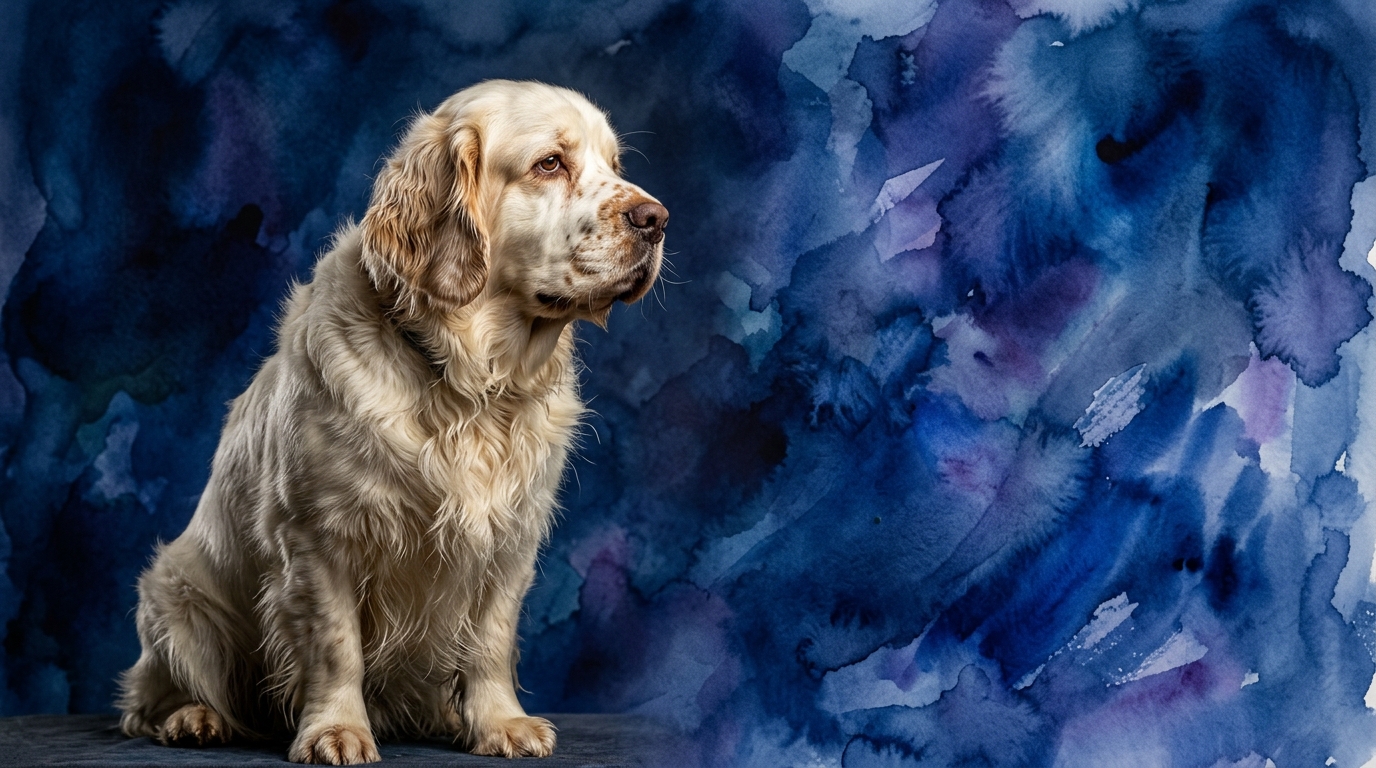
Side-by-side IQ Profile: German Shepherd vs. Clumber Spaniel
The German Shepherd, a Herding breed, registers an impressive Coren rank of #3, indicating a profound capacity for work and learning. Its IQ profile showcases a perfect 5/5 across all five dimensions: Problem Solving, Training Speed, Social Intelligence, Instinctive Drive, and Memory. This means a German Shepherd readily analyzes complex situations, deduces solutions with efficiency, absorbs new commands and behaviors in very few repetitions, interprets human cues and intentions with remarkable accuracy, possesses a powerful innate drive to work and protect, and retains vast amounts of information and learned sequences over time.
For example, their problem-solving prowess allows them to navigate intricate search and rescue scenarios by assessing environmental factors and making decisions, while their training speed enables rapid acquisition of advanced obedience or protection protocols with minimal repetition. Their social intelligence is evident in their ability to anticipate handler needs and respond to subtle body language, and their robust memory allows for consistent performance of multi-stage tasks over extended periods, even after long breaks.
In contrast, the Clumber Spaniel, a Sporting breed, holds a Coren rank of #55. While still a capable dog, its IQ profile presents a more moderate score of 3/5 across the board: Problem Solving, Training Speed, Social Intelligence, Instinctive Drive, and Memory. A Clumber Spaniel approaches problems with practical, rather than abstract, solutions, requiring more guidance to navigate novel challenges. Their training speed is steady but necessitates more repetitions and patience compared to a German Shepherd.
Socially, they are responsive and affectionate, but might not interpret subtle human nuances with the same depth, often relying on clear commands. Their instinctive drive is strong, primarily focused on scent-driven work and retrieving with an impressive stamina, and their memory is reliable for learned routines and specific tasks, though perhaps not for recalling complex, abstract sequences or adapting readily to significant changes in routine. For instance, a Clumber will methodically follow a scent trail for hours, a testament to their focused instinctive drive, but might take longer to master an intricate agility course requiring numerous novel moves and rapid sequencing than a German Shepherd.
Where the German Shepherd Excels Cognitively
The German Shepherd's cognitive strengths lie in its exceptional adaptability and capacity for complex, multi-faceted tasks. Their 5/5 problem-solving ability allows them to excel in roles demanding critical thinking under pressure, such as detecting specific scents in varied environments, tracking individuals through diverse terrains, or executing intricate protection scenarios that require assessing threats and responding proportionately. This isn't just about following commands; it's about understanding the objective and making informed choices to achieve it.
Their perfect scores in social intelligence and instinctive drive combine to create a highly engaged and purposeful canine partner. A German Shepherd doesn't merely perform a trick; they often understand the 'why' behind the command, interpreting human intent with remarkable precision. This allows them to anticipate actions, respond to unspoken cues, and maintain a high level of engagement even in distracting environments. Their powerful innate drive means they are purpose-driven, seeking to fulfill a role, which makes them particularly adept at learning and applying complex protocols in service work, competitive obedience, or military and police applications.
Furthermore, their 5/5 memory allows them to retain vast repertoires of commands, sequences, and environmental cues. This means once a German Shepherd learns a task, they are likely to remember it for a lifetime, making them incredibly reliable for long-term specialized work. They can store and retrieve information about people, places, and past experiences, building a comprehensive understanding of their world that informs their future actions and decision-making.
Where the Clumber Spaniel Shines Cognitively
While the German Shepherd excels in broad, adaptive intelligence, the Clumber Spaniel's cognitive strength is rooted in its specialized, persistent, and methodical approach, particularly in tasks related to its sporting heritage. Their 3/5 problem-solving is practical and persistent; they might not devise novel solutions to abstract puzzles as quickly, but they will methodically work through a physical challenge, especially if it involves scent or retrieving, often using their robust build and determination to achieve their goal.
The Clumber's instinctive drive, while rated 3/5, is profoundly focused when it comes to scent work. They possess an unwavering dedication to following a trail, demonstrating exceptional endurance and concentration in the field. This isn't a drive for broad utility, but a deep-seated instinct for specific tasks. Their memory, also 3/5, is reliable for routines and specific learned tasks, ensuring consistency in their work. They will remember the layout of a familiar hunting ground or the specific commands associated with their retrieving duties, performing them with steady commitment.
Their social intelligence, at 3/5, manifests as a calm, affectionate responsiveness rather than a keen interpretation of subtle human emotions. They form strong bonds with their families and are eager to please in a straightforward manner, responding well to clear, consistent communication. This makes them steadfast companions who bring a quiet, dependable presence to a home. Their cognitive strengths are less about rapid adaptation to novel, complex situations and more about sustained, focused effort within their established roles and routines.
Training Dynamics: German Shepherd vs. Clumber Spaniel
When considering ease of training, the German Shepherd's 5/5 training speed and memory give it a distinct advantage in rapid skill acquisition. They absorb new commands and behaviors in very few repetitions, often needing only a handful of sessions to master a new concept. This speed, coupled with their high social intelligence, means they are eager to engage and respond to their handler's cues, thriving on structured learning and mental challenges. However, their high instinctive drive means training isn't optional; it's a necessity to channel their energy and purpose effectively, preventing boredom or destructive behaviors.
Training a German Shepherd requires consistency, clarity, and the provision of a 'job' to satisfy their innate desire for purpose. They respond best to an authoritative yet fair handler who can provide clear direction and continuous mental stimulation. Their deep memory ensures that once a command is learned, it's rarely forgotten, making advanced training and maintaining a vast repertoire of skills relatively straightforward.
The Clumber Spaniel, with its 3/5 training speed and memory, requires a more patient and methodical approach. They learn steadily, but often need more repetitions over longer periods to solidify new behaviors. Their more independent nature, a trait developed from their field work where they often operate at a distance from the handler, means they might not always be as intensely focused on pleasing as a German Shepherd. However, they are not stubborn; they simply process information at a different pace and respond best to positive reinforcement and shorter, engaging training sessions that tap into their natural inclinations.
Effective training for a Clumber Spaniel leverages their strong instinctive drive for scent work and retrieving. Incorporating these elements into training, such as using scent games to teach recall or stay, can be highly motivating. Their reliable memory for routines means once a behavior is established through consistent practice, it becomes a dependable part of their repertoire. Owners should approach training with a calm demeanor, using encouraging tones and rewarding successes to build confidence and reinforce learning.
Lifestyle Match: Active vs. Relaxed Owners
The German Shepherd is a breed best suited for active, experienced owners who can meet their substantial physical and mental demands. Their high energy levels, powerful instinctive drive, and need for constant mental engagement (all 5/5) mean they require significant daily exercise, often including vigorous activities like running, hiking, or dog sports. Beyond physical exertion, they thrive on mental challenges such as advanced obedience, protection work, agility, or scent detection. An owner who can provide consistent training, a clear sense of purpose, and ample opportunities for problem-solving will find a German Shepherd to be an incredibly rewarding and engaged partner. Without sufficient outlets for their energy and intellect, they can become anxious or destructive.
In contrast, the Clumber Spaniel typically suits more relaxed owners, though they still require regular, moderate exercise to maintain their health and happiness. Their energy levels are lower than a German Shepherd's, and while they enjoy walks, scent games, and outdoor exploration, they do not demand the same intensity or duration of activity. They are content with a consistent routine that includes daily strolls and opportunities to explore with their nose. Their moderate instinctive drive and social intelligence make them less demanding in terms of constant 'work' or mental stimulation, preferring companionship and a calm home environment.
Clumber Spaniels are generally more adaptable to various living situations, provided they receive their regular exercise and affection. They make wonderful companions for individuals or families seeking a steadfast, affectionate presence that doesn't require an extreme commitment to high-octane activities. Their independent streak in the field translates to a calm, self-possessed demeanor at home, making them a good fit for those who appreciate a less 'needy' but still deeply connected canine friend.
The Verdict
Choose a German Shepherd if you seek a highly capable, engaged partner for advanced training, work, or an active lifestyle, and are ready to invest significant time in their mental and physical stimulation.
Choose a Clumber Spaniel if you appreciate a steadfast, affectionate companion with a moderate activity level, suitable for a more relaxed home environment, but still enjoying outdoor adventures and consistent routines.
🧠 Find Your Pet's IQ Score
Our Pet IQ Lab assessment covers 25+ tests across 5 cognitive dimensions — personalized to your breed.
Take the Full IQ Test →Frequently Asked Questions
Do Clumber Spaniels need a lot of mental stimulation?
While not as demanding as a German Shepherd, Clumber Spaniels benefit from regular mental engagement. Scent games, puzzle toys, and consistent, positive reinforcement training sessions help keep their minds active and prevent boredom, channeling their natural sporting instincts effectively.
Can a German Shepherd adapt to apartment living?
A German Shepherd *can* adapt to apartment living, but it requires an exceptionally dedicated owner. They need extensive daily exercise, rigorous mental challenges, and frequent outdoor activities to thrive, as their strong drive and energy are not diminished by living in a smaller space and must be managed diligently.
Are Clumber Spaniels good with children?
Clumber Spaniels are generally known for their gentle and patient temperament, making them suitable companions for children. Their sturdy build and calm disposition mean they can tolerate typical child play well, though supervision is always recommended to ensure respectful interactions from both dog and child.