A Side-by-Side Look at Cognitive Profiles
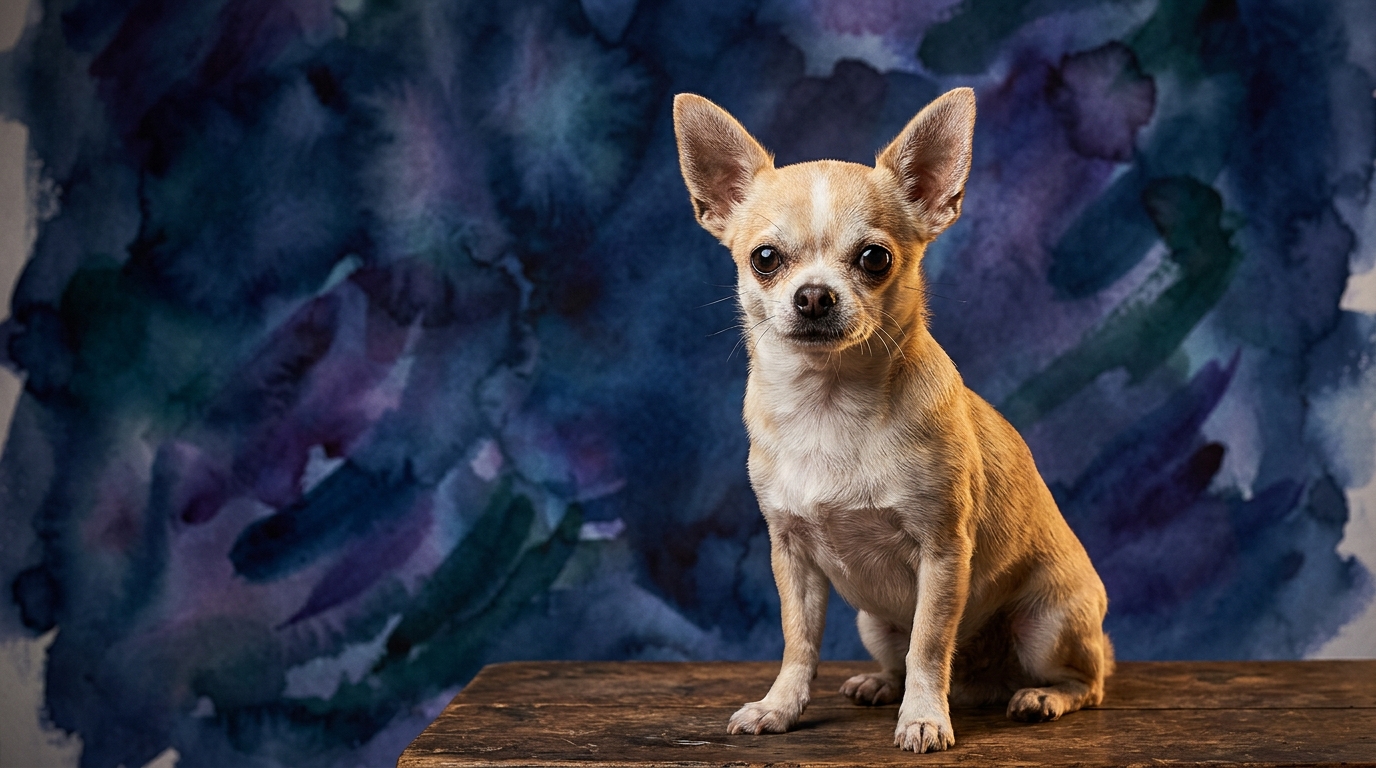
The Cosmic Pet Pet IQ Lab employs a five-dimensional framework to assess canine cognition, providing a nuanced view beyond a single 'intelligence' score. For the Chihuahua, ranked #67 by Coren, its profile shows a Problem Solving score of 3/5, indicating an average capacity to navigate novel challenges. Training Speed also sits at 3/5, suggesting it learns new commands at a moderate pace. Its Social Intelligence, however, shines at 4/5, reflecting a keen ability to interpret human cues and bond closely. Instinctive Drive is 3/5, a general score for a breed not primarily bred for intense specialized tasks, while its Memory is robust at 4/5, meaning it retains learned information and experiences well.
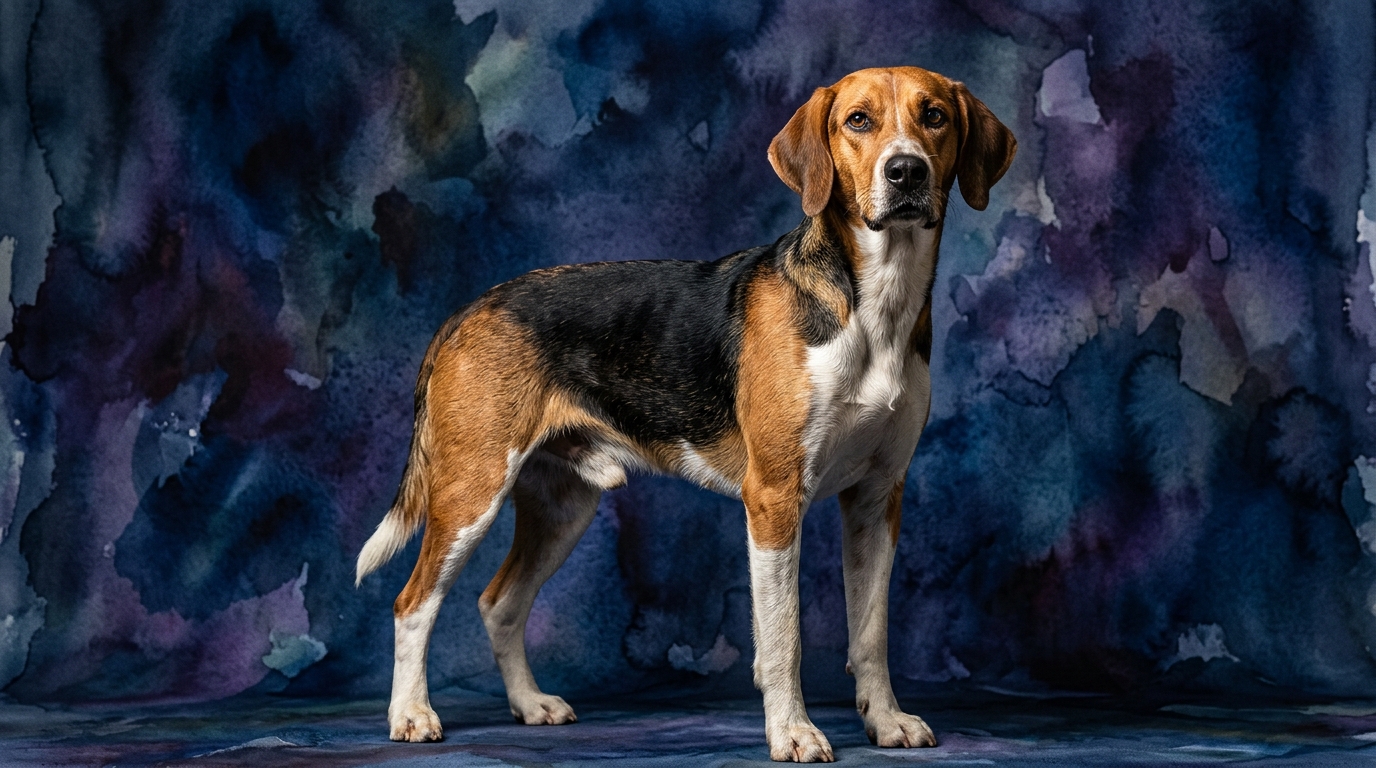
In contrast, the English Foxhound, though not Coren-ranked, presents a profile more aligned with its historical working role. Its Problem Solving is 3/5, on par with the Chihuahua, showing a similar baseline for tackling new situations. Training Speed is also 3/5, suggesting it too learns at a moderate rate, though the *nature* of what it learns might differ. Its Social Intelligence is 3/5, indicating a solid but perhaps less intensely focused connection with humans compared to the Chihuahua. Crucially, its Instinctive Drive is 3/5, which for a Foxhound specifically points to its strong, inherent drive for scent work and trailing. Memory for the English Foxhound is 3/5, a respectable capacity for retaining information pertinent to its tasks and environment.
Where the Chihuahua Excels Cognitively
The Chihuahua's cognitive strengths primarily lie in its exceptional social intelligence and impressive memory. With a social intelligence score of 4/5, compared to the Foxhound's 3/5, Chihuahuas exhibit a superior capacity for reading human emotions, understanding subtle gestures, and forming deep, intuitive bonds. This often translates into a dog that is highly attuned to its owner's mood and desires, making it a perceptive companion. They excel in environments where close human interaction and communication are paramount, often anticipating needs or reacting appropriately to emotional shifts.
Furthermore, the Chihuahua's memory score of 4/5, against the Foxhound's 3/5, gives it an edge in retaining complex routines, past experiences, and learned associations. This strong memory contributes to their ability to remember household rules, specific training cues over long periods, and even the nuances of social interactions within a family unit. For an owner, this means a Chihuahua is likely to remember where toys are stored, who gives the best treats, and which behaviors lead to desired outcomes, making for a consistent and predictable companion once routines are established.
Where the English Foxhound Exhibits Unique Cognitive Strengths
While the English Foxhound's raw scores might appear similar or slightly lower in some categories compared to the Chihuahua, its cognitive strengths are deeply specialized and rooted in its ancestral purpose. Its instinctive drive, rated 3/5, is a testament to its highly developed olfactory intelligence and relentless pursuit drive. For a Foxhound, this isn't just a general drive; it's a finely tuned cognitive apparatus dedicated to scent discrimination, tracking, and endurance. They possess an unparalleled ability to follow complex scent trails, ignore distractions, and work independently over vast distances, a cognitive feat that requires immense focus and problem-solving within its specific domain.
This specialized instinct means the Foxhound excels in tasks requiring sustained concentration on a sensory input and the mental stamina to follow through. While a Chihuahua might solve a puzzle for a treat in a living room, a Foxhound's cognitive 'win' is its capacity to mentally map a landscape based solely on scent, interpret subtle changes in air currents, and maintain a consistent trajectory for hours. This specialized cognitive function, though rated 3/5, represents a peak performance within its breed-specific context, showcasing a different kind of operational intellect.
Training Dynamics: Chihuahua vs. English Foxhound
Both breeds share a Training Speed score of 3/5, suggesting a moderate pace of learning new commands. However, the practicalities of training diverge significantly due to their differing social intelligence and instinctive drives. The Chihuahua's higher social intelligence (4/5) often makes it more eager to please and more receptive to human-centric motivation like praise and affection. Their strong memory (4/5) aids in retaining learned behaviors, and their smaller stature means they are easier to physically manage during training sessions. While they can be stubborn, their deep desire for companionship often translates into a willingness to engage in cooperative learning.
The English Foxhound, with a social intelligence of 3/5 and a potent instinctive drive (3/5 specifically for scenting), presents a different training challenge. While capable of learning, their primary motivation often isn't human approval but the pursuit of scent. Their independent nature, honed over centuries of working without constant human direction, means they can be less inclined to defer to human commands when a compelling scent trail is present. Training a Foxhound requires immense patience, consistency, and often, methods that tap into their natural drive rather than trying to suppress it. Their endurance and focused attention on scent can make recall particularly challenging in distracting environments.
Suitability for Active vs. Relaxed Lifestyles
The Chihuahua, despite its vivacious personality, is generally better suited for more relaxed or moderately active owners. Their small size means that indoor play, short walks, and mental enrichment through puzzle toys can often meet their exercise needs. While they enjoy activity, they are not built for sustained, high-intensity outdoor pursuits. Their preference for close companionship aligns well with owners who enjoy quiet evenings, lap time, and indoor activities that foster a strong bond. Their robust memory and social intelligence make them excellent companions for those who appreciate a perceptive and responsive presence without demanding extensive physical exertion.
Conversely, the English Foxhound is unequivocally a breed for active owners. Bred for endurance and the relentless pursuit of scent over miles of varied terrain, they possess an incredible stamina and a deep-seated need for vigorous exercise. A relaxed owner who cannot provide daily, extensive opportunities for running, long walks, or scent work will find a Foxhound quickly becomes restless and potentially destructive. Their cognitive design is optimized for sustained physical and mental engagement outdoors, making them ideal for hikers, runners, or those involved in canine sports like tracking and field trials. They thrive when their instinctive drive is given a productive outlet.
The Verdict
Choose a Chihuahua if you seek a highly perceptive, deeply bonded companion who thrives on close interaction and can be fulfilled with moderate indoor activity and mental stimulation.
Opt for an English Foxhound if you lead an exceptionally active lifestyle, can provide extensive daily exercise, and appreciate a dog whose specialized cognitive drive for scent work requires dedicated outdoor engagement.
🧠 Find Your Pet's IQ Score
Our Pet IQ Lab assessment covers 25+ tests across 5 cognitive dimensions — personalized to your breed.
Take the Full IQ Test →Frequently Asked Questions
Do Chihuahuas learn tricks easily?
Chihuahuas have a training speed of 3/5 and a strong memory (4/5), meaning they are quite capable of learning tricks. Their high social intelligence also makes them responsive to human guidance, making trick training a rewarding experience with consistent positive reinforcement.
Are English Foxhounds good family pets despite their hunting instincts?
English Foxhounds can be good family pets, especially with active families who understand their need for extensive exercise and mental stimulation related to their instinctive drive. Their social intelligence (3/5) means they form bonds, but their independent nature and strong scent drive require consistent training and management to ensure they are well-behaved around children and other pets.
Which breed is better at problem-solving?
Both the Chihuahua and the English Foxhound score 3/5 in problem-solving, indicating an average capacity for navigating novel challenges. While the Chihuahua might excel at household puzzles, the Foxhound's problem-solving is often applied to complex scent trails and environmental navigation during pursuit.