Side-by-Side Cognitive Profiles
The Cosmic Pet Pet IQ Lab provides a multi-dimensional view of canine intelligence, moving beyond simple obedience to encompass various facets of a dog's mental landscape. For the Chihuahua and German Pinscher, we examine problem solving, training speed, social intelligence, instinctive drive, and memory, offering a granular look at their cognitive strengths and tendencies.
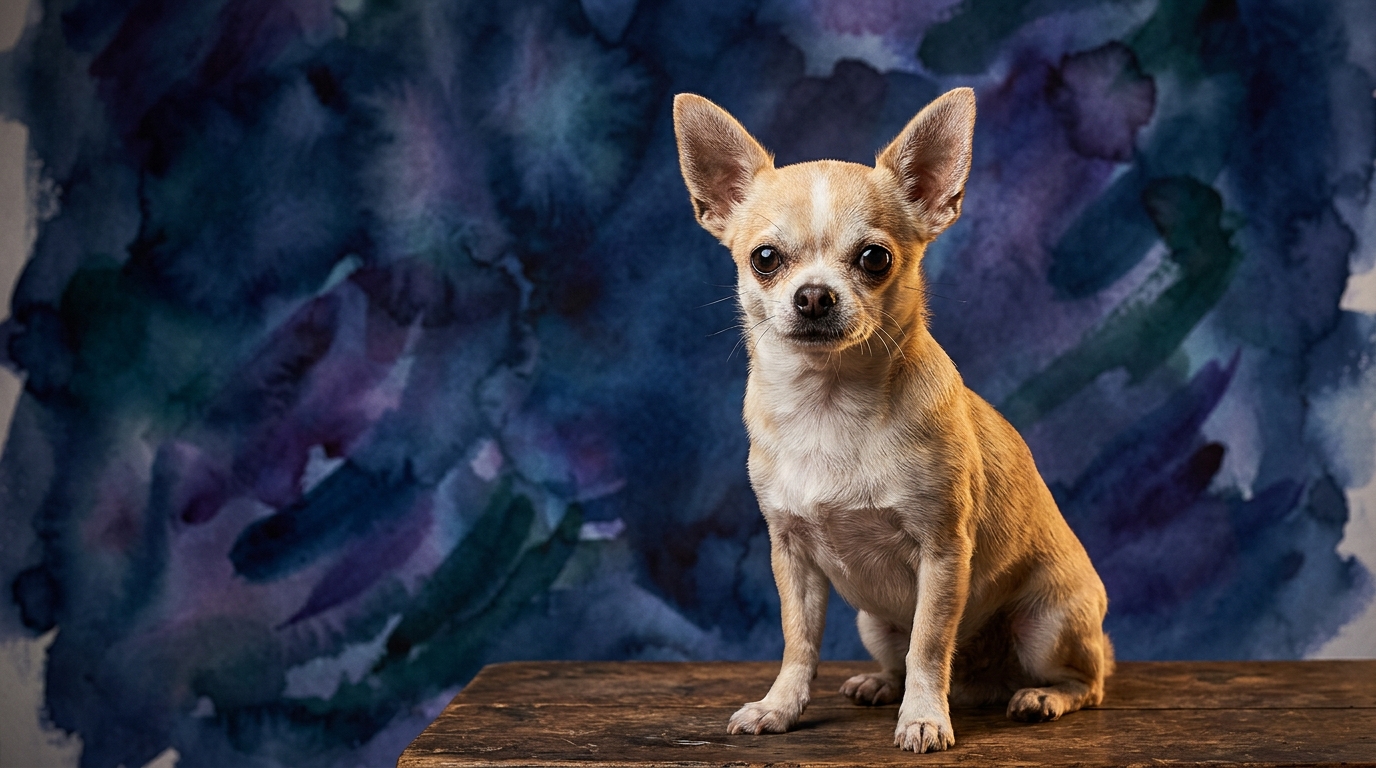
The Chihuahua, a Toy group dog, exhibits a moderate Problem Solving score of 3/5, indicating an average capacity for navigating simple environmental challenges or figuring out how to obtain desired objects. Their Training Speed also stands at 3/5, suggesting they learn new commands and routines at an average pace. With consistent, positive reinforcement and clear cues, they can effectively master a range of behaviors, though complex sequences may require more repetition.
Where Chihuahuas truly shine is in their Social Intelligence, scoring an impressive 4/5. They excel at reading human emotions and adapting their behavior accordingly, forming deep, often singular bonds and demonstrating profound sensitivity to their primary human's moods and subtle social cues. Their Instinctive Drive is moderate at 3/5, typically manifesting as alert barking, occasional chasing of small, fast-moving objects, or a desire to burrow. Finally, their Memory is commendable at 4/5, allowing them to recall commands and past interactions over extended periods, contributing significantly to their ability to maintain stable relationships and navigate familiar environments.
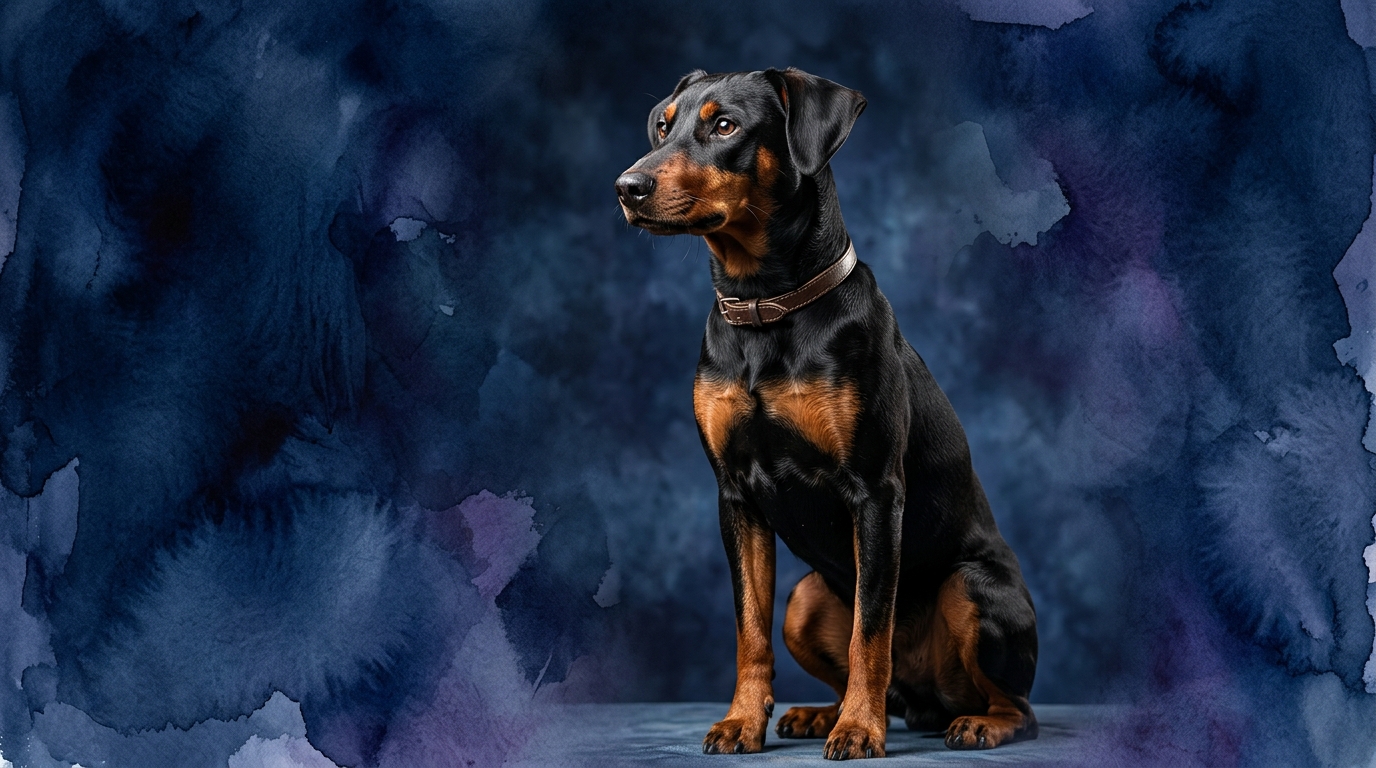
The German Pinscher, a Working group dog, also records a Problem Solving score of 3/5. They show a moderate aptitude for problem-solving, approaching challenges with a degree of focused determination and are capable of figuring out practical environmental puzzles, such as opening latches or retrieving hidden items. Their Training Speed, like the Chihuahua, is 3/5, requiring consistent and clear instruction to learn new behaviors; they respond well to reward-based methods and thrive when challenged with engaging, structured training sessions.
In Social Intelligence, the German Pinscher scores 3/5, possessing a solid level of understanding social hierarchies and responding to human cues, though often with a more independent demeanor. They appreciate companionship but may not seek to constantly adapt to every emotional nuance of their human. Their Instinctive Drive is also moderate at 3/5, often manifesting as strong vigilance, a moderate prey drive for small vermin, or a protective instinct towards their home and family, requiring appropriate outlets and consistent guidance. Their Memory stands at 3/5, a good working memory that allows them to retain learned commands and recall past experiences reliably, supporting their ability to master and perform a variety of tasks.
Where the Chihuahua Wins Cognitively
Chihuahuas distinctly excel in social intelligence and memory, scoring a 4/5 in both categories where the German Pinscher scores 3/5. This higher social intelligence means a Chihuahua is often more adept at discerning human emotional states, reacting to subtle shifts in tone or body language, and adapting their behavior to maintain harmony within their primary human relationship. They are highly attuned to their owners' moods, often anticipating needs or offering comfort without explicit instruction.
Their superior memory complements this, allowing them to recall specific interactions, remember preferences, and reinforce learned social responses over time. This makes them particularly skilled at forming deep, intuitive bonds and navigating complex household dynamics with a nuanced understanding of their place within the family unit. This cognitive strength translates into a companion that feels incredibly connected and responsive on an emotional level, remembering who offers the best cuddles or the quickest treat.
Where the German Pinscher Excels Cognitively
The German Pinscher, while sharing some cognitive scores with the Chihuahua, exhibits its own unique strengths, particularly in the application of its moderate problem-solving and instinctive drive in a more independent, task-oriented manner. While both breeds score 3/5 in problem-solving, the German Pinscher's historical role as a ratting and guard dog suggests its cognitive efforts are often directed towards practical environmental challenges.
They might more readily engage in figuring out how to secure a perimeter, investigate unusual noises, or outsmart a small critter. Their instinctive drive, also at 3/5, is typically channeled into alert guarding behaviors and a persistent, focused determination when investigating novel stimuli, a characteristic that requires a specific type of cognitive engagement. This translates to a dog that is often vigilant and capable of making proactive judgments in its environment, rather than solely relying on human cues for direction.
Training Aptitude: Chihuahua vs. German Pinscher
Based on the Cosmic Pet IQ Lab metrics, both the Chihuahua and the German Pinscher share a 'Training Speed' score of 3/5, indicating an average pace for learning. However, the perceived *ease* of training can be influenced by other cognitive factors and breed-specific behavioral tendencies. The Chihuahua's higher social intelligence (4/5) and memory (4/5) can contribute to a more fluid training experience. Their strong desire for close interaction and their ability to quickly associate commands with rewards, coupled with remembering those associations over time, can make foundational obedience relatively straightforward.
Conversely, while the German Pinscher also scores 3/5 in training speed, their slightly lower social intelligence (3/5) and a more independent nature might require a different training approach. They are capable of learning, but their motivation might stem more from a desire for mental engagement or a clear understanding of the 'job' rather than solely pleasing their handler. Their moderate instinctive drive, often expressed as vigilance or a prey drive, might require more consistent and focused redirection during training to maintain attention.
While both breeds benefit from positive reinforcement, the German Pinscher might require more structure and a trainer who understands how to channel their inherent alertness and independent spirit into cooperative behaviors, rather than relying as heavily on emotional connection as a primary motivator. Therefore, while both learn at a similar pace, the Chihuahua's social attunement might make the *process* feel more responsive for the average pet owner.
Matching Breeds to Lifestyles: Active vs. Relaxed Owners
The choice between a Chihuahua and a German Pinscher based on owner activity levels reveals distinct suitability. Chihuahuas, despite their small stature, possess a moderate energy level that can be satisfied with regular walks, indoor play, and mental stimulation through training or puzzle toys. Their strong social intelligence and memory mean they thrive on consistent interaction and companionship, making them excellent partners for relaxed owners who enjoy quiet evenings at home but are still committed to daily engagement.
They are content with being lap dogs for extended periods, as long as their basic needs for exercise and mental stimulation are met. They are particularly well-suited for owners who appreciate a constant, emotionally responsive companion and can dedicate time to reinforcing social bonds. Their cognitive makeup allows them to slot seamlessly into a home where emotional connection is paramount.
The German Pinscher, on the other hand, is a more robust and energetic breed, despite sharing similar scores in problem-solving and instinctive drive. Their working heritage imbues them with a need for purposeful activity and mental challenges that go beyond mere companionship. They require more substantial physical exercise, such as brisk walks, runs, or engaging in dog sports like agility or obedience trials.
Their independent streak and moderate instinctive drive mean they benefit from owners who can provide consistent structure, training, and outlets for their natural vigilance and curiosity. Therefore, German Pinschers are better suited for active owners who enjoy outdoor adventures, can commit to extensive daily exercise, and are prepared to engage their dog's mind with stimulating activities. They thrive with handlers who can provide a clear leadership role and channel their energy into productive tasks.
The Verdict
Opt for a Chihuahua if you seek a highly attuned, emotionally responsive companion who excels at forming deep social bonds and thrives on consistent, affectionate interaction within a relaxed home environment.
Select a German Pinscher if you are an active individual or family prepared to provide abundant physical exercise, consistent mental challenges, and structured training for a vigilant, independent, and energetic companion.
🧠 Find Your Pet's IQ Score
Our Pet IQ Lab assessment covers 25+ tests across 5 cognitive dimensions — personalized to your breed.
Take the Full IQ Test →Frequently Asked Questions
Are Chihuahuas difficult to train due to their small size?
While Chihuahuas have an average training speed, their high social intelligence and memory make them quite capable learners. Consistency, positive reinforcement, and early socialization are key to successful training, just as with any breed, regardless of size.
Do German Pinschers require more mental stimulation than Chihuahuas?
Both breeds benefit from mental stimulation, but German Pinschers, with their working heritage and independent nature, often require more structured and purposeful mental challenges. This could include advanced obedience, puzzle toys, or engaging in dog sports to keep their minds occupied.
How does Coren ranking relate to the Cosmic Pet IQ Lab scores?
Stanley Coren's ranking primarily assesses 'working and obedience intelligence,' focusing on training speed and understanding of commands. The Cosmic Pet IQ Lab offers a broader, multi-dimensional view of intelligence, including social intelligence, instinctive drive, and memory, providing a more nuanced cognitive profile beyond just obedience.