Side-by-Side IQ Profile: Unpacking Cognitive Dimensions
The Cosmic Pet Pet IQ Lab employs a comprehensive framework to assess canine cognition, evaluating five key dimensions: Problem Solving, Training Speed, Social Intelligence, Instinctive Drive, and Memory. By examining these metrics for both the Chihuahua and the Havanese, we gain a nuanced understanding of their individual capacities.
For Problem Solving, both the Chihuahua and the Havanese score 3 out of 5. This indicates a comparable aptitude for navigating novel situations, figuring out how to access a treat, or overcoming simple environmental obstacles. Neither breed exhibits a pronounced advantage in independently devising complex solutions, suggesting they learn best through guided exploration rather than self-discovery of intricate strategies.
In terms of Training Speed, both breeds also register a 3 out of 5. This score suggests a moderate pace for acquiring new commands or routines. Owners can expect a consistent learning curve, but neither breed is a rapid-fire learner, requiring patience and clear, repetitive instruction to solidify new behaviors. Their capacity to pick up cues is steady rather than instantaneous.
Social Intelligence presents a notable divergence: the Chihuahua scores 4 out of 5, while the Havanese achieves an impressive 5 out of 5. The Chihuahua demonstrates a strong ability to interpret human body language and vocalizations, often forming deep bonds and understanding family dynamics. The Havanese, however, excels in this area, showing an exceptional capacity to read and respond to human emotions, seeking interaction, and adapting their behavior to social cues with remarkable sensitivity. This higher score suggests a profound attunement to their human companions' states.
Instinctive Drive also shows a difference: the Chihuahua scores 3 out of 5, compared to the Havanese's 2 out of 5. The Chihuahua's score indicates a moderate level of inherent drives, such as alertness, territoriality, or a propensity for chasing small movements. This can manifest as being watchful of their environment or having a distinct personality that is not solely focused on human interaction. The Havanese, with a lower score, exhibits less innate drive towards independent activities or alert behaviors, tending to be less prone to chasing or exhibiting strong territorial instincts, and instead preferring direct engagement.
Finally, Memory provides another point of distinction: the Chihuahua scores 4 out of 5, while the Havanese scores 3 out of 5. A Chihuahua's higher memory score means they are more likely to retain learned commands, remember specific people or places over time, and recall past experiences with greater clarity. This can be beneficial for long-term training retention and establishing consistent routines. The Havanese, while capable of remembering, may require more frequent refreshers or less time between training sessions to solidify information.
Where the Chihuahua Wins Cognitively
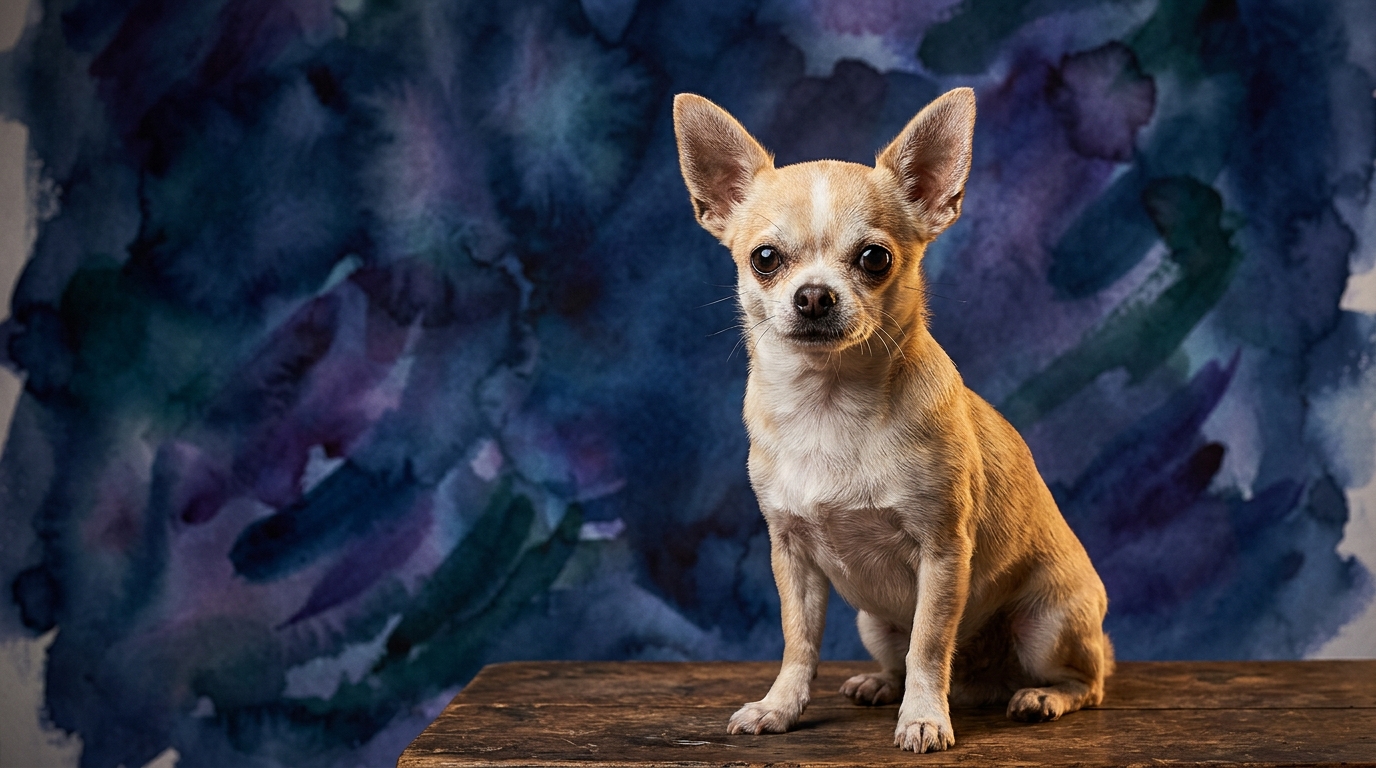
The Chihuahua's cognitive profile reveals distinct strengths, particularly in the domain of memory and a slightly elevated instinctive drive. With a Memory score of 4/5, Chihuahuas exhibit a superior capacity for information retention compared to the Havanese. This means they are more likely to remember training cues, household rules, and even the specific routines of their human companions with greater accuracy and over longer periods. An owner might observe their Chihuahua recalling a 'sit' command perfectly after weeks without practice, or remembering the exact spot where a favorite toy was last seen. This cognitive advantage contributes to their ability to maintain consistency in behavior and navigate familiar environments with confidence built on past experiences.
Furthermore, the Chihuahua's Instinctive Drive score of 3/5, higher than the Havanese's 2/5, suggests a more pronounced inherent alertness and observational capacity. This isn't about aggression, but rather a keen awareness of their surroundings. Chihuahuas often act as vigilant, albeit tiny, watchdogs, noticing changes in their environment, unfamiliar sounds, or the arrival of visitors. This drive contributes to their distinctive, sometimes feisty, personalities and their ability to quickly respond to external stimuli. Their keen memory often works in tandem with this drive, allowing them to remember what constitutes a 'normal' household sound versus an unusual one, contributing to their role as alert companions.
Where the Havanese Wins Cognitively
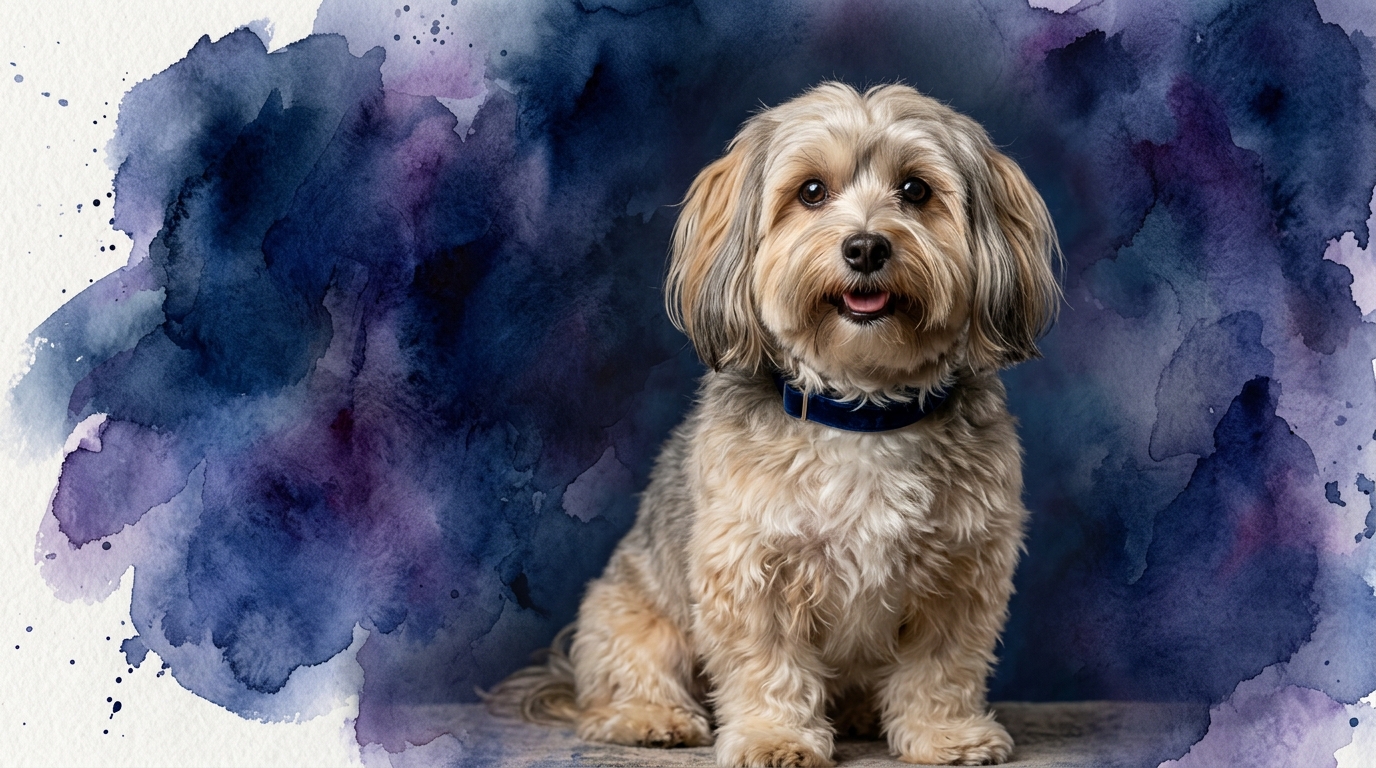
The Havanese truly shines in the realm of Social Intelligence, achieving a perfect score of 5 out of 5, a full point higher than the Chihuahua. This exceptional cognitive ability allows Havanese to deeply understand and respond to human emotions and social cues. They are remarkably adept at reading facial expressions, body language, and vocal tones, often adjusting their own behavior to match the mood of their human companions. For instance, a Havanese might instinctively offer comfort when their owner is upset or engage in playful antics when sensing a desire for interaction. This profound social attunement makes them incredibly responsive and intuitive companions, fostering exceptionally strong, empathetic bonds.
This superior social intelligence also translates into a unique adaptability within social settings. A Havanese is often more comfortable and graceful in new social situations, quickly assessing the dynamics and integrating themselves with ease, whether it's meeting new people or interacting with other animals. Their intrinsic desire to connect and their ability to interpret social signals effectively minimize misunderstandings and promote harmonious interactions. This cognitive strength makes them naturally inclined to seek and thrive on companionship, making every interaction a rich, communicative experience.
Which is Easier to Train and Why
While both breeds share an identical Training Speed score of 3/5, suggesting a similar rate for learning new commands, their differing strengths in Social Intelligence and Memory can influence the *perception* and *application* of training. The Havanese, with its superior Social Intelligence (5/5), often appears easier to train in a relational context. Their strong desire to please and their acute sensitivity to human cues mean they are highly motivated by positive interaction and praise. They naturally seek to understand and comply with their owner's wishes, making them very cooperative students. This isn't necessarily about learning a command faster, but rather about a greater willingness to engage and respond to the trainer's intentions, often anticipating what is desired.
Conversely, the Chihuahua's 4/5 Memory score provides a tangible advantage in retention. While they may not be as inherently eager to please as the Havanese, once a command is learned, a Chihuahua is more likely to remember it consistently over time, even with less frequent reinforcement. Their training might initially require more focused motivation and patience due to their slightly less social drive, but the learned behaviors tend to stick. Therefore, ease of training isn't just about initial speed; for the Havanese, it's about eager cooperation and social responsiveness, while for the Chihuahua, it's about lasting retention of learned information.
Which Suits Active Owners vs. Relaxed Owners
Understanding the cognitive profiles of Chihuahuas and Havanese offers valuable insight into which breed might better suit different owner lifestyles. For owners who identify as 'active,' not necessarily in terms of extreme physical exertion but rather in seeking an engaged, observant, and perhaps slightly independent companion, the Chihuahua presents a compelling choice. Their 3/5 Instinctive Drive means they possess a moderate level of inherent curiosity and alertness, making them suitable for owners who appreciate a dog with a distinct personality and a watchful presence. They are often content to observe their surroundings and participate in activities on their own terms, offering companionship without demanding constant, intense interaction. Their superior memory means they thrive on consistent routines and can confidently navigate environments they've learned, making them good partners for owners who enjoy predictable, structured daily life with moments of shared exploration.
In contrast, 'relaxed' owners, particularly those who prioritize deep emotional connection, constant interaction, and a highly responsive companion, might find the Havanese to be an ideal match. The Havanese's exceptional 5/5 Social Intelligence means they are profoundly attuned to human emotions and thrive on being an integral part of family life. Their lower 2/5 Instinctive Drive suggests they are less prone to independent pursuits like chasing or exploring far afield, preferring to be close to their people. This makes them excellent lap dogs and shadow companions, perfectly suited for individuals or families who are home often and enjoy a dog that actively participates in their social world, offering comfort and reciprocated affection with remarkable consistency. They are less about observing from a distance and more about direct, continuous engagement.
The Verdict: When to Choose Each
Choosing between a Chihuahua and a Havanese ultimately hinges on the specific cognitive traits that best align with an owner's lifestyle and desired companionship dynamic. Both are toy breeds, but their internal worlds offer distinct experiences.
The Chihuahua, with its strong memory and moderate instinctive drive, is an excellent choice for individuals or families who appreciate a keen, observant companion capable of remembering routines and forming lasting associations. They suit owners who value a small dog with a distinct, watchful personality that can be a loyal, if sometimes independent, presence in the home.
The Havanese, with its unparalleled social intelligence and lower instinctive drive, is ideal for those seeking a deeply connected, empathetic, and highly interactive companion. They thrive in environments rich with human interaction, making them perfect for owners who desire a constant, responsive shadow and a dog that excels at reading and mirroring their emotional state.
The Verdict
Choose a Chihuahua if you value a companion with excellent memory for routines and places, offering a watchful and distinct personality within your home.
Opt for a Havanese if you desire a deeply empathetic and highly interactive dog, one that excels at social connection and thrives on constant human companionship.
🧠 Find Your Pet's IQ Score
Our Pet IQ Lab assessment covers 25+ tests across 5 cognitive dimensions — personalized to your breed.
Take the Full IQ Test →Frequently Asked Questions
Do Chihuahuas and Havanese have similar problem-solving abilities?
Yes, both breeds score 3 out of 5 in Problem Solving, indicating they possess comparable capacities for navigating simple environmental challenges and figuring out basic puzzles. Neither breed shows a significant cognitive advantage over the other in this specific dimension, suggesting a similar approach to novel situations.
Which breed is more attuned to human emotions?
The Havanese is significantly more attuned to human emotions, scoring a perfect 5 out of 5 in Social Intelligence compared to the Chihuahua's 4 out of 5. This means Havanese are exceptionally skilled at interpreting and responding to human moods and social cues, fostering a deeper, more empathetic connection.
Is one breed easier to housetrain than the other?
While both breeds have a Training Speed of 3/5, the Havanese's higher social intelligence might make them more eager to please and therefore more cooperative during housetraining efforts. The Chihuahua's strong memory could aid retention of learned spots, but their slightly more independent nature might require more consistent motivation to overcome. Success depends more on owner consistency than inherent breed differences.