Side-by-side IQ Profile
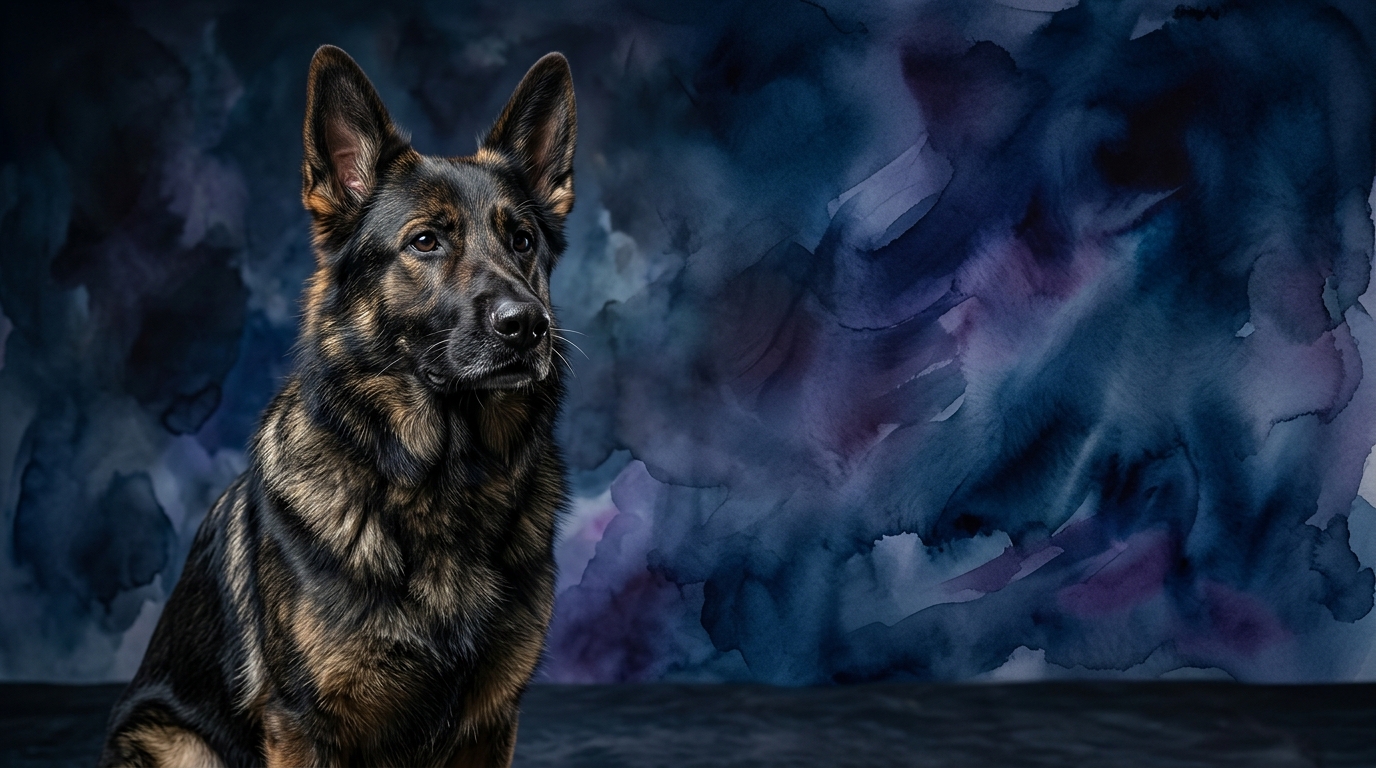
The German Shepherd (Coren Rank #3) consistently demonstrates a formidable cognitive toolkit. Their Problem Solving (5/5) score indicates an exceptional capacity to analyze novel situations and devise effective solutions, whether it's figuring out a complex puzzle toy or understanding multi-step commands. Training Speed (5/5) highlights their rapid acquisition of new behaviors and commands, often grasping concepts in very few repetitions, making them highly receptive to instruction. Social Intelligence (5/5) reflects their deep understanding of human cues, intentions, and social hierarchies, enabling profound partnerships. Their Instinctive Drive (5/5) is a powerful internal motivation, often manifesting as a strong desire to work, protect, or herd, which significantly influences their learning and behavior. Finally, a perfect Memory (5/5) means they retain learned information, commands, and experiences over long periods, contributing to their reliability and consistency.
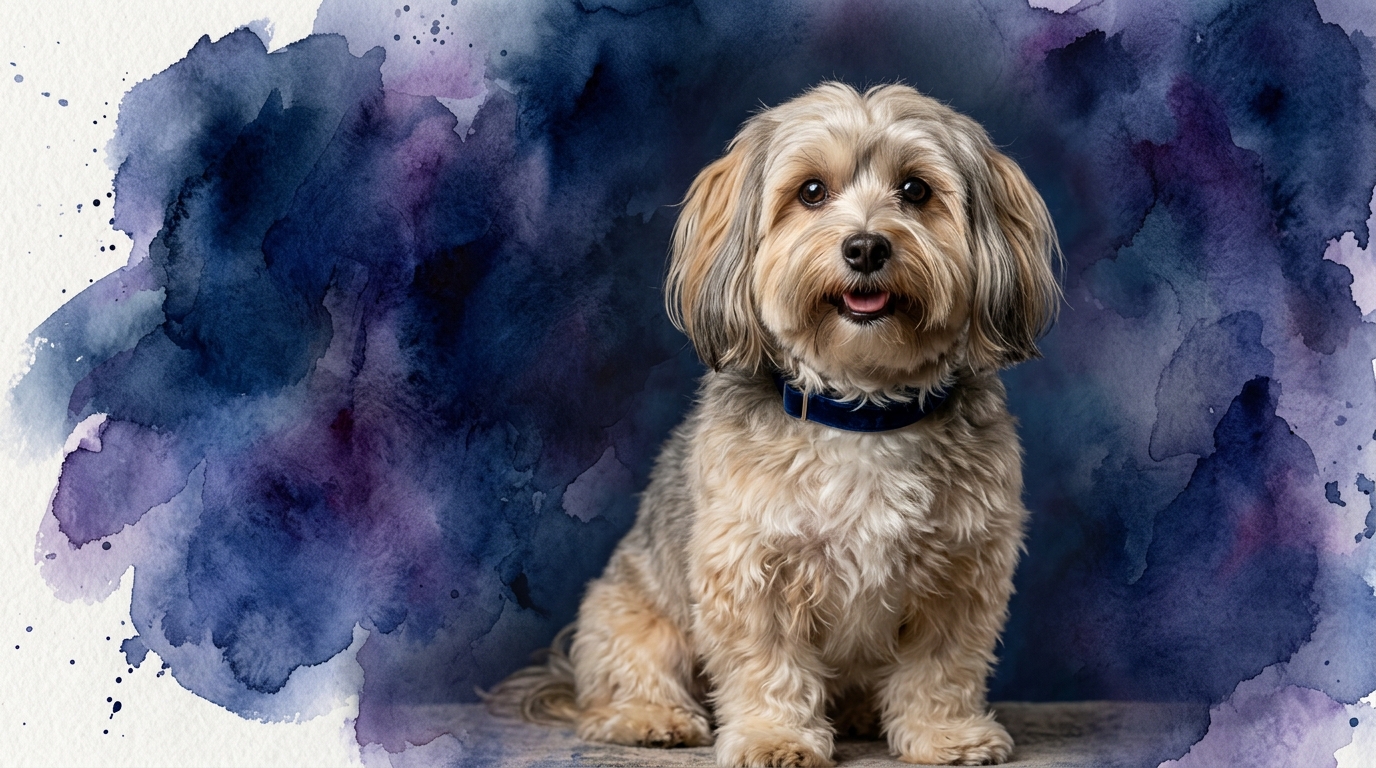
While their cognitive profile differs significantly from the German Shepherd, the Havanese (Not Coren-ranked) possesses its own set of valuable intellectual traits. Their Problem Solving (3/5) suggests a moderate ability to tackle new challenges; they can learn to navigate their environment and solve common household “problems” but may not excel at complex, abstract tasks. Training Speed (3/5) indicates they are trainable and capable of learning commands, though they may require more repetitions and patience compared to breeds with higher scores. The Havanese shines brightly in Social Intelligence (5/5), demonstrating an outstanding capacity to read human emotions, respond to social cues, and forge strong, empathetic bonds with their families, often intuitively understanding moods and desires. Their Instinctive Drive (2/5) is relatively low; they are not typically driven by strong working or predatory instincts, preferring companionship over task-oriented activities. Lastly, their Memory (3/5) allows them to recall basic commands and routines but might not be as robust for intricate sequences or long-term retention of less frequently reinforced information.
Where German Shepherd Wins Cognitively
The German Shepherd’s cognitive architecture is built for purpose and precision. Their exceptional Problem Solving (5/5) allows them to excel in roles requiring independent thought, such as detection work where they must interpret ambiguous scents and scenarios, or search and rescue where they navigate complex environments to locate targets. This isn't just about following orders; it's about processing sensory information and making critical decisions. Their perfect Training Speed (5/5) means they absorb complex obedience routines, protection work protocols, or agility sequences with remarkable efficiency, often anticipating the next step in a multi-part command. Coupled with their powerful Instinctive Drive (5/5), which provides an inherent motivation to engage in work-like activities, they possess an unparalleled ability to learn and apply intricate skills, making them ideal for demanding professional and competitive fields. Their Memory (5/5) ensures that these complex learned behaviors and vast vocabularies of commands are retained, enabling consistent performance even after periods of inactivity.
Where Havanese Wins Cognitively
While not designed for complex working roles, the Havanese excels in the nuanced world of social interaction. Their perfect Social Intelligence (5/5) score is their undisputed cognitive triumph, enabling them to form incredibly deep and intuitive connections with their human companions. This isn't merely about affection; it's a sophisticated ability to interpret subtle shifts in tone of voice, body language, and facial expressions, allowing them to adapt their behavior to suit the mood of their household. They often seem to “know” when comfort is needed or when it's time for play, demonstrating an empathetic awareness that goes beyond simple learned responses. This high social acumen makes them exceptional therapy dogs, naturally attuned to human emotional states and capable of providing profound comfort. Their lower Instinctive Drive (2/5), rather than a drawback, is a cognitive advantage for their role as companions, as it means they are less prone to independent working behaviors and more inclined to seek proximity and interaction, perfectly aligning their mental focus with companionship.
Which is Easier to Train and Why
Based on their cognitive profiles, the German Shepherd is demonstrably easier to train for a wide array of tasks, particularly those requiring precision, speed, and independent decision-making. Their Training Speed (5/5) means they typically learn new commands and behaviors in just a few repetitions, rapidly associating actions with consequences. This efficiency is bolstered by their exceptional Problem Solving (5/5), allowing them to figure out what is expected of them even with minimal guidance, and their strong Instinctive Drive (5/5), which provides a natural eagerness to engage in structured activities. For instance, teaching a German Shepherd a complex agility course or a multi-stage scent detection task often involves fewer sessions and less frustration for the trainer, as they quickly grasp sequences and apply learned concepts. In contrast, the Havanese, with a Training Speed (3/5) and Problem Solving (3/5), requires more patience and consistency. While perfectly capable of learning basic obedience, house-training, and tricks, they may take more repetitions to solidify behaviors. Their lower Instinctive Drive (2/5) means they might not possess the same inherent motivation for structured “work,” making positive reinforcement methods and keeping sessions fun and engaging even more critical to maintain their focus and enthusiasm.
Which Suits Active Owners vs Relaxed Owners
The German Shepherd’s cognitive profile aligns perfectly with active owners who enjoy structured activities and providing mental stimulation. Their high Instinctive Drive (5/5) demands an outlet, whether it’s advanced obedience, protection sports, agility, or scent work, and their Problem Solving (5/5) and Memory (5/5) thrive on complex challenges. Owners who enjoy teaching intricate commands, engaging in competitive dog sports, or even working them in practical applications will find the German Shepherd an unparalleled partner. They require consistent mental engagement to prevent boredom and channel their considerable intellect constructively. Conversely, the Havanese is an ideal match for more relaxed owners who prioritize companionship and gentle interaction over rigorous training or demanding activities. Their exceptional Social Intelligence (5/5) means they flourish in environments where they receive ample attention and are integrated into daily family life, often content to observe and participate in a less physically demanding way. While they still benefit from mental enrichment, their lower Instinctive Drive (2/5) and moderate Problem Solving (3/5) means they are satisfied with less intensive “work” and are more focused on being a loving, present companion, making them perfect for those seeking a devoted, adaptable lapdog.
The Verdict
Opt for a German Shepherd if you are an experienced, active owner seeking a highly trainable, driven partner for demanding tasks, advanced sports, or protective roles, and are prepared to provide consistent mental and physical challenges.
Select a Havanese if you desire a devoted, socially adept companion who thrives on close family interaction, offers intuitive emotional support, and requires a more relaxed approach to training and exercise.
🧠 Find Your Pet's IQ Score
Our Pet IQ Lab assessment covers 25+ tests across 5 cognitive dimensions — personalized to your breed.
Take the Full IQ Test →Frequently Asked Questions
Is a German Shepherd always "smarter" than a Havanese?
Not universally; their intelligence manifests differently. German Shepherds excel in problem-solving and task-oriented learning, while Havanese shine in social and emotional understanding, demonstrating different forms of cognitive strength.
Can a Havanese be trained for complex tasks?
While Havanese can learn a variety of tricks and obedience commands, their moderate problem-solving and training speed mean they may not achieve the same complexity or speed of acquisition as a German Shepherd for highly demanding tasks.
How does instinctive drive affect daily life for these breeds?
The German Shepherd's high instinctive drive means they often seek purpose and require structured activities to prevent boredom, while the Havanese's low drive makes them more content with companionship and less prone to independent, task-seeking behaviors.