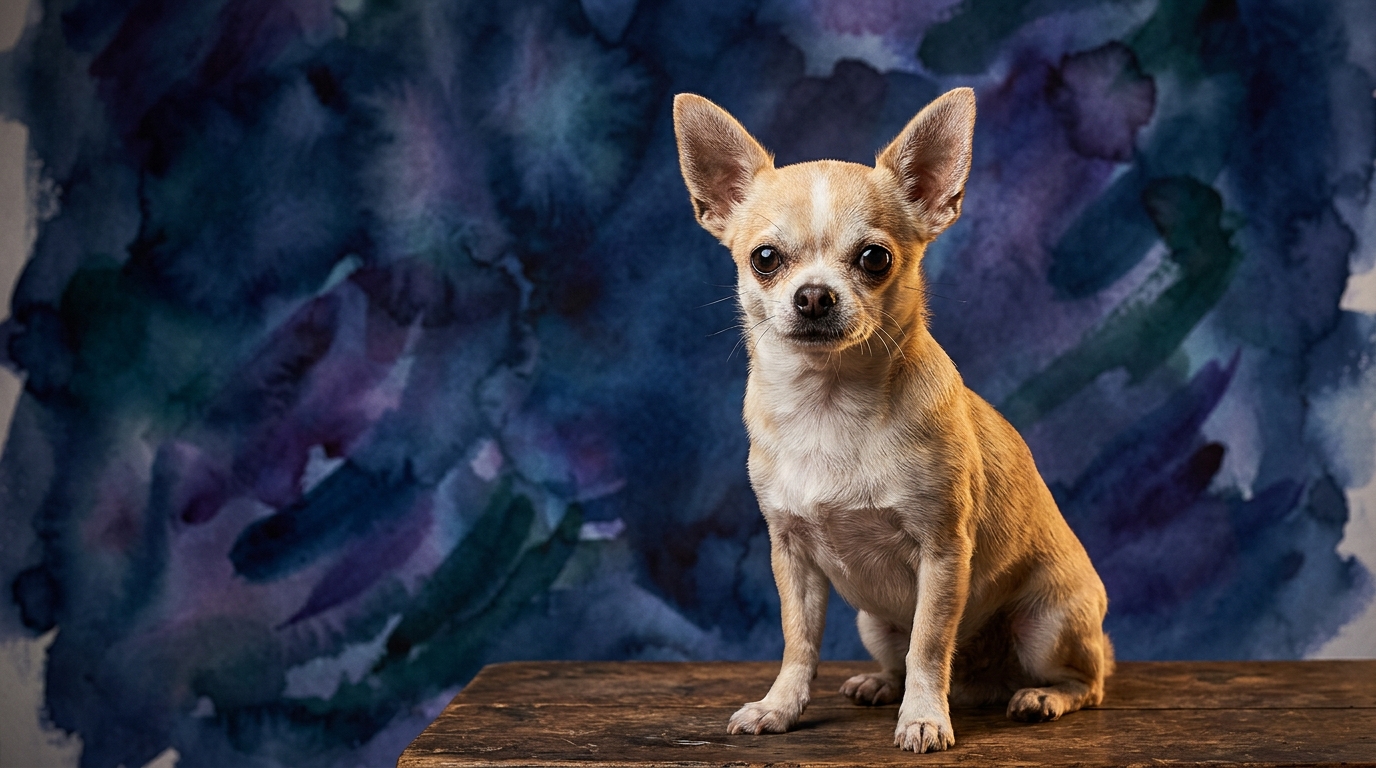
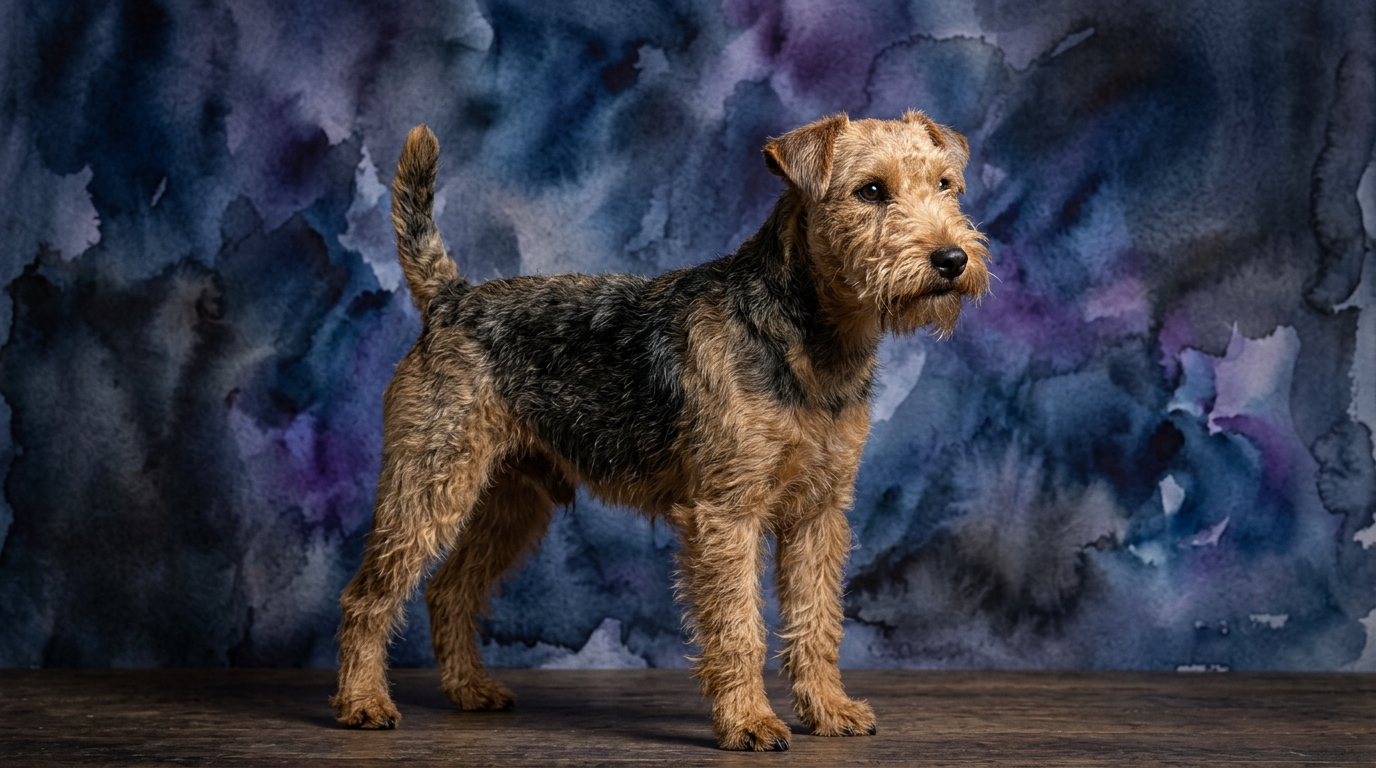
Side-by-side IQ profile
The Cosmic Pet Pet IQ Lab offers a structured way to understand the cognitive strengths of different breeds. For the Chihuahua (dog, Toy, Coren rank #67), their Problem Solving is rated at 3/5, indicating an ability to navigate moderate challenges and learn from experience, though perhaps not invent novel solutions to complex, multi-step puzzles without guidance. Training Speed also scores 3/5, suggesting they absorb commands at an average pace, responsive to consistent methods. Where the Chihuahua truly shines is in Social Intelligence, scoring 4/5; they are highly attuned to human emotions, body language, and subtle cues, making them exceptionally empathetic companions. Their Instinctive Drive sits at 3/5, manifesting as a moderate inclination towards their breed's historical role, often expressed as a watchful nature or a desire for close proximity. Finally, their Memory is strong at 4/5, enabling them to recall learned behaviors, routines, and experiences over extended periods, contributing to their remarkable adaptability within a stable household.
The spirited Lakeland Terrier (dog, Terrier, Not Coren-ranked), bred for work, exhibits a robust and practical cognitive makeup. Their Problem Solving capability is also 3/5, reflecting a capacity for independent thought and persistent effort when faced with obstacles, particularly those related to their terrier instincts like scent work or digging. Training Speed aligns at 3/5, meaning they learn commands at a steady rate, but their innate terrier tenacity might require a trainer to be equally persistent and engaging. Social Intelligence for the Lakeland Terrier is 3/5; they are capable of forming strong bonds and understanding basic social cues, but might display less overt emotional attunement than some companion breeds, valuing independence. Their Instinctive Drive is rated 3/5, a critical aspect of their terrier identity, powering their curiosity, prey drive, and determination in exploration. Memory is 3/5, indicating they retain information adequately for daily tasks and learned behaviors, forming a reliable foundation for their active lives.
Where Chihuahua wins cognitively
The Chihuahua's cognitive strengths primarily lie in their superior Social Intelligence (4/5) and Memory (4/5) compared to the Lakeland Terrier's 3/5 in both dimensions. This heightened social awareness means a Chihuahua can often anticipate their owner's moods and intentions, subtly adjusting their behavior to seek comfort or offer affection. They excel at picking up on nuanced human communication, making them incredibly responsive to quiet commands or even a change in facial expression. Their stronger memory enables them to learn complex routines, remember specific people and places over long periods, and recall past interactions, which solidifies their role as a deeply integrated family member. This cognitive advantage makes them masters of domestic harmony, often seeming to “know” what their human is thinking or needing.
Where Lakeland Terrier wins cognitively
While the raw scores for Problem Solving and Training Speed are similar at 3/5 for both breeds, the Lakeland Terrier's cognitive “win” emerges from how these scores integrate with their distinct breed characteristics and instinctive drive (3/5). Their problem-solving, rooted in a terrier's independent spirit, is often directed towards practical, hands-on challenges. A Lakeland might display a more tenacious and creative approach to figuring out how to retrieve a toy stuck under furniture, or how to navigate a complex scent trail, leveraging their physical agility and persistence. Their training speed, while average, is often paired with a sturdy resilience that allows them to push through distractions and maintain focus on a task, especially if it engages their natural hunting or exploratory drives. This translates into a robust, self-reliant intelligence suitable for outdoor adventures and engaging in tasks that require a bit more grit and less reliance on constant human validation.
Which is easier to train and why
Comparing their Training Speed scores, both breeds rate 3/5, suggesting neither is inherently faster or slower at picking up commands. However, the Chihuahua's higher Social Intelligence (4/5) and Memory (4/5) lend them an edge in overall trainability, particularly for obedience and companion behaviors. Their keen awareness of human cues and strong recall of past lessons means they are often more eager to please and quicker to form associations between commands and positive outcomes. A Chihuahua might be more motivated by social praise and connection, making them highly receptive to positive reinforcement methods. In contrast, the Lakeland Terrier, with its 3/5 Social Intelligence and 3/5 Memory, combined with a strong, independent Instinctive Drive (3/5), can present a different training dynamic. While capable learners, their terrier stubbornness and propensity for following their nose or instincts might require more consistent, engaging, and varied training approaches to maintain focus and compliance, especially when distractions are present.
Which suits active owners vs relaxed owners
For relaxed owners seeking a devoted and perceptive companion, the Chihuahua often presents an ideal match. Their higher Social Intelligence means they thrive on close human interaction and are content with a less demanding exercise regimen, preferring indoor activities, short walks, and extensive cuddle sessions. Their strong memory allows them to easily adapt to established household routines, providing a predictable and comforting presence. Conversely, the Lakeland Terrier is better suited for active owners who relish outdoor adventures and mental engagement. Their problem-solving skills, combined with a robust instinctive drive, mean they require regular physical exertion and opportunities to explore and “work.” Owners who enjoy hiking, agility, or engaging in scent games will find the Lakeland Terrier a spirited and enduring partner, one who thrives when given tasks that challenge both their body and their tenacious mind.
The Verdict
Choose the Chihuahua if you prioritize a highly socially attuned, deeply empathetic companion with an excellent memory for routines, ideally suited for a relaxed home environment and close human connection.
Opt for the Lakeland Terrier if you seek an independent, tenacious partner for an active lifestyle, one who enjoys problem-solving through exploration and thrives on engaging, task-oriented activities.
🧠 Find Your Pet's IQ Score
Our Pet IQ Lab assessment covers 25+ tests across 5 cognitive dimensions — personalized to your breed.
Take the Full IQ Test →Frequently Asked Questions
Is a Chihuahua's higher social intelligence linked to its small size?
While not directly caused by size, a Chihuahua's intense social intelligence often manifests as a deep bond with its human family, likely amplified by its role as a dedicated companion dog. Their small stature encourages close physical proximity, further honing their ability to read subtle human cues and emotions.
Does the Lakeland Terrier's instinctive drive make them difficult to train?
The Lakeland Terrier's instinctive drive (3/5) means they have a natural inclination towards activities like chasing and exploring, which can be challenging without proper direction. However, this drive can be channeled effectively into positive training by incorporating games, scent work, and consistent positive reinforcement, turning potential challenges into engaging learning opportunities.
How do their memory scores impact their daily lives?
The Chihuahua's 4/5 memory allows them to easily recall routines, commands, and past interactions, making them adaptable to a stable schedule and quick to learn house rules. The Lakeland Terrier's 3/5 memory is sufficient for daily tasks and training but might require more repetition for complex sequences, yet still reliably retains information crucial for their active, exploratory lifestyle.