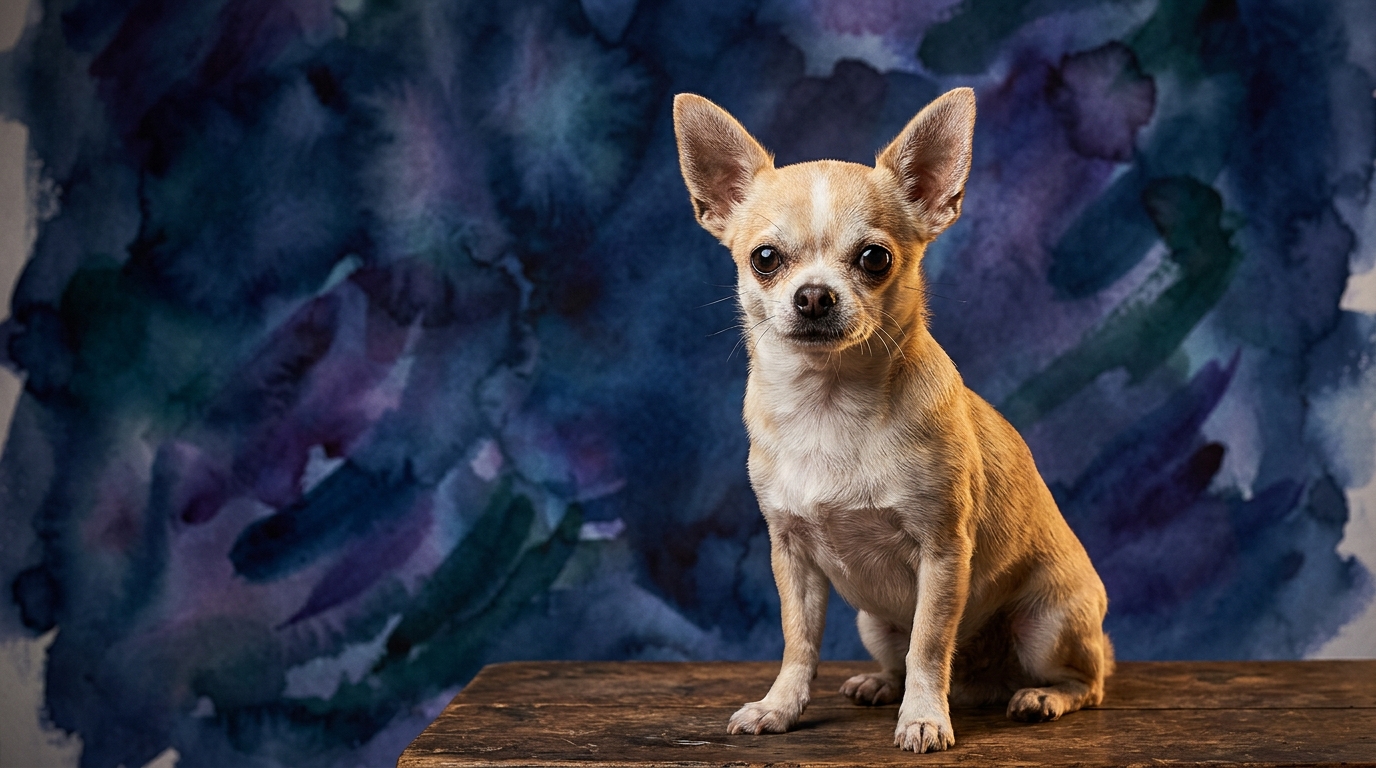
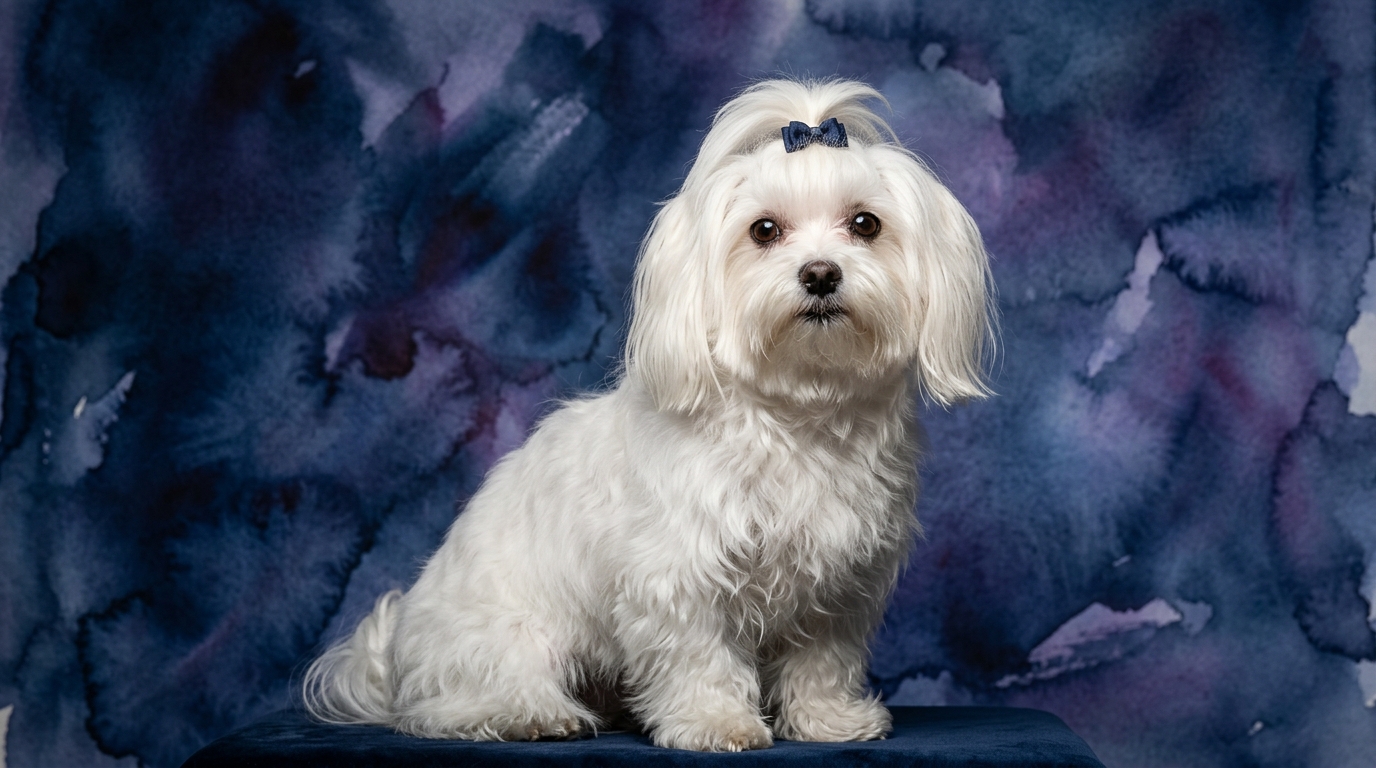
A Side-by-Side Look at Chihuahua and Maltese IQ Profiles
The Cosmic Pet Pet IQ Lab employs five crucial dimensions to map a breed's intelligence, offering a nuanced view beyond simplistic notions. For the Chihuahua, holding a Coren rank of #67, their problem-solving ability, rated at 3/5, indicates practical intelligence for daily challenges, like retrieving a dropped toy, rather than a drive for complex mental puzzles. Their training speed also sits at 3/5, indicating they grasp new commands at a moderate pace, requiring consistent and positive reinforcement to solidify learning. Where Chihuahuas truly shine is their social intelligence, scoring 4/5. This reflects a deep capacity to read human emotions and form intense, often selective, bonds with their chosen family members, demonstrating a discerning awareness of their social environment. Their instinctive drive, at 3/5, suggests a moderate alertness and readiness to react to their surroundings, which can manifest as territoriality or a keen interest in small movements and sounds. Finally, their memory, rated 4/5, is a significant asset, allowing them to recall routines, commands, and past experiences with considerable accuracy over time, aiding in long-term habit formation.
The Maltese, with a Coren rank of #59, offers a distinct, albeit equally captivating, cognitive makeup. Their problem-solving aptitude, also at 3/5, parallels the Chihuahua's, demonstrating practical intelligence for everyday situations, like finding a comfortable spot, without a strong inclination for intricate mental tasks. Training speed is also 3/5, meaning they absorb new information steadily, flourishing under gentle, reward-based methods that emphasize positive interaction. The Maltese's standout trait is their social intelligence, achieving a perfect 5/5. This score highlights an exceptional ability to connect emotionally with humans, interpret subtle cues, and prioritize harmonious interaction, making them incredibly intuitive companions. In contrast, their instinctive drive is quite low, at 2/5, indicating less propensity for strong prey drives, excessive barking, or territorial behaviors, making them generally more focused on companionship than environmental vigilance. Their memory, rated 3/5, is competent for retaining routines and commands, though perhaps not with the same long-term tenacity as a Chihuahua, benefiting from consistent reinforcement to embed learned behaviors.
Where the Chihuahua's Cognition Takes the Lead
The Chihuahua's cognitive strengths shine particularly in their remarkable memory, scoring 4/5. This means they are more likely to retain complex sequences of commands or remember specific past interactions, both positive and negative, over longer periods. This robust recall can be an undeniable asset in establishing consistent routines and building upon previous training successes, as they are less likely to "forget" what they've learned. Furthermore, their instinctive drive, rated at 3/5, gives them a slightly more pronounced awareness of their surroundings and a readiness to respond. This can translate into an alert, watchful demeanor, making them excellent little sentinels who will often notify their owners of approaching strangers or unusual sounds. While both breeds are socially adept, the Chihuahua's 4/5 social intelligence is often channeled into a more discerning, almost protective bond with their chosen few, indicating a strong capacity for selective attachment and emotional perception that can lead to fierce loyalty.
The Maltese's Unique Cognitive Strengths
The Maltese truly excels with a perfect 5/5 in social intelligence, setting them apart as masters of human connection. This means they possess an unparalleled ability to interpret subtle human gestures, vocal tones, and emotional states, allowing them to adapt their behavior to foster harmony and affection within the family unit. They are incredibly attuned to their owner's mood, often offering comfort or seeking interaction precisely when it's needed most. Their exceptionally low instinctive drive (2/5) further enhances this companionability; they are less distracted by environmental stimuli like chasing small animals or territorial marking, preferring to focus their cognitive energy almost entirely on their human interactions. This combination makes them particularly intuitive and emotionally responsive companions, often seeming to anticipate their owner's needs or mood with remarkable accuracy, making them wonderfully empathetic little partners.
Training Dynamics: Chihuahua vs. Maltese
On paper, both the Chihuahua and Maltese share a 3/5 rating for training speed, suggesting they learn new commands at a moderate pace. However, the experience of training can differ significantly based on their other cognitive traits. The Chihuahua's superior memory (4/5) can mean that once a command is learned, it tends to stick more firmly, potentially requiring less frequent refreshing over time. Their moderate instinctive drive (3/5) might occasionally present distractions, such as a sudden urge to bark at a perceived threat or chase a moving object, which requires focused redirection during training sessions. Their independent streak often means they respond best when they perceive a clear personal benefit.
Conversely, the Maltese's exceptional social intelligence (5/5) makes them highly motivated by praise, positive interaction, and the desire to please their human. Their lower instinctive drive (2/5) means fewer internal distractions, allowing them to remain more focused on the trainer and the task at hand. While their memory (3/5) might necessitate slightly more consistent repetition to embed commands long-term, their eagerness to connect and lower distractibility can make for a more agreeable and rewarding training partnership in the moment. Ultimately, both breeds benefit immensely from positive reinforcement, patience, and understanding their unique motivations, but the how and why they engage can be quite different.
Matching Canine Cognition to Owner Lifestyles
For active owners seeking a small companion with a bit more zest and alertness, the Chihuahua often presents a fitting match. Their moderate instinctive drive (3/5) and keen social intelligence (4/5) mean they are often ready for short bursts of activity, enjoying exploration and displaying a watchful nature that can be stimulating for an engaged owner. They thrive on interactive play and mental challenges that capitalize on their good memory, making them suitable for owners who enjoy teaching new tricks or engaging in brief, stimulating outings. They appreciate an owner who understands their discerning nature.
In contrast, the Maltese, with their perfect 5/5 social intelligence and notably lower instinctive drive (2/5), is an ideal fit for relaxed owners prioritizing deep, calm companionship. They are content with gentle walks and thrive on close physical proximity and emotional connection, rather than demanding extensive physical or mental exertion. Their primary focus is on being a loving, present companion, making them perfect for those who seek a serene presence and an intuitive emotional bond within a quieter lifestyle. They flourish in homes where they can be a constant, cherished presence.
The Verdict
Choose a Chihuahua if you appreciate a discerning, watchful companion with a strong memory and an independent streak that offers engaging interaction and moderate activity. They are ideal for owners who enjoy a dog with a distinct personality and a capacity for deep, selective bonds.
Opt for a Maltese if you desire an exceptionally intuitive, affectionate companion whose primary joy is close social interaction and a calm, adaptable presence. They are perfect for owners seeking a gentle, emotionally responsive dog that thrives on constant companionship and a relaxed home environment.
🧠 Find Your Pet's IQ Score
Our Pet IQ Lab assessment covers 25+ tests across 5 cognitive dimensions — personalized to your breed.
Take the Full IQ Test →Frequently Asked Questions
Are Chihuahuas or Malteses generally better with children?
The Maltese, with its 5/5 social intelligence and lower instinctive drive, often adapts more readily to the unpredictable nature of children, preferring gentle interaction. Chihuahuas, with their discerning social intelligence and moderate instinctive drive, can be more sensitive and might prefer older, respectful children or an adults-only home, as they can be prone to nipping if startled or feeling threatened.
Do these small breeds require a lot of physical exercise to stay cognitively stimulated?
Neither breed requires extensive physical exercise; short, regular walks are usually sufficient. For cognitive stimulation, Chihuahuas benefit from puzzle toys or brief training sessions that engage their memory, while Malteses thrive on interactive play and social games that reinforce their bond with their owners, leveraging their high social intelligence.
How do their Coren ranks (Chihuahua #67, Maltese #59) relate to their specific IQ scores?
The Coren rank provides a general measure of working and obedience intelligence, placing the Maltese slightly higher at #59 compared to the Chihuahua at #67. However, the specific IQ scores from The Cosmic Pet Pet IQ Lab offer a more granular view, revealing distinct cognitive strengths in areas like social intelligence, memory, and instinctive drive that the Coren ranking doesn't fully capture, explaining why a higher Coren rank doesn't mean superiority in all cognitive dimensions.