Side-by-Side Cognitive Profiles
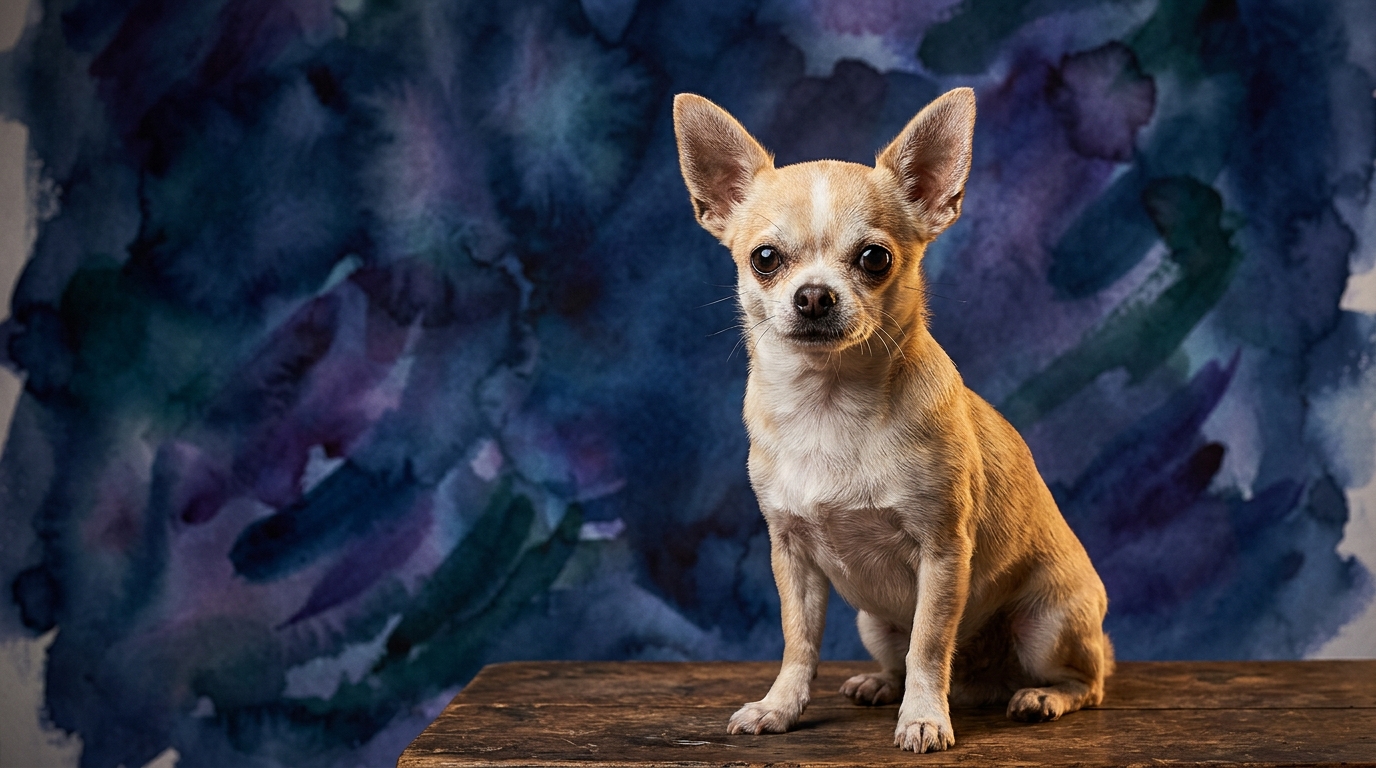
The Cosmic Pet Pet IQ Lab employs a five-dimensional framework to assess canine intelligence, offering a granular view into how different breeds process the world. For the Chihuahua, we observe a problem-solving score of 3/5, indicating a practical approach to new challenges where they often apply learned solutions rather than immediate innovation. Their training speed, also 3/5, suggests they learn consistently with patient guidance. A notable strength is their social intelligence at 4/5, reflecting a keen awareness of human emotions and social cues, making them highly attuned companions. Instinctive drive sits at 3/5, a moderate level that might manifest as alertness or a manageable chase instinct. Finally, their memory scores a robust 4/5, signifying a strong ability to retain commands, routines, and experiences over time.
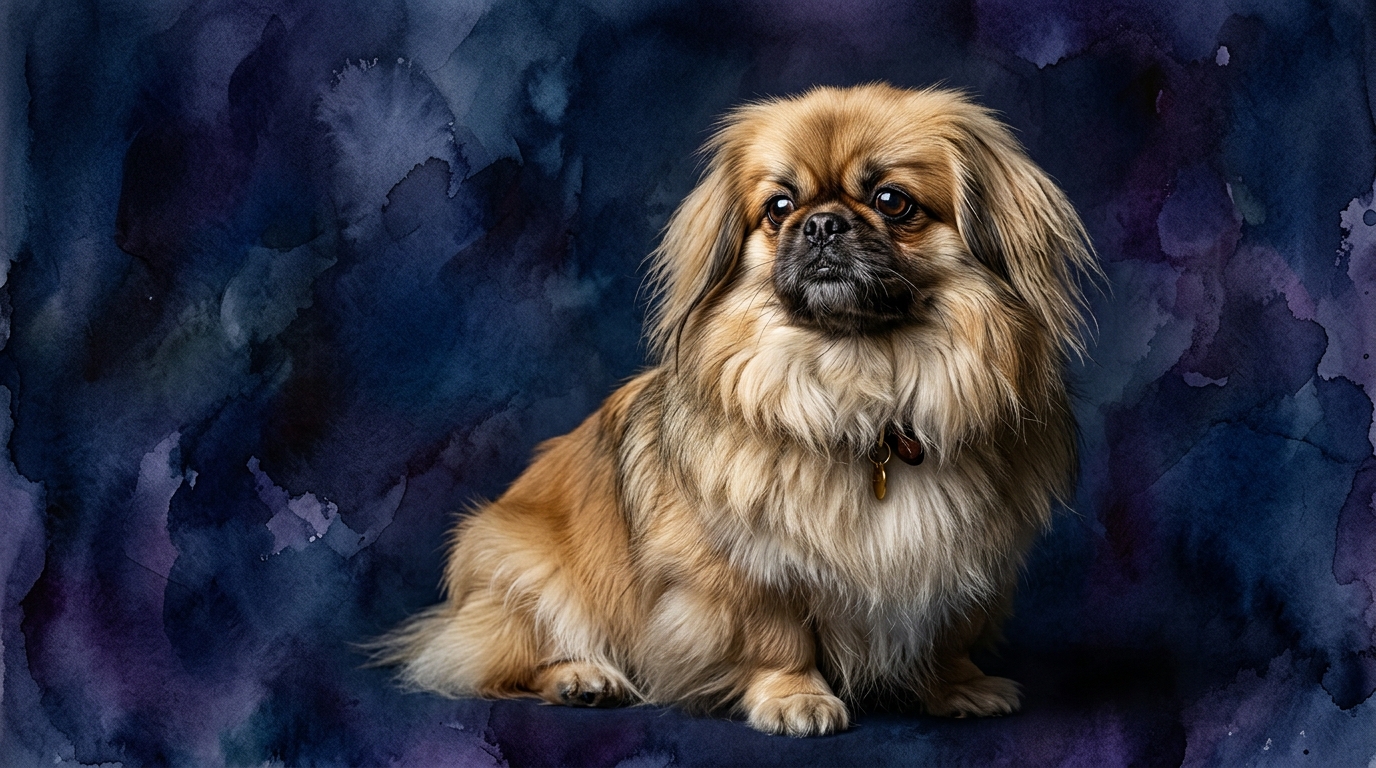
In contrast, the Pekingese presents a distinct cognitive signature. Their problem-solving capability mirrors the Chihuahua at 3/5, implying a similar reliance on established patterns when faced with novel situations. Training speed also registers at 3/5, meaning they are capable learners but require consistent, clear instruction without necessarily excelling in rapid acquisition. Where the Pekingese diverges significantly is in social intelligence, scoring 3/5; this indicates a more independent disposition, less overtly focused on deciphering human subtle emotional states or social expectations compared to the Chihuahua. Their instinctive drive is 3/5, a moderate level. Their memory, at 3/5, suggests they retain information adequately for daily routines but might require more frequent reinforcement for complex lessons than their Chihuahua counterparts. This comparative overview, supported by the Coren ranks (Chihuahua #67, Pekingese #77), highlights that while both are capable, their cognitive strengths are oriented differently.
Where the Chihuahua Excels Cognitively
The Chihuahua's cognitive profile showcases particular strengths in areas that foster deep human-animal bonds and adaptability. With a social intelligence score of 4/5, they possess a superior ability to read human body language, vocal tones, and emotional states. This means a Chihuahua is more likely to anticipate their owner's moods, offer comfort when sensing distress, or respond to subtle cues during interaction, creating a highly responsive and empathetic companionship. This heightened social awareness contributes significantly to their perceived 'connection' with their humans, making them excellent communicators within the family unit.
Furthermore, the Chihuahua's memory, also rated 4/5, provides a distinct advantage in learning and retaining information. This robust memory means they are quicker to solidify new commands, remember household rules, and recall past experiences, whether positive or negative. For owners interested in teaching a variety of tricks or engaging in structured obedience, a Chihuahua's capacity to store and retrieve these lessons efficiently makes the training process more fluid. They are less likely to 'forget' a learned behavior after a break, which contributes to their reputation as consistent and reliable companions once training is established.
Where the Pekingese's Cognitive Profile Shines
While the Pekingese doesn't boast higher numerical scores in individual cognitive dimensions compared to the Chihuahua, their unique blend of scores, particularly their 3/5 social intelligence, creates a cognitive profile that is exceptionally well-suited for specific owner preferences. This moderate social intelligence translates into a more independent and self-possessed nature. A Pekingese is less likely to be constantly seeking human validation or attention, making them a dignified and less demanding companion for individuals who appreciate a dog with a strong sense of self and a calm demeanor.
This independence can be a cognitive advantage for owners seeking a dog that is perfectly content to observe rather than actively participate in every family endeavor. Their consistent 3/5 across problem-solving, training speed, and memory indicates a functional intelligence that, while not flashy, is entirely capable of learning the necessary commands and routines for a well-adjusted life. Their cognitive makeup favors a dog that is less prone to separation anxiety due to an innate self-reliance, and they often display a quiet wisdom, making them superb companions for those valuing tranquility and a dog that is comfortable in its own presence.
Training Dynamics: Chihuahua vs. Pekingese
When it comes to training, the cognitive differences between these two breeds become particularly apparent, influencing both the speed of learning and the methods required. The Chihuahua, with its 4/5 social intelligence and 4/5 memory, generally presents as the more receptive student. Their strong desire to connect with their human and their ability to quickly understand and remember cues makes them responsive to positive reinforcement. They are often eager to please and will remember complex sequences or subtle hand signals over time, making them suitable for advanced obedience or trick training. Their attentiveness to their owner's reactions allows for quicker adjustments during training sessions, leading to more efficient learning.
The Pekingese, with its 3/5 social intelligence and 3/5 memory, requires a different approach. Their more independent nature means they may not be as inherently motivated by human approval, and their memory requires more consistent repetition to solidify lessons. Training a Pekingese demands significant patience, clear and concise commands, and a highly rewarding system to maintain their focus. They might appear 'stubborn' not out of defiance, but because they may not connect the action to the desired outcome as readily or retain the instruction as firmly as a Chihuahua. Owners must be prepared for a slower, more deliberate training journey, focusing on consistency and making training sessions positive and engaging to bypass their independent streak.
Matching Cognitive Profiles with Lifestyles
The distinct cognitive profiles of the Chihuahua and Pekingese naturally align with different owner lifestyles and expectations. For active owners who enjoy engaging their pets in various activities, the Chihuahua's cognitive strengths make them an excellent match. Their 4/5 social intelligence means they thrive on interaction, understanding, and participating in family life, whether it's accompanying you on errands, learning new tricks, or even participating in dog sports like agility or rally obedience at a beginner level. Their 4/5 memory ensures they retain these lessons and routines, making them adaptable companions for a dynamic household that values consistent engagement and a dog that can keep up with a varied schedule.
Conversely, the Pekingese is ideally suited for more relaxed owners who appreciate a calm, less demanding companion. Their 3/5 social intelligence and moderate scores across other dimensions mean they are perfectly content with a predictable, serene home environment. They are not dogs that constantly seek out mental puzzles or require extensive training sessions to be fulfilled. Their independent and dignified nature means they are generally satisfied with leisurely strolls, comfortable lounging, and quiet companionship. Owners seeking a dog that provides a regal, self-sufficient presence without intense cognitive demands will find the Pekingese's mental makeup a perfect fit for a peaceful, unhurried lifestyle.
The Verdict
Choose a Chihuahua if you seek a highly interactive, empathetic companion eager to engage in diverse activities and capable of remembering a wide array of commands and social cues.
Opt for a Pekingese if you prefer a dignified, independent companion who thrives in a relaxed, predictable environment and doesn't require constant cognitive stimulation or overt social engagement.
🧠 Find Your Pet's IQ Score
Our Pet IQ Lab assessment covers 25+ tests across 5 cognitive dimensions — personalized to your breed.
Take the Full IQ Test →Frequently Asked Questions
Do Chihuahuas or Pekingese learn tricks faster?
Based on their cognitive profiles, Chihuahuas are generally quicker to learn and retain tricks due to their higher social intelligence and superior memory. They are often more motivated by human interaction and can remember complex sequences more effectively than Pekingese, who may require more repetition.
Which breed is better at understanding human emotions?
Chihuahuas, with a social intelligence score of 4/5, are notably better at understanding human emotions and social cues. They are highly attuned to their owner's moods and body language, making them very responsive and empathetic companions compared to the more independent Pekingese (3/5 social intelligence).
Are Pekingese difficult to train due to their independence?
Pekingese are not 'difficult' but require a specific training approach due to their independent nature and 3/5 social intelligence and memory. They may not be as driven by human approval, necessitating extreme consistency, patience, and high-value rewards to make training effective and enjoyable for them.