A Side-by-Side Look at IQ Profiles
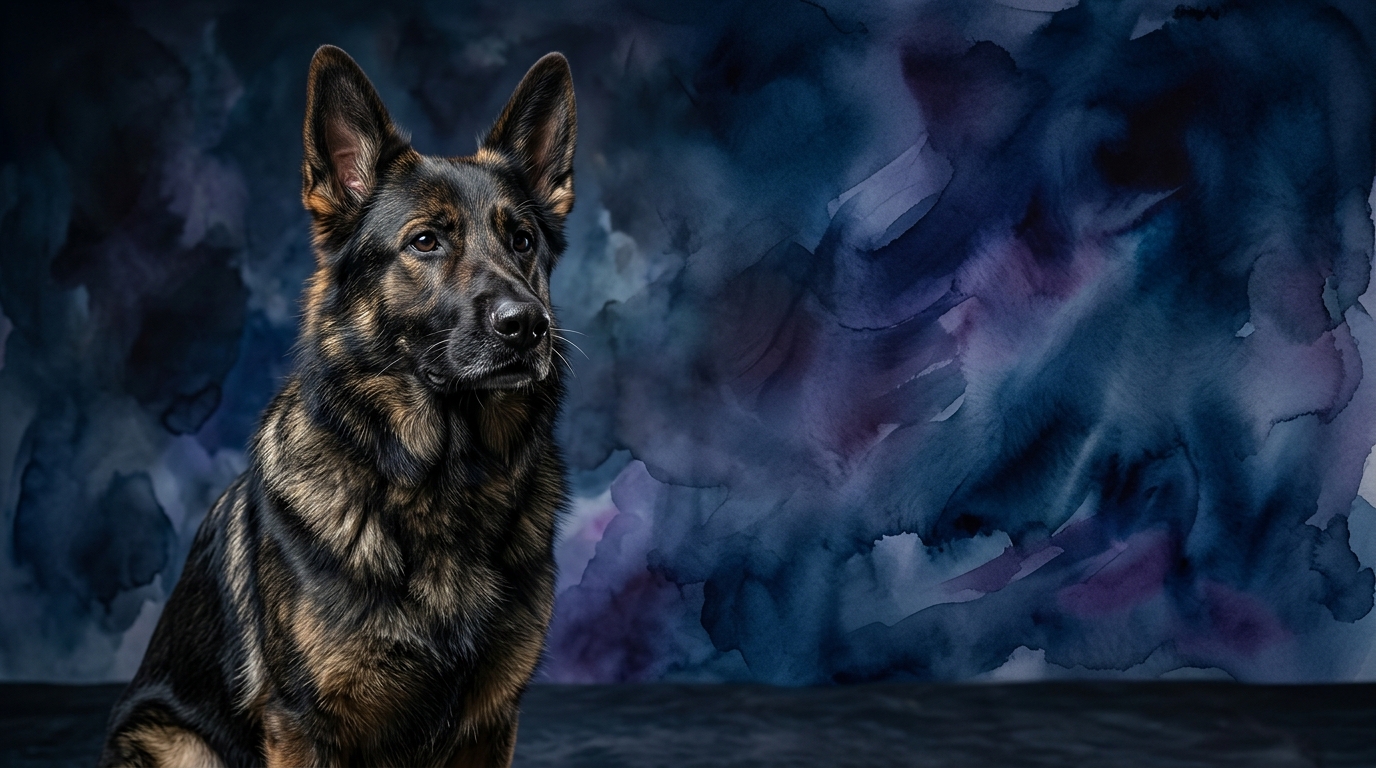
The Cosmic Pet Pet IQ Lab provides a comprehensive framework to assess canine intelligence, breaking it down into five crucial dimensions. For the German Shepherd, a breed rooted in herding and protection, their profile consistently scores at the highest tier, reflecting their historical demands. Problem Solving is rated 5/5, indicating an exceptional capacity to navigate complex situations and strategize solutions independently. Their Training Speed also stands at a perfect 5/5, showcasing an eagerness to learn and rapidly integrate new commands and behaviors. Social Intelligence, at 5/5, highlights their profound understanding of human cues and emotional states, making them highly responsive companions. An Instinctive Drive of 5/5 underscores their strong innate motivations for tasks like herding, guarding, and working, while their Memory, also 5/5, ensures they retain vast amounts of information, from commands to intricate routines, over long periods.
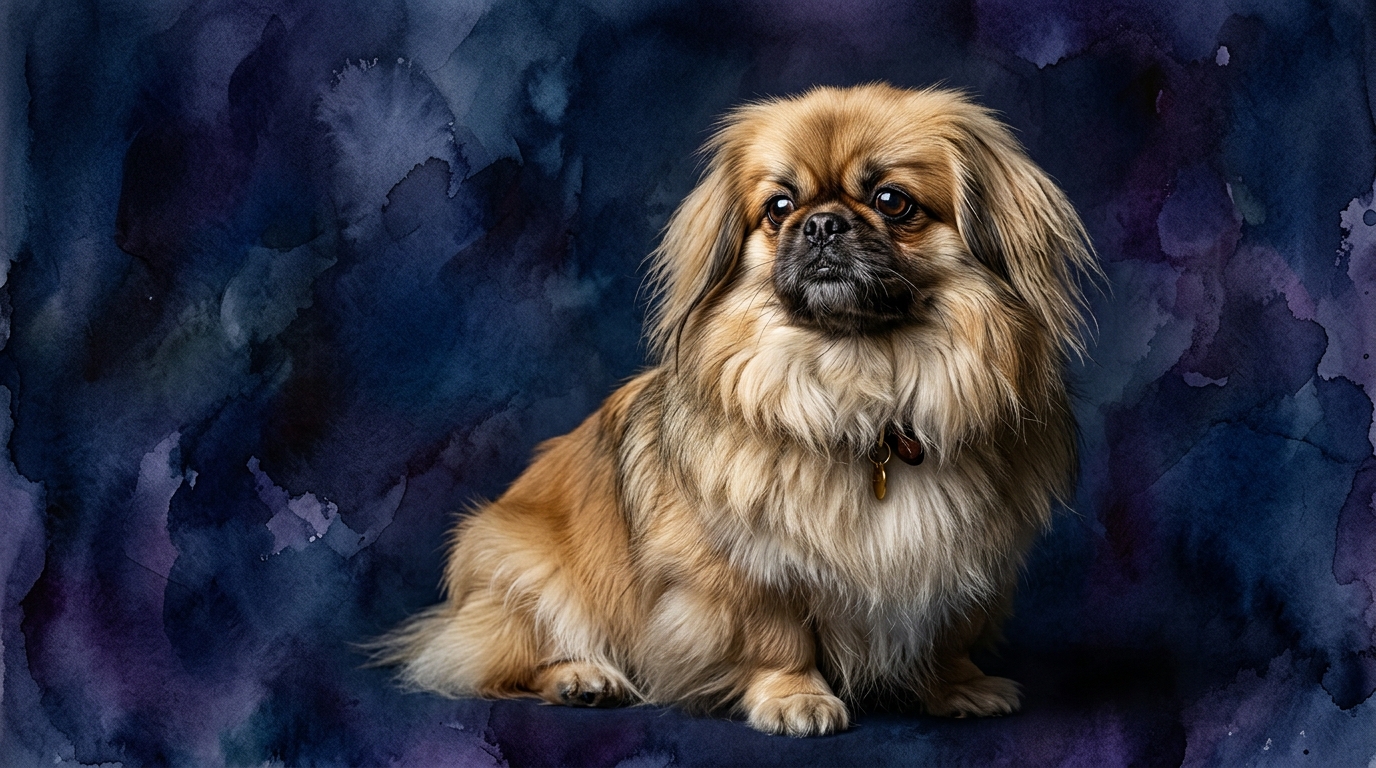
In stark contrast, the Pekingese, a breed cherished for centuries as a regal companion, presents a different cognitive blueprint. Their Problem Solving ability is rated 3/5, suggesting they can tackle moderate challenges but might not display the same inventive or persistent drive as a German Shepherd when faced with complex puzzles. Training Speed is also 3/5, meaning they are capable of learning, but often require more repetition and patience compared to breeds eager for constant instruction. Their Social Intelligence at 3/5 indicates they understand their human companions, but perhaps with a more independent, less overtly people-pleasing nuance. An Instinctive Drive of 3/5 reflects a moderate level of intrinsic motivation, often directed more towards companionship than demanding tasks. Finally, their Memory is also rated 3/5, meaning they retain information adequately for daily life but may not possess the vast recall capacity seen in breeds bred for intricate work.
Where the German Shepherd Excels Cognitively
The German Shepherd's cognitive strengths are undeniably rooted in their working heritage. Their 5/5 Problem Solving capacity means they aren't just following orders; they are actively assessing environments and devising strategies. For instance, a German Shepherd can quickly learn to open complex latches, navigate elaborate obstacle courses, or even figure out how to 'herd' a group of children safely into a designated area without explicit commands, relying on their innate understanding of spatial relationships and task completion. This capacity extends beyond physical tasks to understanding abstract concepts, making them adept at nuanced roles like detection or assistance work.
Their perfect scores in Training Speed and Memory also grant them a distinct advantage. A German Shepherd can master a series of new commands or a complex routine in significantly fewer repetitions than many other breeds. They can recall these commands even after long breaks, demonstrating impressive long-term retention. This rapid acquisition and enduring memory are pivotal for advanced obedience, competitive dog sports, or critical service roles where reliability and precision are paramount. Furthermore, their 5/5 Social Intelligence allows them to anticipate human intentions and respond with remarkable empathy, often acting proactively based on subtle shifts in human mood or body language, making them exceptional partners in emotionally demanding situations.
Cognitive Strengths of the Pekingese
While the Pekingese doesn't exhibit the same high-octane cognitive drive as the German Shepherd, their specific profile presents unique advantages for certain lifestyles. Their 3/5 Instinctive Drive means they are generally less prone to exhibiting strong herding, chasing, or territorial behaviors that require constant management in a domestic setting. This lower intensity can be a significant cognitive 'win' for owners seeking a calm, self-contained companion content with a less structured routine and fewer demands for high-level mental stimulation. Their moderate problem-solving skills mean they are perfectly capable of navigating their home environment and learning household rules without feeling bored or destructive from a lack of complex mental engagement.
The Pekingese's 3/5 Social Intelligence, while not as overtly demonstrative as a German Shepherd's, contributes to a distinct brand of companionship. They understand their family members and can form strong bonds, often displaying a charming, independent affection rather than an overwhelming desire to please. This allows them to be content with their own company for periods, thriving in environments where constant interaction or complex joint activities are not the primary focus. Their cognitive profile supports a life of dignified companionship, where their mental efforts are channeled into observing their surroundings and enjoying comfortable routines, making them excellent, low-maintenance emotional anchors.
Training Dynamics: Ease and Engagement
When it comes to ease of training, the German Shepherd unequivocally holds the advantage due to their superior Pet IQ Lab scores. Their 5/5 Training Speed means they absorb and execute new commands with remarkable efficiency, often requiring only a few repetitions before a behavior is solidified. This, combined with their 5/5 Problem Solving and Instinctive Drive, means they actively engage in the training process, viewing it as a stimulating challenge. They respond well to consistent, reward-based methods and thrive on having a 'job' to do, translating into quick mastery of complex tasks and high reliability in obedience.
The Pekingese, with a 3/5 Training Speed, requires a different approach. While they are certainly trainable, their learning curve is generally slower, and they may not possess the same inherent desire to constantly please or engage in prolonged training sessions. Their more moderate Instinctive Drive means they might not be as motivated by task-oriented rewards but respond better to positive reinforcement focused on comfort, food, or brief play. Success with a Pekingese often involves shorter, more frequent sessions, a great deal of patience, and understanding that their independence means they will cooperate when they see the point, rather than simply obeying out of an overwhelming drive to perform.
Matching Cognitive Profiles to Lifestyles
The German Shepherd's robust cognitive profile makes them an ideal match for active owners who can provide consistent mental and physical challenges. Their 5/5 Problem Solving and Instinctive Drive mean they need outlets for their energy, whether through advanced obedience training, agility, protection work, or demanding hikes. Owners who thrive on teaching complex commands, engaging in long training sessions, and seeking a canine partner for demanding activities will find the German Shepherd incredibly fulfilling. Their high Social Intelligence also means they form deep, interactive bonds, often becoming a shadow to their chosen human, always ready for the next adventure or learning opportunity.
Conversely, the Pekingese, with its more moderate cognitive scores, suits relaxed owners seeking a devoted but less demanding companion. Their 3/5 Instinctive Drive means they are generally content with shorter walks, indoor play, and cozy companionship. Owners who appreciate a dog that is independent, doesn't require constant mental stimulation, and thrives on a predictable, comfortable routine will find the Pekingese a perfect fit. Their moderate Social Intelligence allows them to be affectionate without being clingy, making them excellent lap dogs who are happy to observe the world from a comfortable perch rather than constantly seeking active participation.
The Verdict
Choose the German Shepherd if you seek a highly engaged, trainable, and mentally robust partner for demanding activities and a life rich in shared challenges.
Opt for the Pekingese if you desire a charming, independent, and relatively low-maintenance companion whose contentment comes from comfort and quiet companionship rather than constant activity.
🧠 Find Your Pet's IQ Score
Our Pet IQ Lab assessment covers 25+ tests across 5 cognitive dimensions — personalized to your breed.
Take the Full IQ Test →Frequently Asked Questions
Is a German Shepherd always more intelligent than a Pekingese?
Based on the Pet IQ Lab's five cognitive dimensions, German Shepherds consistently score higher across the board (5/5 vs. 3/5). This indicates a greater capacity for problem-solving, faster learning, and stronger instinctive drives, making them more adept at complex tasks and demanding roles.
Can a Pekingese be trained effectively despite its lower training speed score?
Absolutely. A Pekingese can be trained effectively, but it typically requires more patience, consistency, and a nuanced approach. Their 3/5 Training Speed means they learn at a moderate pace, responding best to positive reinforcement, short sessions, and understanding their independent nature rather than expecting rapid mastery of complex commands.
Which breed is better for an apartment lifestyle?
The Pekingese is generally better suited for an apartment lifestyle due to its lower Instinctive Drive (3/5) and less demanding exercise requirements. A German Shepherd's high drive (5/5) and need for extensive mental and physical stimulation often make apartment living challenging without significant owner commitment to daily outdoor activities and training.