Side-by-Side IQ Profile: Chihuahua vs. Pointer
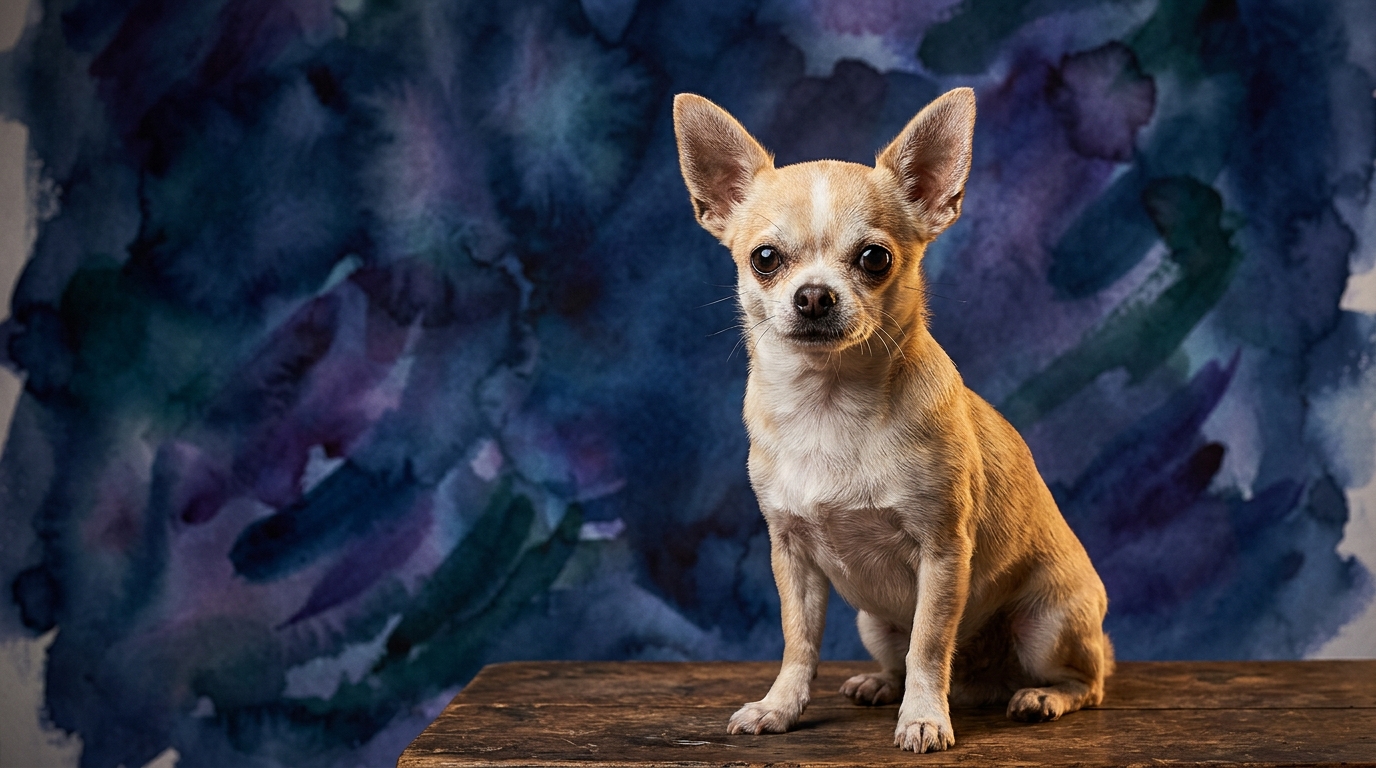
The Cosmic Pet Pet IQ Lab employs a five-dimensional framework to assess canine intelligence, offering a nuanced view beyond simplistic labels. For the Chihuahua, a Toy breed ranked #67 by Coren for working intelligence, we observe a distinct cognitive makeup. Their Problem Solving is rated 3/5, indicating an ability to navigate their immediate environment and often devise clever strategies for personal comfort or attention. Training Speed is also 3/5; while capable, their independent spirit can influence learning consistency. Social Intelligence shines at 4/5, demonstrating a profound capacity to interpret human emotions and cues. Their Instinctive Drive sits at 3/5, often manifesting as alertness or a strong desire for companionship. Finally, their Memory is exceptional at 4/5, allowing for excellent recall of routines and experiences.
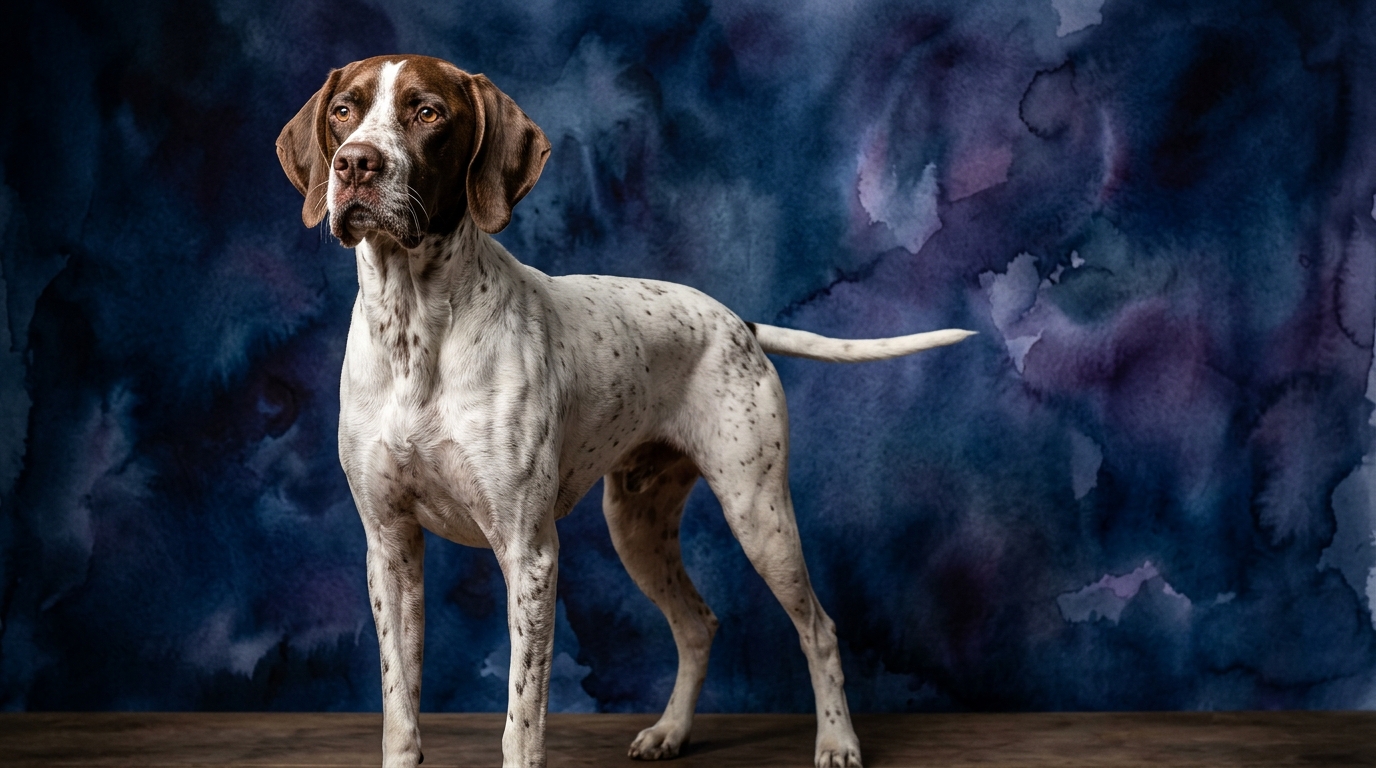
In contrast, the Pointer, a Sporting breed not specifically ranked by Coren, presents a different cognitive emphasis. Their Problem Solving is 3/5, typically focused on practical, task-oriented challenges, especially those related to their field work. Training Speed is a solid 3/5, meaning they learn commands effectively, particularly when tasks align with their natural inclinations. Their Social Intelligence is 3/5, allowing for cooperative partnership with a handler but less emphasis on emotional mirroring compared to some companion breeds. Instinctive Drive is also 3/5, characterized by a pronounced drive for scenting, tracking, and retrieving. Their Memory is 3/5, demonstrating good retention of learned tasks and environmental cues essential for their sporting role.
Where the Chihuahua Wins Cognitively
The Chihuahua exhibits a clear cognitive advantage in two key areas: social intelligence and memory. With a 4/5 score in Social Intelligence compared to the Pointer's 3/5, Chihuahuas possess an elevated capacity for understanding and responding to human emotional states and subtle cues. This allows them to form exceptionally deep, emotionally attuned bonds with their owners, often anticipating needs or reacting to moods with remarkable accuracy. They are masters of reading their human companions, making them highly responsive and engaging pets in a social context. This nuanced social awareness also contributes to their ability to communicate effectively, often through a variety of vocalizations and body language.
Furthermore, the Chihuahua's superior Memory, rated 4/5 against the Pointer's 3/5, gives them an edge in recalling intricate routines, past interactions, and the specific behaviors that lead to desired outcomes. This means they are particularly adept at remembering household rules, favorite people, and even complex sequences of events. For instance, a Chihuahua might remember precisely which member of the household is most likely to share a snack after dinner or the exact sequence of events that precedes a walk, using this recall to subtly influence their environment for personal gain or comfort. This robust memory also aids in their understanding of complex social dynamics within a multi-pet household.
Where the Pointer Wins Cognitively
While the Pointer's individual cognitive scores might not numerically surpass the Chihuahua's in every dimension, their unique strength lies in the practical application and channeling of their instinctive drive. Rated 3/5 for Instinctive Drive, the Pointer's cognitive structure is meticulously designed for sustained, purposeful work. This drive, unlike the Chihuahua's more generalized alertness, is specifically directed towards scenting, tracking, and retrieving. This means their problem-solving (3/5) is highly effective within their working domain, enabling them to strategize in the field, locate game, and adapt to varied terrain with focused determination. They excel at tasks requiring mental endurance and environmental interpretation over extended periods.
Their cognitive abilities, though rated moderately, are perfectly integrated to support their sporting heritage. The Pointer’s intelligence is less about emotional nuance and more about an unwavering, single-minded focus on a given task. This translates to an unparalleled ability to concentrate on a specific objective, such as following a scent trail for miles, a cognitive application that demands significant mental stamina and precise sensory processing. Their capacity to maintain this level of engagement and focus on an external, task-oriented goal for prolonged durations is a distinct cognitive advantage, making them exceptionally effective partners in activities aligned with their breed purpose.
Training Efficacy: Chihuahua vs. Pointer
Both breeds register a 3/5 in Training Speed, but the underlying mechanisms and ease of training diverge based on their other cognitive strengths. Training a Chihuahua often involves leveraging their keen social intelligence and excellent memory. They quickly learn which behaviors elicit positive attention or rewards from their specific humans, and their recall for these associations is strong. However, their independent streak and tendency to prioritize personal comfort can sometimes make them selective learners, requiring trainers to be creative and consistent in their motivation. For instance, a Chihuahua might quickly grasp that sitting politely earns a favorite treat from one person, but decide the effort isn't worth it for another, requiring the trainer to adapt their approach to sustain engagement.
Pointers, with their moderate training speed and task-oriented instinctive drive, respond well to structured, goal-directed training. They are typically eager to please when engaged in activities that align with their natural predispositions, such as scent work or retrieving. While their social intelligence is lower than the Chihuahua's, it is sufficient for forming a cooperative working bond with a handler, especially when the training involves a shared objective. Their training success often hinges on consistent reinforcement and clear communication, as they thrive on understanding their role in a task. A Pointer might learn complex scent discrimination tasks with dedication, driven by the reward of finding their target, whereas a Chihuahua might be more motivated by a cuddle after performing a trick, highlighting differing motivators.
Lifestyle Suitability: Active vs. Relaxed Owners
For owners seeking a more relaxed, companion-focused lifestyle, the Chihuahua often presents a fitting choice. Their superior social intelligence means they are content with close human interaction, thriving on cuddles, lap time, and being an integral part of daily household routines. While they certainly benefit from mental stimulation through puzzle toys or short training sessions, their physical exercise needs are modest, making them suitable for apartment living or less active individuals. Their strong memory helps them recall household rules and routines, contributing to a harmonious, predictable home environment, provided their social and emotional needs are consistently met through interaction.
Conversely, the Pointer is unequivocally suited for active owners who can provide substantial outlets for their ingrained instinctive drives. Their problem-solving and training speed, while not exceptional, are perfectly geared towards fieldwork, extensive walks, running, or dog sports like agility and tracking. Owners who enjoy outdoor pursuits and are willing to engage in consistent, task-oriented training will find a dedicated partner in a Pointer. A relaxed owner might struggle to meet a Pointer's need for physical and mental engagement, potentially leading to boredom-induced behaviors such as destructive chewing or excessive vocalization, as their cognitive framework requires outlets for focused activity.
The Verdict
Choose a Chihuahua if you prioritize a deeply bonded companion who excels in social nuances and thrives on close emotional connection within a more relaxed home environment.
Opt for a Pointer if you're an active individual or family seeking a dedicated partner for outdoor adventures and structured activities that channel their inherent working drive.
🧠 Find Your Pet's IQ Score
Our Pet IQ Lab assessment covers 25+ tests across 5 cognitive dimensions — personalized to your breed.
Take the Full IQ Test →Frequently Asked Questions
Are Chihuahuas difficult to train?
While Chihuahuas are capable learners (3/5 training speed) and possess good memory, their independent nature and preference for comfort can sometimes make training challenging. Consistency and positive reinforcement, often leveraging their desire for social interaction, are crucial for success.
Do Pointers require a lot of mental exercise?
Yes, Pointers, with their strong instinctive drive (3/5) and task-oriented problem-solving, benefit significantly from mental stimulation. Activities like scent work, puzzle toys, and consistent training for practical tasks help satisfy their need for engagement beyond just physical exercise.
How does a dog's Coren rank relate to its IQ profile?
Coren's ranking primarily assesses 'working and obedience intelligence,' focusing on how quickly a dog learns and obeys commands. While the Chihuahua is ranked #67, the Pointer's lack of a Coren rank doesn't diminish its specialized intelligence, which is geared towards its sporting purpose rather than general obedience.